The Kindness Inside Gerald Durrell’s World
There are some books that entertain you, some that educate you, and then there are books that quietly alter the way you look at the world forever. The works of Gerald Durrell belong to that final category. His books are not simply stories about animals. They are living, breathing celebrations of life itself. Every page carries warmth, wonder, humour, and an extraordinary tenderness toward creatures that most people overlook.
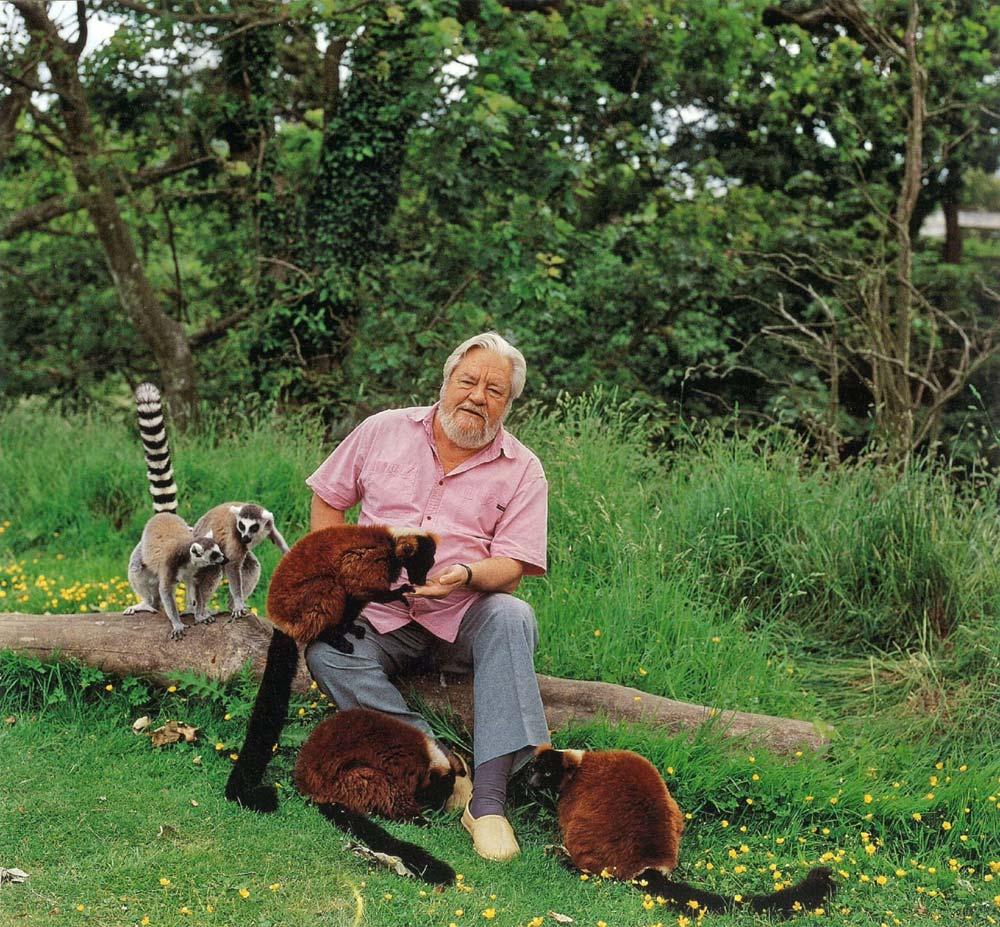
Reading Gerald Durrell feels less like reading an author and more like walking beside someone who sees magic in every feather, paw, claw, and crooked tail. For me, his books did something rare. They strengthened my empathy toward animals in a way that felt deeply personal. They reminded me that animals are not decorations in nature, not background noise in the human story, but individuals with emotions, quirks, fears, personalities, and a right to exist peacefully in this world. Through his writing, compassion becomes instinctive. You begin to notice the small things more. The nervous movements of a bird. The cautious curiosity of a stray dog. The intelligence in the eyes of a leopard. You stop seeing animals as “wildlife” in an abstract sense and start seeing them as lives.
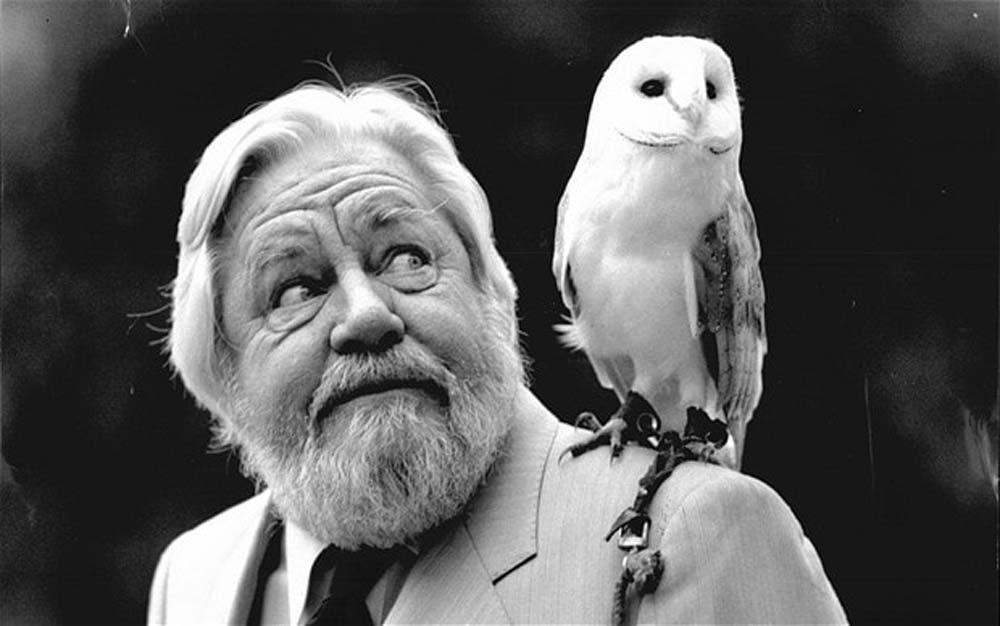
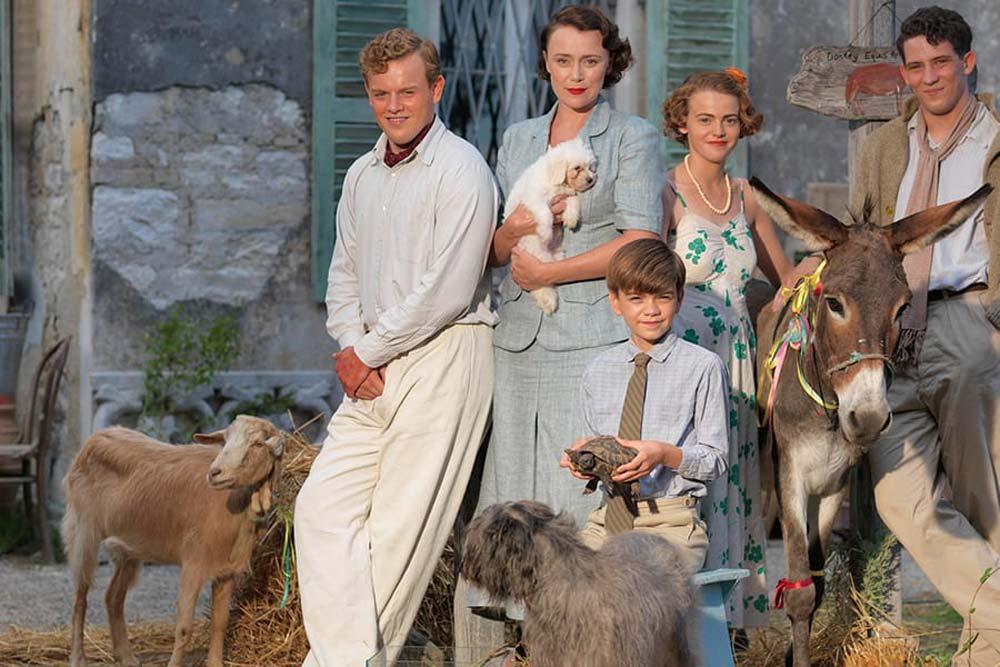
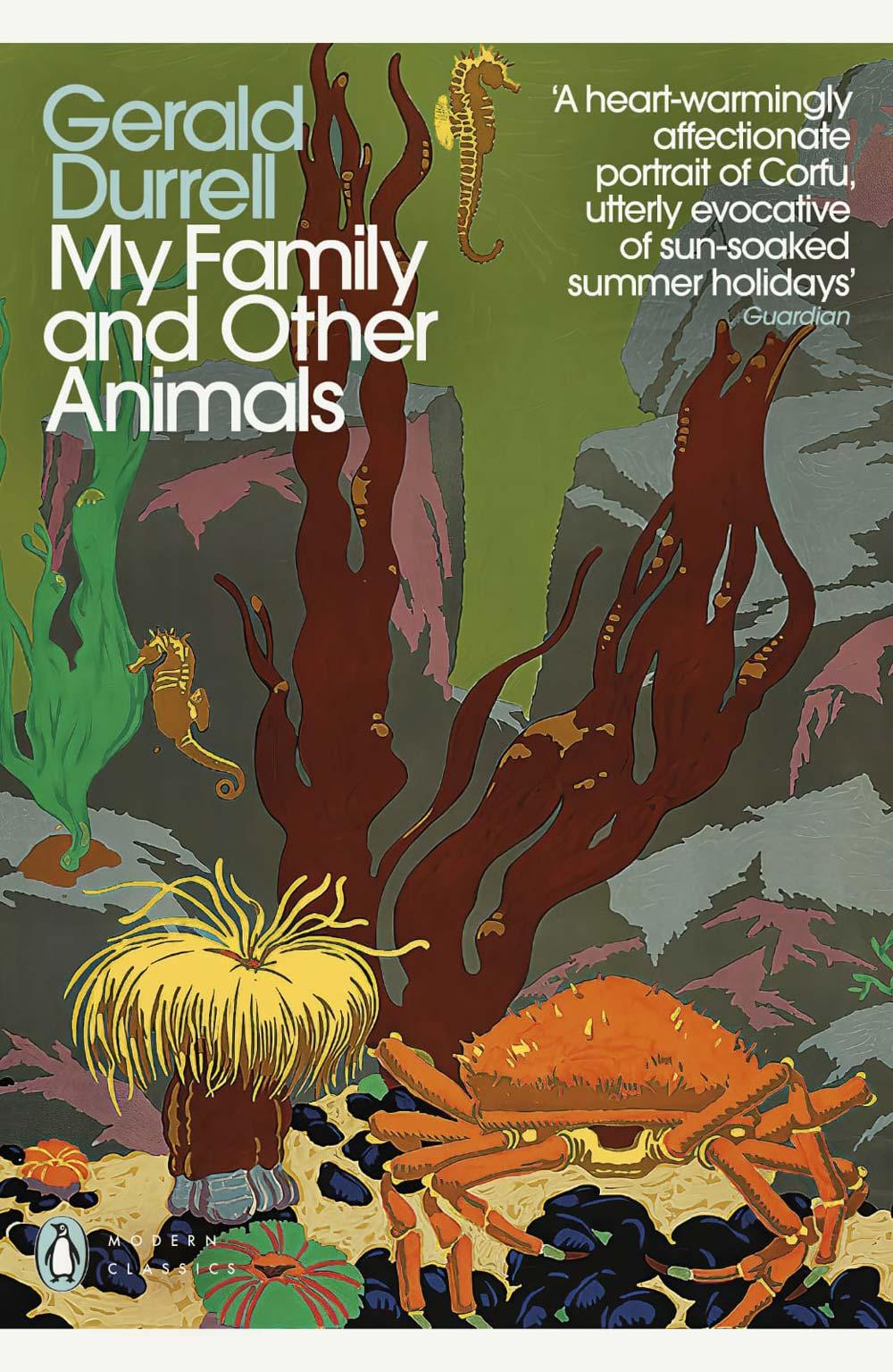
What makes Gerald Durrell’s writing so beautiful is that he never writes with superiority. He does not stand above nature as a lecturer. Instead, he kneels beside it with fascination and affection. That humility changes everything. In many wildlife narratives, humans are presented as conquerors, explorers, or heroes. But Durrell writes as though humans are simply another species fortunate enough to witness the brilliance around them. There is something profoundly refreshing about that perspective. His most beloved work, My Family and Other Animals, captures this perfectly. The book overflows with eccentric family moments, chaotic adventures, and vivid encounters with wildlife on the Greek island of Corfu, yet beneath the humour lies something much deeper. Every creature he describes matters. The spiders, tortoises, owls, geckos, and insects are written with such detail and affection that they become unforgettable characters. He gives dignity even to the smallest life forms. In a world where people are taught to fear, kill, or ignore many creatures, that approach feels revolutionary.
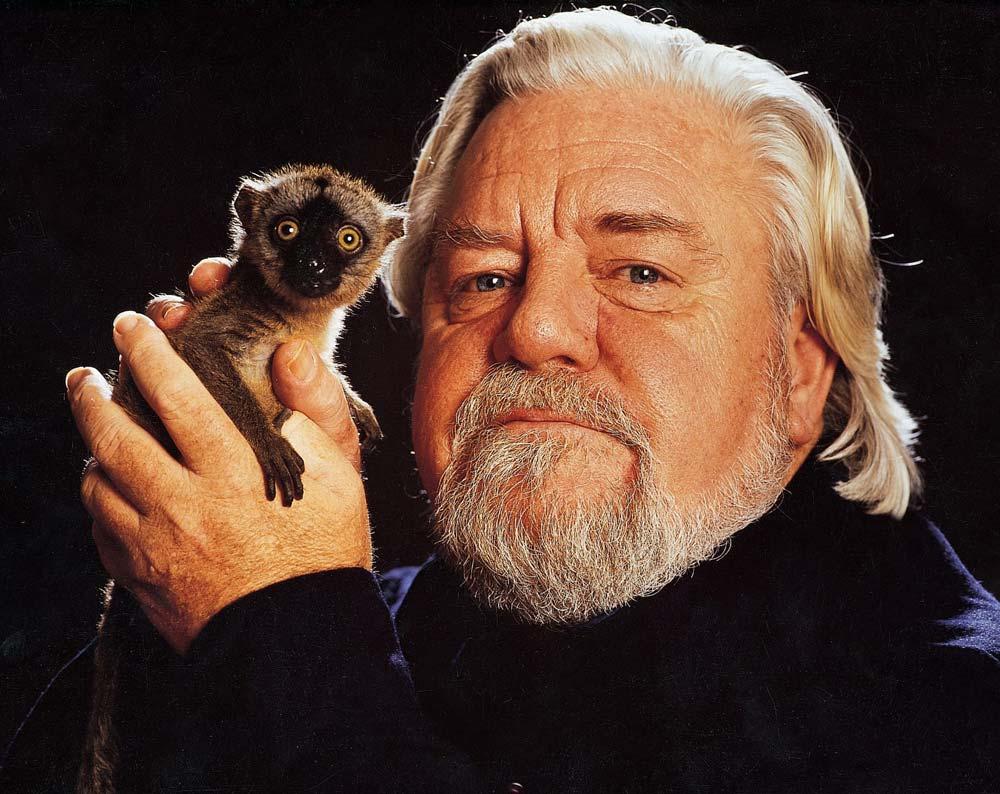
One of the most extraordinary qualities of Durrell’s writing is his ability to remove disgust from the reader’s mind. Animals that society often labels unpleasant or frightening suddenly become fascinating. Reptiles become elegant instead of terrifying. Insects become intricate rather than irritating. Even creatures associated with danger are approached with curiosity instead of hatred. This shift matters because fear is often the root of cruelty. People destroy what they do not understand. Gerald Durrell understood that empathy begins with observation. The more closely you observe an animal, the harder it becomes to treat it carelessly. His humour also plays an enormous role in the charm of his books. So many environmental discussions today are heavy with doom, statistics, and hopelessness. While those realities are undeniably important, Durrell approached conservation differently.
He made people fall in love first. He understood that affection creates protection. People protect what they emotionally connect with. Instead of drowning readers in guilt, he invited them into wonder. That wonder is contagious. When reading his books, you begin to notice nature with childlike excitement again. A simple garden bird no longer feels ordinary. The sound of insects at night becomes orchestral. Rainforests feel sacred. Oceans feel ancient and alive. Durrell restores curiosity that adulthood often crushes under routine and distraction. He reminds readers that the natural world is not separate from us. We belong to it.
There is also a softness in his writing that feels incredibly comforting. Even when chaos unfolds, and it often does in his stories, there is always warmth underneath it. Animals escape. Creatures bite people. Family members argue. Homes become overrun with wildlife. Yet everything feels alive with joy. He captures the beautiful unpredictability of living alongside animals. Nothing is sterile or distant. Nature in his books is messy, loud, funny, and emotional. I think this emotional honesty is what affects animal lovers so deeply. Many people grow up being told they are “too sensitive” for caring intensely about animals. Society often treats compassion toward animals as childish or excessive, especially when compared to human-centered concerns. But Gerald Durrell validates that empathy completely. He writes as someone who genuinely believes animal lives matter emotionally, ethically, and spiritually. Reading him feels like finding someone who understands a language you have always carried inside yourself.
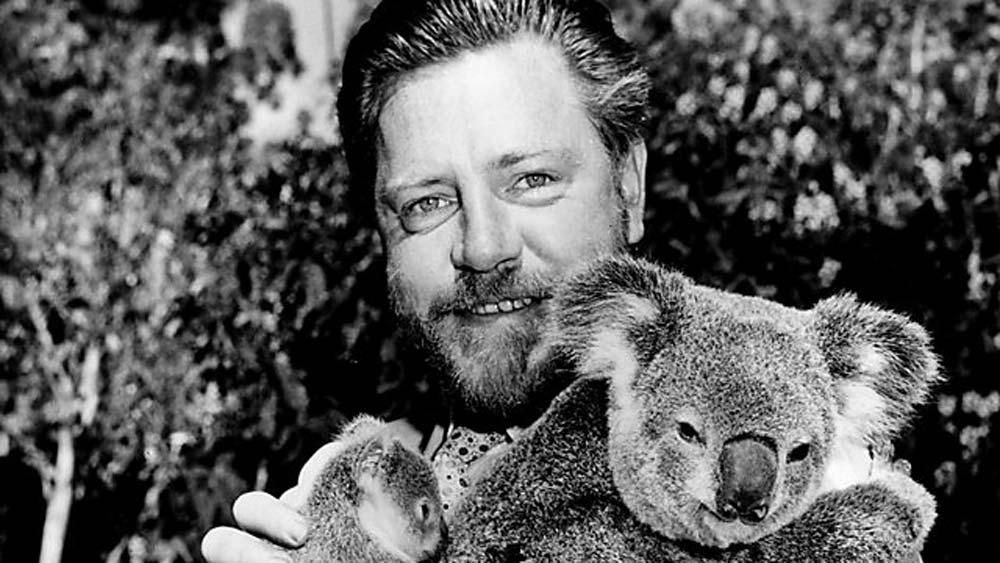
His conservation work makes his writing even more meaningful. Durrell Wildlife Conservation Trust was not built out of ego or prestige. It was built out of urgency and love. He recognized extinction not merely as scientific loss but as heartbreak. Every disappearing species represented something irreplaceable vanishing forever. That grief quietly echoes throughout his works, even in their most humorous moments. And perhaps that is why his books remain timeless. They are not driven by trends. They are driven by sincerity. Today, people consume endless wildlife content online. There are thousands of documentaries, photographs, reels, and viral animal videos available instantly. Yet Gerald Durrell’s books still feel irreplaceable because they offer something modern media often lacks, intimacy. His words slow you down. They encourage observation rather than consumption. Instead of treating animals as spectacles, he introduces them almost like friends.
 The emotional connection he creates is powerful because it feels earned. He notices details others ignore. The twitch of an animal’s ear. The stubborn personality of a tortoise. The arrogance of a bird. The nervous dignity of rescued creatures. These details humanize animals without reducing them into caricatures. He never forces sentimentality. The affection grows naturally.
As someone deeply passionate about animals myself, reading Durrell strengthened my belief that empathy is not weakness. Caring deeply about animals in a world filled with cruelty requires strength. It requires the willingness to remain soft in a society that often rewards indifference.
His books reminded me that compassion itself is a form of resistance.
Especially now, in a world facing habitat destruction, climate change, poaching, deforestation, and mass extinction, Gerald Durrell’s writing feels painfully important. He wrote long before environmental consciousness became mainstream, yet his message feels more urgent than ever. Humanity cannot continue treating nature as expendable. We cannot dominate ecosystems endlessly without consequences. His books quietly teach coexistence instead of control.
What I admire most is that his love for animals never feels performative. He does not romanticise nature unrealistically either. Animals in his books can be difficult, destructive, chaotic, and dangerous. But he accepts them fully. That acceptance mirrors real love. Genuine love is not built on perfection. It is built on understanding. There is something profoundly healing about reading someone who looks at the natural world with reverence instead of entitlement. Modern life often disconnects people from nature emotionally. Cities expand. Screens consume attention. Wildlife becomes something distant, existing only in documentaries or zoos. But Gerald Durrell reconnects readers to the living pulse of the earth. He reminds us that humans are not above nature. We are part of it. His descriptions are another reason his books feel so magical. Landscapes in his writing are vibrant and sensory. You can almost smell the soil after rain, hear cicadas screaming in summer heat, feel warm Mediterranean sunlight across stone walls. Nature becomes immersive rather than decorative. The environment itself feels alive. And despite all the beauty, there is often quiet sadness beneath his writing too. Not melodramatic sadness, but awareness. Awareness that many of these creatures are fragile. Awareness that human greed threatens ecosystems constantly. Awareness that innocence in nature is disappearing. That subtle melancholy gives emotional depth to his humour and wonder.
For animal lovers, his books can feel transformative because they validate emotional connection with wildlife in a world that often dismisses it. Loving animals deeply is sometimes mocked as unrealistic or overly emotional. Yet Gerald Durrell treated that love as something intelligent and necessary. He understood that empathy toward animals reflects empathy toward life itself. I also admire how accessible his writing is. You do not need to be a scientist to enjoy his books. You do not need academic knowledge about zoology or conservation. He writes for ordinary people with extraordinary warmth. That accessibility matters because conservation should never belong only to experts. Love for nature belongs to everyone. Even readers who begin his books casually often leave seeing the world differently. That is the power of storytelling. Facts alone can inform people, but stories change hearts. Gerald Durrell understood this beautifully. Through laughter, adventure, and affection, he made people care. And perhaps the greatest achievement of his books is this: after reading them, the world feels more alive than before. You begin to realise that every forest carries unseen lives. Every ocean holds mysteries beyond human understanding. Every bird crossing the sky has purpose. Even the smallest insect becomes part of a larger, intricate world worthy of respect. That awareness changes the way you move through life. You step more gently. You observe more carefully. You feel less alone because nature no longer feels distant.
Gerald Durrell’s books are ultimately love letters. Love letters to animals, ecosystems, curiosity, and coexistence. But they are also love letters to empathy itself. They remind readers that kindness toward living creatures is not naïve. It is essential. In many ways, his writing creates a bridge between humanity and the wild. He teaches readers not merely to admire animals from afar, but to emotionally recognise them. To acknowledge their individuality. Their fear. Their intelligence. Their right to exist without human interference. That lesson stays with people long after the final page. For me, reading Gerald Durrell did not simply increase my knowledge about animals. It deepened my emotional responsibility toward them. It strengthened my belief that protecting wildlife is not optional. It is moral. His books made my empathy feel sharper, stronger, and more grounded. They reminded me that loving animals is not childish idealism. It is a way of honouring life itself. And perhaps that is the true beauty of Gerald Durrell’s books. They do not merely teach readers about nature. They teach readers how to love it.