Enemies to Lovers: Is it the Slow Burn or Being Loved at Our Worst?
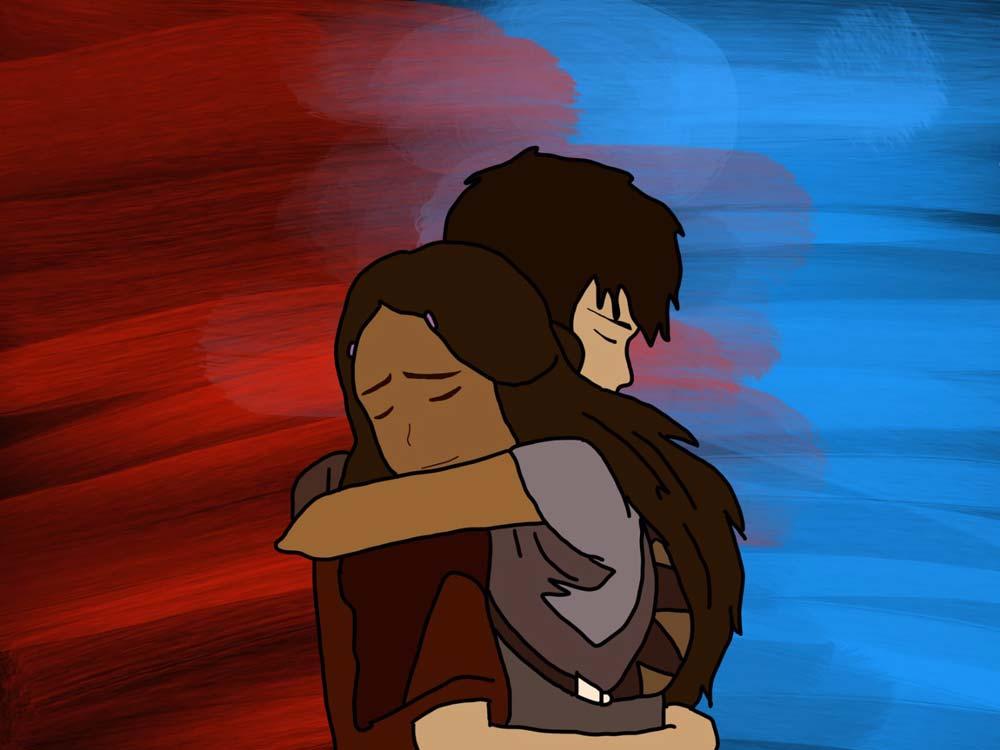
There is something undeniably addictive about the enemies to lover’s trope. It exists everywhere. In books that dominate bestseller lists, in television series that trend for months, in films that become comfort watches, and even in the way we casually describe real life relationships. Two people who cannot stand each other somehow end up falling in love. They clash constantly. They misunderstand one another. They argue over everything. Yet somewhere between the tension and the conflict, affection begins to grow. We know exactly where the story is heading, but we still become invested every single time.
The question is why.

Is it really the slow burn that keeps us emotionally attached? Is it the anticipation, the tension, the almost moments that make this trope feel so satisfying? Or is there something much deeper hidden underneath its appeal? Maybe what draws us in is not simply the romance itself, but the idea that someone could see the most difficult and imperfect sides of us and still decide we are worthy of love. Because when you look closely, enemies to lovers is not just a romantic storyline. It is a story about exposure.
At the beginning of these relationships, there is no performance involved. There is no careful attempt to appear charming or impressive. Neither person is trying to create an ideal version of themselves. Instead, everything is raw and unfiltered. They are impatient, defensive, stubborn, sarcastic, sometimes even cruel. The polished version of themselves does not exist yet. They are not editing their personalities for approval. And the other person witnesses all of it from the very beginning.
That is what makes the trope emotionally powerful.
In real life, most of us are taught to do the exact opposite. We learn to make ourselves easier to love. We try to be agreeable, approachable, and emotionally manageable. We soften our reactions. We hide our insecurities. We overthink our words before sending a message. We avoid revealing the parts of ourselves that might make someone uncomfortable or cause them to leave. Whether it is through social media, dating culture, or everyday interactions, we constantly filter ourselves.
We want to be chosen, but only after we have carefully edited who we are. Enemies to lovers completely rejects that idea. It asks a much more vulnerable question. What if someone chose you before you had the chance to polish yourself? What if they saw the difficult parts first and stayed anyway? Perhaps that is the real reason the trope resonates so deeply with people. Of course, the slow burn is still a huge part of its appeal. Watching feelings develop gradually feels satisfying in a way instant romance rarely does. The emotions are not rushed. They are built piece by piece through tension, conflict, and reluctant understanding. Every small interaction matters because nothing happens too quickly.
A lingering glance suddenly carries weight. A moment of unexpected kindness feels significant. An argument becomes emotionally charged because there is something deeper hidden underneath it. The characters begin noticing things about each other they were too stubborn to acknowledge before. Slowly, resistance turns into curiosity. Curiosity turns into understanding. Understanding turns into love. In a world where everything feels immediate, the slow burn almost feels rebellious.
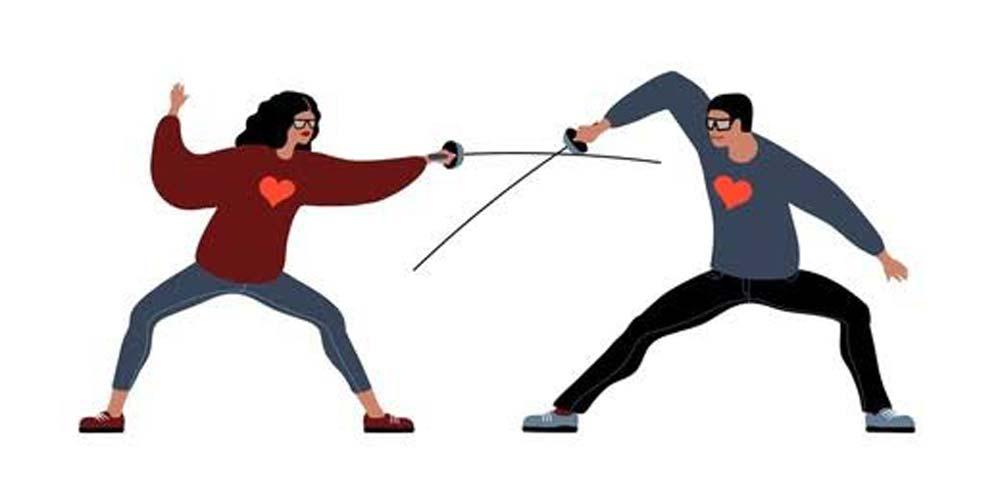
Modern relationships often move at an exhausting speed. Conversations jump from introductions to emotional intimacy within days. Dating apps encourage quick judgments based on carefully selected photos and short descriptions. Relationships can begin and end before people truly know one another. There is constant pressure to define feelings quickly, to communicate perfectly, to know exactly where things are heading before they have even had time to grow naturally. The slow burn resists all of that. It allows tension to exist without immediate resolution. It gives emotions space to develop naturally. It reminds us that connection can take time. And because it takes time, it feels earned. But slow burn alone does not fully explain why enemies to lovers affects people so deeply. There are many slow burn romances that do not create the same emotional intensity. What makes this trope different is the transformation at its center.
Enemies to lovers is built around changing perceptions. It is about watching two people completely rethink the way they see each other. Someone they once disliked becomes someone they understand. Someone they once dismissed becomes someone they trust. The shift from hostility to vulnerability feels meaningful because it mirrors a deeply human desire, we all carry within us.
The desire to be understood beyond first impressions. Most people quietly fear that if others truly knew them, they might not stay. Not because they are bad people, but because being human is messy. We all have flaws we are insecure about. We all have moments where we are impatient, emotional, withdrawn, selfish, or difficult. We all carry parts of ourselves we worry are too much for other people to accept. And most of us have experienced situations that reinforced those fears.
Maybe it was a friendship that slowly faded after vulnerability entered the picture. Maybe it was a relationship that could not survive difficult conversations. Maybe it was the experience of opening up only to feel misunderstood or rejected afterward. Over time, those experiences teach us to manage ourselves carefully. We become more controlled in how we present our emotions. We learn how to appear more acceptable. While that protects us from rejection, it also creates distance between who we are and who people think we are. We might be liked. We might even be loved. But sometimes it feels conditional, as though the affection depends on how successfully we maintain the version of ourselves we have created for others.
Enemies to lovers directly challenges that fear. It tells a different kind of story. It says here is someone who saw your worst moments first and still chose to stay. Not because you became perfect, but because they learned to understand you more deeply. The things they once disliked became things they recognised as part of your humanity. That idea is comforting in a very specific way.
It is not the fantasy of flawless love. It is the fantasy of love with context. Love that has witnessed your sharp edges, your mistakes, your emotional messiness, and still found something worth holding onto. There is something deeply reassuring about the possibility that you do not have to perform perfection in order to deserve connection. In many enemies to lovers’ stories, the characters initially misunderstand one another because they only see surface level traits. Confidence is mistaken for arrogance. Guardedness is mistaken for coldness. Sarcasm is mistaken for cruelty. As the story develops, those assumptions slowly fall apart. The characters begin seeing the reasons behind each other’s behavior. They start recognizing pain, fear, vulnerability, and care beneath the defenses. That gradual movement from judgment to empathy is what makes the trope emotionally compelling. Because ultimately, most people want to be understood more than they want to be admired.
Being admired can feel fragile. It depends on maintaining an image. But being understood feels safer. It feels real. There is comfort in the idea that someone could know the complicated truth of who you are and still choose closeness instead of distance. Of course, real life is more complicated than fiction. Not everyone who sees your worst moments will stay. Sometimes relationships end despite love. Sometimes understanding never fully happens. Sometimes people are simply incompatible, emotionally unavailable, or unable to meet each other where they are. That does not mean anyone involved is unworthy of love. It just means human relationships are more uncertain than fictional narratives allow. Enemies to lovers offers a kind of emotional certainty that reality often cannot provide. It reassures us that conflict can eventually become understanding. That misunderstandings can be resolved. That two people who initially fail each other can still find their way back toward connection. Fiction promises emotional closure in a way real life rarely does. Maybe that is why people continue returning to this trope again and again. Because beneath the romance, it reflects a deeper emotional longing. The longing to be fully seen without being abandoned afterward.
At its core, enemies to lovers is not really about enemies becoming lovers. It is about perception changing over time. It is about someone learning who you actually are beneath their assumptions. It is about discovering that first impressions are incomplete. That people are more layered than they initially appear. And perhaps that is the true slow burn. Not the romance itself, but the understanding. The gradual shift from assumption to awareness. From defensiveness to trust. From emotional distance to emotional intimacy. The romance only works because that deeper transformation happens first. Love becomes believable because understanding came before it. That is what makes the trope feel emotionally satisfying. It suggests that connection is not built through perfection, but through patience and empathy. Through allowing someone enough time to see beyond the surface.
In a culture obsessed with instant attraction and quick compatibility, enemies to lovers reminds us that people are often more complicated than our initial judgments allow. Sometimes the people we understand best are the ones who challenged us first. Sometimes vulnerability grows out of conflict because conflict forces honesty in ways politeness never can. And maybe that is why audiences never grow tired of this trope.
Not simply because we enjoy the tension or the chemistry, although those things absolutely matter. But because enemies to lovers quietly offers hope. Hope that we are not only lovable when we are polished, agreeable, and emotionally composed. Hope that our difficult moments do not erase our worth. Hope that someone could see us clearly, completely, imperfectly, and still choose closeness. In a world where people constantly feel pressured to curate themselves into something more acceptable, that idea feels almost radical.
Enemies to lovers offers a different narrative entirely. One where love does not begin after perfection is achieved. One where understanding arrives before softness does. One where being difficult, flawed, emotional, or misunderstood does not make someone impossible to love. And perhaps that is why the trope stays with us long after the story ends. Because beneath all the tension and banter and romance, it reminds us of something we desperately want to believe about ourselves. That we can be fully seen and still be chosen anyway.