First, Second, and Third Worlds Are Changing Places!
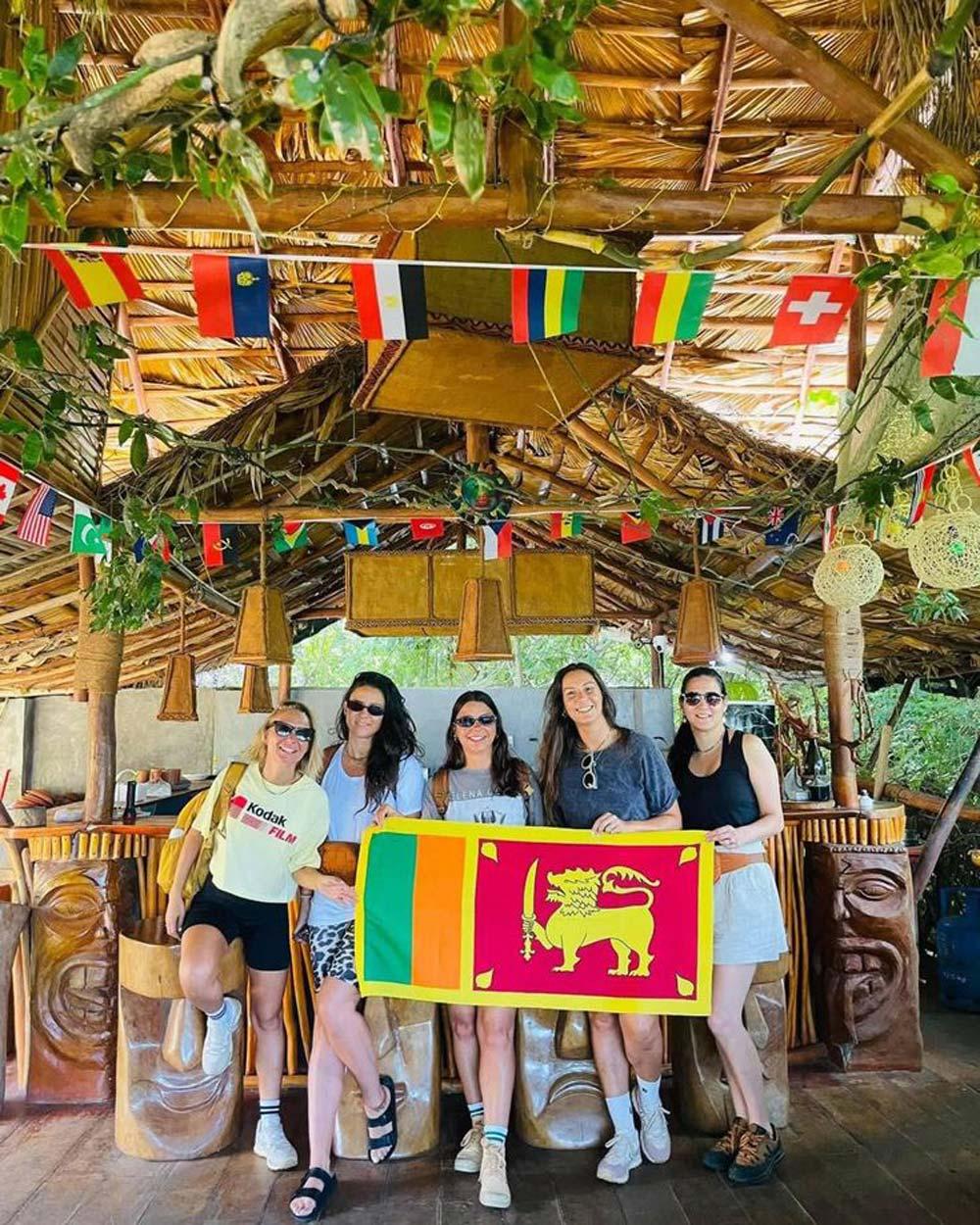
We have all grown up being presented with certain sociocultural perceptions as if they were unassailable facts. For example, the idea of ‘First World’ nations, and ‘Third World’ nations, is a global classification which is supposedly based on economics and facts and figures. But recent events and political developments are showing a radically different picture which challenges these beliefs.
First World nations comprise the European settler / colonising nations, who, empowered by self-justifying beliefs of white supremacy, expanded their reach from the boundaries of their own relatively small countries to conquer other nations which were rich in resources. Portugal, Holland, Spain, France, Belgium, and England all used weaponry to enforce their status and assert their rights of exploitation over many countries and continents.
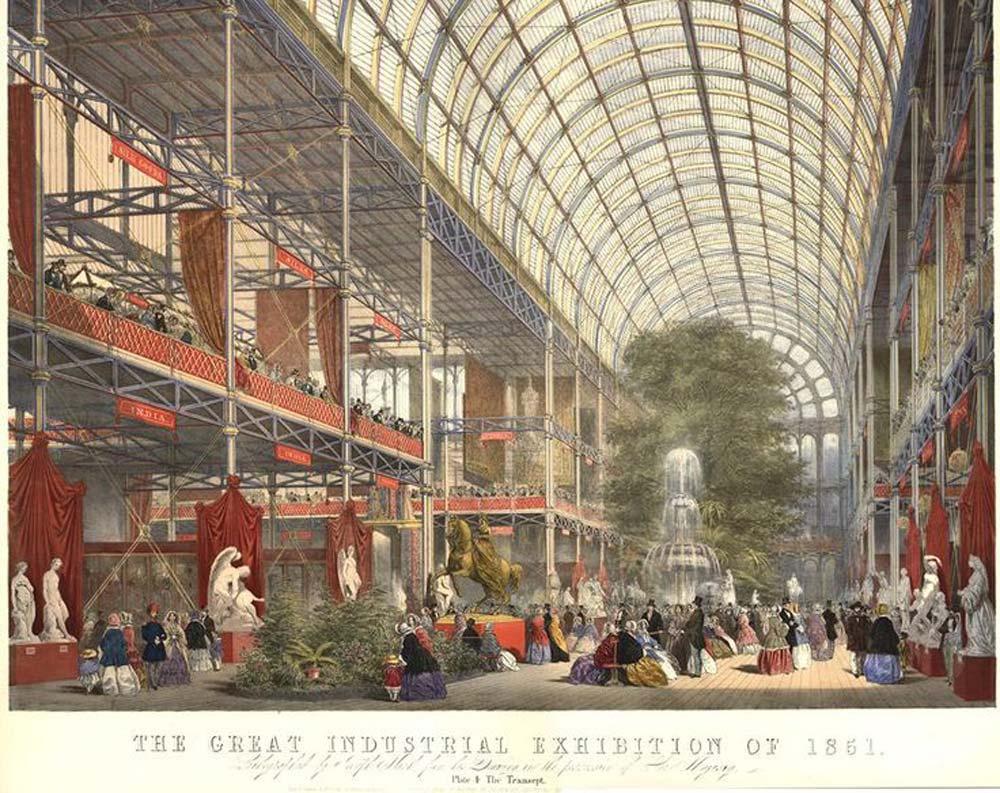
Their wealth today had its foundation on the labour of enslaved peoples and on mineral and agricultural resources which were taken over from the people of the colonised countries by violence, force and rapacious greed. The so-called Great Exhibitions of the 19th century were giant displays of wonders from this pillaging. The movements towards Independence, and the Great Famines and Great Wars of the 20th century resulted in the displacement of millions of people as economic refugees.
Immigration has resulted in a forcible challenging of the concepts of First and Third Worlds. What we see now in the rise of what is euphemistically called Populism in countries like the U.K., the U.S.A and Australia, particularly focusing on calls for a limiting of what is termed mass migration and the fear of being overwhelmed by refugees, is a direct consequence of the historical injustices of the past. Multiculturalism threatens the idea that it is possible to retain control of the colour of a society: not only the skin colour of its citizens, but their political stripes, their religious beliefs, their dominant language, and their core values.
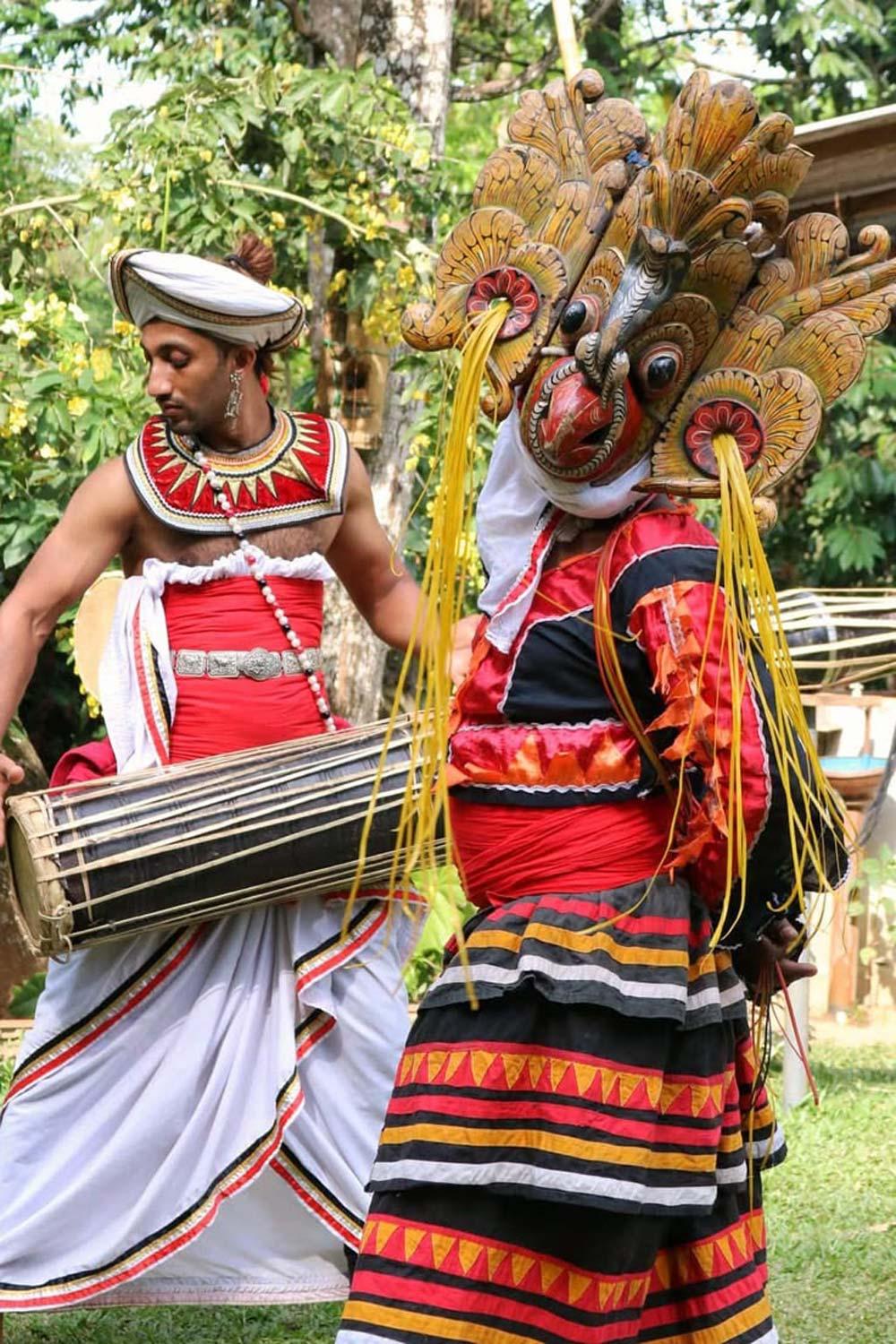 Colonisation was a form of vicious control of others who were different from its perpetrators, and monoculturalism in the name of social harmony is another form of retaining that control. Sri Lanka in this regard is actually shining bright in comparison with far larger and more self-important nations. Despite three ingresses of colonisation, courtesy of the Portuguese, the Dutch and the British, and the colourism and class hierarchies and political tensions that have accompanied these invasions, there is a cohesion and a tolerance and a generosity between communities in this small island that makes it vibrant in its diversity.
Viharas, temples, mosques and churches co-exist, and despite the regular playing of the majoritarian politics during election cycles of the predictable short-term profits that arise from polarizing the minorities, people have lived respecting each other and each other’s beliefs. Peace and reconciliation workers in particular have done a great deal to raise awareness of the need for empathy, for dignity, for valuing of the differences in others. And the younger generation are showing themselves to be more educated and literate about other cultures, and more open to the customs and social traditions of those other than the ones they have experienced in their homes and communities.
We see this in the number of religious festivals the country celebrates each year, and the generosity of people in diverse neighbourhoods inviting those of other faiths to their feasts and celebrations, as welcome guests.
The ‘ghetto mentality’ that people decry in other nations is not seen so much in this country, today. The currency has been repeatedly devalued, and the emigration of professionals from the country in response to the recent economic crisis has been disheartening. But when one looks at the quality of life and real sense of community in Sri Lanka, it seems to be far better than what people are enduring in Britain or the USA. People in the so-called Third World have witnessed the erosion of capitalism, the class division, the rise of brazen elitism, and the socio-economic distress starting to be felt by the voting majority in the First World. Vulnerable classes of people are visibly suffering in countries which call themselves the beacon of democracy.
True sense of community comes from genuine co-existence and co-operation, which requires compassion and humility. Greed and individualism do not activate social harmony. We in Sri Lanka, due to the multiple crises we have experienced, are less polarised, less reactive, more resilient and more focused than many countries. And we are starting to see that there is a vast and growing shift of global power as a result of decolonization. The very vociferous nature of anti-immigration rhetoric and its rise in the West shows the perceived success of so many people who have been able to find and create opportunity amidst dire circumstances and challenging conditions.
But it must be opportunity and access for all. Recently, one of the country’s most renowned schools sought to ban the wearing of head and face coverings for women, preventing mothers collecting their sons from school or participating in parent/teacher meetings. This has led to complaints being made, of discrimination against the Muslim community. After the Easter Attacks in 2019, the rise in anti-Muslim feeling was noticeable, and it was met with campaigns against hate speech in social media, and concerted efforts by activists and community leaders. There are checks and balances.
South Asians as a whole focus on education, and many do their utmost to ensure that they and their families have access to opportunities for not only employment but self-growth: prosperity in every sense. Entitlement and grievance make a noise, but are often all hot air, talk and no action; and quality and calibre will always show themselves in contrast to be valuable cultural assets. Living at a lesser standard in a so called First World country, enduring racist attitudes, distrust, suspicion and micro-aggressions, is often eclipsed completely today by the prospects offered by one’s country of birth.
We can retain the positive aspects of our culture - the warmth, the humanity, the love of social life - in a way that a wholesale pursuit of economic growth has not achieved in the West, where social isolation and loneliness are on the increase.
The classism in this country is in many ways a consequence of colonial imposition but also based on culturally learned bias against race and religion. A truly multicultural society with a majority ethnic group dominating the positions of power will not allocate second tier status to any minority citizen. Through recognition of equal rights and individual merit, through commitment to inclusive policies and active participation, through open mindedness and setting aside of attitudes of inherited entitlement, through citizen education to immunise voters from manipulation, the society can progress and thrive.
The long illustrated and collectively disheartening experience of citizens - that prominent, corrupt and connected individuals are somehow not accountable in the same way that other citizens are - is now being challenged.
Everyday administrative processes such as utilities payments and support for households are actually improving, despite the orchestrated comments from paid nay sayers on social media.
Sri Lanka can, by developing its human resources, making its administrative infrastructures more efficient, developing English as a link language which will act as a bridge to international employment opportunities, making itself a magnet to investors, and expanding its support systems to encourage its citizens, really become resplendent again. I see with joy the national pride expressed whenever talented local athletes, scientists, writers and scholars, beauty queens and artists achieve international recognition. Sri Lankans have great creativity and talent in a number of fields of excellence. Until recently, the fracturing effects of civil war and conflict and the debilitating impact of corruption and abuse of the vulnerable have been endured as if there was no solution or remedy that could be sought.
Social media has shown its ugly side in this country in outbursts of hate speech and splintering discourse over the years. But it can also be a powerful instrument of positivity, if used consciously to illuminate the best of which we are capable. Is there a ‘Second World’? A world which is not colonising and exploitative, and also not embattled and exploited? Not a predator, and not prey? But an empowered global participant? Can we create and inhabit that world? It can be the best of both worlds, and of all possible worlds. We have been described by spokespeople from the ‘First World’ over the years as underdeveloped and developing, but we can all see as their empires have been dismantled and their populations divided that their experiments have not worked out well for them. I suggest that a society which seeks to develop itself wholistically will always succeed. It will take time, but every step will be taken in the direction of prosperity and happiness.