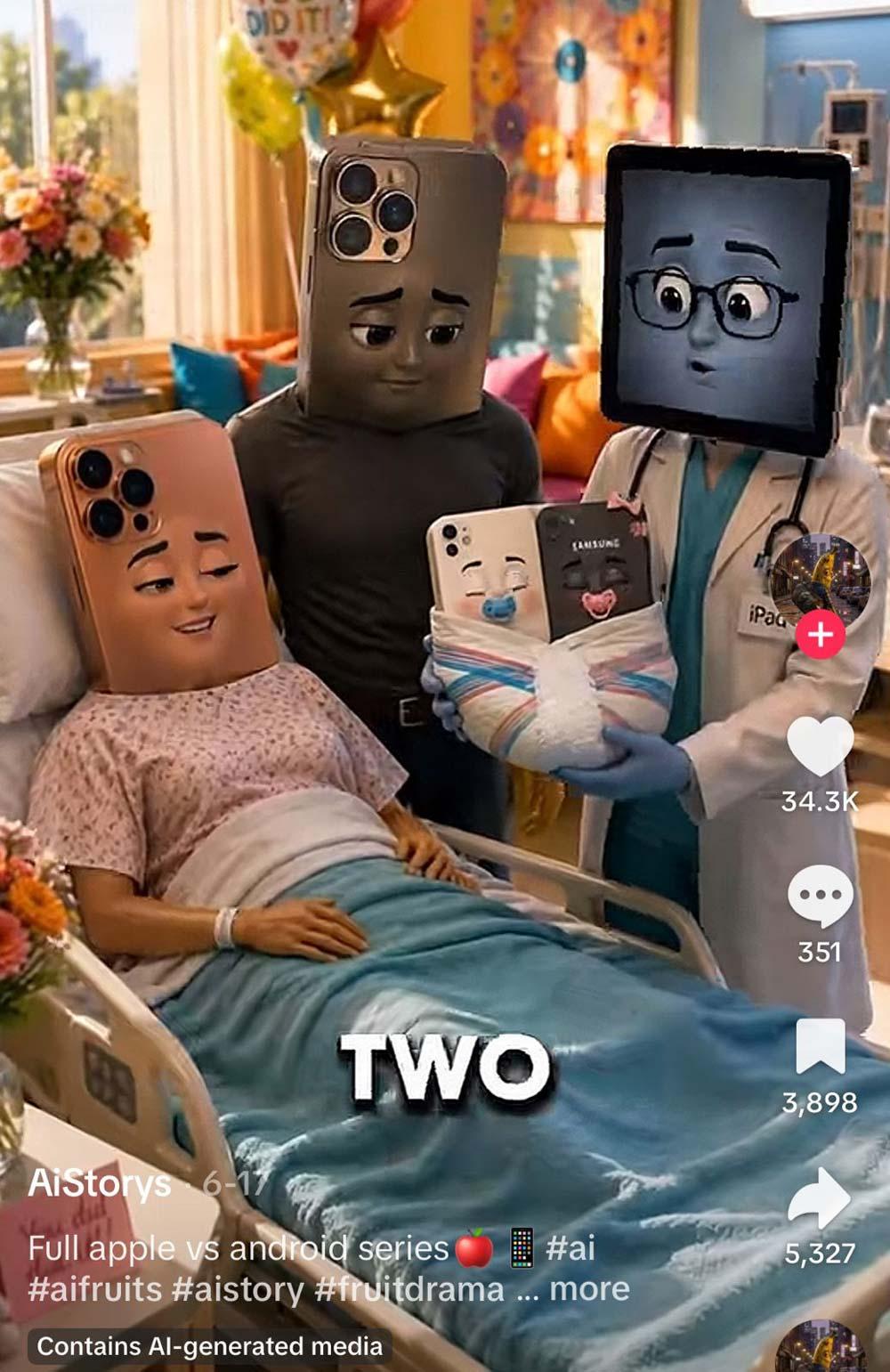
Love & Lies: Fruits Fall In Love and Phones Get Dumped

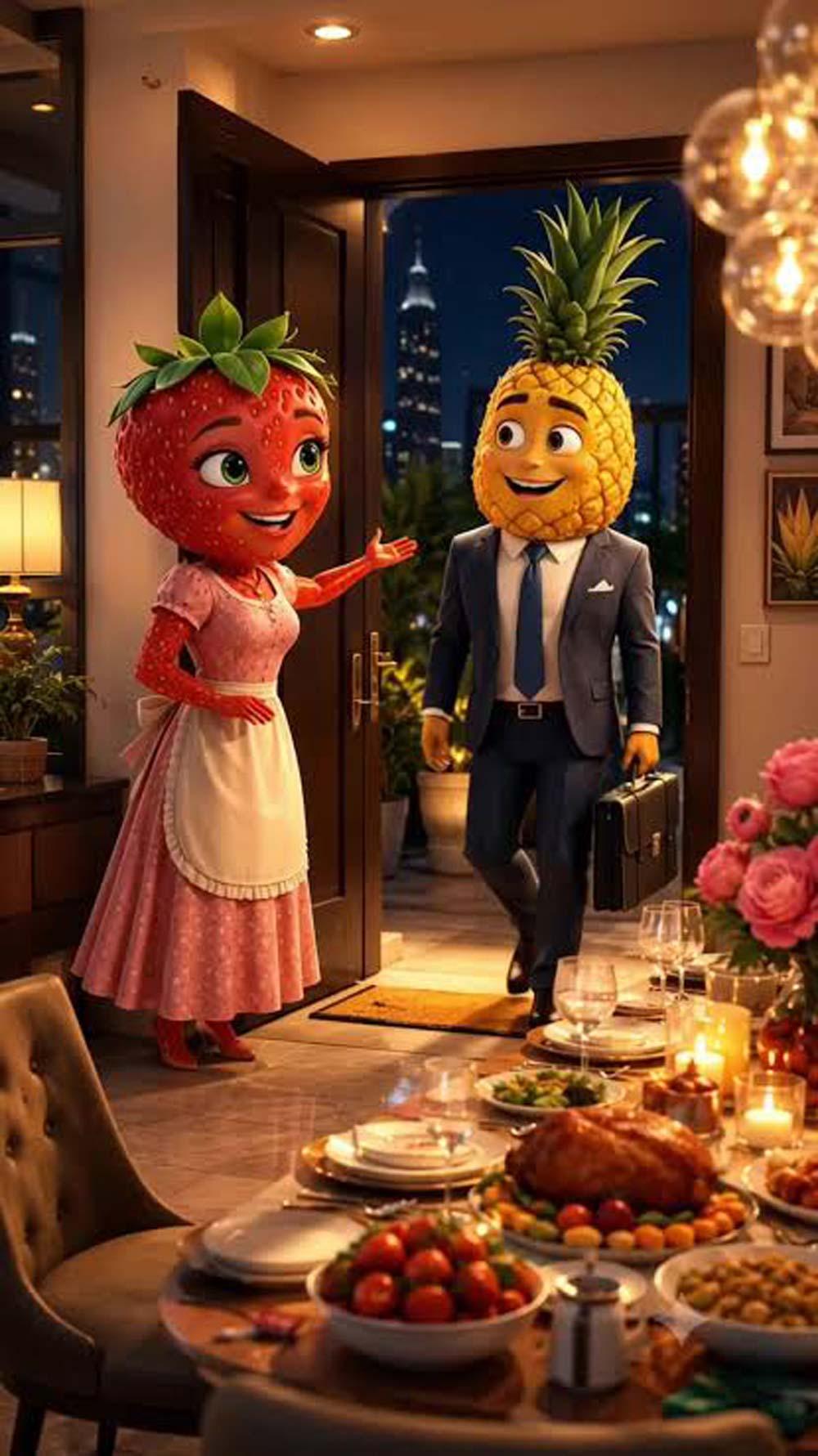
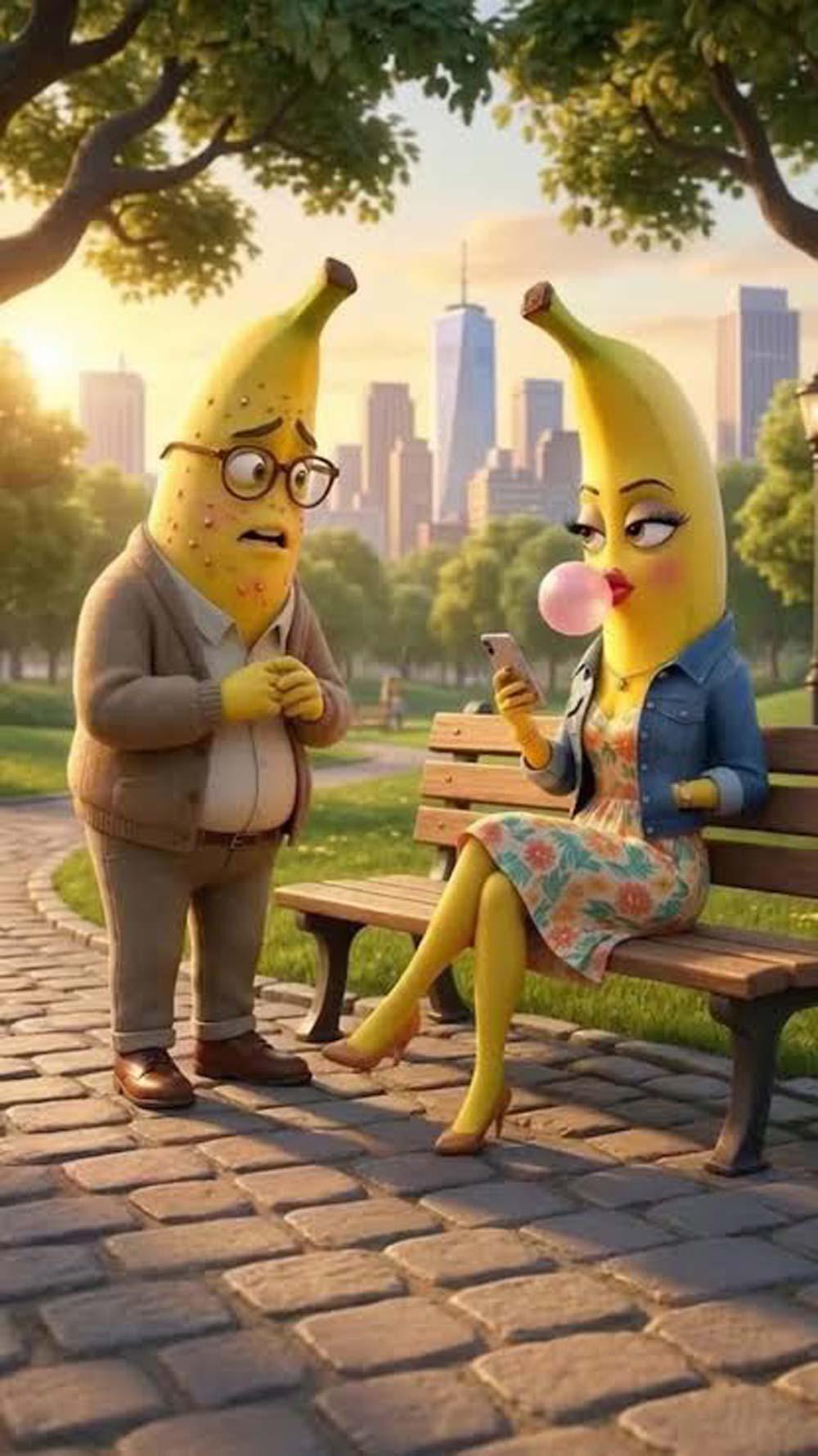
There was a time when the internet went wild over dance trends, makeup transformations, and the occasional oddly satisfying cleaning video. Now, somehow, we are here. Watching hyper-realistic strawberries flirt with protein shakes, luxury cars fall in love with budget earphones, and a mango being “dumped” for a newer, shinier fruit. If you had told anyone this a year ago, they would have laughed it off. Yet today, these AI-generated videos with fruits, food items, and even electronics acting out chaotic relationship dramas are everywhere. And more importantly, people are not just watching. They are hooked.
 At first glance, these videos feel like nonsense. A banana proposing to a blender. A chocolate bar crying over betrayal. A pair of wireless earbuds being labelled “toxic.” The storylines are dramatic, exaggerated, and often completely unhinged. But that is exactly the point. In a digital space that is already saturated with polished content, these clips stand out because they are unpredictable and slightly absurd, maybe sometimes completely absurd. They demand attention in the same way reality TV does. You know it is ridiculous, but you still want to know what happens next.
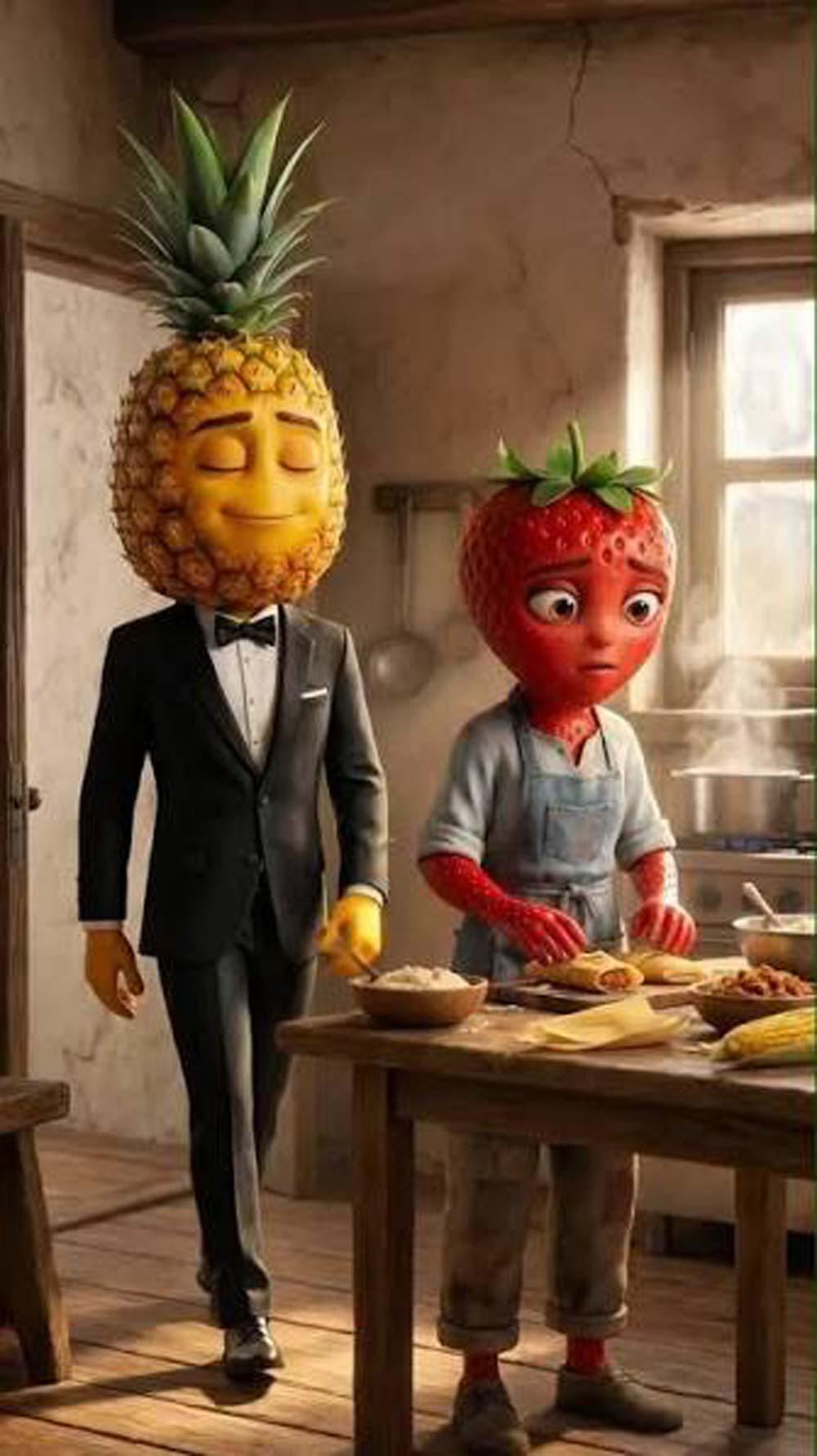
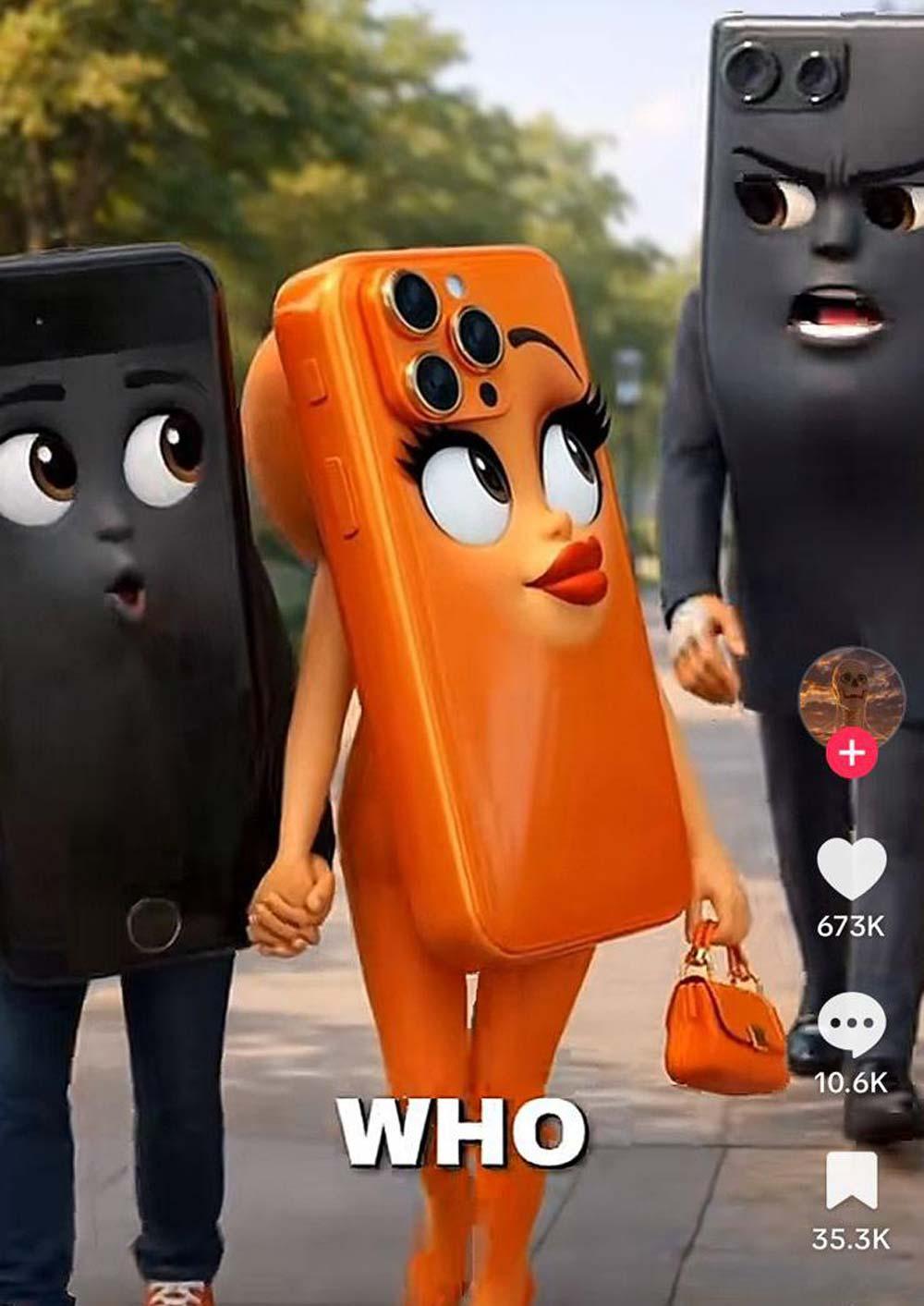
Part of their appeal lies in how easily digestible they are. Most of these videos run under a minute. They jump straight into conflict. There is a clear villain, a victim, and a twist. You do not need context. You do not need emotional investment. You just need a few seconds of curiosity. The algorithm does the rest. Once you watch one, your feed quickly fills up with more. Before you realise it, you are deep in a world where a pineapple has a cheating scandal and a smartphone is being accused of “using” someone for status.
But there is something else at play here. Beneath the humour and randomness, these videos tap into very familiar storytelling patterns. The “rich vs poor” dynamic shows up again and again. A flashy, expensive item swoops in and steals the attention of a simpler, more “loyal” character. A luxury chocolate replaces a homemade dessert. A high-end phone replaces an older model that “stood by” its partner. The messaging is not subtle. It mirrors the same narratives we have seen in old soap operas and outdated films.
And this is where it gets a little uncomfortable. Because while the characters are fruits and gadgets, the underlying themes often reflect a very backward mindset. The male-coded characters tend to be strong, stable, and hardworking. The female-coded ones are frequently portrayed as materialistic, easily swayed by wealth, or disloyal. It is the classic gold digger trope, just dressed up in bright colours and AI animation. A strawberry leaves a banana for a more “expensive” fruit. A sleek new device is portrayed as more desirable purely because of its price tag. It is subtle enough to pass as humour, but repeated enough to reinforce the idea.
What makes this even more interesting is how audiences respond. In the comments, people pick sides. They defend the “loyal” character. They criticise the “gold digger.” They analyse the storyline as if it were a real relationship. It becomes less about the fruit or the gadget and more about projecting human experiences onto them. People relate these clips to their own lives. A breakup. A betrayal. A friend who changed after gaining status. The absurdity fades, and suddenly, it feels oddly personal.
This emotional engagement is exactly why these videos spread so quickly. They are designed to trigger reactions. Whether it is laughter, frustration, or disbelief, they make people feel something within seconds. And when people feel something, they share. They tag their friends. They comment. They argue. The algorithm rewards that interaction, pushing the video to even more users. It becomes a cycle that feeds itself.
AI plays a huge role in making all of this possible. The tools available today allow creators to produce high-quality visuals with minimal effort. You no longer need a production team or advanced editing skills. A simple idea, a few prompts, and you have a fully animated scene. This accessibility has opened the floodgates for creativity, but it has also lowered the barrier for repetitive content. Once a format proves successful, it gets replicated over and over again with slight variations. A different fruit. A different product. The same dramatic arc.
There is also something to be said about the humour itself. It leans heavily on exaggeration and irony. The idea of inanimate objects experiencing heartbreak is funny because it is so far removed from reality. But at the same time, the emotions portrayed are very real. Jealousy. Insecurity. Desire for validation. These are things people deal with every day. Seeing them played out in such a bizarre way creates a strange mix of comedy and relatability.
At the same time, not everyone is on board. There is a growing number of people who find these videos repetitive and even slightly concerning. The constant recycling of the same narratives can feel lazy. More importantly, the subtle reinforcement of outdated stereotypes raises questions about the kind of content we are consuming and normalising. It is easy to dismiss it as “just a joke,” but when the same joke keeps appearing in different forms, it starts to shape perception.
This brings us to a bigger conversation about AI-generated content as a whole. These videos are just one example of how quickly trends can evolve in the digital age. What starts as a quirky idea can turn into a global phenomenon within days. The speed at which content is created and consumed leaves very little room for reflection. We move from one trend to the next without fully understanding the impact of the previous one.
And yet, there is something fascinating about it all. These videos are a reflection of our collective online behaviour. They show what captures our attention, what makes us laugh, and what keeps us scrolling. They highlight our tendency to find meaning even in the most random things. A fruit is never just a fruit. It becomes a character. A story. A symbol of something bigger.
Maybe that is why we keep watching. Not because we genuinely care about the fate of a fictional banana, but because these stories, no matter how absurd, mirror parts of our own lives. They exaggerate our fears, our insecurities, and our biases in a way that is both entertaining and revealing. It is a reminder that even in the most chaotic corners of the internet, there is always a thread of human behaviour running through it.
So the next time you come across a video of a mango being “betrayed” by a banana, take a second to look beyond the surface. Laugh at the absurdity, yes. But also notice the patterns. The familiar tropes. The way people react. Because in the middle of all that randomness, there is a story about us. About what we consume, what we believe, and what we choose to engage with.
Ultimately, these AI-driven mini dramas are more than just a passing trend. They are a snapshot of how digital culture is evolving. Fast, unpredictable, and often a little strange. Whether they fade away or continue to evolve into something new, one thing is clear. The internet has found yet another way to turn the simplest ideas into something that captures millions of eyes. Even if it means turning a fruit salad into a full-blown relationship saga.