The Sri Lankan Obsession With Other People’s Lives

In Sri Lanka, privacy can sometimes feel like a luxury we were never taught to value. There is always someone who wants to know. Where are you going? Who are you going with? Why are you not married yet? How much do you earn? Why did you choose that degree? When are you having children? Why did you leave your job? Why are you wearing that? Why did you come home so late? And perhaps the most powerful question of all: what will people say?
It is almost an unofficial national pastime. We may not know what is happening in our own lives, but somehow, we know exactly what is happening in everyone else's. The neighbour knows that the girl next door has been seeing someone. The aunt knows that someone's son has failed an examination. The colleague knows that the manager's marriage is not going particularly well. A distant relative, whom you have not seen in three years, somehow knows that you are considering changing careers.
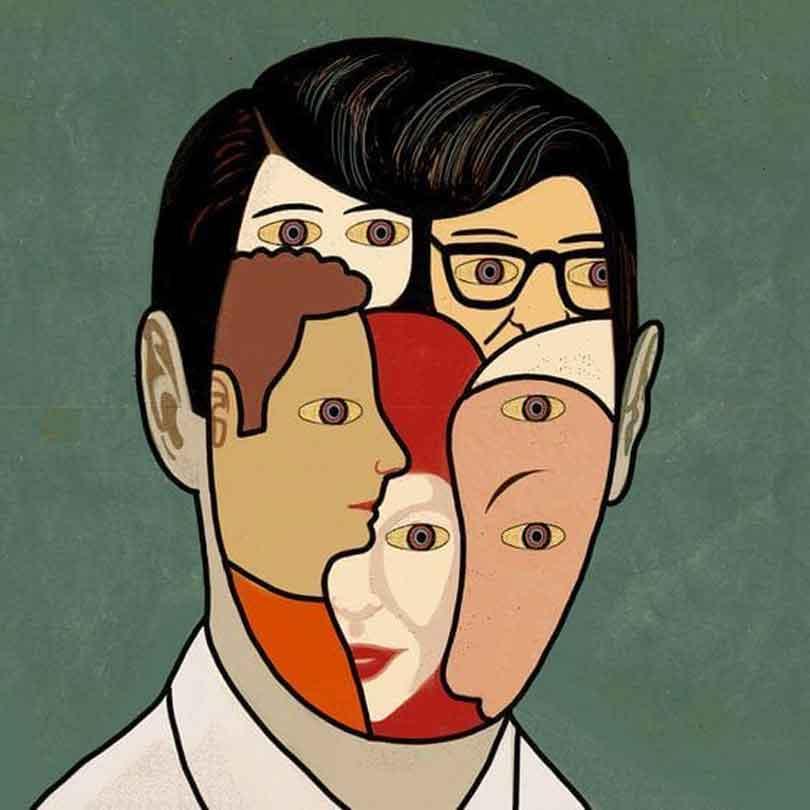
Information travels quickly in Sri Lanka. Sometimes faster than most people would expect. And occasionally, faster than the person involved. There is, of course, something beautiful about the closeness of Sri Lankan society. We have traditionally been a community-oriented people. We check on our neighbours, show up when someone is sick, bring food to a family going through a difficult time and gather together during weddings, funerals and celebrations. Our extended families can be enormous, and our relationships often extend far beyond the people living under the same roof.
But there is a thin line between caring about someone and becoming unnecessarily invested in their life. Somewhere along the way, curiosity became entitlement. We began to believe that because we know someone, we are entitled to know everything about them. Take the seemingly harmless question: “So, when are you getting married?” It is often delivered with a smile. Sometimes it genuinely comes from affection. But for the person hearing it for the tenth time that year, it can feel less like a question and more like an examination.

A woman in her late twenties may hear it at every family gathering. A man in his thirties may be teased about still being single. Someone who is divorced may be asked what went wrong. Someone who has been married for several years without children may be questioned about when the baby is coming. The person asking may forget the conversation five minutes later. The person being asked may spend the rest of the evening wondering what is wrong with their life. The problem is not that Sri Lankans ask questions. Questions are a natural part of human interaction. The problem is that we often treat deeply personal information as though it were public property.
There are questions we ask because we care, and there are questions we ask because we are curious. Unfortunately, the second category often disguises itself as the first. We call it concern. Sometimes it is simply gossip wearing a respectable shirt.
The culture of comparison
Perhaps the most damaging part of our obsession with other people's lives is comparison. Many Sri Lankan children grow up hearing about other children.
- “Look at your cousin. She got three As.”
- “Your neighbour's son is already working abroad.”
- “Her daughter is married.”
- “He bought a car at your age.”
- “She is earning so much.”
It may be intended as motivation, but comparison has a way of turning life into a competition nobody agreed to enter. By adulthood, many people have internalised the belief that their lives are constantly being measured against everyone else's. There is always someone ahead. Someone younger with a better job. Someone with a bigger house. Someone travelling more. Someone getting married. Someone having children. Someone starting a business. Someone posting photographs that make their life look perfect.
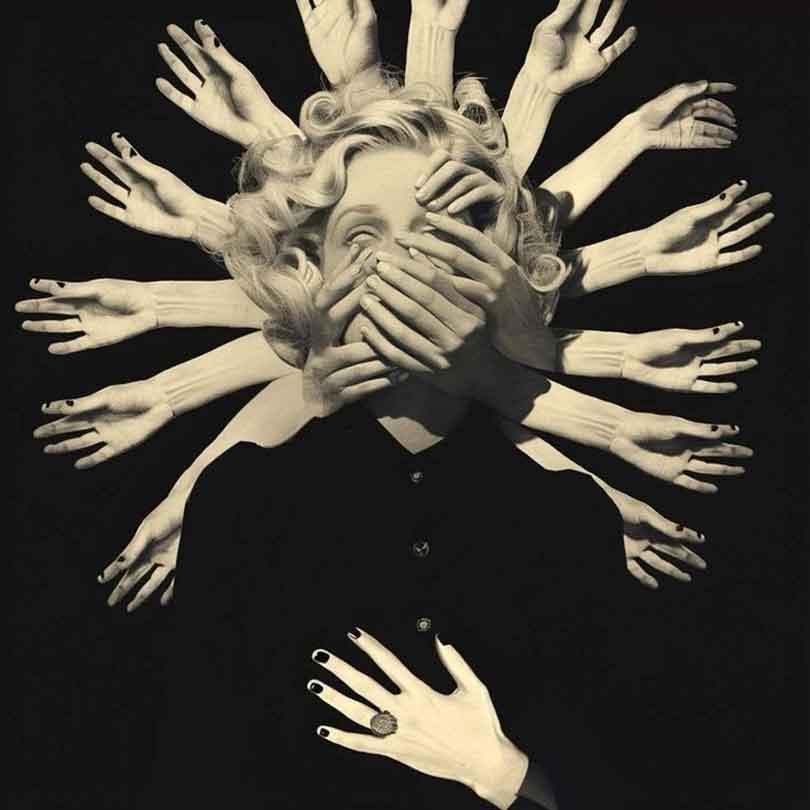
Social media has only made this worse.
We now have a front-row seat to carefully edited versions of other people's lives. A holiday photograph becomes evidence that someone is successful. An engagement announcement becomes proof that someone is “settled”. A promotion becomes a measurement of our own career. A new car becomes a symbol of financial progress. We compare our behind-the-scenes with somebody else's highlight reel and then wonder why we feel inadequate. But the obsession works both ways.

We do not simply compare ourselves with other people. We monitor them. We notice who got married, who broke up, who unfollowed whom, who moved abroad, who bought a new vehicle, who deleted photographs, who gained weight, who lost weight, who is pregnant and who is not. A person's life becomes a story that everyone feels entitled to analyse. And the strangest part is how normal we have made it. This is especially visible when someone makes an unconventional decision. A young person decides not to pursue medicine, engineering or law.
Someone chooses a creative career. Someone leaves a secure job. Someone starts a small business. Someone moves overseas. Someone comes back. Someone decides not to marry. Someone chooses to remain child-free.
Suddenly, everyone has an opinion.
- “Are you sure?”
- “Is that a stable career?”
- “What will your parents think?”
- “Why would you do that?”
- “People will talk.”
But the people talking rarely have to live with the consequences of the decision. That is perhaps the great contradiction of our social culture. We are often extremely concerned about decisions that have absolutely nothing to do with us. We worry about what someone else is earning, whom they are dating, what they are studying and when they are getting married, while forgetting that we will not be there to pay their bills, repair their broken heart or live with the consequences of their choices.

- Why do we care so much?
- It is worth asking why.
- Why are we so interested in the lives of other people?
Part of the answer may lie in our history. Sri Lankan society has long been built around extended families and close communities. Knowing what was happening around you once had a practical purpose. People depended on one another. Neighbours helped raise children, families supported one another and communities functioned through close relationships. But modern life has changed dramatically.
People have more choices. Careers have changed. Young people are exposed to different cultures and ideas. Women have greater access to education and employment. People move between cities and countries. Families are becoming smaller. Technology has transformed how we communicate.
Yet some expectations have remained remarkably unchanged.
We still expect people to follow a similar timeline. Study. Get a respectable job. Get married. Buy a house. Have children. Build a stable life. And preferably, do it all without embarrassing the family. But there is no single correct timeline anymore.

A twenty-five-year-old may be building a business. A thirty-year-old may be starting university. A forty-year-old may be changing careers. Someone may be happily single. Someone else may be rebuilding their life after divorce. Another person may appear to have everything while quietly struggling behind closed doors. Life does not follow a timetable.
Yet we continue to treat it as though it does. And perhaps this is where the phrase “what will people say?” becomes so powerful. It is not really about people. It is about fear. Fear of judgement. Fear of embarrassment. Fear of being different. Fear that someone's choices might make the family look bad. So, we begin making decisions for an audience that may not even be paying attention.
A young person chooses a career because it sounds respectable. Someone stays in an unhappy relationship because they are afraid of gossip. Someone avoids seeking help because they do not want people to know they are struggling. Someone remains in a job they hate because leaving would invite questions. How much of our lives are actually ours when we are constantly imagining what everyone else will think? W
When concern crosses the line
“We are only asking because we care.” It is perhaps the most common defence. And sometimes it is true. But caring does not automatically give us access to someone's private life. You can care about someone without demanding an explanation. You can be concerned without interrogating them. You can be available when someone wants to talk without forcing them to talk because you want to know.
Imagine someone has lost their job. Instead of asking, “Why did you lose it?”, perhaps we could simply say, “If you need anything, I'm here.” Imagine someone has been married for years without children. Instead of asking, “When are you having a baby?”, perhaps we could simply leave the subject alone. Imagine someone is single. Instead of asking why nobody has “taken” them yet, perhaps we could trust that they are capable of managing their own romantic life. These may sound like small changes, but they reflect something much bigger: respect for boundaries. We often assume that being close to someone gives us unlimited access to their personal information.
It does not. Being someone's relative does not mean you are entitled to their financial details. Being someone's friend does not mean you are entitled to know every detail of their relationship. Being someone's colleague does not mean you need to know why they took leave. Being someone's neighbour certainly does not make their personal life your evening entertainment. There is a difference between being part of someone's life and owning a piece of it.
Gossip is not harmless
Gossip is often treated as entertainment. A conversation begins innocently enough. “Did you hear?” Then comes the story. By the time it reaches the third person, facts have become assumptions. By the fifth, assumptions have become certainty. Someone's private life becomes public fiction.
We rarely think about what happens to information once it leaves our mouths. A rumour about someone's relationship can damage trust. A false story about someone's character can affect their reputation. Comments about someone's finances, family problems or personal struggles can cause genuine emotional harm. Yet because gossip is presented as casual conversation, we rarely consider it seriously. Perhaps we should. Before repeating something about another person, we could ask ourselves a very simple question: would I say this if the person were standing beside me? If the answer is no, perhaps it does not need to be said. And perhaps we should become more comfortable with the sentence, “I don't know.” It is a surprisingly powerful sentence.
- “I don't know why they broke up.”
- “I don't know how much they earn.”
- “I don't know when they are getting married.”
- “I don't know why they moved.”
There is no shame in not knowing. Not every unanswered question is an invitation to investigate.
Let people live
There is a strange freedom in realizing that not everyone has to understand your life. Some people will disagree with your choices. Some will misunderstand you. Some will talk. They probably always will. But perhaps we should stop making decisions based on an imaginary audience in our heads. The truth is, most people are far too busy worrying about their own lives to think about ours for as long as we imagine. The aunt who criticized your career may be worrying about her own children. The neighbour who commented on your relationship may have problems of her own. The colleague who judged your decision may be struggling with theirs. Everyone is carrying something. Perhaps that is why we should be a little gentler with one another. Sri Lanka does not need to become a society where people stop caring. We need to become a society where caring does not mean invading.
There is nothing wrong with asking someone how they are. There is something wrong with demanding an answer. There is nothing wrong with celebrating someone's success. There is something wrong with using it to make someone else feel inadequate. There is nothing wrong with being curious. There is something wrong with turning curiosity into entitlement. Maybe the next time we find ourselves asking about someone's marriage, salary, body, relationship, career or family, we should pause for a moment. Do we genuinely need to know? Or do we simply want something to talk about? Because sometimes the most respectful thing we can do for another person's life is to leave it alone.
Perhaps we need to stop treating other people's lives as community property. Perhaps we need to stop measuring our children against their cousins, our neighbours against their friends and ourselves against strangers on the internet. Perhaps we need to stop asking people why their lives do not look like ours. People are allowed to take different roads. They are allowed to arrive late. They are allowed to change direction. They are allowed to fail, begin again, remain single, fall in love, leave, stay, succeed, struggle and figure things out at their own pace. And yes, people are allowed to live lives we do not understand. That should not frighten us. It should remind us that they are theirs. Maybe the next time someone makes a decision we do not understand, instead of asking, “What will people say?”, we should ask something far more important: “Are they happy?”
And if the answer is yes, perhaps that should be enough.