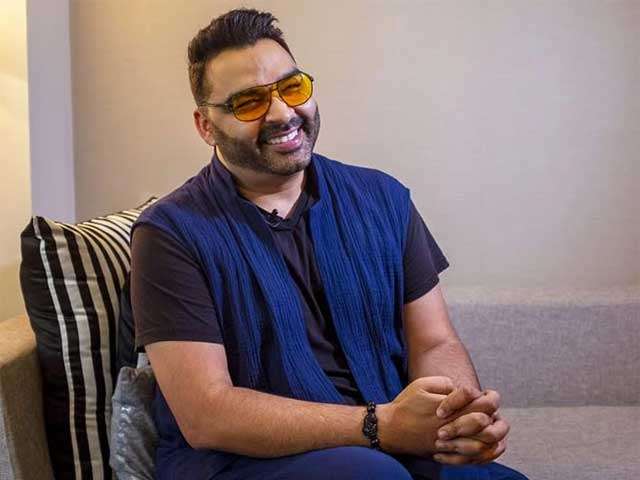
Janik Jayasuriya, Founder and Managing Director of Celeste
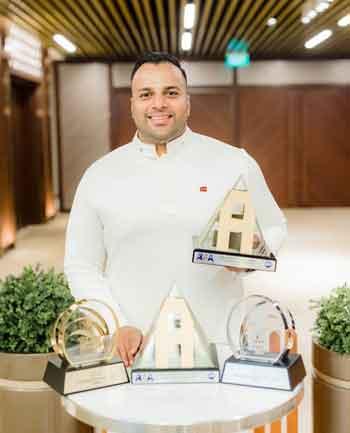 In a world where challenges often become barriers, some individuals choose to transform them into opportunities. Janik Jayasuriya is one such visionary leader who turned one of the most uncertain periods in modern history into the foundation of a thriving business. As the Founder and Managing Director of Celeste, Janik has redefined convenience retail in Sri Lanka through innovation, resilience, and a customer-centric vision. What began during the unprecedented disruptions of the COVID-19 pandemic has evolved into one of the country’s fastest-growing on-demand cloud supermarkets, serving thousands of customers while reshaping the way Sri Lankans access everyday essentials. With a background in hospitality management and a passion for entrepreneurship, Janik’s journey is a testament to the power of adaptability, calculated risk-taking, and unwavering determination. His leadership philosophy combines strategic thinking with people-centered values, inspiring a new generation of entrepreneurs to dream boldly and build fearlessly. Today on Legacy Builders, we are pleased to feature Janik Jayasuriya as he shares the experiences, lessons, and vision that continue to shape his remarkable entrepreneurial journey.
1. Take us back to your childhood, your school and university years. What kind of environment did you grow up in, and what were some of the earliest influences that shaped your character?
I grew up in a family where entrepreneurship was a constant topic of discussion. My father is an entrepreneur, and from a very young age, my siblings and I were exposed to conversations about business, decision-making, and leadership. Dinner table discussions often revolved around challenges, opportunities, and the reasoning behind important business decisions. Those conversations played a significant role in shaping how I think today. Entrepreneurship was never presented as something extraordinary in our household, it was simply part of life. Watching my father build businesses and hearing stories about previous generations instilled in us the belief that creating something of our own was always possible. I attended school in Sri Lanka, where rugby became a major part of my life. The sport taught me discipline, resilience, teamwork, and leadership. Later, I pursued Hospitality Management in Switzerland. Studying abroad exposed me to different cultures, ways of thinking, and professional standards. It was also a period that taught me responsibility and independence, especially knowing the sacrifices my parents made to support my education. Those experiences especially my family, sports, and international exposure collectively laid the foundation for who I am today.
2. Before becoming an entrepreneur, you built a career in hospitality. What drew you to that industry, and what were the most valuable lessons you learned from it?
Initially, I was fascinated by the idea of hospitality because it combined travel, people, and experiences. I wanted a career that allowed me to see the world while interacting with diverse individuals and cultures.
Working in hospitality taught me lessons that continue to influence how I run businesses today. The biggest lesson was the importance of customer experience. In hospitality, every interaction matters. A customer’s perception of your service can be shaped by even the smallest details. I also learned that leadership is fundamentally about serving people. During my internships and professional experiences abroad, I witnessed senior executives and managers actively serving employees during company events. That level of humility and teamwork left a lasting impression on me. Hospitality taught me that businesses succeed when they genuinely care about people, and that philosophy continues to guide Celeste today.
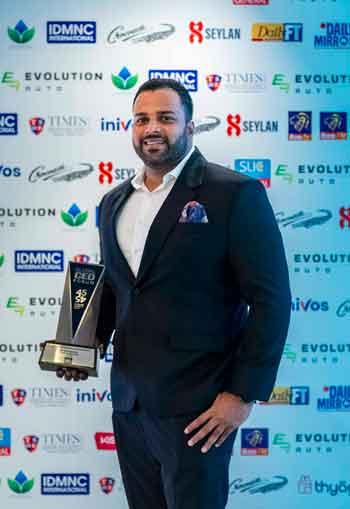
3. What was the turning point that led you to create Celeste?
After returning to Sri Lanka from university, I spent several years working within my family’s businesses. While it was a valuable learning experience, I eventually realized that I wanted to build something of my own. I started a small hospitality management company managing villas and holiday properties. It was modest, but it gave me my first taste of entrepreneurship and the responsibility that comes with building a business from scratch. The real turning point came during the COVID-19 pandemic. During lockdown, many people struggled to access basic essentials. At the same time, I had a team and resources that could potentially help address that problem. What began as a social initiative to support communities by delivering fresh produce and essentials quickly revealed a much larger need. Customers appreciated the convenience and reliability, and demand continued to grow. That’s when I realized there was an opportunity to create something bigger than a temporary solution. That idea eventually evolved into Celeste.
4. Celeste was born during one of the most challenging periods in recent history. What gave you the confidence to launch a business amidst such uncertainty?
To be honest, confidence wasn’t the driving factor at the beginning. The initial objective wasn’t to build a large business, it was to help people during a difficult time. The pandemic created a situation where many families struggled to access basic necessities, and we wanted to be part of the solution. Because our focus was on serving people rather than building a company, we weren’t overthinking the risks. We simply identified a problem and worked tirelessly to solve it. As demand increased, we realized that what we had created could become a sustainable business. The confidence came later, once we saw customers repeatedly choosing our service and trusting us. Sometimes the best opportunities emerge when your focus is on solving real problems rather than chasing business success.
5. Looking back, was there a moment when you felt that Celeste had truly become something much bigger than an idea?
There wasn’t one specific moment. It happened gradually. When I think back to the early days, we were packing orders in a small space and delivering essentials ourselves. Today, we serve tens of thousands of active customers and impact hundreds of thousands of lives through the convenience and services we provide. One of the most rewarding realizations is seeing how many people depend on us. If we stopped operating tomorrow, there would be customers whose daily routines would genuinely be affected.
That level of impact is something I never imagined when we first started. Looking back at where we began compared to where we are today gives me an immense sense of gratitude and responsibility.
6. How would you describe your leadership style, and how has it evolved over the years?
My leadership style is heavily influenced by both sports and hospitality. Rugby taught me the importance of teamwork, accountability, and leading by example. I was Vice Captain in school, captain in club and university and a player in the national team, I learned that leadership isn’t about authority, it’s about earning trust and inspiring others. Hospitality reinforced those lessons. I saw firsthand how effective leaders serve their teams rather than simply manage them. Today, I believe leadership means creating an environment where people can grow personally and professionally. I want every team member to improve their skills, build confidence, and progress in life. I also strongly believe in leading from the front. I would never ask someone to do something that I wouldn’t do myself. Success is never an individual achievement; it’s always the result of collective effort.
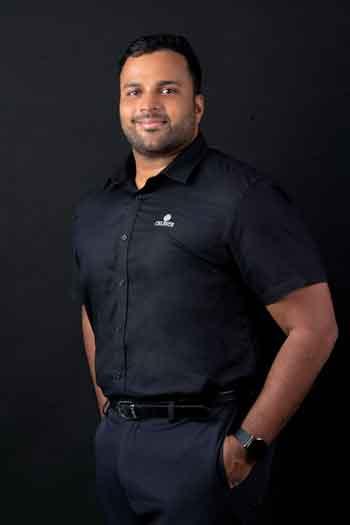 7. What does a typical day in the life of Janik Jayasuriya look like?
I usually start my day early. Fitness is an important part of my routine, so I begin with a workout session before heading to the office. Most of my day is structured around meetings, strategy discussions, operational reviews, and supporting different teams across the business. I try to keep around 80–90% of my schedule focused on business priorities while leaving some space for mentorship, new ideas, and opportunities that arise unexpectedly. Evenings often involve networking events, business engagements, or catching up with people in the entrepreneurial ecosystem. I try to maintain Sundays for family, church, and personal time. Entrepreneurship can be demanding, so creating space to recharge and reconnect with the people who matter most is important.
8. What advice would you give to young entrepreneurs who have ambitious ideas but are afraid to take the first step?
The first thing is to make sure you’re becoming an entrepreneur for the right reasons. Many people are attracted by the perceived freedom, success, or lifestyle that entrepreneurship can bring. What they don’t see are the sacrifices, risks, and responsibilities behind it. Once you’ve accepted those realities, focus on solving a genuine problem. The best businesses aren’t built around trends, they’re built around needs. Most importantly don’t let fear stop you from starting. The biggest obstacle for many aspiring entrepreneurs is hesitation. Failure isn’t the worst outcome. In fact failure often provides the lessons that eventually lead to success. Start small if you have to. Learn continuously. Adapt when necessary. But above all, take action. The only guaranteed failure is never starting at all.
9. Beyond business success, what kind of legacy do you hope to leave behind for future generations?
For me, legacy is about impact. Through Celeste, I hope to be remembered as someone who transformed the way Sri Lankans shop and access everyday essentials. We played a role in accelerating the adoption of quick commerce and convenience-driven retail, and that’s something I take great pride in. However, beyond business achievements, I want my legacy to be about inspiring others. I want young people to understand that they don’t have to leave Sri Lanka to achieve meaningful success. There are incredible opportunities to innovate, create value, and build world-class businesses right here at home. If my journey encourages someone to take that first step, believe in their idea, and pursue their ambitions with confidence, that would be one of the most meaningful legacies I could leave behind.