Threads of Learning Returns: When a School Exhibition Becomes an Adventure in Thinking
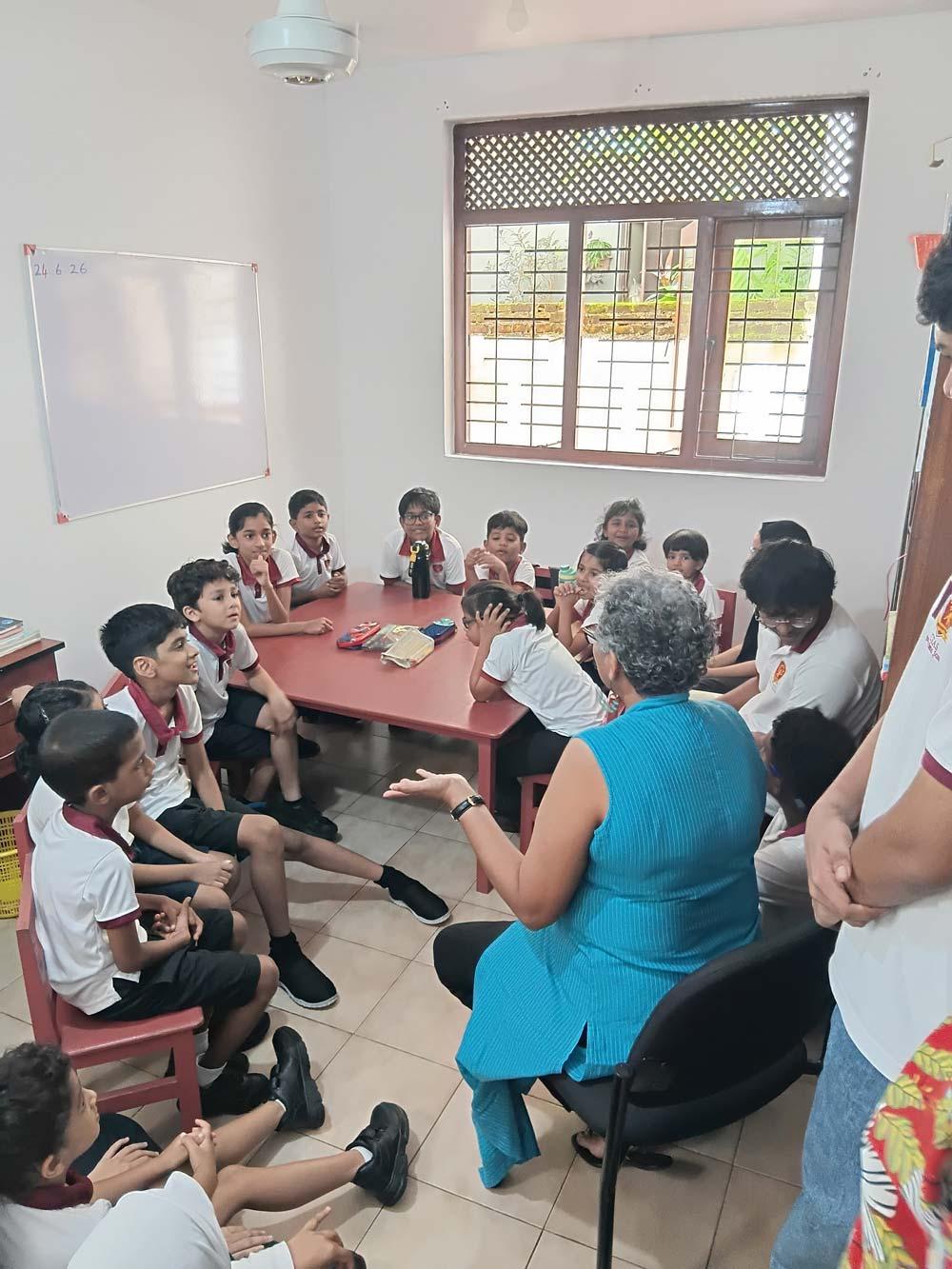
There is something quietly magical about watching a child explain an idea they have truly made their own. Not one memorized for an examination. Not one rehearsed for a classroom assessment. But an idea they have explored, questioned, connected and transformed into something uniquely theirs. It is in moments like these that education reveals its true purpose, not as the accumulation of facts, but as the awakening of curiosity.
On Saturday, 2 August, the Colombo School of Arts and Sciences (CSAS) will once again open its doors to the public for the second edition of ‘Threads of Learning’, its annual primary exhibition. Beginning at 4.00 p.m. at the school's Temple Road premises in Nawala, the exhibition promises to be much more than a display of children's work. It is an invitation to step inside the minds of young learners and experience education as an interconnected journey rather than a collection of isolated subjects.
The exhibition has become an annual celebration of thematic learning, the educational philosophy that lies at the heart of the school's primary curriculum. Rather than teaching knowledge in neatly separated compartments, thematic learning encourages children to recognise the relationships that exist between ideas. Science converses with history. Art complements mathematics. Literature enriches geography. Every subject becomes another thread woven into a larger tapestry of understanding.
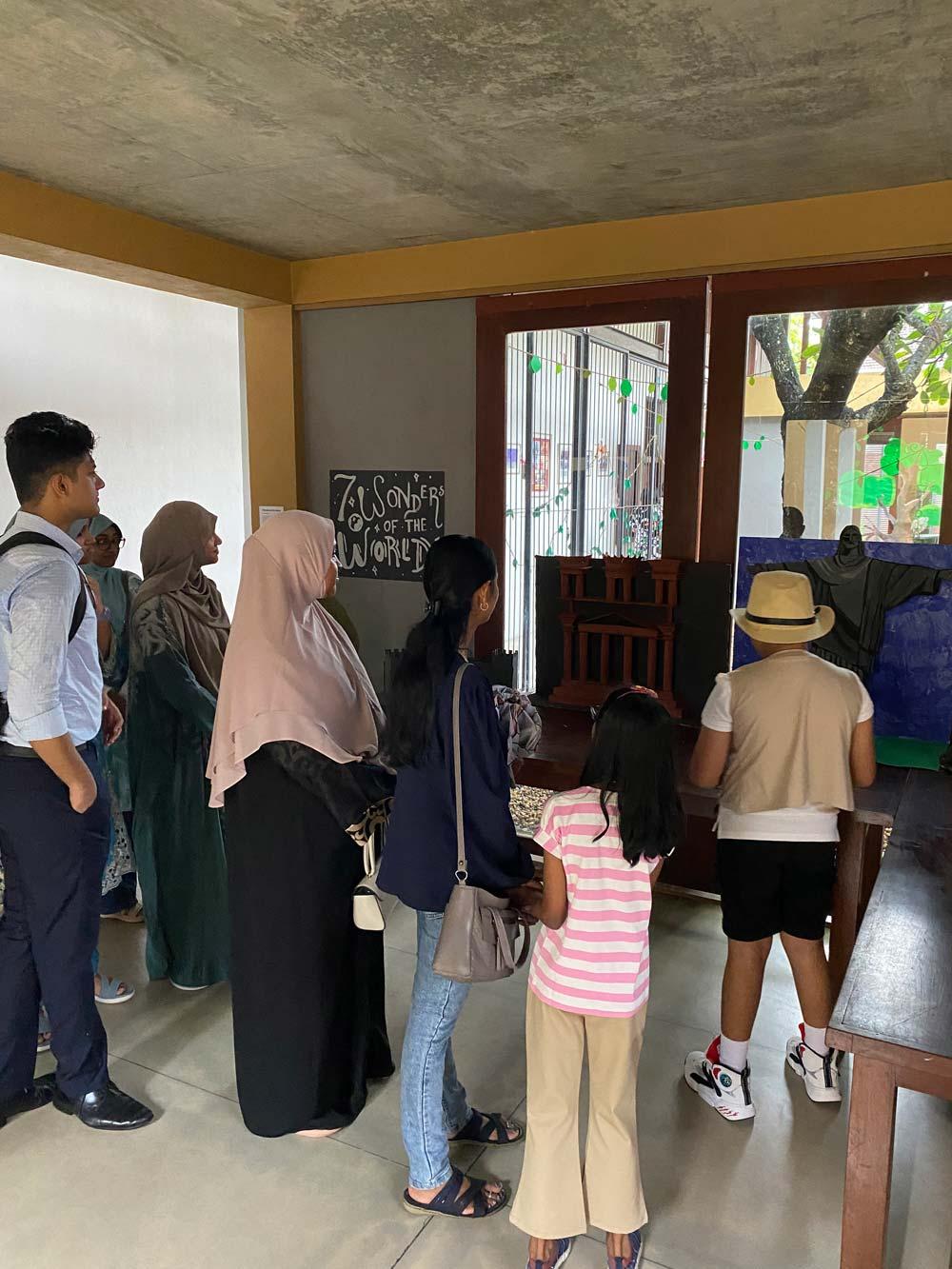
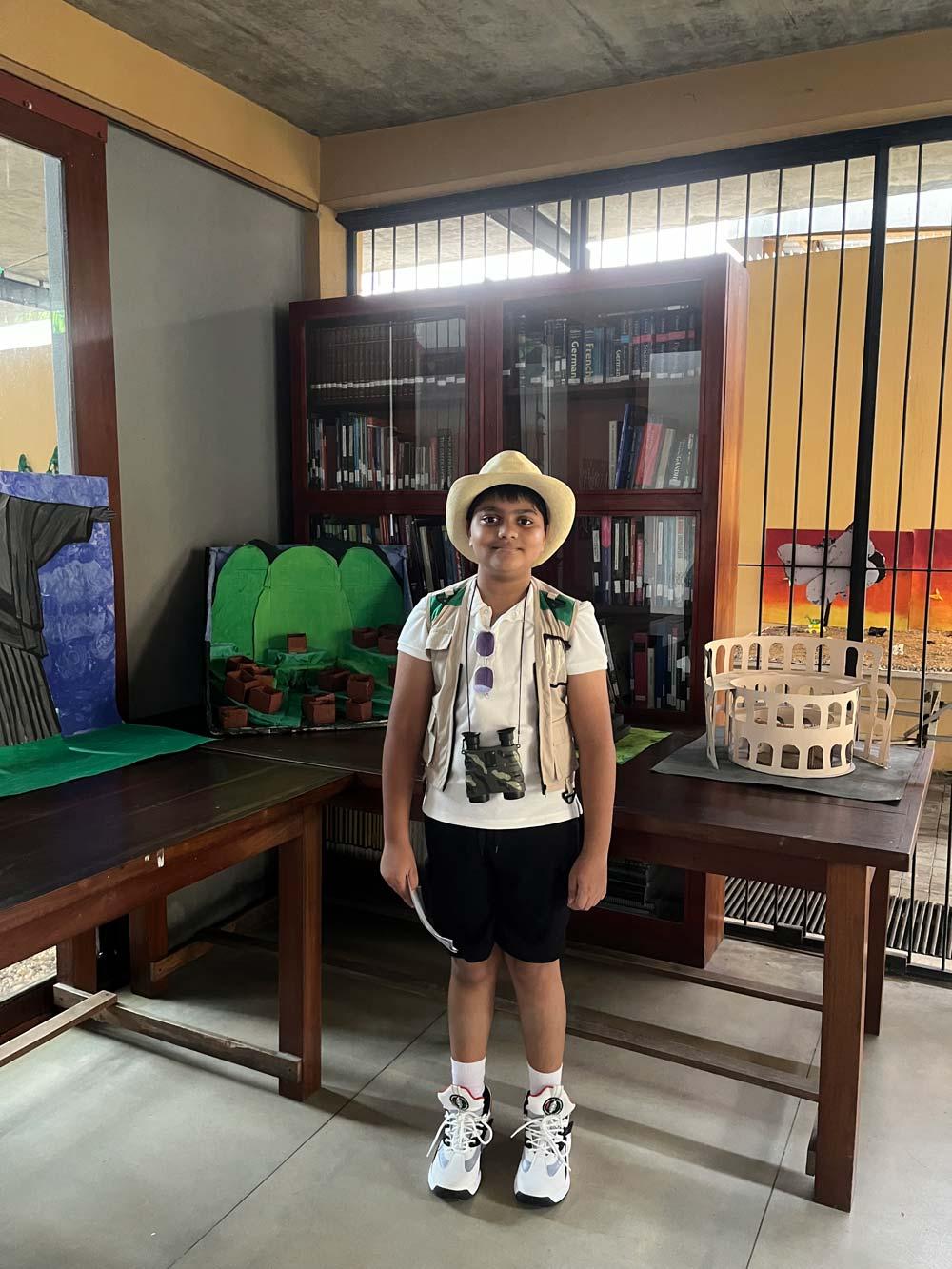
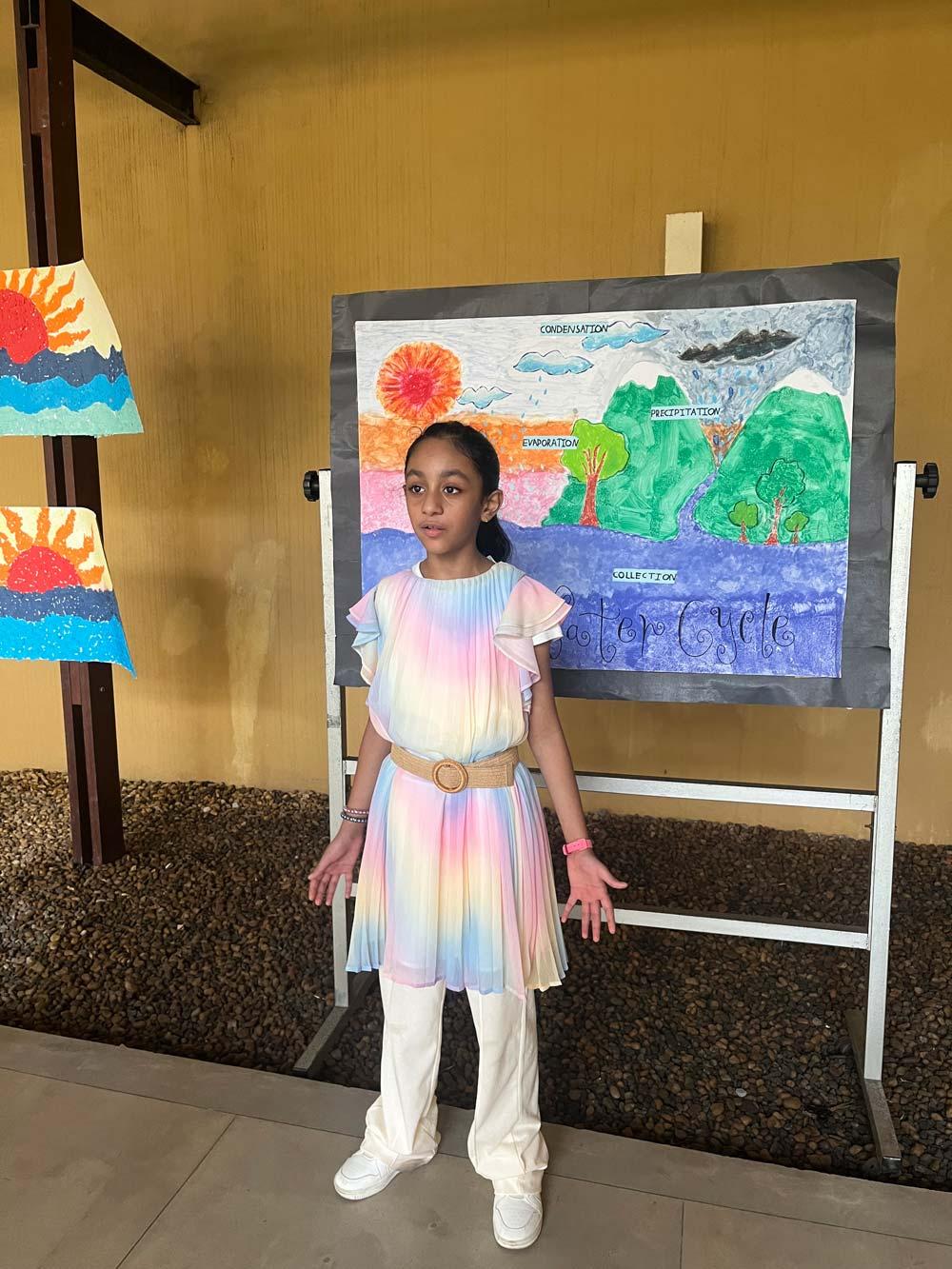
Last year's exhibition demonstrated precisely how powerful that approach can be. Built around the themes of water, landmarks, machines and animals, visitors found themselves wandering through what felt less like a school exhibition and more like an interactive museum. Bridges stood alongside discussions on engineering and sustainability. The solar system shared space with the wonders of the world. Visitors travelled through the evolution of transport and communication while exploring ecosystems and environmental conservation. Adults found themselves enthusiastically participating in quizzes, testing their own knowledge through fun fact games and listening to case studies on environmental protection. The experience concluded with a delightful surprise: a miniature art exhibition featuring canvases created by the students themselves, each interpreting the year's themes through colour, imagination and creativity.
Perhaps the most telling endorsement of the exhibition came not from an educator but from a parent. Reflecting on the inclusion of work by the school's senior students, one remarked, "It was good to see the senior students' presentations as it gave me an idea of how I can expect my child to develop." It was a simple observation, yet one that captured an important truth. Education is not merely about where a child is today. It is about glimpsing the journey ahead.
That philosophy continues this year. Once again, while the exhibition celebrates the achievements of the primary students, it will also feature contributions from the school's senior students, who will present their own interpretations of the same themes. Their involvement illustrates the progression of learning across the years, demonstrating how curiosity matures into analysis, creativity into innovation and simple questions into sophisticated inquiry. For younger students, it offers inspiration. For parents, it offers reassurance that meaningful learning leaves a visible trail.
This year's themes are food, sound and colour. At first glance they may appear unrelated. Yet, like all worthwhile questions, the real fascination lies beneath the surface. How does sound influence taste? Why do colours shape our appetite? How does psychology affect the food choices we make? How do vibrations become music? How do light and shadow alter our perception of the world? Visitors should not expect straightforward answers. Instead, they should prepare to embark upon a journey of discovery, following unexpected connections that reveal how deeply intertwined our everyday experiences truly are.
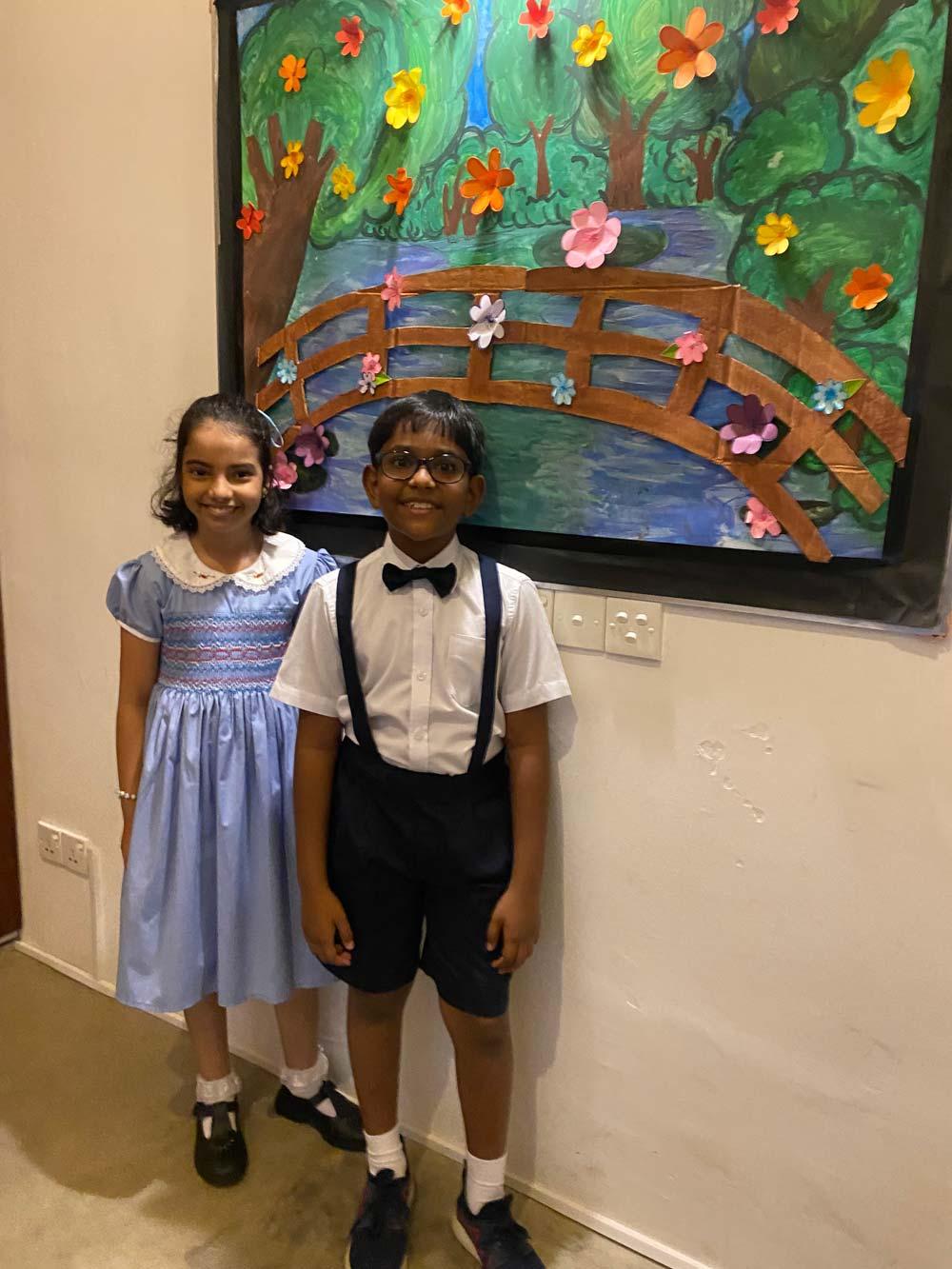
If last year's exhibition resembled a museum, this year's promises something altogether different. Imagine the warmth and nostalgia of a vintage summer fête. Expect bunting fluttering overhead, music drifting through the grounds, food stalls tempting every visitor and an atmosphere that encourages lingering rather than simply passing through. It will be a celebration as much as an exhibition, creating an environment where learning feels joyful, communal and alive.
Beyond the festive atmosphere lies an impressive range of experiences waiting to be explored. Visitors will be invited into a sound laboratory where they can experiment with the science of hearing, wander through displays examining the psychology of food, chase shadows as they investigate light and perception, enjoy student presentations and conclude their journey with an immersive projection experience designed to bring together the exhibition's central themes in a memorable finale.
The exhibition also serves as a gentle reminder that creativity is not confined to the arts, nor is science restricted to laboratories. The most meaningful learning often happens where disciplines overlap. A painting can explain biology. A piece of music can illuminate mathematics. A meal can become the starting point for discussions on chemistry, culture, economics and psychology. The world itself has never been divided into subjects; only classrooms have.
Chief Guest for this year's event will be Ms. Zahara Ansary, Country Head - Sri Lanka and The Maldives at Cambridge University Press and Assessment, whose presence reflects the growing recognition of educational approaches that encourage inquiry, creativity and deeper understanding.
In an age where education is too often reduced to grades, examinations and rankings, ‘Threads of Learning’ offers something refreshingly different. It reminds us that schools should not merely produce students who can answer questions, but young people who know how to ask them. And perhaps that is the greatest exhibition of all - not what hangs on the walls, but what continues to grow inside every child long after they leave them.