What The Devil Wears Prada Still Gets Right About Power in Fashion
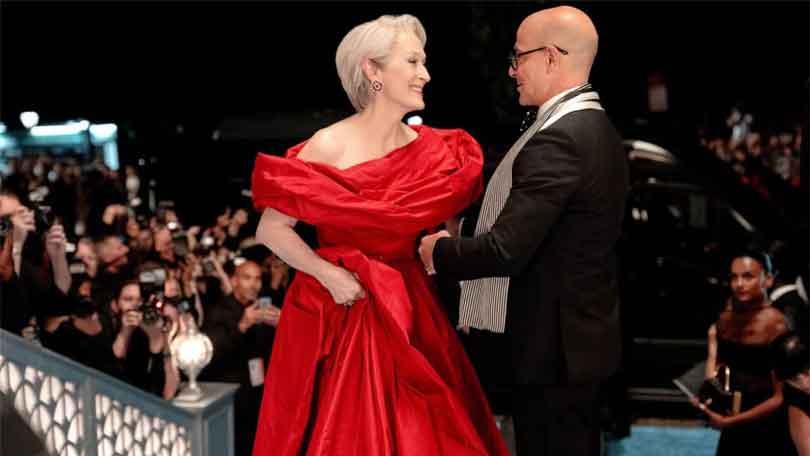
The Devil Wears Prada is one of those movies that somehow became bigger than the plot itself. Even people who have never stepped inside a fashion magazine office can recognise a cerulean sweater monologue, a terrifyingly calm “that’s all,” or the emotional devastation of being told florals are groundbreaking for spring. Nearly twenty years later, Miranda Priestly still exists as a cultural shorthand for fashion authority - the woman who can apparently destroy your self-esteem, career, and outfit with a single look.
Nearly two decades later, people still quote her like she’s a real editor instead of a fictional character with an alarming collection of coats. And with The Devil Wears Prada 2, the conversations around the film have come back instantly - from debates over whether Andy was actually the villain, to renewed sympathy for Emily, to the realisation that half the current fashion interns were probably born after the original came out.
Because for all its iconic fashion moments, The Devil Wears Prada has always felt weirdly close to reality. Or at least close enough that an entire generation grew up thinking fashion magazines were run by terrifyingly stylish women who could identify last season’s skirt from fifty feet away.
Who Has The Power
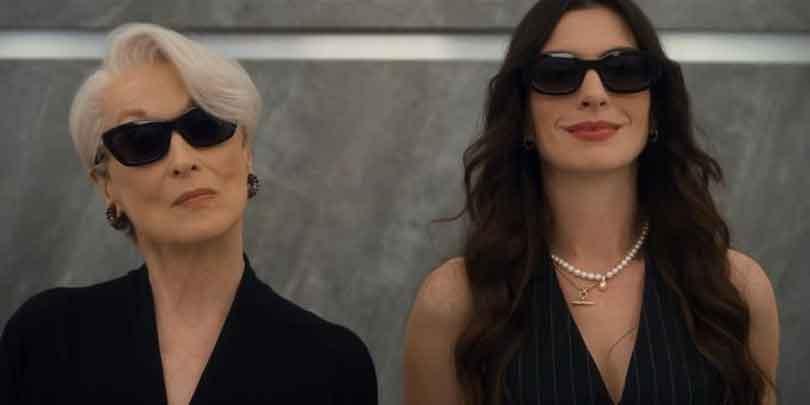
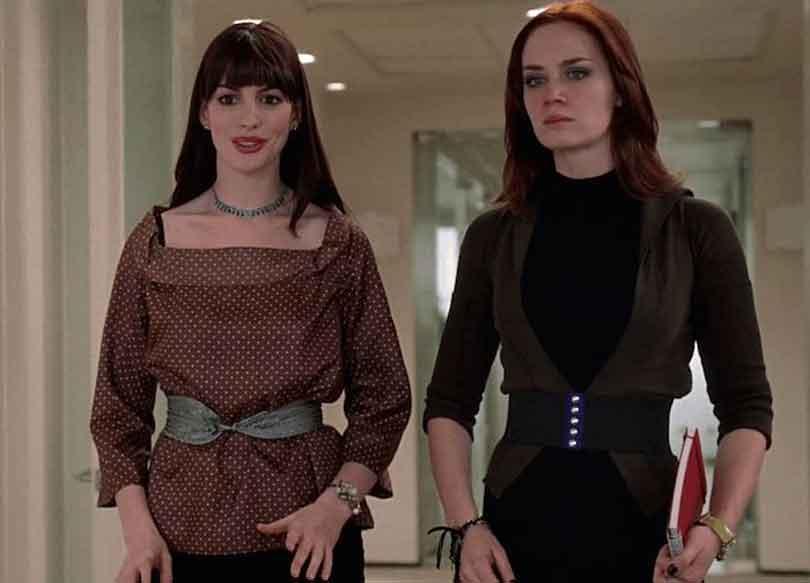
The first thing you notice about Miranda Priestly in The Devil Wears Prada isn’t what she says - it’s how everyone reacts before she even enters the room. The sudden panic. The energy shift. “Gird your loins,” Nigel warns, and the Runway staff moves like they’re bracing for impact.
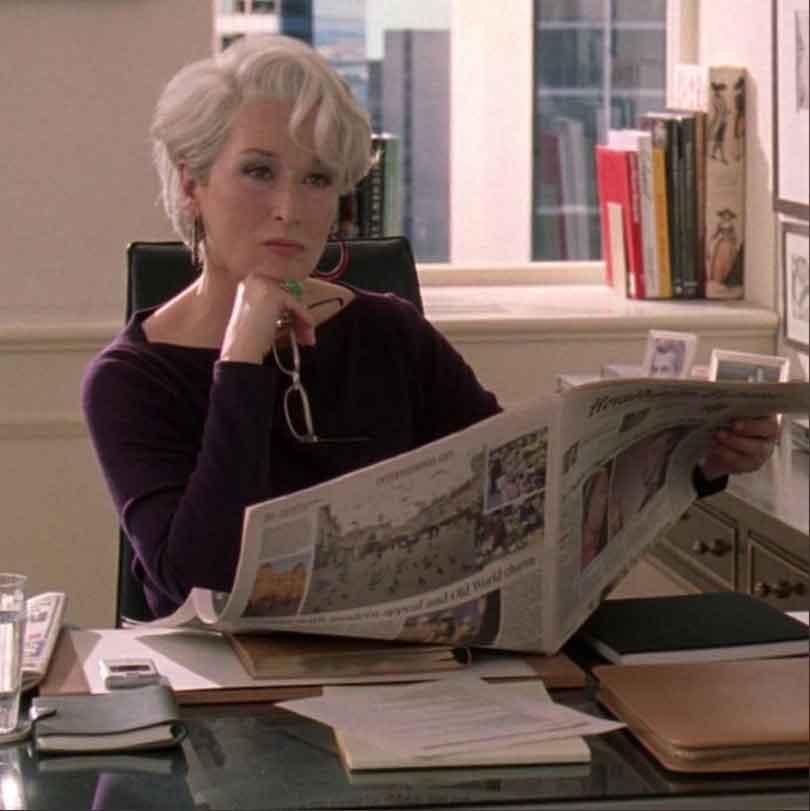
When Miranda enters, it’s not dramatic. It’s worse than that - it’s normal. A coat gets taken, a look gets thrown, and everything adjusts around her without her needing to say much. She’s a demanding editor who expects perfection as standard. She doesn’t really have to learn names, and she doesn’t act as she should.
Her power sits in control and precision, but more than that, in how unquestioned it is. She holds the reins of judgment in the fashion industry, where taste isn’t just opinion - it’s hierarchy. That’s why she’s so often linked to Anna Wintour. Miranda is the fictional version of that kind of authority, just turned up and made more extreme.
In The Devil Wears Prada 2, that certainty doesn’t disappear, but it does start to look less stable. Miranda is still Miranda, but the system around her doesn’t respond to her in the same automatic way anymore. Authority doesn’t land as cleanly as it used to.
And that already changes what she represents.
What It Costs
If Miranda represents where power sits, Andrea Sachs shows what it feels like to be inside it.
In The Devil Wears Prada, Andy starts off insisting she doesn’t belong in fashion and is only there temporarily. But the assistant role quickly becomes where the system actually runs.
Emily’s line - “a million girls would kill for this job” - captures the pressure. It’s not just ambition, it’s replaceability. No matter how intense it gets, there’s always someone ready to take your place.
Andy is constantly under the critical gaze of her colleagues, who dissect her appearance and clothing. That scrutiny reflects an industry built on conformity, where even how you look becomes proof of whether you belong. Over time, Andy starts adjusting her image, and Miranda only really starts to take her more seriously once she shows up in designer pieces like Chanel, which says a lot about how surface-level acceptance can be.
Even the tasks are often absurd: collecting 10–15 Calvin Klein skirts with no real direction, arranging food orders that get changed or thrown away, or chasing down an unpublished manuscript of the first Harry Potter book. Nothing is properly explained, but everything is urgent.
There’s also Emily being restricted to a small cube of cheese during Fashion Week - a moment that quietly shows how extreme the pressure to maintain image and control can get.
In that world, nothing is neutral. Everything is being judged.
Where It’s Going
Runway still exists, but in The Devil Wears Prada 2, it doesn’t sit at the centre of fashion like it used to. The industry has moved into a more digital space, where magazines aren’t the main authority anymore, just one of many platforms.
Print has also lost a lot of its weight. Fashion journalism is less about long, edited features and more about quick, digital-first content made to get attention. Virality and reach often matter more than depth or curation. Along with that comes a cultural shift in how fashion is consumed. It’s no longer something that builds slowly through editorial direction, but something people engage with instantly through feeds, trends, and platforms.
On top of that, AI, automation, and business thinking now play a bigger role in decisions that used to be purely editorial, treating magazines more like something to optimise than a cultural institution. Even roles like Miranda’s are no longer fully protected if they don’t fit the logic of efficiency.
Newer generations also bring different expectations around work, hierarchy, and behaviour, with HR systems and boundaries now more present in workplaces. Even authority feels more regulated - Miranda can’t just casually toss her coat anymore; she has to hang it up like everyone else.
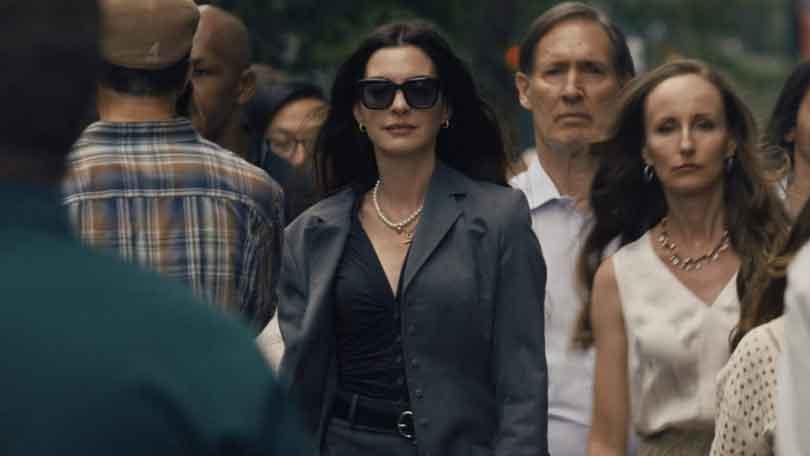
Altogether, these shifts change what Runway represents. Prestige is still there, but it now competes with speed, efficiency, and relevance - and even Miranda Priestly is no longer fully outside the system, but working within it.
Still Brutal - Just in Different Ways
What The Devil Wears Prada ultimately shows - and what The Devil Wears Prada 2 repositions - is that the fashion industry has always been difficult to enter, especially from the outside. It can be demanding, fast, and at times unforgiving, whether you’re an assistant trying to survive or a magazine trying to stay relevant.
It’s still hard - but maybe not always as brutal as a Miranda Priestly moment makes it feel, or the impact of a single cold, dismissive one-liner from her that says everything without needing to say much at all.