Perceptively Passionate: Annika Fernando, Interior Designer and Design Retailer
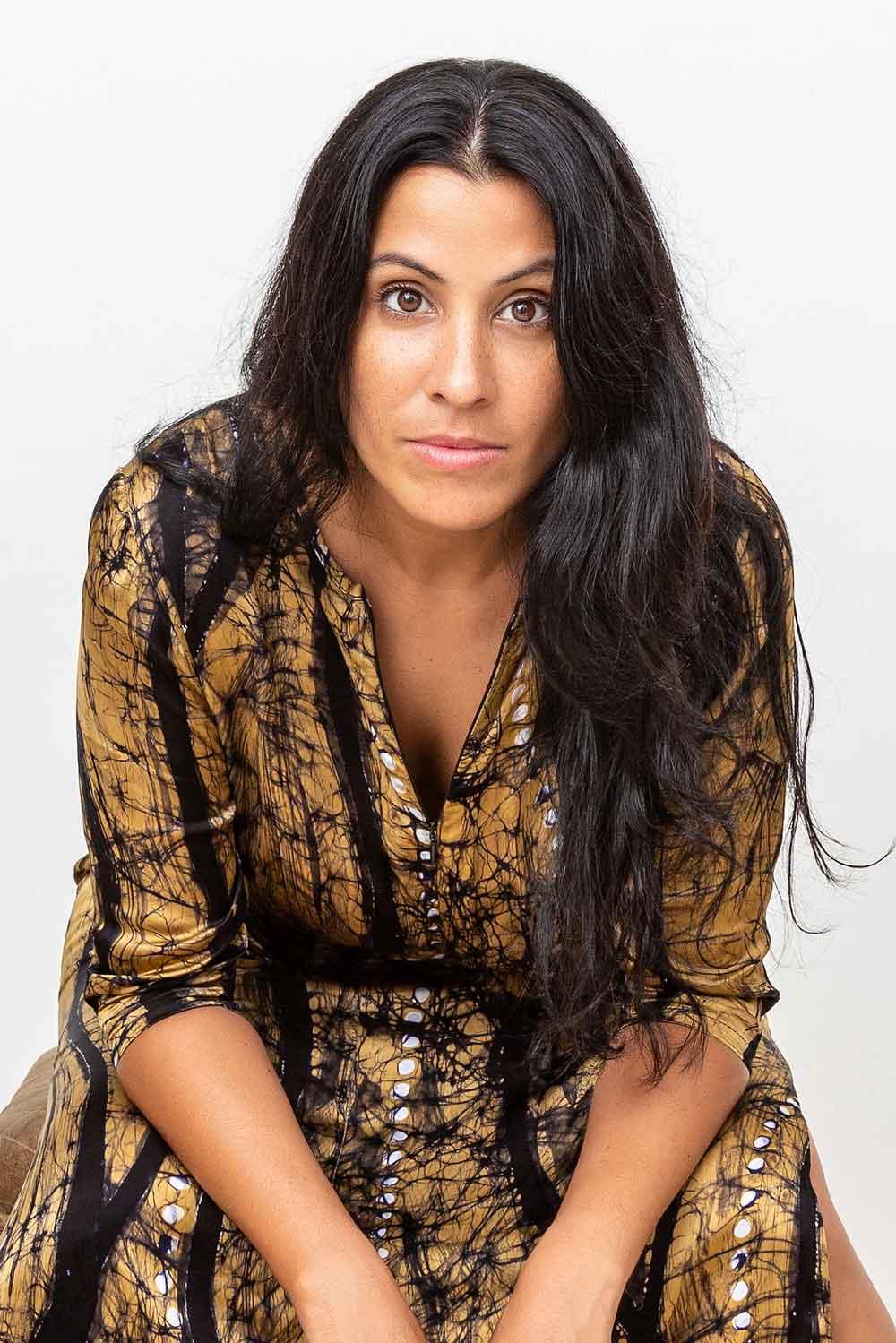
By Ananya Abeygunasekera
Design, for Annika Fernando, has never been confined to a single space. Her work moves fluidly across interiors, retail, and fashion, shaped by a keen attention to detail and by a deep understanding of how people engage with their surroundings. As an interior designer, her passion lies in high-end residential interiors and decorating, while also taking on distinctive commercial and hospitality projects. In the world of retail, she is the founder of PR Concept Stores, launched in 2013, and the founder and creative director of her clothing label, Maus. From shaping interiors to curating stores and crafting clothing, Annika Fernando continues to redefine what it means to live creatively.
Growing up around the world of design through Paradise Road, what kind of child were you - and when did creativity first start to feel like part of your identity?
You’d have to ask my parents what kind of child I was, but looking back, I would think I was definitely creative. I always had an interest in design and composition. My father would involve me in decisions around the placement of furniture and art, especially as we moved a lot during my childhood years. My school projects always had a creative edge - although I didn’t study art, that artistic talent was recognised by others, and I was pulled in to work on school magazines and other design-related exercises.
At the same time, I was always interested in science, particularly logic, maths, and physics. When I was 15 and thought, I might want to study architecture, I had the privilege of having work experience in the office of internationally renowned architect, the late Kerry Hill, in Singapore. Surprisingly, it wasn’t until I was living independently in Melbourne during my first semester of a Bachelor’s degree in science that I realised design was part of my identity and something I wanted to explore as a career.
You’ve trained and worked as an interior designer, but you also started PR and your fashion label, Maus. What drew you to fashion?
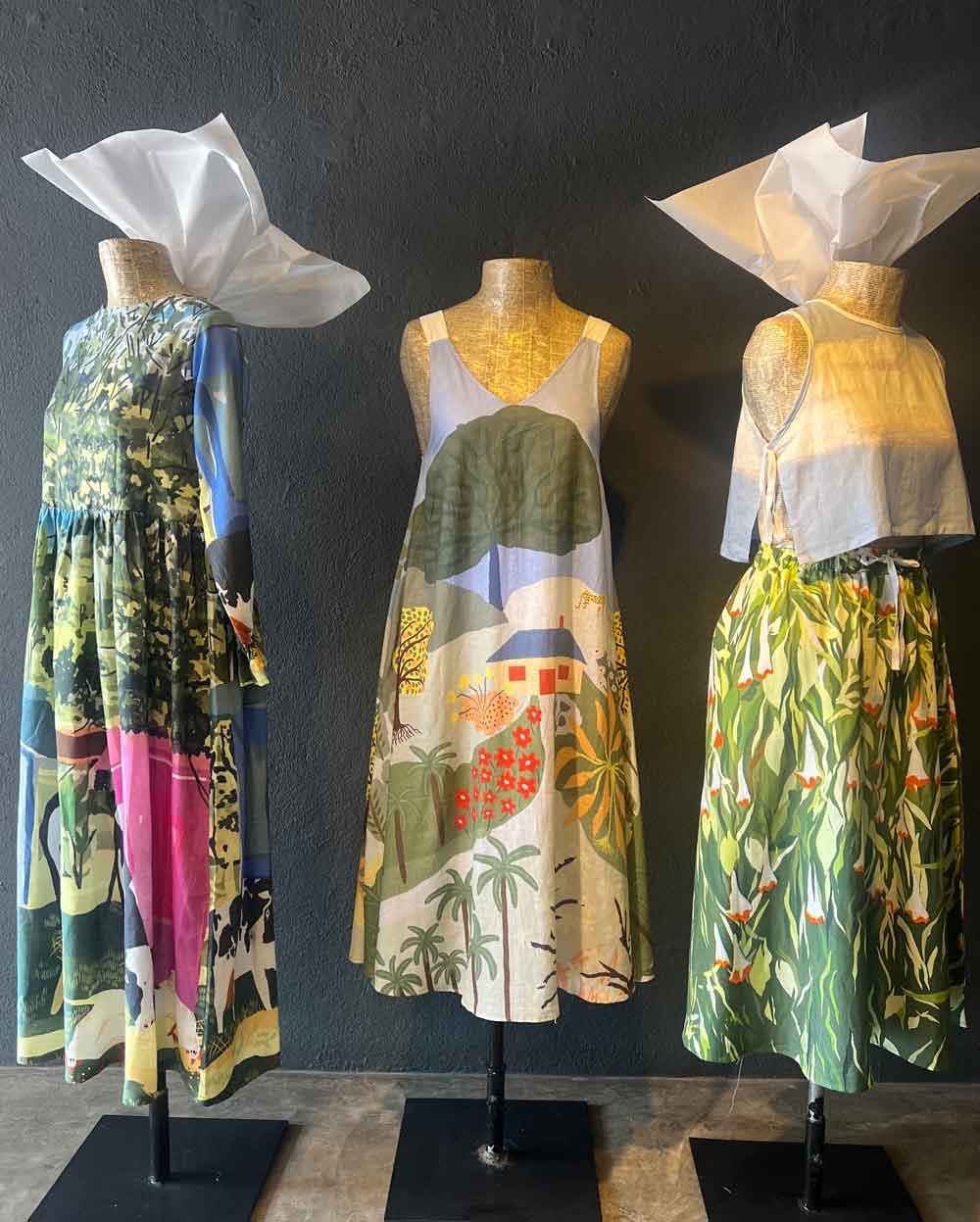
I’m a qualified interior designer, but I am not a fashion designer. I’m a retailer, and I look at clothing as a product - an extension of a design product. I have always loved beautiful things, and thanks to my upbringing and exposure, I have developed a keen eye. My decision to focus on clothing and accessories in retail was more about complementing the existing family retail structure of Paradise Road.
How do those different creative worlds - interiors, retail, and fashion - connect for you?
It’s one creative world for me. Interior design and fashion are simply different forms of expression. The joy of retail for me is mostly on the floor - visual merchandising, marketing and sales, along with identifying products, working with designers, and seeing how those efforts bring people back and make people notice.
What inspired you to create PR, and what gap did you feel it could fill in Sri Lanka’s fashion scene?
My father always taught us, and led by example, not to be driven by business or success, but by passion first. I think that’s what drives an authentic product.
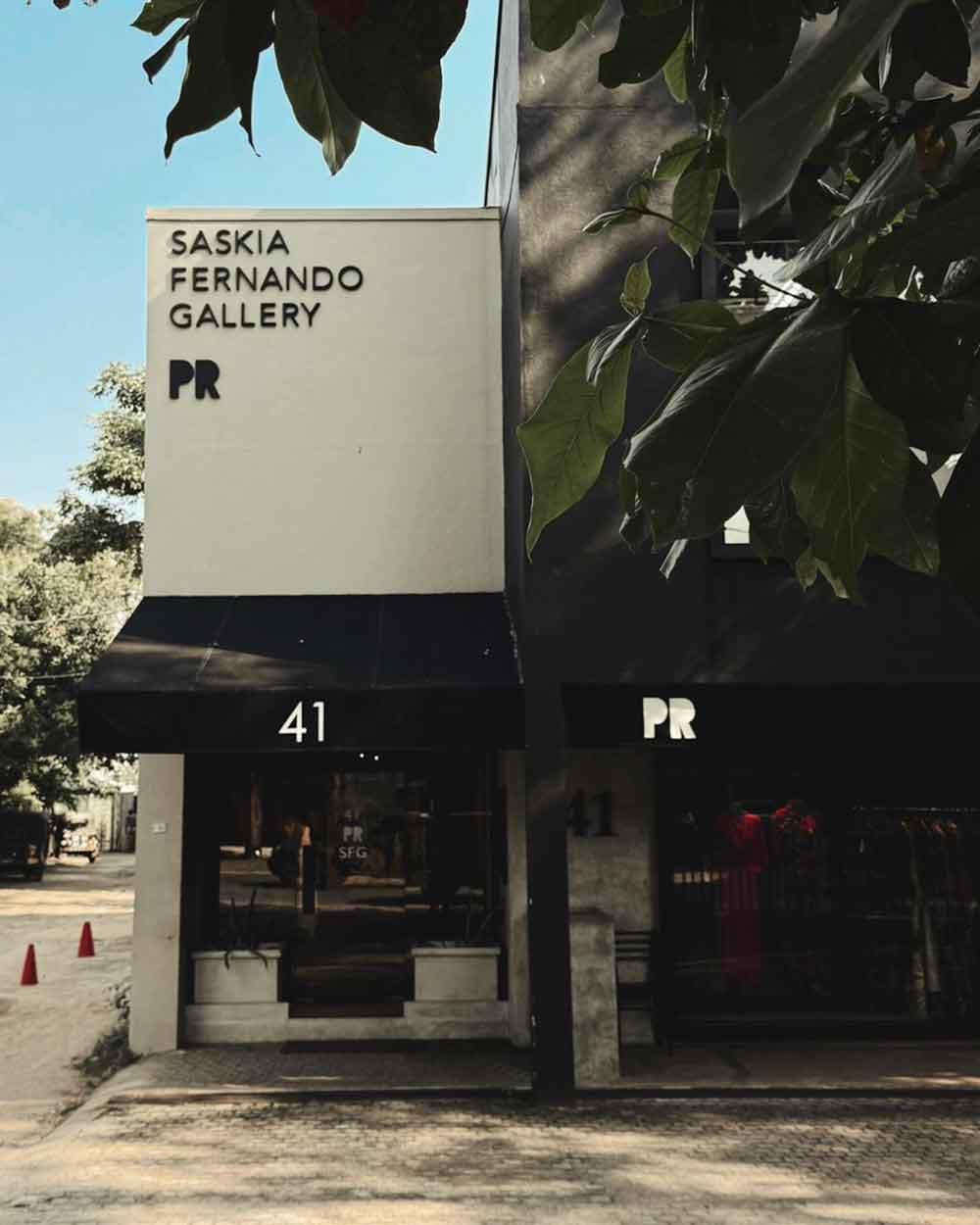
I didn’t look at a ‘gap’ in the Sri Lankan retail environment or the optics which seem to drive so many in today’s world of social media and others’ perception. Instead, I looked at how what I could do in retail would complement the existing framework of my father’s retail offering, and something that was of natural interest to me - style and well-made, beautiful things put together with intention.
PR is known for its careful curation. When you’re selecting designers or pieces for the store, what tells you something belongs there?
It’s a personal instinct and a trained eye for authenticity. I can’t fully explain it, but initially it was very simple, as I chose what I liked - good design, quality, and authenticity. I don’t have that same luxury anymore, as I also have to consider sustainability from a business perspective, especially with three stores. But with my experience and exposure, I can still see quite easily what will work and what won’t. At the same time, I’m strongly guided to work with people with whom I feel a positive energy, feel a sense of trust and aligned ethics & mutual respect.
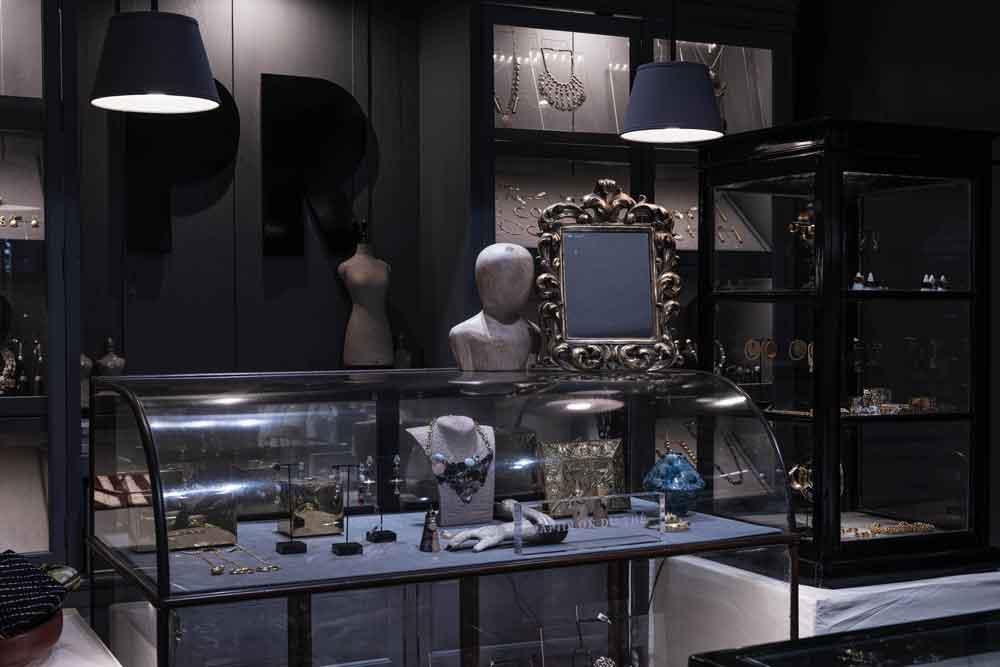
If someone were walking into PR for the first time, what feeling or experience would you hope they leave with?
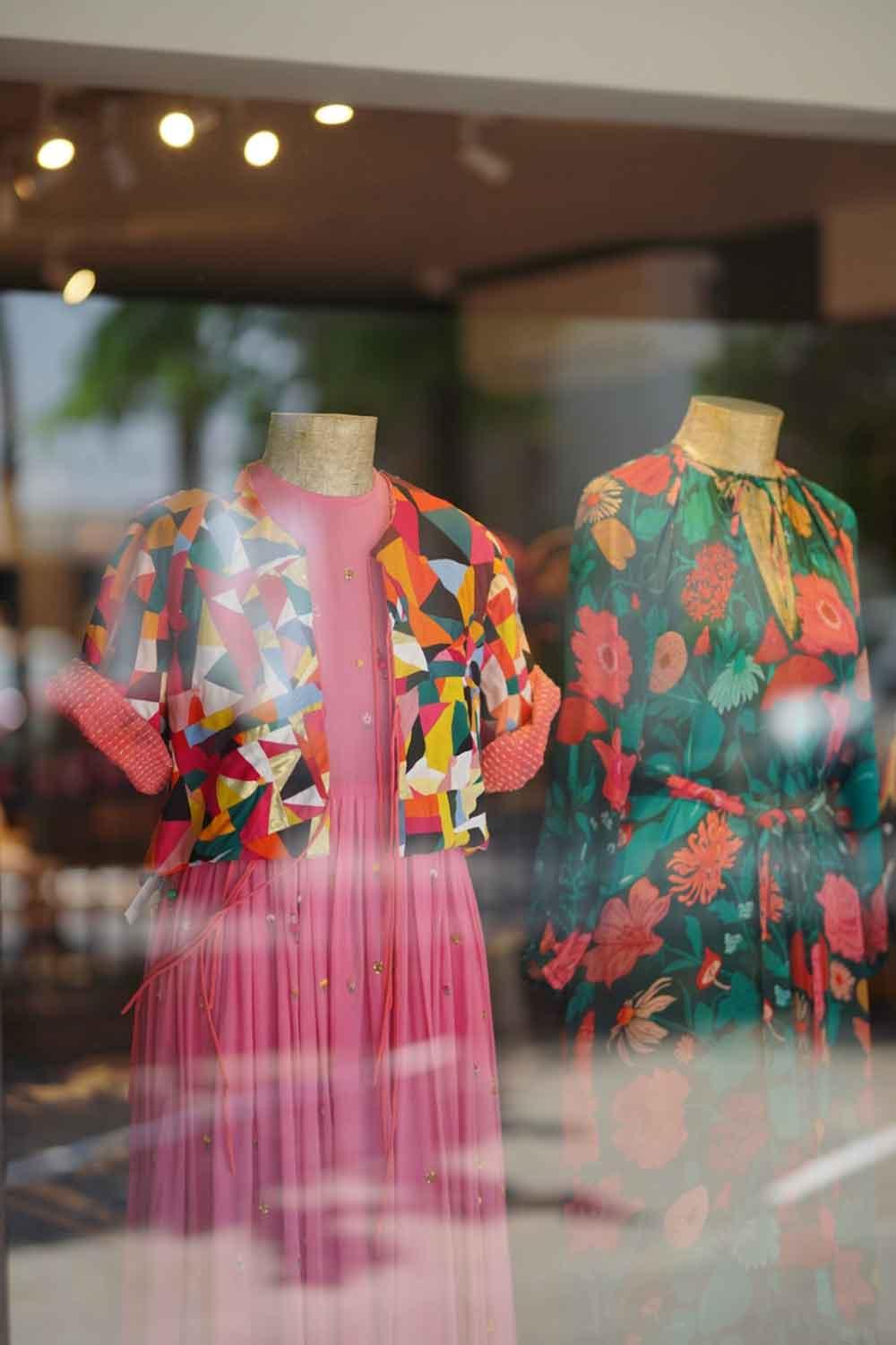
That they’ve entered a beautiful space that represents the diversity and individuality of Sri Lankan design. I love that customers from overseas are often surprised by our island’s unique style and local contemporary interpretation. For locals, I love that they celebrate the pieces they’ve bought. I don’t encourage impulsive shopping - I want people to leave with something they truly love and have no regrets about purchasing.
Maus focuses on wardrobe essentials - pieces that return season after season. Running PR must give you a close view of how people dress and shop; how does that perspective shape the way you design these pieces?
Maus has evolved over the years, and it’s not really just wardrobe essentials anymore. It’s simply clothes I personally wear - an extension of my own style, and is representative of the core aesthetic of PR. It complements almost every other design piece within the edit of designers we represent.
When designing a new Maus piece, where does the process usually begin - with fabric, function, or something more instinctive?
I always say we have to design backwards in Sri Lanka. You can’t create something and then look for the elements to build it - I prefer to be guided by what’s available. So, most of the time, it begins with fabric, and I build from there. I’m drawn to natural fabrics, comfortable clothing, often oversized, sometimes more feminine, other times more androgynous… and most of the time, with pockets.
What do you hope Maus represents for the people who wear it and for the brand itself?
I want anyone who wears Maus to feel comfortable, beautiful, and proud to wear a Sri Lankan label.
Through PR and Maus, you’ve worked closely with many designers. What excites you most about the direction Sri Lankan fashion is heading in?
Especially over the past few years, I’ve been driven by community and the people we support. I don’t tend to look too far beyond that - although I’m aware that what we do has a wider impact, and I do try to work with that responsibility in mind, that we must set an example as a leader representing good local design internationally. I’m always excited when I come across a young designer who is doing something original, not something that looks like someone else’s, and is an individual, who is driven and passionate. It’s actually quite rare.
If you had to build your favourite outfit entirely from pieces at PR today, what would you pick and why?
That’s probably the hardest thing to do - to choose a single outfit. I could build several hundred looks from pieces in the store - it’s actually what I wear daily. I wear all the brands I retail and am proud that 95% of my wardrobe is local or South Asian design.
When you’re not working on design or running the store, what does a perfect day off look like for you?
When you run your own business, you don’t really get a day off - ever. I work every day. But if I had a choice, my favourite place to be outside of work is by the sea, or at home, and I’ve learned how to prioritise and ensure to make time for myself in all that I do.
Looking back at your journey so far - from interiors to PR and Maus - what has surprised you most about the path you’ve taken?
Nothing really surprises me about my journey thus far - I’m grateful for every step in the path, every wrong decision and every learning.
With so many roles, designer, curator, entrepreneur, what part of your work still feels the most creatively fulfilling?
None, and all. I wouldn’t say one role in my work necessarily fulfils me more than another. I feel incredibly fortunate to have so many different perspectives and outlets - and they all feed into each other and into my life in different ways. Because I am driven by the passion of what I do, not the business of what I do, it can be demotivating when an assignment doesn’t allow me to carry it out to what I believe its full potential is capable of being visually. Projects which allow me a true freedom of expression, when I’m afforded the trust to truly design with intention, will always get the best of me and allow a more powerful result, which is definitely more creatively fulfilling.