Sri Lanka’s Quiet Ageing Crisis: Are We Paying Attention?
Sri Lanka is changing quietly and rapidly. Today, nearly 18% of Sri Lanka’s population is over 60, a significant increase from around 12% in 2012. Current projections suggest that by 2041, one in every four Sri Lankans will be over 60 years of age. This makes Sri Lanka one of the fastest aging populations in South Asia.
Longer life expectancy is something to be proud of. It reflects improvements in healthcare, literacy, and living conditions over the years. But there is another side to this shift that we do not speak about enough: the mental and emotional well-being of older adults.
In many Sri Lankan homes, conversations about aging often sound familiar:
- “She’s becoming forgetful now… It’s because of age.”
- “He doesn’t want to talk much anymore.”
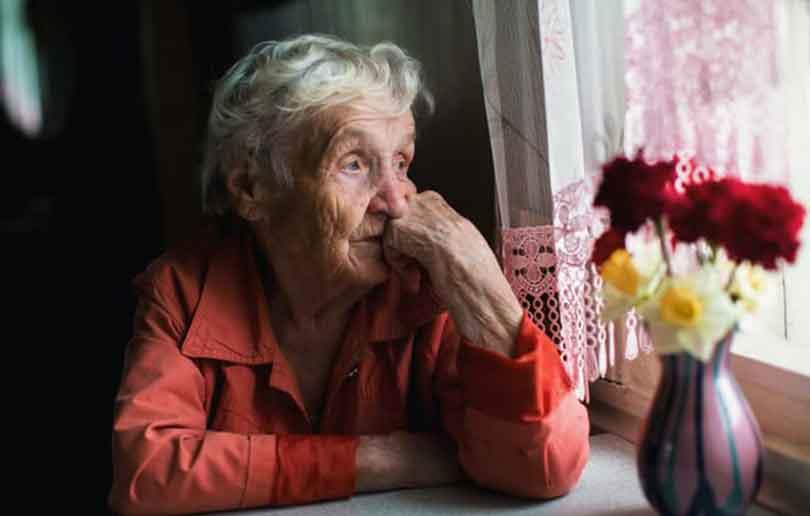
- “She mostly stays alone in her room these days.”
Sometimes these changes are part of aging, but they can also be signs of emotional distress, depression, anxiety, or cognitive decline that families unintentionally overlook. This gap between physical longevity and overlooked emotional well-being lies at the heart of Sri Lanka’s aging challenge. Studies suggest that between 15% and 25% of older adults experience some form of mental health difficulty, most commonly depression, anxiety, and dementia related conditions. Yet many older adults never receive mental health support because their symptoms are dismissed as “normal aging.”
Studies suggest that between 15% and 25% of older adults experience some form of mental health difficulty, most commonly depression, anxiety, and dementia related conditions. Yet many older adults never receive mental health support because their symptoms are dismissed as “normal aging.”Depression in older adults, for example, does not always appear as sadness. It can present as tiredness, irritability, sleep disturbances, withdrawal from others, poor concentration, or even memory-related difficulties.In some cases, depression can resemble dementia, something clinically referred to as pseudo dementia. The important thing is that it can improve significantly when recognized early and treated appropriately. Building on this, dementia itself is becoming an increasing concern in Sri Lanka. Current estimates suggest that over 200,000 Sri Lankans are living with dementia, and the numbers are expected to rise sharply in the coming decades as the population ages.
Yet severe forgetfulness is still commonly brushed aside as “just old age,” delaying support for both the individual and the family caring for them.
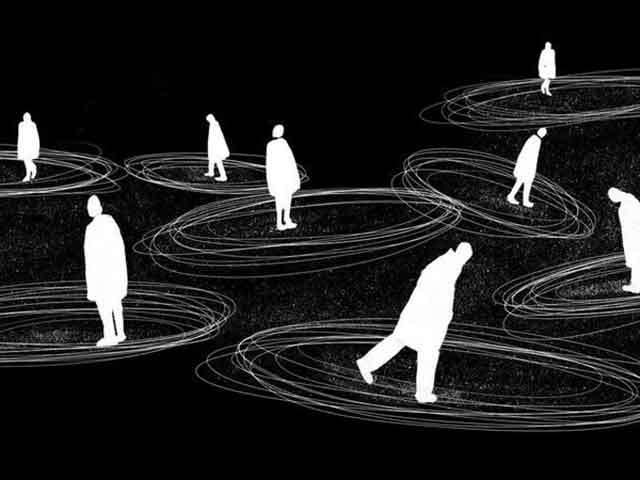
There is also another issue, often overlooked, that we rarely connect to mental health: loneliness. Sri Lanka’s social structure has changed dramatically over the years. Many younger adults leave the country for education, employment, or financial stability. Families remain emotionally connected, but physical distance changes everyday life for aging parents left behind. Even when financial support is available, emotional isolation can still exist. For some older adults, this loneliness develops slowly. It may appear as withdrawal, increased dependence, irritability, loss of motivation, or repeated physical complaints without a clear medical explanation. Sometimes it simply goes unnoticed. Research consistently shows that social isolation in older adults is associated with increased risks of depression, anxiety, cognitive decline, poorer physical health outcomes, and reduced quality of life. Connection and social interaction continue to matter in later life.
Another important point we often misunderstand is that aging does not automatically mean severe mental decline. Research on aging and cognition shows a more balanced picture. Certain abilities, such as processing speed or the ability to adapt to unfamiliar technology, may slow over time. However, other areas, including language, emotional understanding, life experience, and accumulated knowledge, often remain stable and can even strengthen with age. This is why an older adult may struggle with a smartphone application but still provide remarkable emotional insight, wisdom, and problem-solving within family situations.
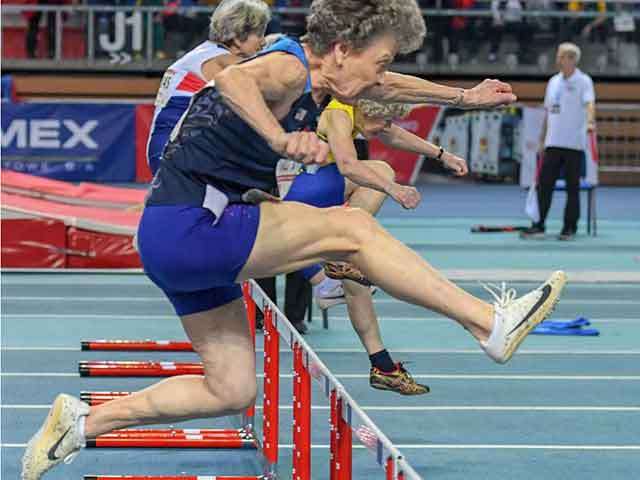
Growing older is not only about decline. In many ways, it is also about adjustment and change. As our population grows older, how we support emotional well-being will matter more than ever. One of the more concerning realities is the state of emotional well-being in later life. Older adults, especially in the oldest age groups, can become vulnerable to depression, hopelessness, and emotional isolation as support systems weaken. This highlights the importance of addressing emotional distress early, rather than dismissing it as normal aging.
Unfortunately, conversations around mental health in older adults still carry significant stigma. Families often seek help only when symptoms become severe enough to interfere with daily functioning.
Support systems for older adults are still limited. Most attention is on medication, while emotional support, cognitive stimulation, social engagement, and psychosocial interventions receive less focus.
Yet simple things can make a meaningful difference:
- Regular social interaction
- Feeling included in family decisions and routines
- Opportunities for movement and activity
- Mentally stimulating tasks such as reading, discussions, games, or storytelling
- Being listened to with patience and dignity
Sometimes what older adults need most is not immediate advice but attention, consistency, and connection. Perhaps the most important question we need to ask ourselves is this:Are we noticing enough? Noticing withdrawal in active individuals. Noticing when forgetfulness disrupts daily life. Noticing when wanting to be alone turns into isolation.Because once we begin noticing, we create space for support.
Sri Lanka has extended life expectancy; now it must ensure these extra years are lived with dignity, emotional well-being, and meaningful connections.After all, aging is not something happening only to “other people.” It is a journey we are all moving towards, one day at a time.
------------------------------
ABOUT THE WRITER
Nimmi Dissanayake-Udumalagala is a Consultant Psychologist and Mental Health and Psychosocial Practitioner. She can be contacted via email: nimmiu@gmail.com