Passive Aggression and Activism: Sisterhood Is Not Always A Safe Space.

A Report From The Field
1. Many activists are genuinely motivated by the fierce and pure desire to change society.
2. Many are also very damaged people.
3. Especially in the areas of sexual violence and harassment, people drawn to bring public awareness to the gross inequalities suffered by women, girls and children have often been personally impacted themselves by distressing forms of traumatic conduct, including rape, assault, victimization, and humiliation.
4. They are still carrying that trauma within them, and it is triggered in situations which affect them, even decades after they are free of that specific situation in which they were harmed. But they have not been able to directly face this.
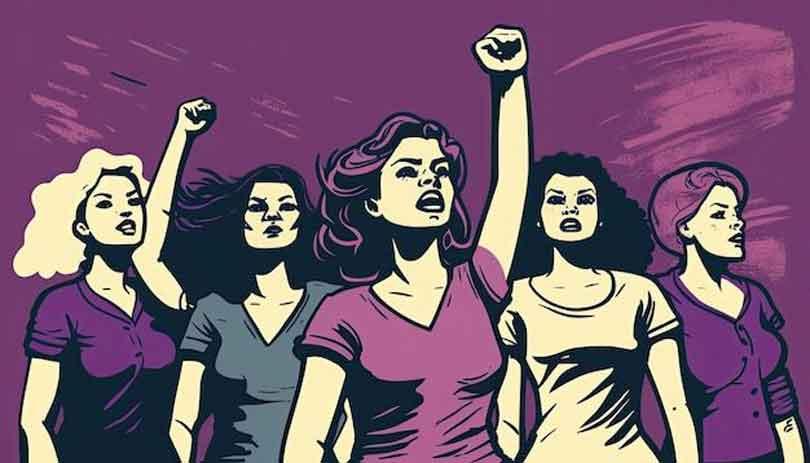
The stories that journalists are reporting are frequently traumatizing for them to witness and report about. Human cruelty, human vulnerability, devastation, disaster and the dark sides of experience. This of course takes a toll. Depending on their own life experiences, their sense of personal safety and optimism will inevitably be affected by what they confront, in the process of attempting to bring about social change. And society will not let them express their anger and frustration in open and direct ways. They are told what they can and cannot write about. Protesting in the streets and being tear gassed is courageous in a way that merely wielding words on a computer can never be. So, they express their frustration obliquely and in a passive aggressive way. Peace and reconciliation work in particular is a battlefield.
5. Ongoing unaddressed damage creates toxic thinking and relational patterns. Therapy is expensive. People impacted by harm are often in precarious employment situations, and this is also partly due to the condition of their unregulated emotions. Discussions with colleagues can turn hostile very quickly, and professional encounters can become personalised. This damages their professional reputation.
6. Social and status differences - and needling underlying resentments created by these differences between people who actually share a common cause - can come up in the form of insults, mockery, incomprehensible volatility, defensiveness, projection, assumptions and offensive stereotypes.
7. Class disparity trumps gender solidarity every time, especially in a tightening economy. And the differences erode the common ground. One woman will say to another, ‘a person of a certain status and background will not understand why a woman will be silent in situations of harassment; or just not leave when she is subjected to domestic violence.’ In other words, you are protected and immune from harm, and I am not. You do not understand my suffering, and your work to assist really troubled people is just a hobby or a pastime. Your contribution and your service are invalidated. Sisterhood of political affiliation is subject to issues of sibling rivalry, just as blood bonds are.

8. Boundaries are necessary between people who are from differing class backgrounds, especially in countries where those differences shape people’s self-esteem, perceived societal value, job prospects and capacity to contribute.
9. Even people with legal training and knowledge of professional conduct violate these standards with petty and unhinged behaviour when they are triggered or threatened or riled.
10. Justice is their mantra; but there are blind spots in the way every activist categorizes others. Grievances (often going back to their childhood or young adulthood) are activated when they feel powerless or dismissed, as an adult. They turn the person they are speaking to into an enemy in their minds. They mock from inflamed ego, from a sense of personal deprivation, from a sense of being denied what the other has, and the sense that nothing will ever change that rigid structural systemic difference, now. Democracy has died in darkness, at least in urbanized capitalist societies.
11. All social categories of activist are often narcissistic, ego-driven, and performative, and are compensating for a sense of not being attended to or heard when they were young. Hence their vocalization about issues of powerlessness, and abuse - and their sense of victimhood; and their presumptive assumptions that they are speaking for others in a cause. Virtue signalling rounds out their public persona.
12. Struggle street is their address. If poor, they are survivalist. If wealthy, they seek to connect with causes to bring meaning to their daily routine. Struggle makes them feel alive and justifies their own conduct to them. Struggle to shift the needle, challenge the autocrat, demolish the dictator, speak out and bring what is silenced out of the shadow. It is genuinely exhausting. Yet many of them, whether rich or poor, only peripherally understand, identify or even confront their own pain. Burdened beyond their endurance, they lash out at their own colleagues. Sisterhood can evaporate under the cumulative weight of itty-bitty irritants, innuendos, sarcasm and snide remarks.
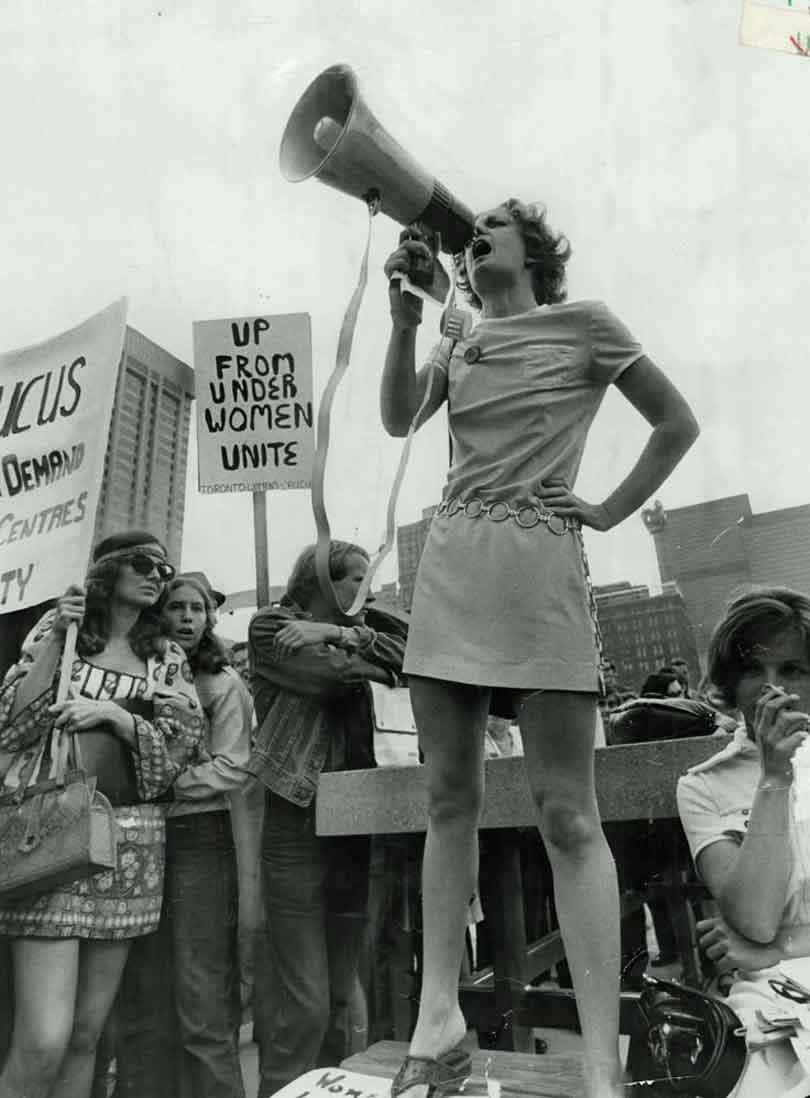
Because you have to be in a safe place, to heal. And activists, by definition, do not feel safe in the world as it is. By all means, work with them. But be safe out there. Be aware that - apart from their cliques and bestie groups - sisters today are often doing it for themselves.