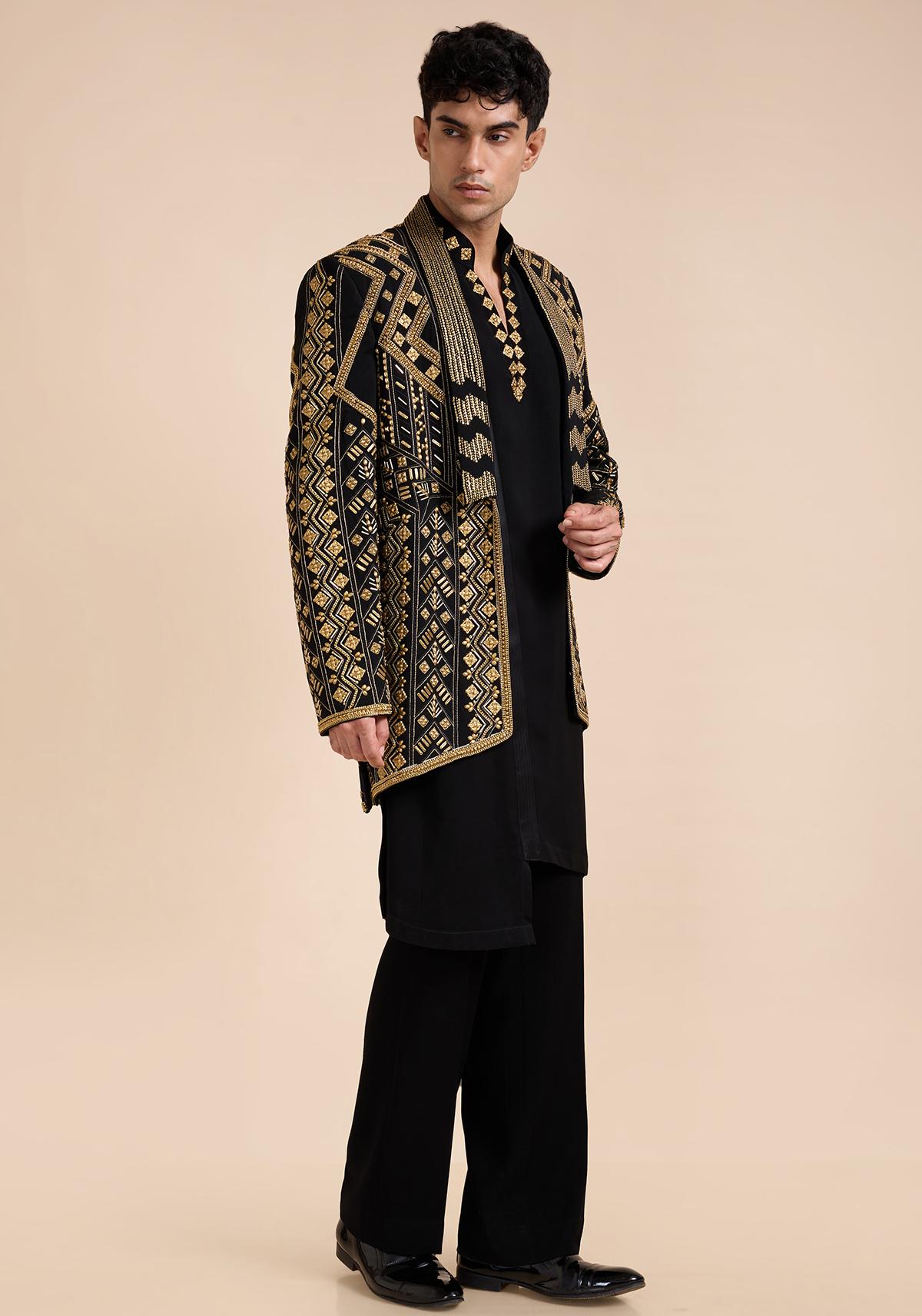
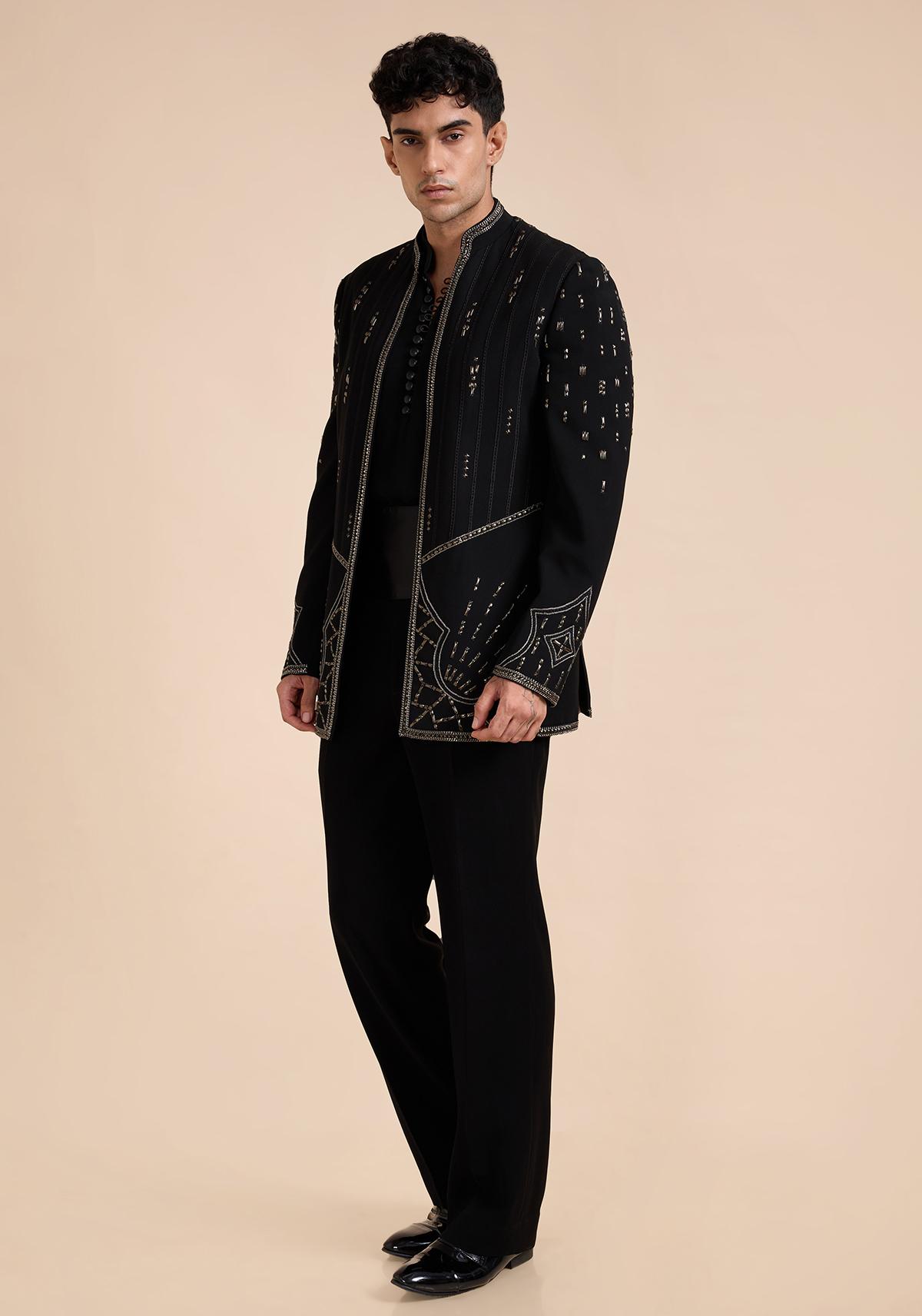
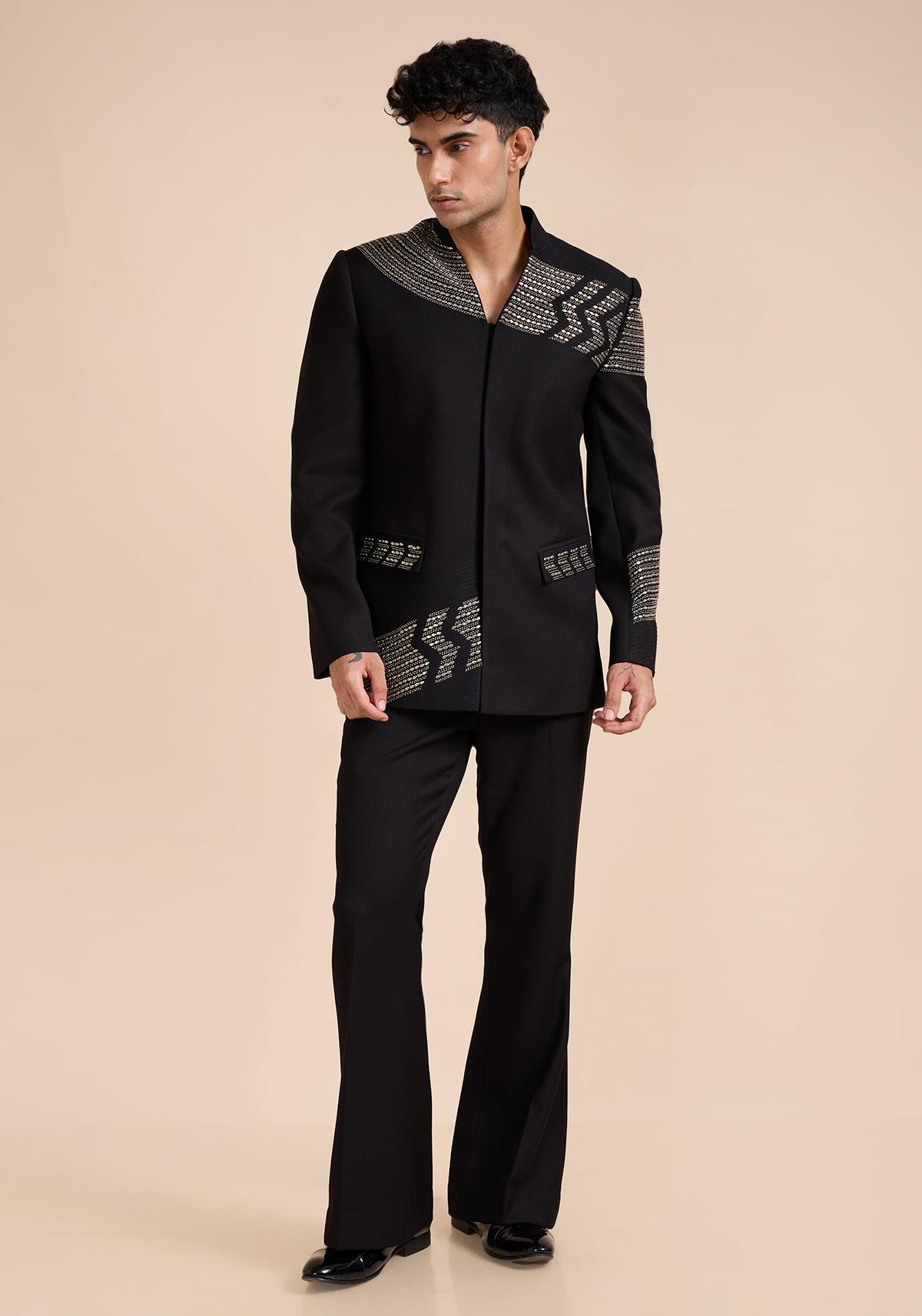
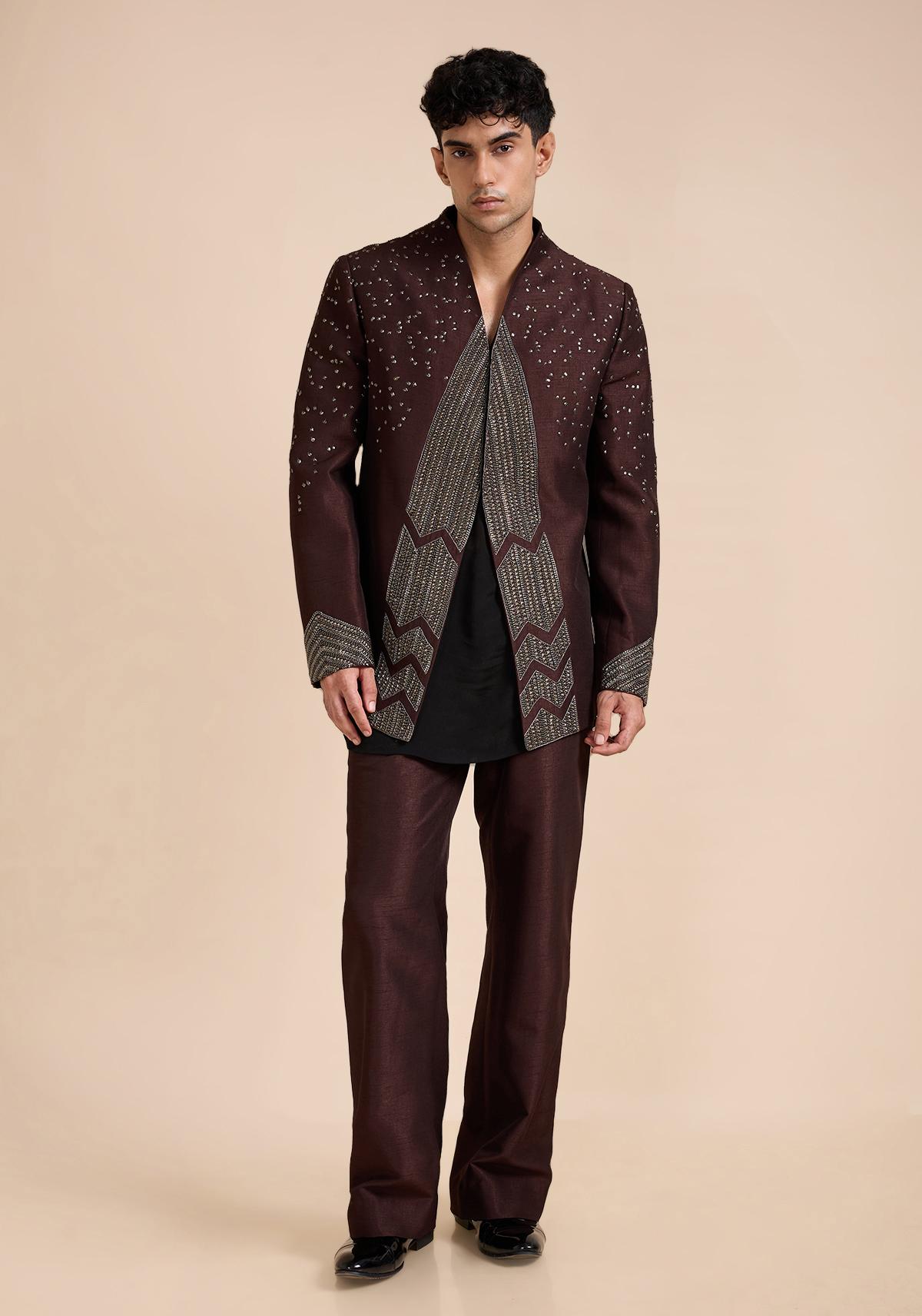
In Conversation with Varoin Marwah
By: Rishini Weeraratne
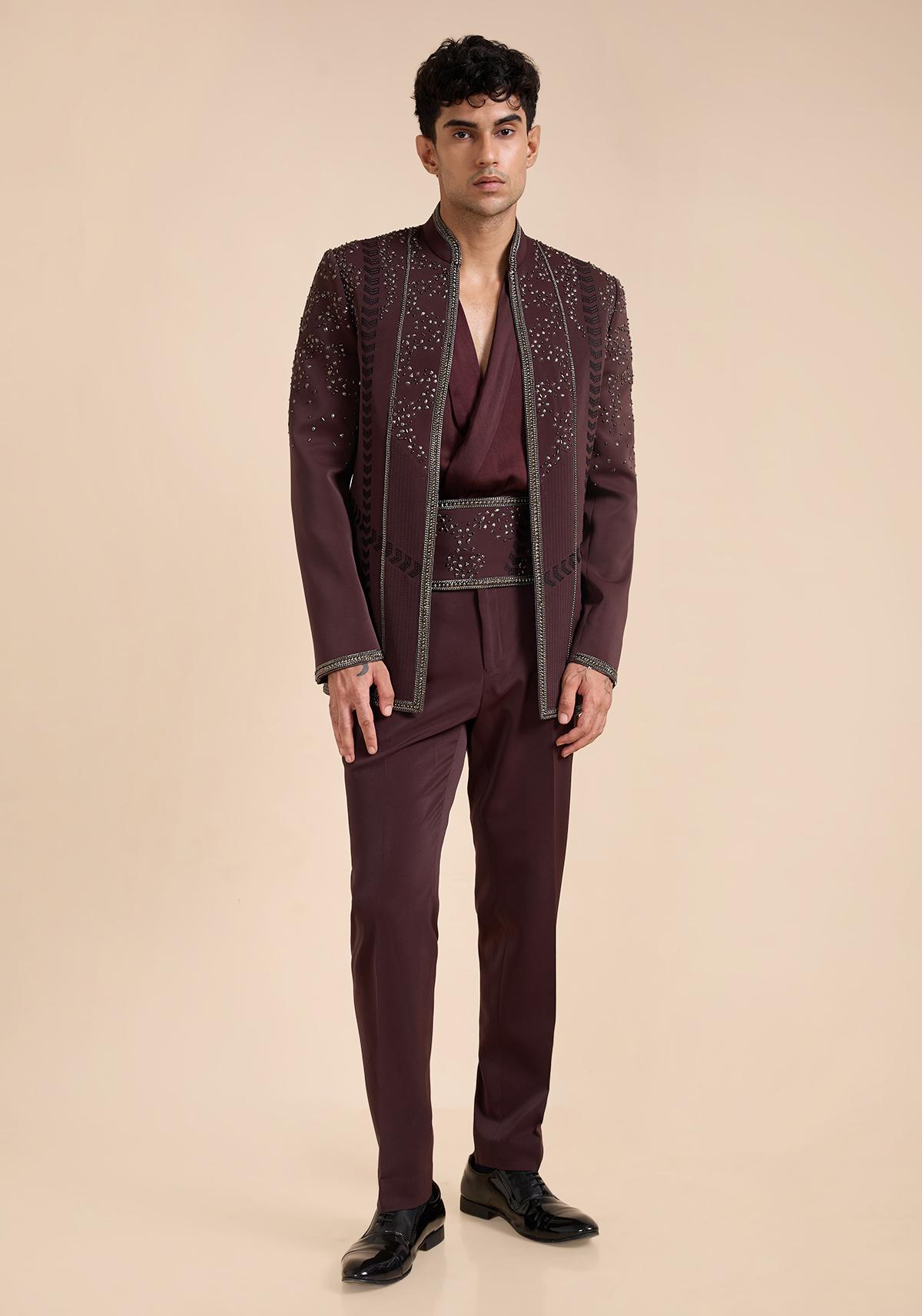
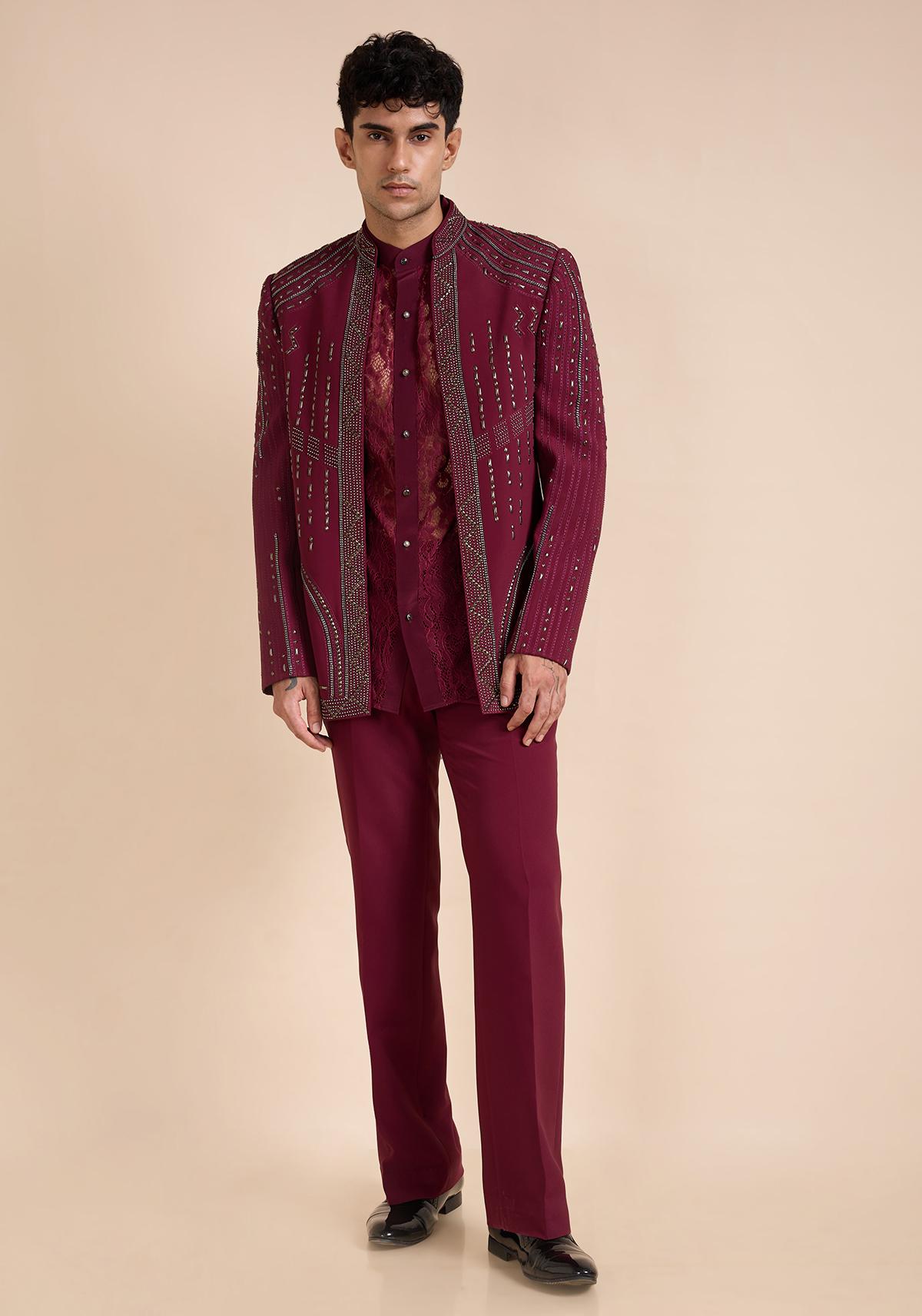
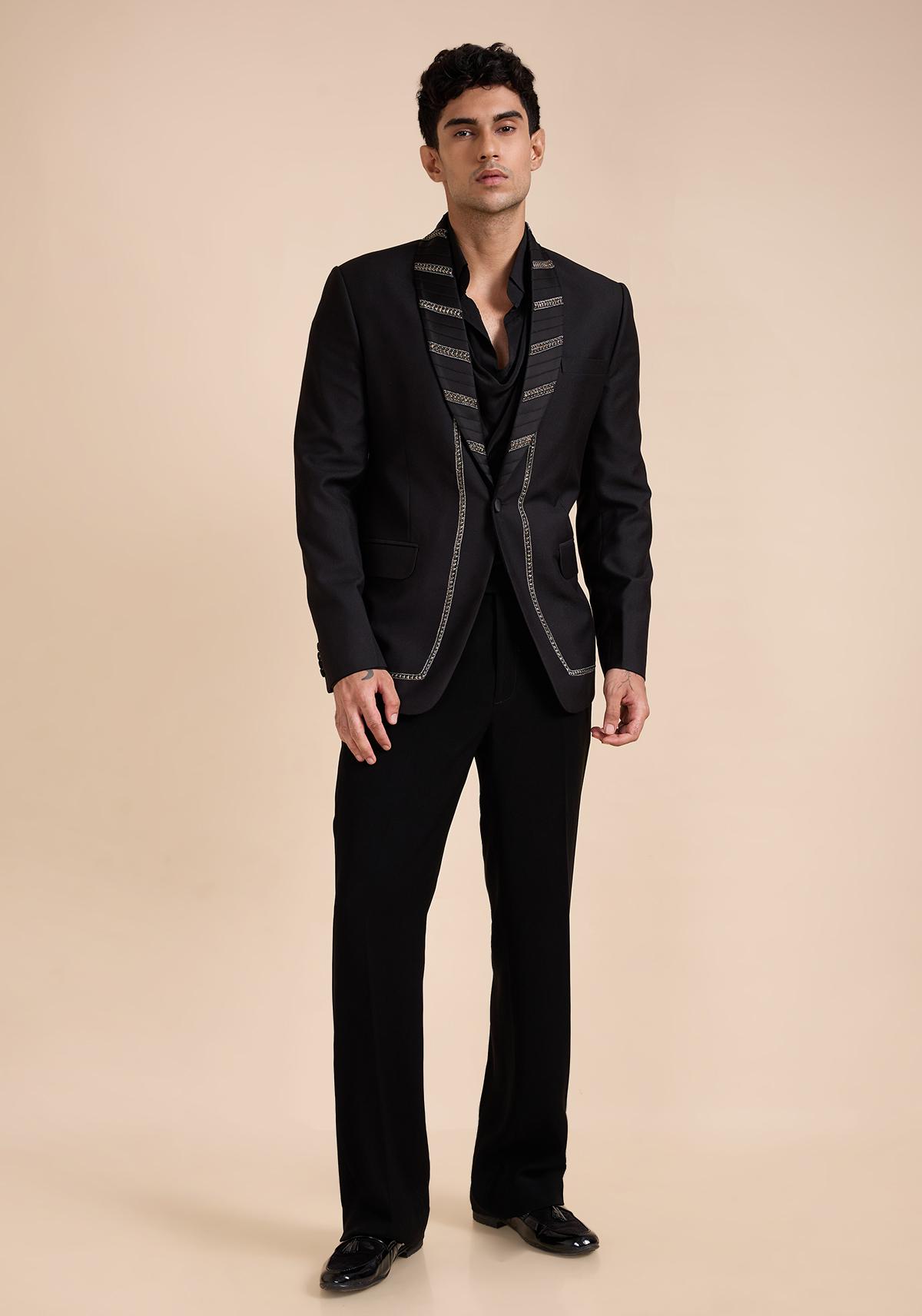
I was first introduced to Varoin Marwah through Shefali Munshi, Founder of The Posh Studio in Dubai, and from that introduction came the opportunity to discover more about the designer, his journey and the fashion house he has spent more than a decade building. Varoin’s story is one that moves effortlessly between cultures; his Indian roots, the ambition and international energy of Dubai, and now London, where he is preparing to make his London Fashion Week debut. His approach to fashion feels equally layered, combining craftsmanship and sharp tailoring with confidence, individuality and an increasingly global perspective. As I pen this article on the 16th of September, there is also a wonderful sense of anticipation. On 17th September, I’ll be sitting with my London girlfriends, waiting to watch Varoin make his LFW debut and see this next chapter unfold on the runway. Prior to his arrival in London, we sat down (virtually) to talk about beginnings, ambition, celebrity dressing and what comes next.
Varoin, take me back to the beginning. Before the celebrity clients, boutiques and international shows, when did you first realise that fashion wasn't simply something you enjoyed, but something you wanted to build your life around?
Fashion was always somewhere inside me. Over time, and through my spiritual journey, I began to feel that this wasn't simply a career, it was the purpose I was meant to follow.
Your route into fashion wasn't completely conventional; you spent part of your early career working in aviation and travelling extensively. What did that period of your life teach you that you still carry into your work as a designer today?
Aviation opened up my world. Travelling and meeting people from different cultures taught me discipline, confidence and how to understand people, qualities that still influence the way I work today.
You've said before that people, places and travel are among your greatest sources of inspiration. As your world has become bigger, has the way you find inspiration changed?
Not really. Inspiration is still very instinctive for me. It can come from a person, a place, a conversation or simply the way someone carries themselves.
You have Indian roots, you've built much of your life and business in Dubai, and now you're presenting in London. How do those different cultural worlds find their way into the clothes you create?
India gives me my cultural foundation and love for craftsmanship. Dubai has given me ambition and a global outlook, while London represents individuality and freedom of expression. My clothes naturally carry something from all three worlds.
If someone walked into a room wearing Varoin Marwah but I couldn't see the label, what details would you hope would make me recognise that it was yours?
The sharp tailoring, attention to detail and a certain sense of confidence. Even when the clothes are understated, I want them to have presence.
Menswear has changed enormously over the course of your career. Men are now much more willing to experiment with colour, silhouette, embellishment and traditional clothing. How have you seen the definition of masculinity in fashion evolve?
Masculinity has become far less rigid, which I love. Men today are more comfortable expressing themselves through colour, embroidery and different silhouettes without feeling the need to explain their choices.
You've dressed some incredibly recognisable personalities, particularly Ranveer Singh, who has such a fearless relationship with clothes. What does dressing someone with a very strong personal style teach you as a designer?
It teaches you to listen and collaborate. Someone like Ranveer already has such a strong sense of individuality, so you aren't trying to create a personality for him; you're working with it. That experience also encourages you to become more confident and fearless as a designer.
Celebrity dressing can give a designer enormous visibility, but ultimately, you're building a fashion house rather than simply creating red-carpet moments. How do you balance those two worlds?
Celebrity dressing has been an enormous part of our journey. We've had the pleasure of designing for Ranveer Singh, Akshay Kumar, R. Madhavan, Varun Dhawan, Vicky Kaushal, Kartik Aaryan, Arjun Kapoor, Manoj Bajpayee, Randeep Hooda and many more. Their support has given the brand visibility and credibility that would otherwise have been extremely difficult to achieve. It also gives customers greater confidence and trust in the brand. I genuinely owe a lot to these personalities who have known me, supported me and believed in my work.
You've previously spoken about wanting the person wearing your clothes to feel 'like a star.' Has your definition of what makes somebody feel powerful in clothing changed as you've matured as a designer?
Earlier, power may have meant making a strong visual statement. Today, I believe real power is feeling completely comfortable, confident and authentic in what you're wearing.
You're bringing your work to London during London Fashion Week. What does showing in London mean to you personally at this point in your career?
It feels incredibly special. After more than a decade of building the brand, London feels like both a celebration of the journey so far and the beginning of a new chapter.
London has always had a reputation for encouraging individuality and designers who challenge convention. Does presenting to a London audience give you permission to take different creative risks?
Absolutely. London celebrates individuality, so it naturally encourages you to be braver and present your point of view without diluting it.
There are months of work behind what an audience experiences in only a few minutes. What has been the hardest part of bringing this particular collection to London?
Bringing the entire vision together across different cities, the clothes, fittings, production, logistics and presentation, has been the hardest part. The audience sees only a few minutes, but those minutes carry months of work, dedication and emotion.
Fashion weeks are obviously creative showcases, but they're also global business platforms. What would make London a success for you beyond receiving applause at the end of the show?
Success would mean creating genuine international interest in the brand, new clients, meaningful collaborations and opportunities that continue long after the show is over.
When you launched your label, you said you wanted to take things slowly because this was something you wanted to retire with. More than a decade later, do you still have that same patience with the business?
I still believe in patience, but I'm definitely more ambitious now. I've learnt that growing carefully doesn't mean thinking small.
You've built businesses and teams in different markets. What was the moment when you stopped thinking of Varoin Marwah simply as your work and started thinking of it as a fashion house that could ultimately exist beyond you?
It was when I saw my team taking ownership of the brand and carrying its values even when I wasn't in the room. That was when I realised it had started becoming something bigger than just me.
Fashion is increasingly driven by algorithms, social media, instant reactions and now AI. You've previously credited social media with playing an enormous role in your career. What excites you about where fashion is going, and what worries you?
Technology and social media have given designers a global audience, which is very exciting. My only concern is that while chasing instant attention, we may lose some of the patience, craftsmanship and emotion that make fashion truly meaningful.
You've achieved things that the younger Varoin presumably dreamed about. What still makes you nervous, or makes you feel that you have something left to prove?
Every new beginning still makes me nervous, and London is one of them. Being nominated for the International Woolmark Prize, one of the most prestigious recognitions in fashion, was an incredible feeling. But my spiritual journey has taught me to remain grateful and grounded, while also reminding me that there is still so much more to create.
If we're having this conversation again five years from now, where do you hope the Varoin Marwah name will be, and what would you like me to be asking you about then?
I hope Varoin Marwah will be recognised as a truly international fashion house, with a strong presence in both menswear and womenswear. And I hope you'll be asking me about the next country, the next milestone, or perhaps the next dream.