The Day We All Looked Up The Dictionary.
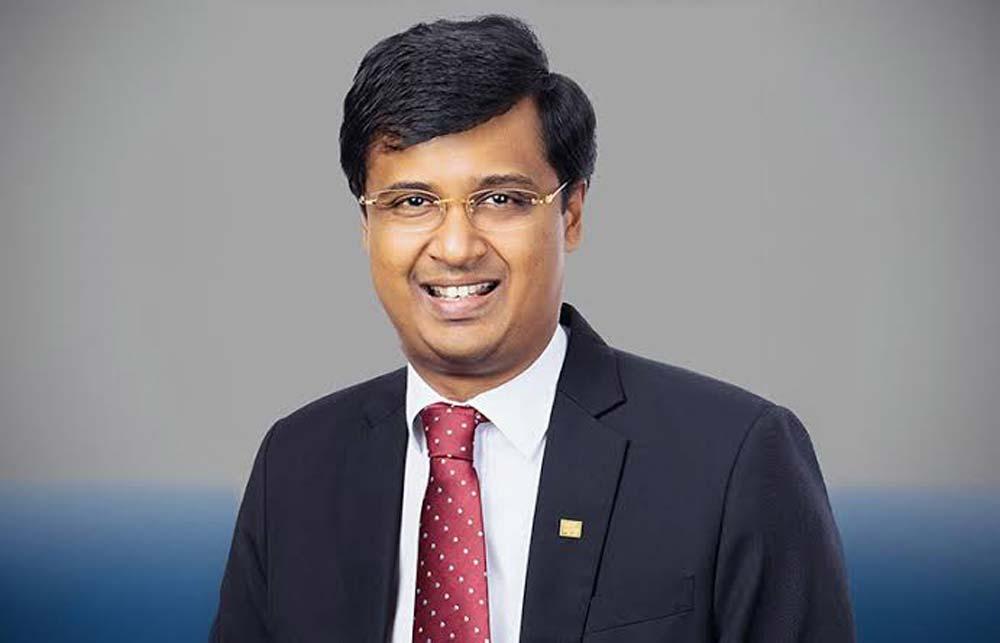
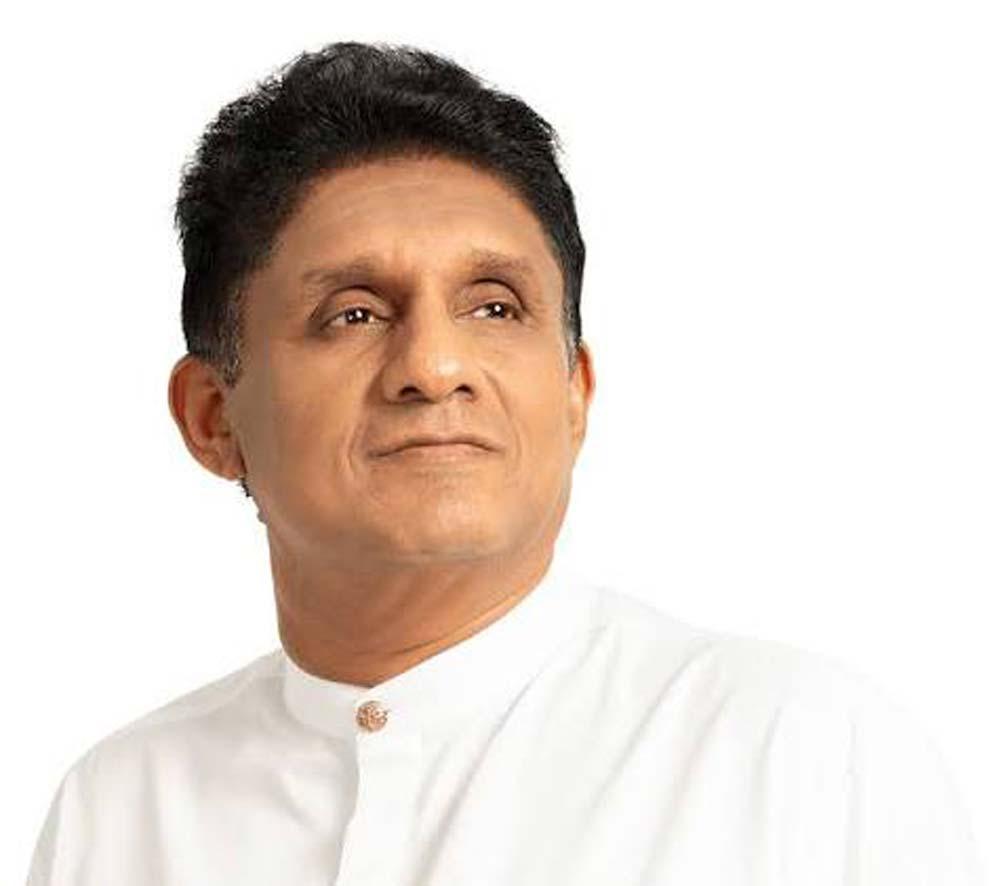
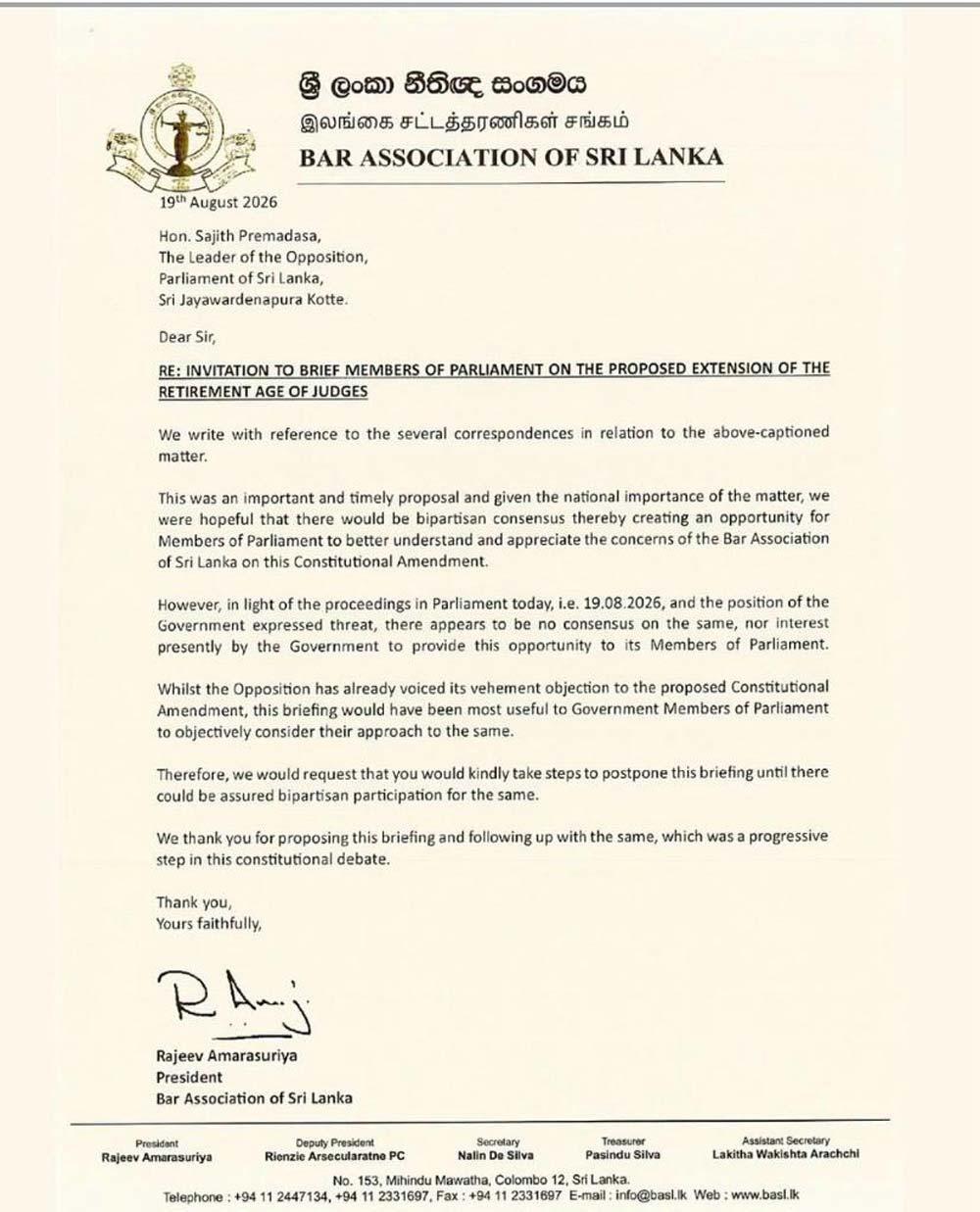
This last week, we have seen extraordinary interest shown in one word used in a letter apparently written by the President of the Bar Association of Sri Lanka, Rajeev Amarasuriya, to the current Leader of the Opposition, Hon. Sajith Premadasa, dated the 19th of August 2026. This letter was shared in full by News First on their news platform and has been widely shared and commented about on social media. This letter has caused a great amount of discussion, and many news outlets and media platforms have commented on the use of the word ‘threat’ in the third paragraph. Was this a typo? Did the President of the BASL use the word intentionally; or did he intend the word ‘thereat’?
‘Thereat’ is actually a real word, meaning ‘At that place’, ‘At that time’, or ‘For that reason’. It would make sense in the context of this letter. Interestingly, either word would make sense. And so, the reaction to the apparent confusion is very interesting. The general clear communication rule is that if the overall meaning of a letter or speech or text is clear, then any typo which occurs in it is relatively insignificant. In my opinion as a professional editor, the letter in consideration clearly meets the criteria for overall clarity and effectively communicates the writer’s message. If the word ‘thereat’ was intended, there is an argument for ‘Plain Legal Language’ which could be used in Sri Lanka, where English has not been the dominant language for decades.
But any writer should be given fair chance to clarify their meaning, if there is indeed any confusion on the part of the recipients. So, attempts to accuse and interrogate the writer of various errors and deficiencies of knowledge or understanding based on the use of this one word are clearly disproportionate. This disproportionate response can only be said to be based not on a desire to enforce rules of grammar that no one in the comments threads on social media have given any thought to for decades, but on other wishes, which (we would be justified in speculating) are probably not being put forward in good faith.
I suggest that we should all be wary of any attempts to try to discredit the legal institutions in the country, which have a track record of safeguarding citizens in recent years. It is irresponsible of news outlets to use sensationalist and derogatory headlines and mocking perspectives to undermine the standing of not only the legal professionals concerned in situations like this, but the legal system which they have taken oaths to uphold.
I see certain individuals on social media attempting to encourage the public to hold in derision members of the legal profession, and the profession as a whole; and while fair comment and request for clarification is definitely permitted in a democracy, what is going on right now seems to me to be politicised and tainted by bias. Eroding public confidence in the legal institutions of a country is a very counterproductive thing to do. Politicians in past regimes have not wanted their own authority undermined and have moved to criminalize any dissent or questioning of their actions on the part of the public. Citizens get jailed for being perceived as critiquing the national religion or holding the images associated with GoSL in disrespect. Their only recourse is to turn to members of the legal profession to uphold their rights. If they now participate in eroding the respect and dignity of the legal profession, who will stand to protect them when their own rights are interfered with?
For this system of checks and balances to work as it should, respect for Justice should be maintained, and with that goes respect for the legal officers who work in the legal systems, independent of government interference. For this respect to be given, the lawyers must maintain the highest standards of professional conduct themselves. If members of any legal profession are seen as bought or owned or intimidated or interfered with by any government, they can no longer be respected. The same goes for the media, which used to be called the ‘Third Estate’. Once journalists start using their columns to act as apologists for any political party, they lose objectivity and respect. In Sri Lanka, social media has a great deal of impact, and those especially with large followings who are expressing opinions and asking questions should be seen to be doing so for good reason. Anyone with over 2,000 followers is presiding over a voting bloc.
It is quite easy for a person to genuinely believe they are acting in the public good, and speaking truth to power, and holding organizations accountable. But that belief must translate into action. And every action in the social media and journalism space occurs in the form of words. We hear a great deal about rights in this fractious world of ours. But I believe that understanding our responsibilities is equally important. Citizens while exercising our rights to express our thoughts and beliefs, have a responsibility to also use critical thinking, and be as well informed as possible; and this applied mindfulness will result in better governance. If we all follow the crowd and say whatever comes to mind in any given moment, and suspend our judgment due to bias, we will become useful idiots, and mere instruments used by opportunistic agents for their own purposes rather than free, independent thinkers.