The Art of Never Being Finished: Why Lifelong Learning Matters
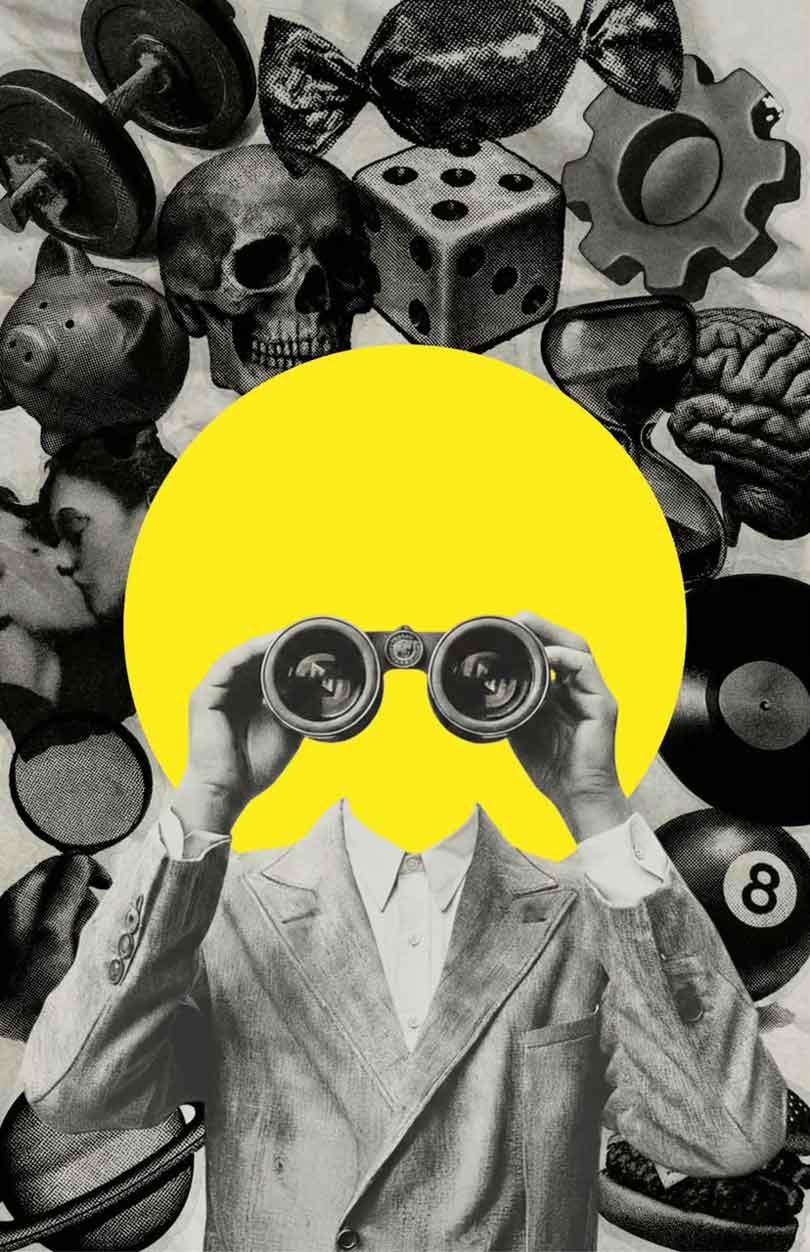
“The mind is not a vessel to be filled, but a fire to be kindled.”
Plutarch wrote those words centuries ago, yet they feel strangely relevant in a world that changes faster than most of us can keep up with. Every day, new technologies emerge, industries evolve, careers transform and ideas that once seemed impossible quietly become ordinary. The people who thrive are not always the ones who knew the most to begin with. More often, they are the ones who never stopped learning.
Somewhere along the way, however, many of us begin treating learning as though it has an expiry date. We associate it with classrooms, examinations and graduation ceremonies, believing that once we receive a certificate or secure a job, the learning is somehow complete. Yet life has never worked that way. Long after formal education ends, life continues to ask questions we have never answered before. New problems appear. New opportunities arise. The world keeps moving, whether we choose to grow with it or not.
Perhaps lifelong learning is not about collecting qualifications. Perhaps it is about refusing to become mentally stationary in a world that never stands still. At the heart of lifelong learning lies one simple quality: curiosity.
Curiosity is often mistaken for intelligence, but they are not the same thing. Intelligence may help us solve problems, but curiosity is what makes us ask them in the first place. It is the quiet voice that wonders why, how, and what if. It is what pushes a child to dismantle a toy just to see how it works and what encourages an adult to read one more article, ask one more question or learn one more skill simply because they want to understand.
Albert Einstein is often credited with saying, “I have no special talents. I am only passionately curious.” Perhaps that is the greatest misconception about learning. We imagine it belongs to naturally gifted people when, more often than not, it belongs to those who remain willing to wonder.
Curious people approach conversations differently. They do not listen merely to respond. They listen to discover something they did not know before. Every interaction becomes an opportunity to learn, whether it comes from a colleague, a stranger, a book or even a mistake. Knowledge is no longer something found only in classrooms. It begins appearing everywhere. Curiosity changes more than what we know. It changes how we experience the world.
Research has linked curiosity with greater life satisfaction, lower levels of anxiety and more positive emotions. That is hardly surprising. A curious mind spends less time fearing the unknown because it is too busy exploring it. Instead of viewing uncertainty as something threatening, it begins to see possibility.
- Yet curiosity is only the beginning.
- The spark alone cannot sustain a fire.
- That is where mastery enters.
Mastery is often misunderstood as perfection, but perfection suggests an ending. Mastery does not. It is less like reaching a destination and more like choosing a direction. It is the quiet commitment to becoming slightly better today than you were yesterday.
We admire musicians for effortless performances, athletes for impossible achievements and experts for the confidence with which they solve problems. What we rarely see are the countless hours spent practising when nobody was watching. Mastery is built in those invisible moments, through repetition, patience and the willingness to remain a beginner longer than most people are comfortable with. Growth has always required discomfort.
Our bodies understand this well. Muscles grow stronger only after their fibres are challenged and repaired. We become faster by running further than we thought we could. We lift heavier weights only after repeatedly struggling with lighter ones.
The mind is no different. Knowledge expands when it is stretched beyond familiarity. Every difficult book, unfamiliar subject, challenging conversation and intimidating opportunity asks the brain to form new connections. Learning rarely feels comfortable while it is happening because comfort has never been the birthplace of growth.
If every decision feels completely safe, perhaps we are no longer learning. Perhaps we are only repeating what we already know. The most remarkable professionals are rarely those who believe they have arrived. They are the ones who continue asking questions despite years of experience. Doctors continue studying new treatments. Engineers adapt to emerging technologies. Teachers refine the way they teach. Writers constantly reshape the way they think. Expertise is not maintained by what we learned years ago. It survives because we continue learning today.
This is especially true in a world where change has become the only constant. Entire industries transform within a few years. Skills that once guaranteed employment can become outdated almost overnight. Lifelong learning allows people to remain adaptable rather than overwhelmed. It opens doors to new careers, encourages innovation and provides the confidence to navigate uncertainty instead of fearing it.
But reducing lifelong learning to career success alone feels incomplete. Some of its greatest rewards never appear on a résumé. Learning changes something far quieter. It changes the person doing the learning.
Every time we successfully understand something we once believed impossible, we quietly rewrite the story we tell ourselves. Confidence begins growing not because everything becomes easy, but because we realise we are capable of figuring difficult things out. Challenges become less intimidating when we have already survived learning something difficult before.
Learning also gives the mind purpose. When people become trapped in routine, life can begin feeling repetitive. Days blur together, curiosity fades and we slowly stop noticing how much there still is to discover. Learning interrupts that cycle. It reminds us that there will always be another language to speak, another instrument to play, another perspective to understand, another skill to develop and another question worth asking.
It keeps the mind alive. In many ways, lifelong learning is an act of hope.
- Every new skill quietly says, “I believe there is still a future version of myself worth investing in.”
- Every book says, “There is more to understand.”
- Every question says, “I am not finished becoming who I could be.”
Perhaps that is why learning feels so deeply human. It reminds us that we are never complete. We are not fixed versions of ourselves, frozen at the moment we leave school or begin our careers. We remain works in progress, constantly shaped by the ideas we encounter, the conversations we have and the challenges we choose to embrace. The goal was never to know everything. It was always to remain teachable.
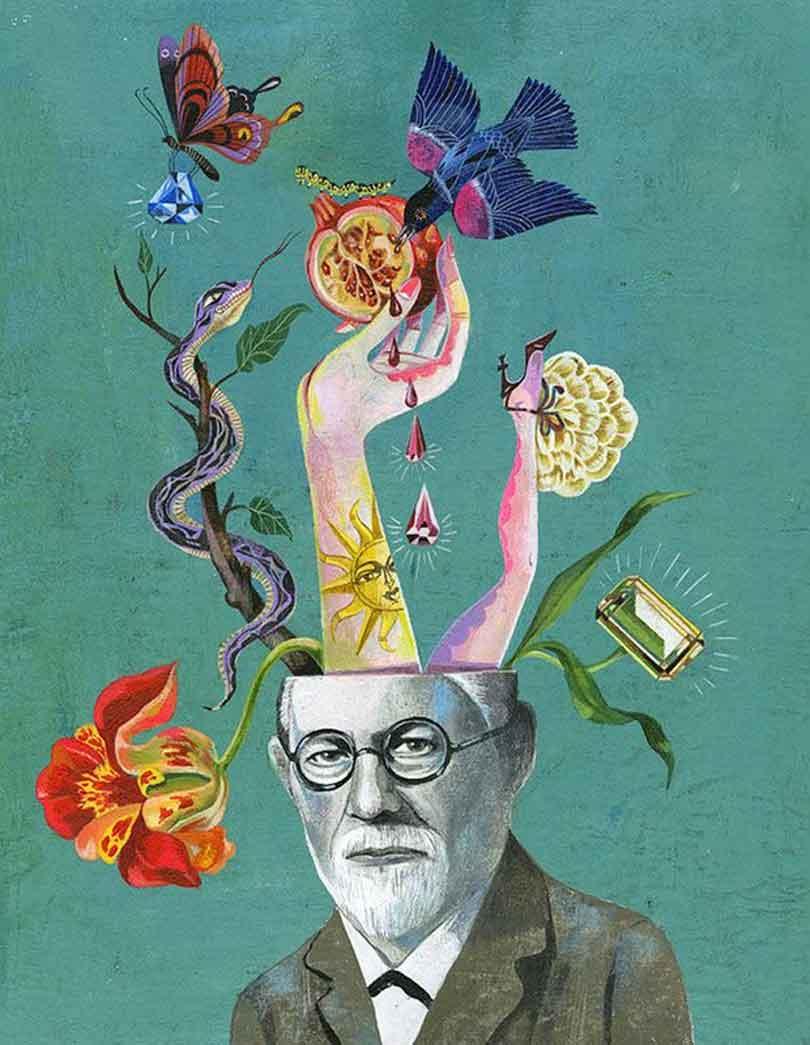
In a culture that often celebrates certainty, there is something quietly powerful about admitting there is still more to learn. Curiosity keeps us humble. Mastery keeps us moving. Together, they allow us to become not only better professionals, but wiser, more thoughtful and more resilient people. Perhaps that is the true power of lifelong learning. It is not simply that it prepares us for the future.
It prepares us to keep becoming. Plutarch reminded us that the mind is not meant to be filled but kindled. A fire only continues to burn when it is continually fed. Learning asks us to do the same. So maybe the question is not whether we are still learning. The better question is whether we have stopped being curious. And if the answer is no, then perhaps we are still growing. As the philosopher Seneca wisely wrote, “As long as you live, keep learning how to live.”