Why Fashion Can’t Stop Looking Back
BEYOND THE SEAMS BY SHRI AMARASINGHE
The resurgence of nostalgia isn't simply about reviving old trends. It's a reflection of the world we're living in, and a lesson for designers, brands and consumers alike.
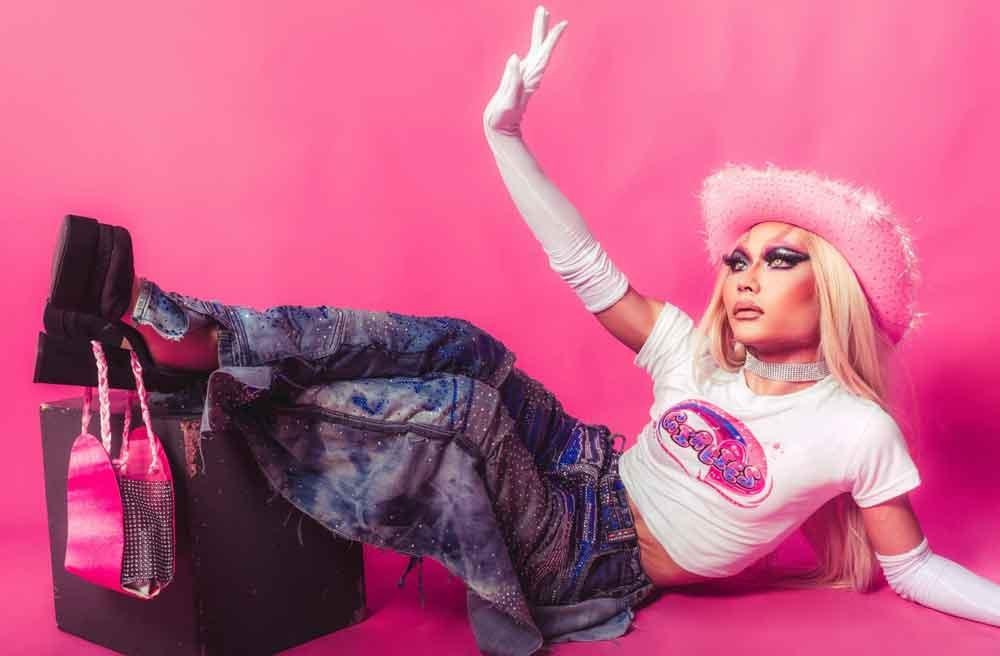
Walk into almost any fashion store today and you'll notice something familiar. Oversized blazers reminiscent of the 1980s hang beside silky slip dresses from the 1990s. Low-rise jeans, baby tees and chunky trainers from the Y2K era are once again dominating shop windows. Even luxury fashion houses are reopening their archives, breathing new life into silhouettes and accessories that first appeared decades ago. Fashion has always been cyclical, but today's obsession with the past feels different. This isn't simply another trend cycle. Nostalgia has become one of the industry's most powerful creative and commercial forces. The question is no longer what is coming back; it is why.
Searching for Familiarity
Psychologists describe nostalgia as more than remembering happier times. It is a coping mechanism. When the present feels uncertain, the human mind instinctively reaches for something familiar. Over the past few years, the world has experienced an extraordinary amount of instability. A global pandemic changed how we lived and worked. Inflation and economic uncertainty altered spending habits. Artificial intelligence continues to reshape industries at unprecedented speed, while social media bombards us with endless information every minute of every day.
In times like these, certainty becomes comforting. Fashion offers that comfort through memory. A familiar silhouette can remind us of childhood. A vintage-inspired handbag can evoke a favourite film or television series. A pair of ballet flats or cargo trousers can transport someone back to university or their first job. Clothing becomes less about function and more about emotion. Consumers are not simply buying garments. They are buying familiarity.
The Business of Memory
Fashion brands understand this remarkably well. Luxury houses continually revisit their archives because they know consumers already have an emotional relationship with those designs. Logos disappear for years only to return stronger than ever. Iconic handbags are reissued. Signature prints are reimagined. Heritage suddenly becomes one of the most valuable assets a brand possesses. Even newly established labels frequently borrow visual cues from previous decades. Familiarity builds trust. When something reminds us of a happier or simpler time, we instinctively feel more comfortable with it.
From a commercial perspective, nostalgia reduces risk. Consumers facing economic uncertainty naturally become more cautious about their purchases. Familiar designs feel like safer investments than completely unfamiliar ones. In many ways, nostalgia has become one of fashion's most effective marketing strategies.
The Algorithm Loves the Past
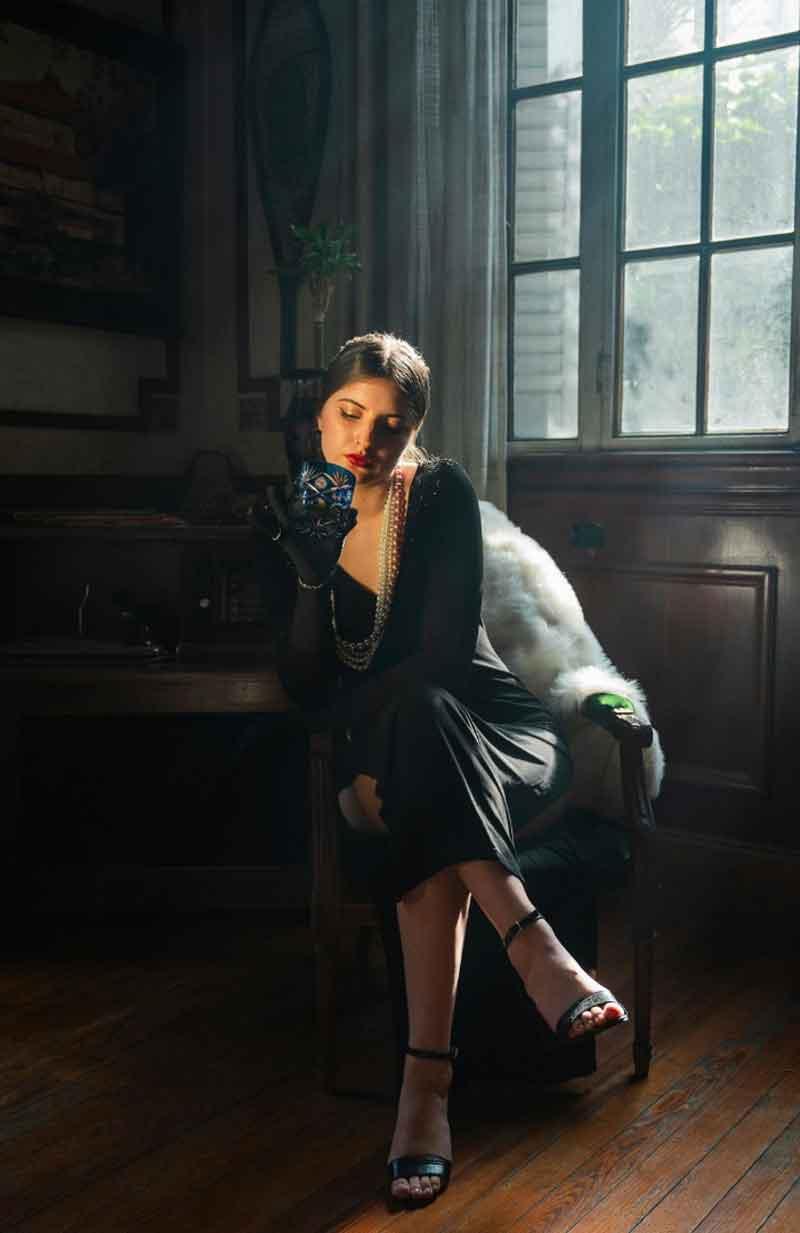
Previous generations experienced fashion trends over years, sometimes decades. Today, social media compresses those cycles into weeks. Instagram, Pinterest and TikTok have created an environment where every decade exists simultaneously. Someone born in 2005 can dress in 1970s flared trousers, a 1990s slip dress and Y2K accessories, all within the same outfit.
Every aesthetic has become instantly accessible.
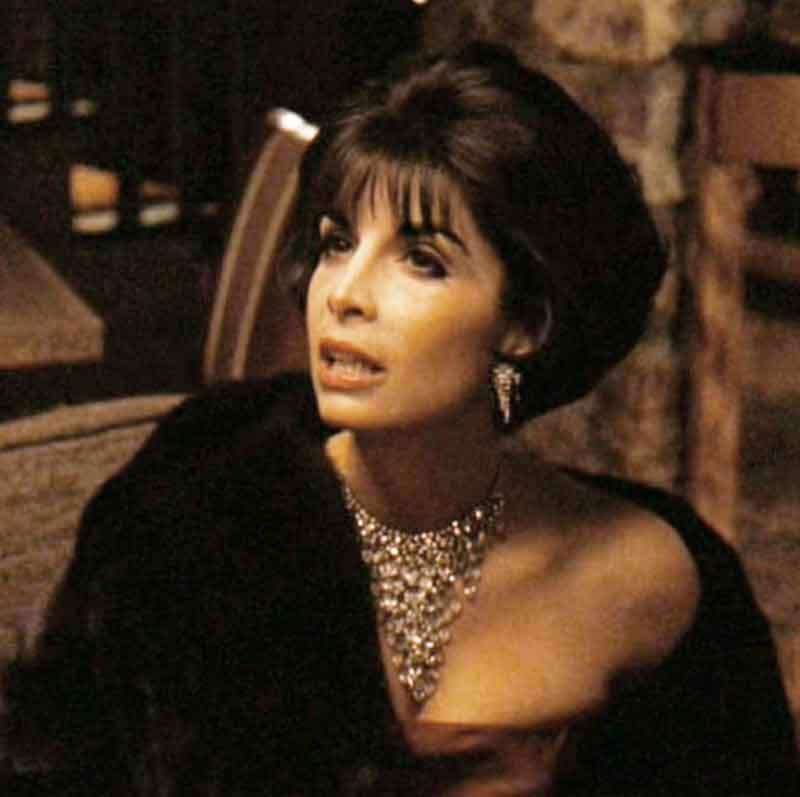
Old Money.
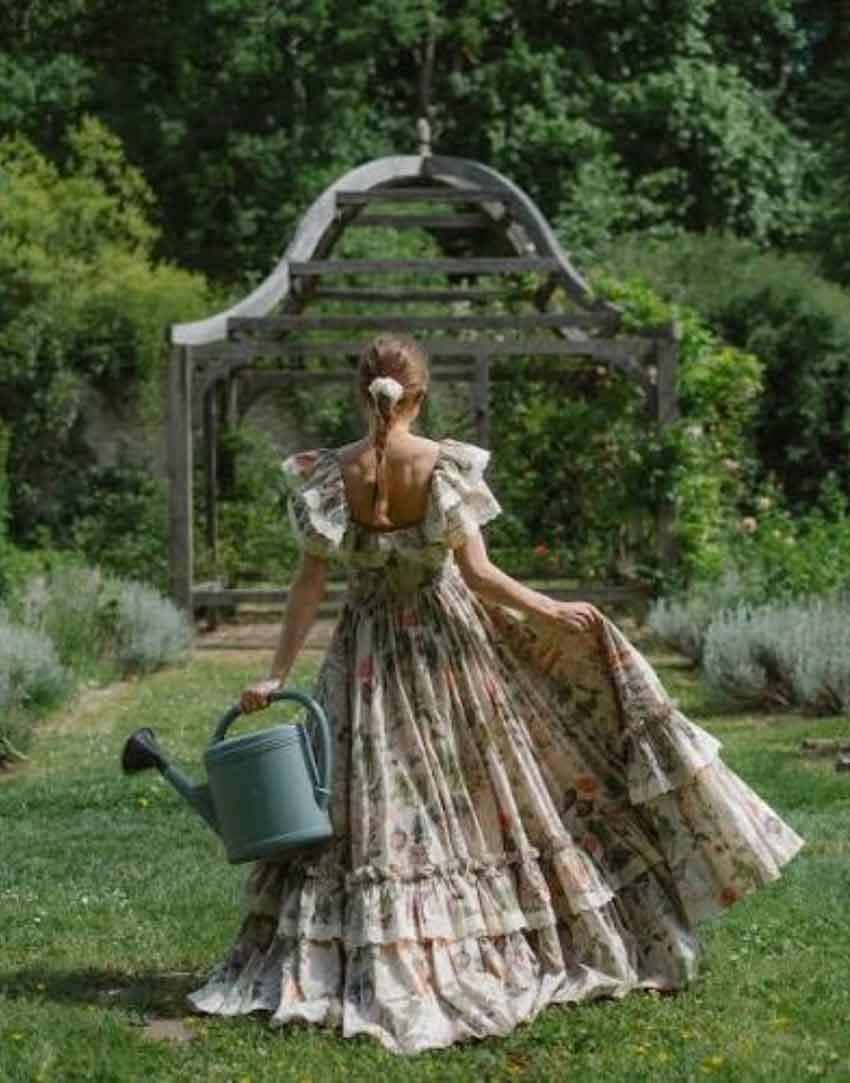
Cottagecore. Mob Wife.
Indie Sleaze.
Y2K.
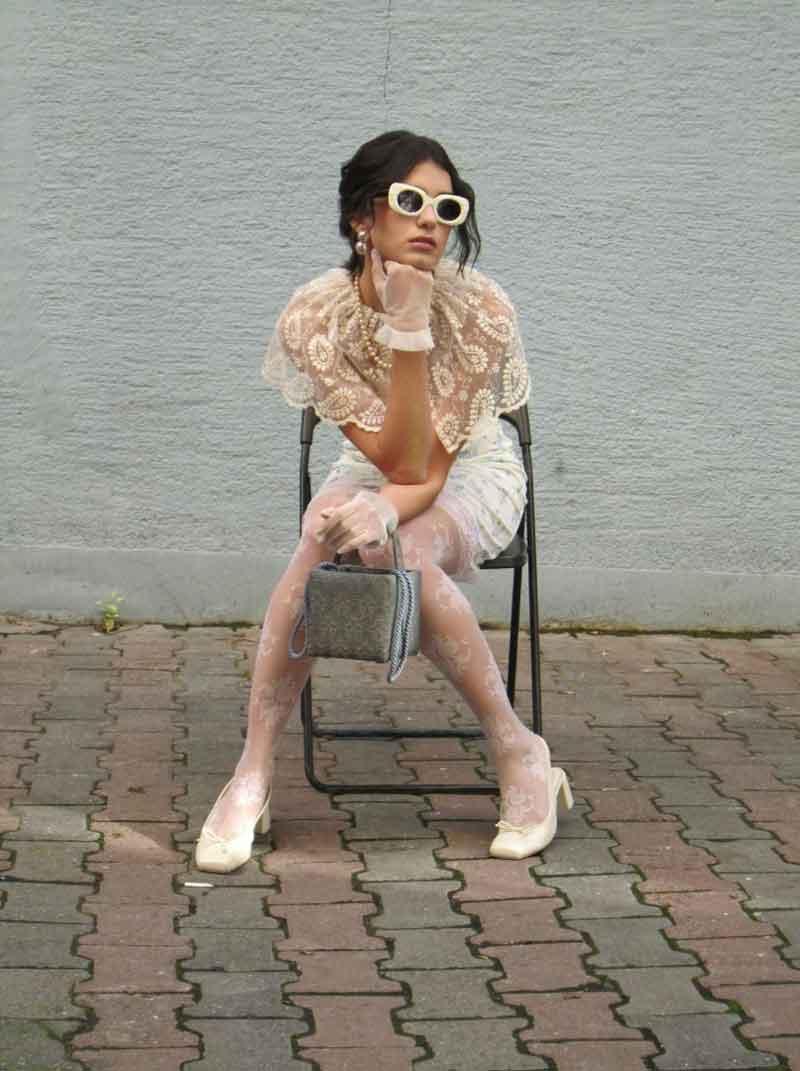
Balletcore.
None of these movements exist in isolation. Each borrows heavily from another era while being presented as something new. Algorithms reward familiarity because familiar content generates engagement. The more people interact with nostalgic imagery, the more frequently those images appear in our feeds. Eventually, nostalgia stops being an occasional inspiration and becomes the default visual language of fashion. The cycle feeds itself.
When Vintage Isn't Really Vintage
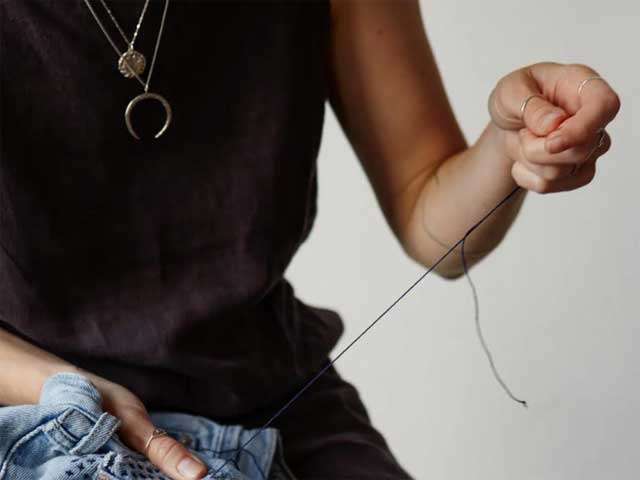
Ironically, much of what is sold as "vintage-inspired" is entirely new. Factories produce distressed denim that has never been worn. New T-shirts are artificially faded to resemble decades-old garments. Freshly manufactured trainers are deliberately aged before they even reach store shelves. Rather than purchasing authentic vintage clothing that already exists, consumers are encouraged to buy newly produced garments designed to imitate age. It presents an interesting contradiction. We celebrate the aesthetics of the past while continuing to manufacture enormous quantities of new products to recreate it. If nostalgia encourages consumers to repair, treasure and wear older garments for longer, it supports sustainability. But if it simply becomes another excuse for constant consumption, then little has really changed beneath the surface.
Fashion Is Selling Feelings
Perhaps the greatest lesson from today's nostalgia movement is that fashion has never been solely about clothing.
People do not purchase luxury handbags because they need somewhere to carry their belongings. They buy confidence, identity and aspiration. The same principle applies to nostalgic fashion. Consumers rarely buy a pair of flared jeans because the cut is objectively superior. They buy the feeling associated with them. The optimism of the 1970s. The rebellion of the 1990s. The playful confidence of the early 2000s. Fashion has become emotional storytelling. People are no longer buying clothes. They are buying moods.
A Challenge for Designers
For emerging designers, nostalgia offers both inspiration and temptation. History contains extraordinary craftsmanship, forgotten techniques and timeless silhouettes worthy of rediscovery. Looking backwards can enrich contemporary design. However, copying the past rarely creates lasting innovation. The designers who transformed fashion did not simply recreate previous decades. Coco Chanel redefined women's wardrobes for a changing society. Yohji Yamamoto challenged Western tailoring through entirely different proportions. Rei Kawakubo questioned conventional ideas of beauty itself. Martin Margiela transformed luxury by celebrating imperfection and deconstruction.
Each understood history, but none became trapped by it. Today's designers face a similar challenge. The opportunity is not to ask which decade should return next. The more important question is what today's generation truly needs from fashion. Perhaps consumers are seeking emotional comfort. Perhaps they are searching for longevity rather than novelty. Perhaps craftsmanship feels increasingly valuable in an age dominated by artificial intelligence. These questions matter far more than whether shoulder pads or low-rise jeans return once again.
Looking Forward
Fashion has always mirrored society. Our current fascination with nostalgia tells us something profound about the world we inhabit. We are navigating uncertainty, constant technological change and information overload. In response, we instinctively seek familiarity. There is nothing wrong with celebrating beautiful garments from the past. Some deserve to be rediscovered, repaired and worn for generations.
But nostalgia becomes meaningful only when it helps us understand where we have been; not when it prevents us from imagining where we could go. Fashion's future will not be built by endlessly recreating previous decades. It will belong to designers who understand why people long for the past and use that understanding to create something genuinely new. Because trends may always return. But great design never looks backwards for permission to move forwards.