BEYOND THE SEAMS BY SHRI AMARASINGHE THE EPIDEMIC OF BEIGE.
There was a time when the world felt more colourful. Not just visually, but emotionally. Streets had character. Homes reflected the personalities of the people who lived in them. Fashion was expressive, sometimes excessive, occasionally ridiculous, but rarely forgettable. Today, however, much of what surrounds us seems to have been drained of its personality. From our wardrobes to our interiors, from cafés to social media feeds, everything appears to be converging towards the same safe aesthetic.
I am not talking about colour alone. Beige itself is not the problem. In the right hands, it can be elegant, sophisticated and timeless. The problem is what beige has come to symbolize. It represents a broader cultural shift towards safety, conformity and predictability. We seem to be living through an epidemic of beigeness, not in colour but in spirit.
Look around any major city in the world and the pattern becomes difficult to ignore. New cafés feature the same muted palette, the same curved furniture and the same carefully curated minimalism. Fashion brands produce endless collections of neutral basics designed to blend seamlessly into one another. Apartment interiors are increasingly indistinguishable, as though they have all emerged from the same Pinterest board. Even luxury brands, once known for taking creative risks, often appear hesitant to stray too far from what is already proven to sell.
What happened to personality? The answer, I suspect, lies partly in fear. We live in an age where every choice is visible, shareable and open to judgement. Social media has given us unprecedented access to inspiration, but it has also created unprecedented pressure to conform. We are constantly exposed to images of what is considered tasteful, stylish and acceptable. Over time, many of us begin editing ourselves accordingly.
Taste has become something we outsource. Instead of asking ourselves what we genuinely like, we ask what will photograph well, what will attract approval and what will fit within the aesthetic expectations of our social circles. The result is a culture that celebrates individuality in theory while rewarding sameness in practice.
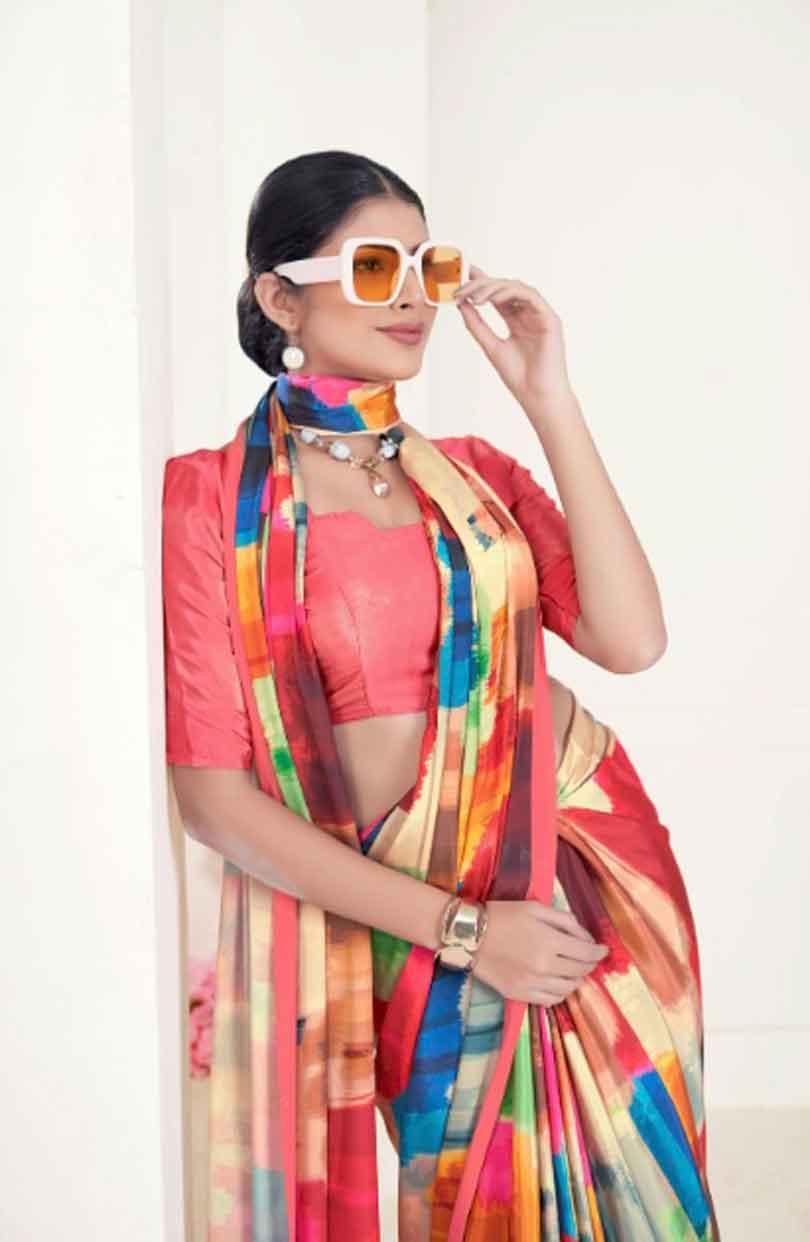
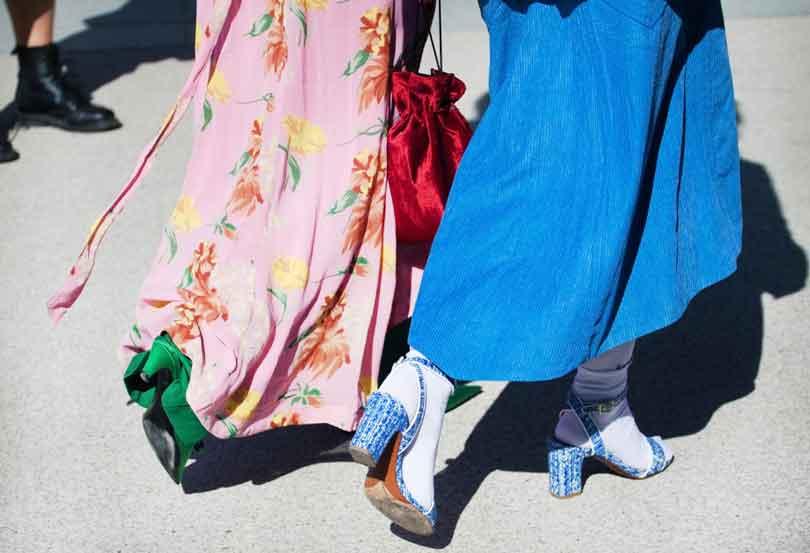
Fashion offers perhaps the clearest example of this contradiction. We often hear that luxury is about craftsmanship, heritage and exclusivity. All of those things matter. Yet there is another aspect of luxury that receives far less attention. Colour is luxury. So is pattern. So is the confidence to make a choice that reflects who you are rather than what everyone else is doing. Choosing to wear bright saffron, emerald green or a boldly printed textile requires a certain degree of self-assurance. Neutrality, by contrast, often asks very little of us. It allows us to disappear into the crowd. There is nothing wrong with simplicity, but there is something troubling when simplicity becomes the only acceptable option.
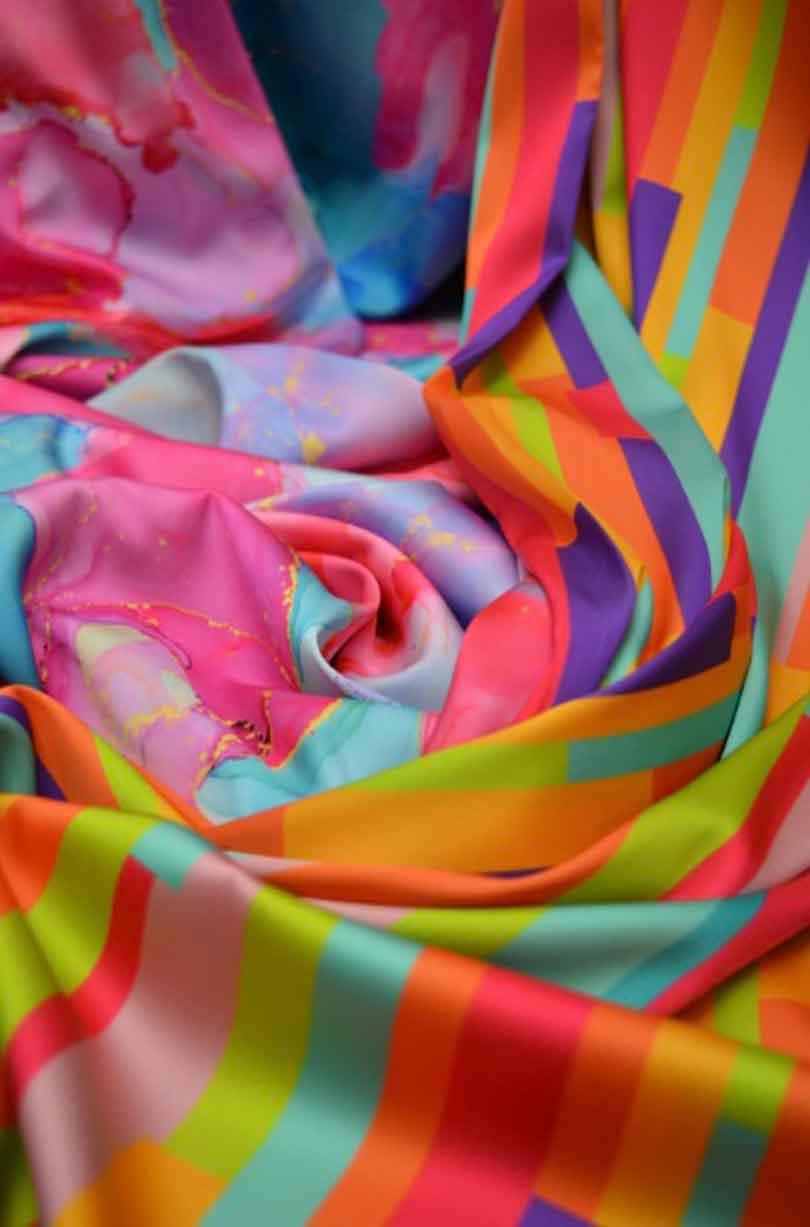
Perhaps this is why so much contemporary design feels strangely lifeless despite being technically excellent. We have become masters of refinement but beginners at imagination. Everything is polished, curated and optimized. Very little is surprising. The irony is that some of history's most influential design movements emerged from the exact opposite mindset. The great creative revolutions were rarely born from caution. They emerged from curiosity, experimentation and a willingness to play. Whether it was the exuberant colours of the 1960s, the radical energy of Italian design or the rich textile traditions found across South Asia, these movements were driven by people asking, ‘What if?" rather than "What will sell?’
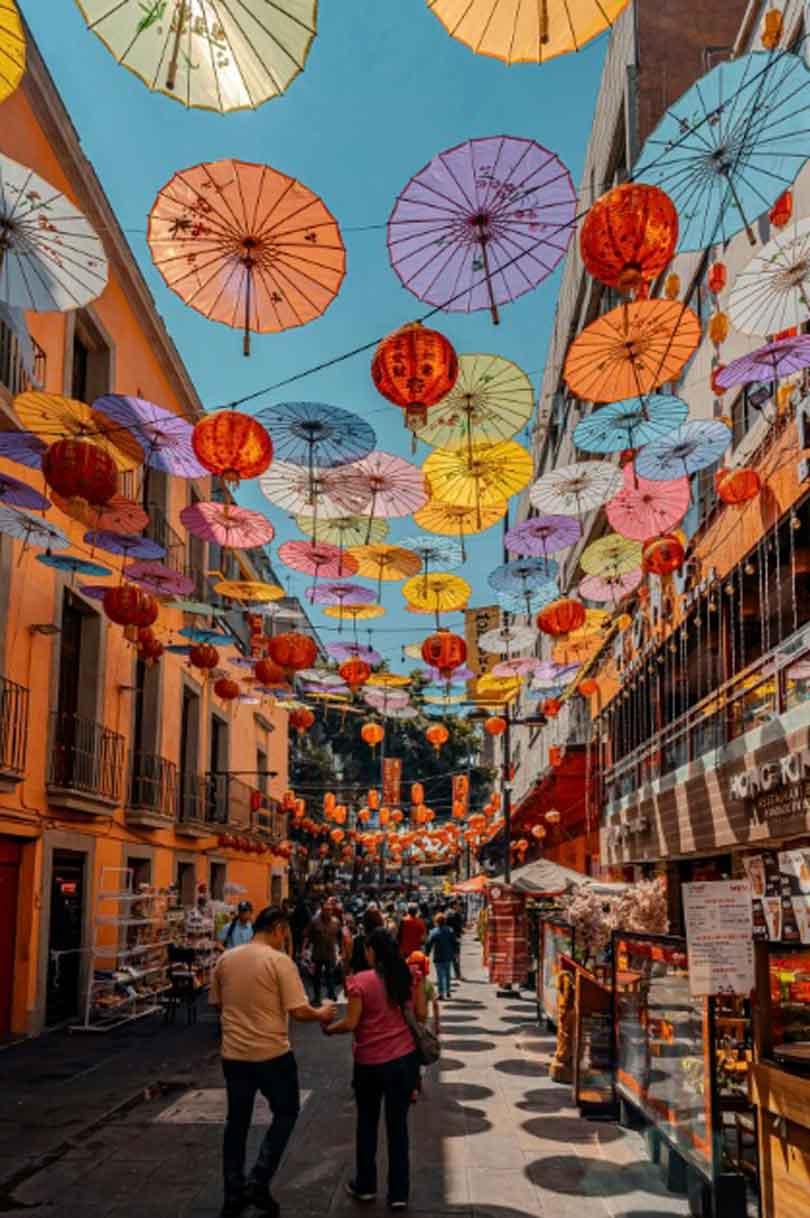
Playfulness has always been one of humanity's most powerful creative tools. Yet somewhere between productivity culture, algorithmic influence and commercial efficiency, many of us have lost touch with it. We have become so focused on getting things right that we have forgotten the value of exploration. Children understand this instinctively. They draw purple elephants and orange skies without worrying whether the colours match. They create for the joy of creating. They are not concerned about personal branding, audience engagement or market positioning. Their imagination operates freely because it is not yet constrained by the fear of being wrong. As adults, we gradually lose that freedom. We become practical. We become sensible. We learn to seek approval before expression. Slowly, our creativity begins to shrink. This matters because creativity is not confined to art, fashion or design. Creativity shapes the way we solve problems, build businesses, form relationships and imagine better futures. When we stop exercising it in small ways, we often stop exercising it in larger ways too.
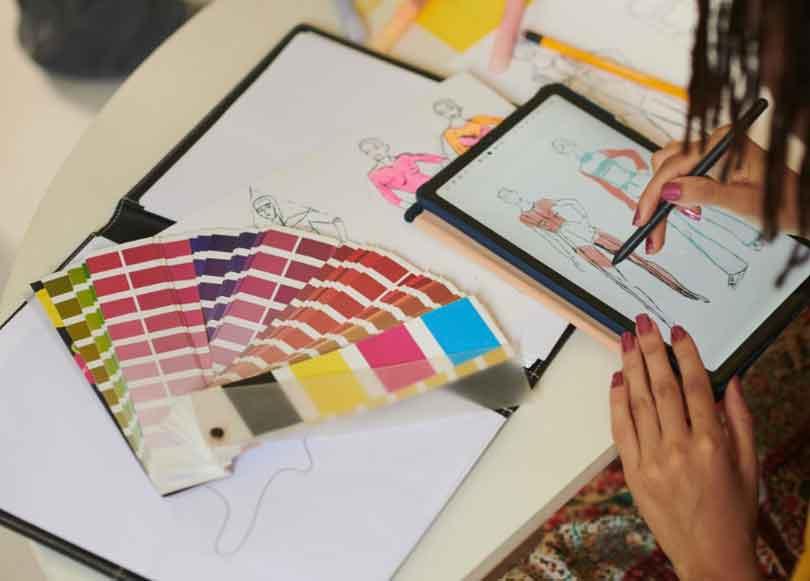
The courage required to wear something unusual is not entirely different from the courage required to challenge conventional thinking. Both involve risk. Both require confidence. Both begin with a willingness to trust one's own judgement. Perhaps that is why the epidemic of beige feels significant. It is not really about interiors, clothing or colour palettes. It is about a culture that increasingly values safety over self-expression. It is about the gradual disappearance of wonder. For those of us working in fashion, this should be a cause for concern. Fashion at its best is not simply about garments. It is one of the most accessible forms of creative expression available to us. Every morning, we make decisions about how we want to present ourselves to the world. Those choices can be practical, but they can also be imaginative.
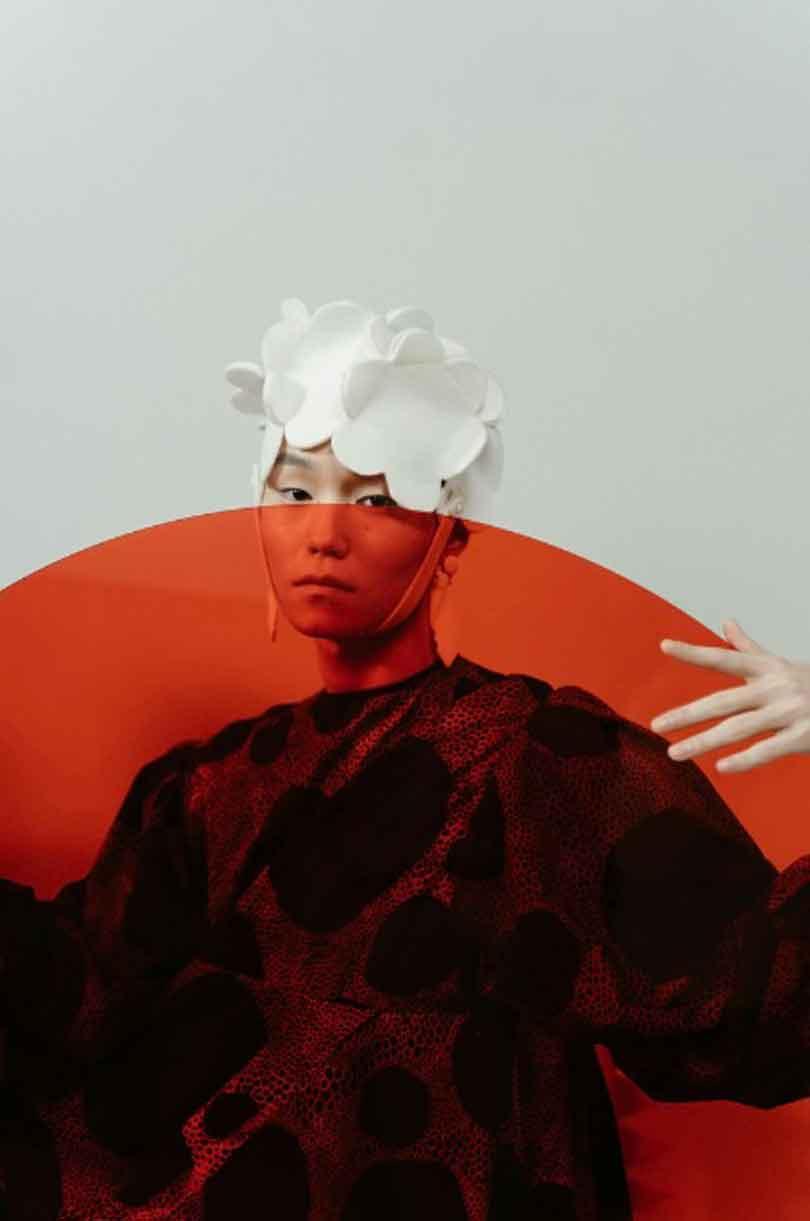
The future of design will not be saved by another trend forecast or another viral aesthetic. It will be saved by people willing to rediscover their own taste. By people willing to embrace colour, texture, pattern and individuality without waiting for permission from an algorithm. Perhaps what we need most is to reconnect with the part of ourselves that once approached the world with curiosity. The child who mixed colours simply because they looked joyful together. The child who built imaginary worlds from cardboard boxes and saw possibility where adults saw limitations. In a world increasingly obsessed with optimization, becoming interesting again may be a radical act. Because the opposite of creativity is not ugliness. It is sameness. And if we are not careful, we may wake up one day to find that the entire world has become beige.