Did Our Choices Set the World on Fire?

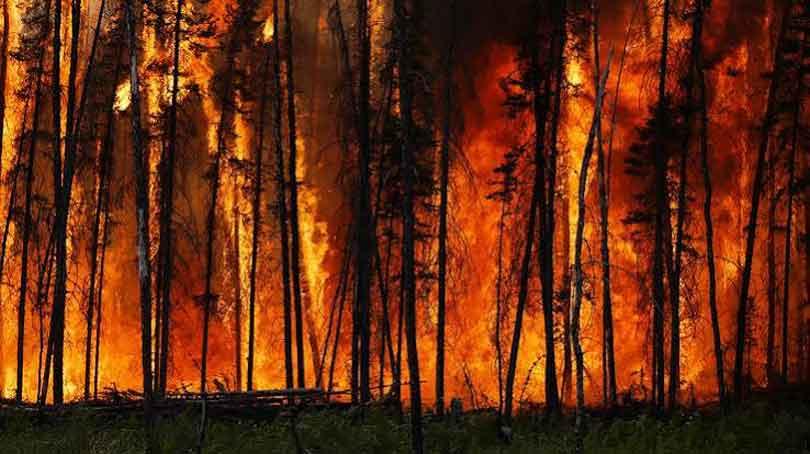
This week the world has appeared, to all appearances, to be in a state of combustion. From France comes word of the evacuation of more than 140,000 souls, as wildfires of unprecedented ferocity swept through the Bordeaux region. In Spain, authorities have declared a national emergency for the first time in living memory on account of fire, as thousands fled the encroaching flames near Madrid. Across the Atlantic, Canada continues to contend with one of the most severe wildfire seasons on record, with millions of hectares already consumed. Even in Sri Lanka, long spared the worst of such calamities, dry conditions have now given rise to fires in protected forests and grasslands. It is easy, in the face of such reports, to regard them as separate misfortunes; isolated acts of nature occurring in distant lands. Yet they are not isolated. They are linked. And, whether acknowledged or not, they are linked to us, not only through the governments we elect or the vehicles we operate, but also through the garments we choose to wear.
When the phrase “climate change” is spoken, the mind is quick to conjure images of smokestacks, aeroplanes, oil fields and congested motorways. Rarely does the subject of fashion enter the discussion. Yet behind the polished advertising, the carefully staged imagery, and the ceaseless stream of “new arrivals,” lies one of the most resource-intensive industries on Earth. Estimates suggest the fashion sector accounts for between 2 and 8 percent of global greenhouse gas emissions, depending upon method of calculation, with some assessments placing the figure higher when full supply chains are considered. It is also among the largest consumers of water and producers of waste worldwide. The uncomfortable reality is that fashion has quietly become part of the climate story, and so, in truth, have we all.
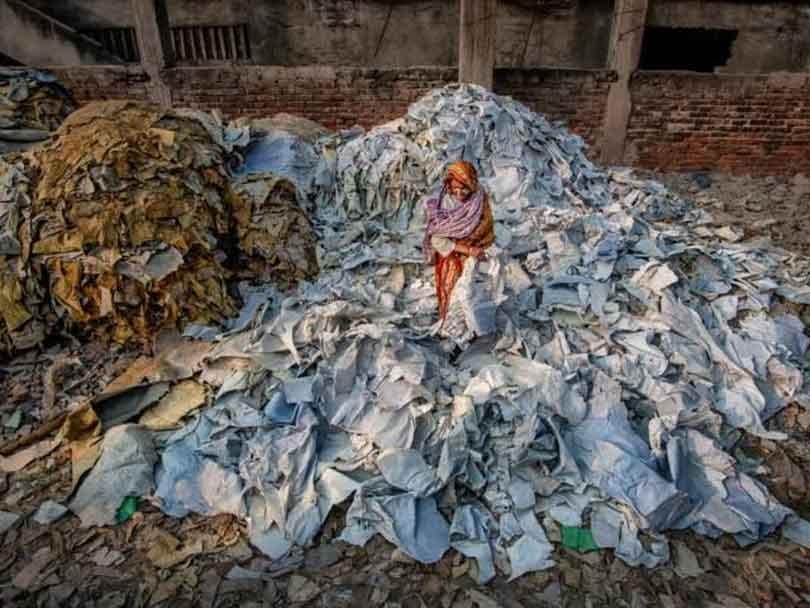
There is no fault in the act of purchasing clothing itself. Clothing is a necessity as well as expression, an element of culture, identity and craft. The difficulty arises when clothing ceases to serve the wearer and instead becomes fuel for an unending demand for novelty. Where once collections were released twice yearly, they then became seasonal, then monthly. Today, many retailers introduce hundreds, sometimes thousands, of new items each week. Social media has only hastened this rhythm. Trends no longer endure for years, nor even seasons; they pass in weeks. One moment the “clean girl” aesthetic prevails, the next the “mob wife,” then the “coastal grandmother,” and before one has settled into the last, another arrives to replace it. Thus, wardrobes have become, in effect, disposable timelines.
Garments are worn a handful of times, then forgotten, or discarded. The satisfaction of purchase is brief; the anticipation of delivery often outlasts the enjoyment of ownership. Fast fashion, it appears, has mastered a principle well understood by psychologists: novelty produces reward. A small surge of pleasure accompanies each new acquisition, and so the cycle continues. Yet no wardrobe, however full, ever feels complete. Behind each inexpensive garment lies a cost not reflected on the price tag.
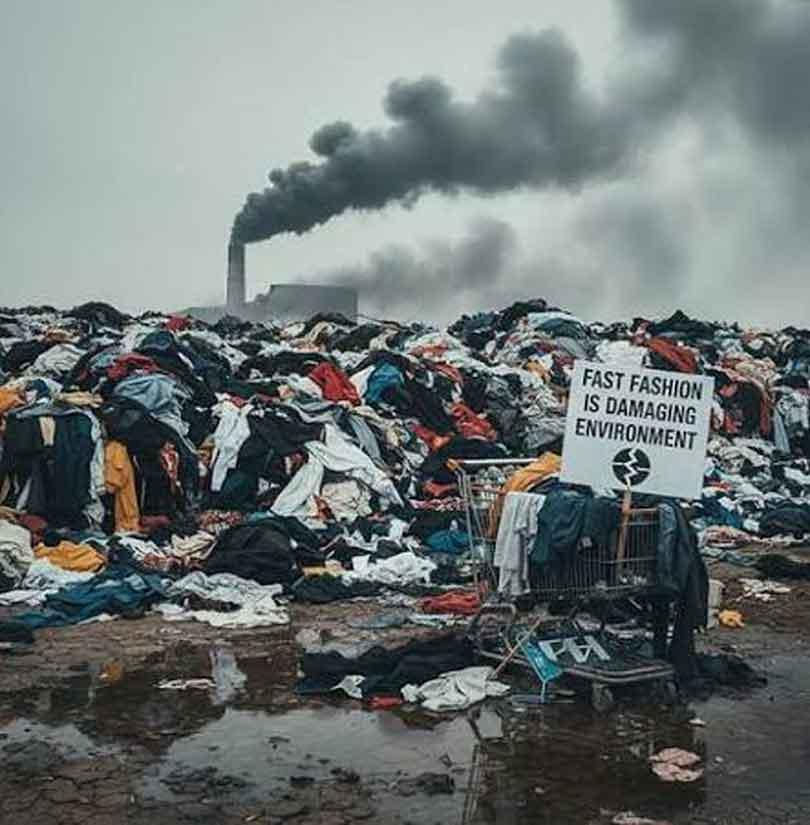
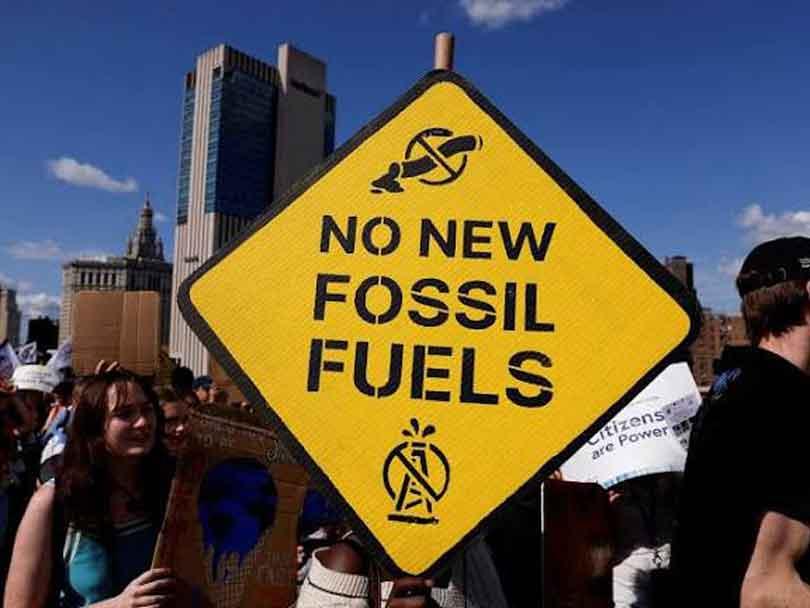
Today, approximately 60 percent of global textiles are made from polyester, a material derived from fossil fuels. Each synthetic garment begins not in soil or field, but in oil. The extraction, refinement, production and global transport of these materials require vast quantities of energy.
In a striking irony, the same fossil fuels that contribute to climate change are woven directly into the clothing we wear. To purchase five polyester garments instead of one durable piece is not merely a matter of style or preference; it is to increase demand for extraction, manufacturing, transport, and ultimately emissions.
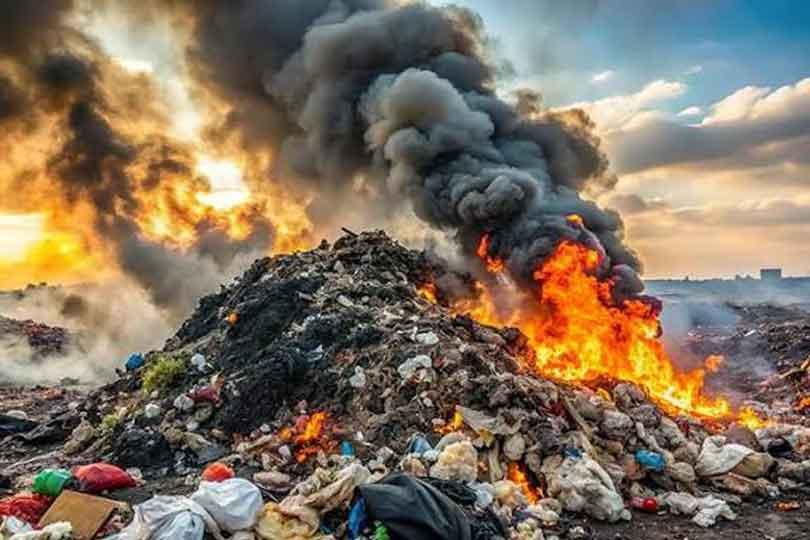
For years, climate scientists have explained the link between greenhouse gases and rising global temperatures. Warmer conditions bring longer droughts, drier landscapes and more intense heatwaves, conditions in which wildfires more easily ignite and more fiercely spread. While clothing does not directly spark these fires, the systems of overproduction and overconsumption contribute to the warming environment in which they thrive. Thus, the fires in France, Spain, Canada and elsewhere should not be read merely as isolated environmental reports. They are warnings, warnings that the planet is responding to decades of extraction, excess and consumption.
The irony is difficult to ignore. We are told that clothing will make us feel more alive, while forests that have stood for centuries are reduced to ash. Wildlife is displaced, communities are evacuated in haste, and firefighters risk, and at times lose, their lives in defense of places that have endured far longer than any passing trend. Yet the answer is not the abandonment of fashion. Fashion, at its best, has always been one of humanity’s most expressive arts, speaking of culture, identity, craftsmanship and imagination. The future of fashion need not be less creative, but it must be more considered.
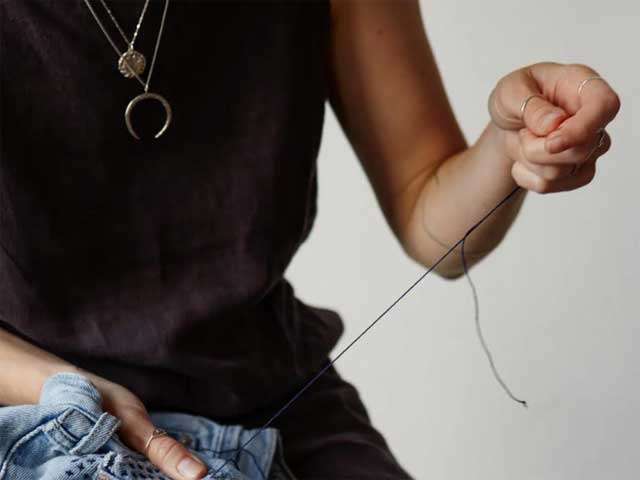
One might imagine a single well-made jacket designed to last a decade, rather than five garments intended for a single season. Repair in place of replacement. Borrowing in place of buying. Craft in place of algorithm. Clothing that becomes part of personal history, rather than part of next month’s waste stream. Studies consistently show that extending the life of a garment significantly reduces its environmental impact, as the resources invested in its creation are distributed across many more years of use. Perhaps, then, luxury should no longer be measured by price alone. Perhaps true luxury is longevity. Perhaps it is owning fewer things that matter more. Perhaps the most sustainable wardrobe is not one newly assembled, but the one already hanging in the cupboard.
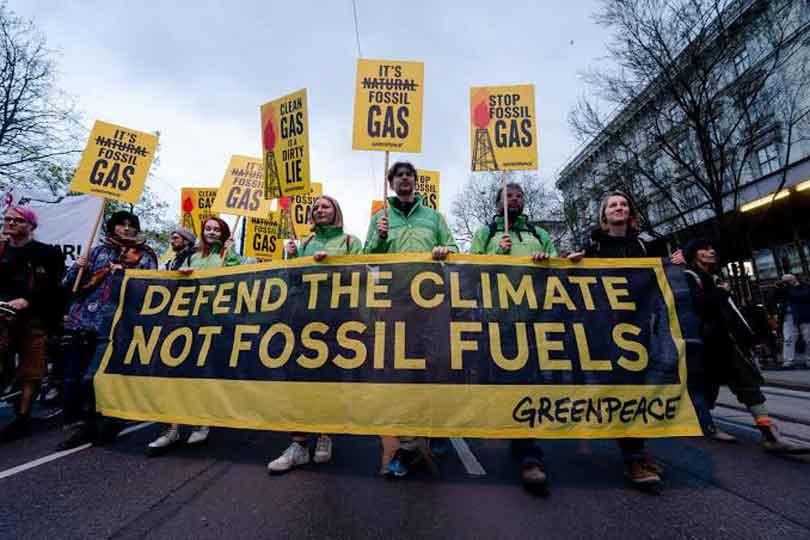
Designers, manufacturers, governments and consumers alike all bear responsibility. Industry must reconsider production. Policy must encourage circular systems over disposable ones. Brands must speak honestly about the true cost of their goods. And consumers, before each purchase, might ask a simple question: “Do I truly need this?” Not because fashion should disappear, but because forests should not.
The smoke rising over France, Spain, Canada and Sri Lanka is not merely weathered air. It is a message carried across continents. The climate crisis is no longer a distant concern awaiting future generations. It is here, pressing at our doors, darkening our skies, and reminding us that every purchase is also a choice about the world we inhabit. Perhaps the most enduring fashion statement of our time is not the acquisition of something new, but the decision to wear what we already have, to wear it longer, and to prove that style need not come at the expense of the Earth.
The unsettling truth about climate change is this: the Earth itself will probably endure. It always has.
Billions of years ago, our planet was little more than a hostile landscape of volcanic fire, molten rock and primordial seas. It survived asteroid impacts, ice ages and mass extinctions. Life eventually found a way to begin again.
The question is not whether the Earth will survive. The question is whether we will.