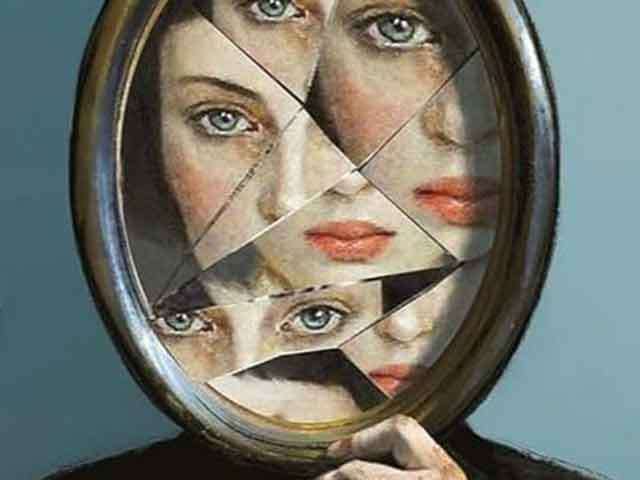
You don’t see things as they are. You see things as you are.
 A simple text message can mean completely different things depending on who is reading it. Consider a one-word reply like "okay." While one individual might view it as a perfectly standard response, another might instantly assume the sender is upset, irritated, or emotionally withdrawing. Although the text remains identical in both scenarios, the significance we assign to it is heavily dictated by our mood, insecurities, past experiences and expectations.
This happens more often than we realise. A late reply can feel like rejection. A full stop can seem cold. A short answer can feel personal, even when the other person may simply be busy or distracted. During these interactions, we are not just reading text on a screen; we are filtering those words through the lens of our own psyche.
This perfectly illustrates the concept that we perceive the world not as it objectively exists, but as a reflection of our own internal state. Our reality is rarely a neutral reflection of what is actually happening. Instead, it is shaped by our mindset, feelings, memories, anxieties, convictions and prejudice.
Understanding this matters because the way we see situations affects the way we react to them. It influences our relationships, our confidence, our decisions, and even the way we judge other people.
The reason we do not all see the world in the same way is because the brain does not simply record reality like a camera. Instead, it filters, selects, and interprets information. We are continuously bombarded by a chaotic influx of sensory input: sounds, sights, facial expressions, words, memories and emotions. To prevent total cognitive overload, the mind relies on shortcuts. It focuses on what seems important and ignores the rest. The problem is that what seems “important” is often shaped by who we are.
A primary driver of this selective focus is confirmation bias. This is the tendency to look for evidence that supports what we already believe. For example, if someone already believes they are being ignored, they may notice every late reply, every short message, and every change in tone, while ignoring signs that the other person still cares. In essence, the mind actively gathers evidence to validate a narrative it has already constructed.
Past experiences also play a powerful role in shaping perception. A person who has been betrayed before may find it harder to trust, even when there is no real evidence of dishonesty. Someone who grew up in a very critical environment may hear feedback as rejection rather than guidance. Factors such as our upbringing, cultural background, previous heartbreaks, disappointments, and achievements all merge into the unseen lenses through which we evaluate our current circumstances.
Our current emotional state can also completely change how we interpret a situation. When we are already stressed, tired, or insecure, a harmless comment can feel like an attack. A delayed response can feel personal. A small mistake can feel like proof that everything is going wrong. But when we are in a good mood, the same situations feel much easier to handle. A short reply may seem normal. A problem may feel solvable. A criticism may sound helpful instead of hurtful.
Ultimately, our experience of reality is determined not just by what happens to us. It is also about what is happening inside us when we experience it.
This “internal lens” does not only affect big life decisions. It shows up in small, everyday moments. It shows up in the way we speak to people, react to failure, scroll through social media, and judge what is happening around us.
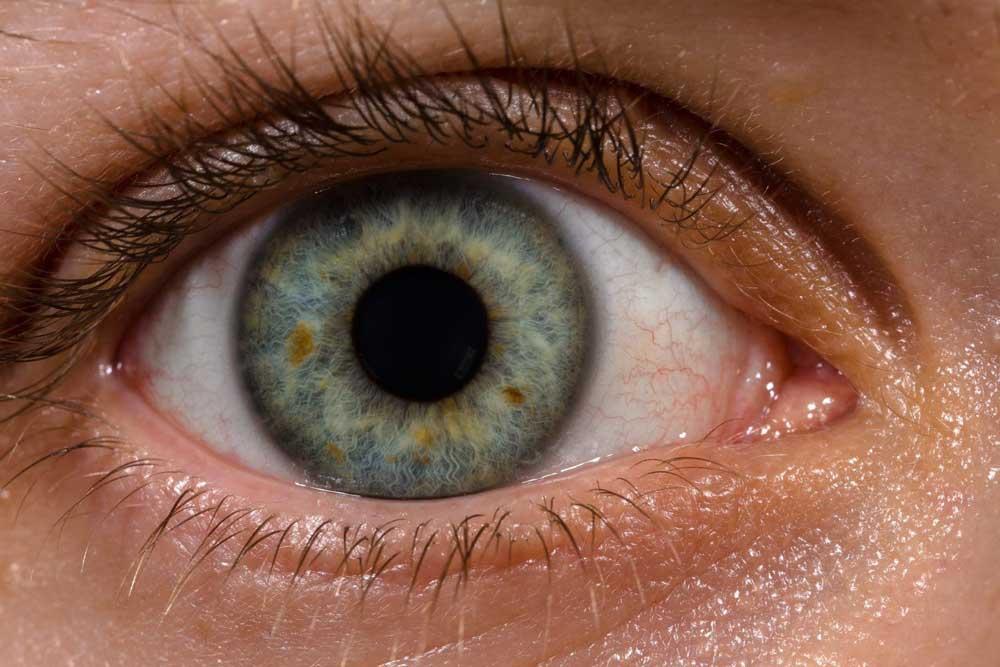
In relationships, perception can easily create misunderstandings. There is a common tendency to project our own motivations, emotions, and behavioral patterns onto others. For example, if a partner sounds quiet, we may assume they are upset with us but sometimes, the truth is much simpler. They may be busy, tired, distracted, or dealing with something they have not spoken about. The problem begins when we treat our assumptions as facts. Instead of asking what is really going on, we react to the version of the story our mind has created.
This also affects how we see success and failure. An individual possessing a growth mindset interprets an error as constructive data or as a valuable opportunity for refinement and development. For them, a setback is merely a temporary hurdle. Conversely, someone with a fixed mindset may see the same mistake as proof that they are not smart enough, talented enough, or capable enough. The event is the same, but the meaning attached to it is completely different. One person sees a lesson. The other sees a label.
Social media and news highlight this divergence even further. Identical headlines can produce entirely contradictory conclusions in different readers. This is not because the words changed, but because their beliefs shaped the way they understood them. Online, we are often drawn to posts, opinions, and stories that confirm what we already think. This can make our worldview feel stronger, but not always more accurate. A comment that challenges us may feel like an attack, while a post that agrees with us may feel like “proof.”
In daily life, we are constantly interpreting more than we are simply observing. Our reactions are triggered not by raw events, but by the significance we assign to them. This explains why an identical event can leave two individuals with completely contrasting emotional experiences.
The risk intensifies the moment we lose sight of the fact that our view is mediated by a personal filter. When we believe our perception is the only truth, we stop questioning our assumptions and become trapped inside our own point of view.
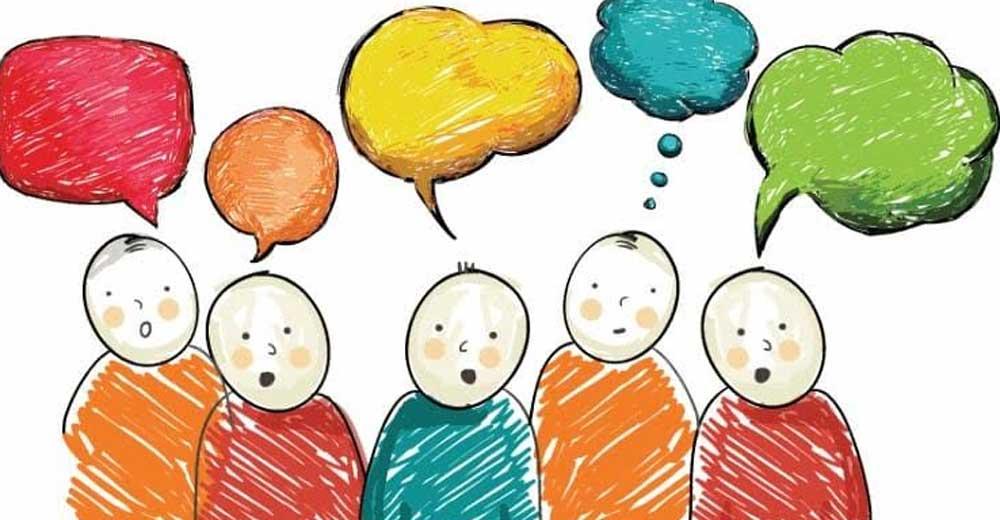
This is how echo chambers form. We surround ourselves with people, opinions, and online content that confirm what we already believe. Over time, our views start to feel like facts, simply because we are rarely exposed to anything that challenges them. Consequently, we grow increasingly defensive and resistant to alternative ideas.
Psychological projection represents another significant hazard. This happens when we place our own fears, insecurities, or negative emotions onto other people. For example, someone who feels insecure may assume others are judging them. Someone who has been hurt before may believe everyone is likely to hurt them again.
Our emotions are real, but they are not always accurate evidence of reality. Feeling rejected does not always mean we are being rejected. Feeling attacked does not always mean someone intended to hurt us. That is why self-awareness is important: it helps us separate what is actually happening from the narrative our mind weaves around it.
Once we understand that our perception is shaped by emotion, bias, and past experience, the next step is learning to pause before reacting. When a text message feels cold, a comment feels insulting, or a situation feels personal, we can challenge our initial reaction by asking ourselves if that is what is actually happening or if that is how we are interpreting it. By practising self-awareness, staying curious instead of judgmental, and listening to perspectives different from our own, we slowly learn to see situations with more clarity rather than only through our own emotional lens.

The way we see the world is often a reflection of what is happening within us. Our thoughts, emotions, past experiences, beliefs, and biases all shape the meaning we give to situations.
However, recognizing this psychological framework should not make us feel trapped. In fact, it is empowering. If we “see things as we are,” then changing ourselves can also change the way we experience the world. By becoming more self-aware, questioning our assumptions, and checking whether our emotions are influencing our judgement, we can begin to see situations more clearly.
While external events often remain beyond our influence, we possess the capacity to analyze the personal filters we apply to them. Therefore, before reacting too quickly, ask yourself whether you’re seeing things as they are or whether you're seeing things as you are.
What you see says as much about you as it does about the world.