We All Act Before We Become: Why “Faking It” Isn’t Always Being Fake

“Don’t be fake.” It is one of the most common pieces of advice we hear. We are told to be authentic, to stay true to ourselves, and never pretend to be someone we are not. It is good advice, up to a point. Pretending to be someone else to deceive people or gain an unfair advantage is dishonest. But there is another kind of “acting” that often goes unnoticed. It is the kind of acting that helps us grow into the person we are trying to become.
Think about something as ordinary as going to sleep. You cannot force yourself to sleep instantly. Instead, you close your eyes, slow your breathing, lie still, and pretend to sleep. Ironically, this “fake” state often becomes real. Before long, your body relaxes, your mind drifts away, and you are genuinely asleep. The act of pretending creates the conditions for reality.
Life works much the same way.
Every meaningful transformation begins with actions that may feel unnatural. The first day at a new job, you act confident even though your hands are shaking. The first time you stand before an audience, you smile despite the fear inside. The first time you decide to become disciplined, you force yourself to wake up early, even though every part of you wants to stay in bed. In those moments, you are not being fake. You are practising the person you hope to become.
There is a significant difference between deception and development. Deception hides the truth for personal gain. Development stretches you beyond your comfort zone until your new behaviour becomes genuine. One is dishonest. The other is growth.
Children demonstrate this beautifully. Watch a child pretending to be a doctor, a teacher, an astronaut, or a chef. They imitate adults with remarkable seriousness. They use toy stethoscopes, imaginary classrooms, cardboard rockets, and plastic cooking utensils. Nobody criticises them for being fake. Instead, we encourage their imagination because we understand that pretending is part of learning. Through imitation, children develop confidence, creativity, and the skills they may one day use in real life.
Adults often forget this lesson.
We expect ourselves to be naturally confident before taking on a challenge. We believe we should already possess courage before facing our fears. We wait to feel motivated before beginning difficult work. Unfortunately, life rarely works that way. Confidence usually comes after repeated attempts. Courage grows only after we choose to act despite fear. Motivation often appears once we have already started.
Psychologists have long understood the relationship between behaviour and emotion. While we often assume that feelings determine our actions, the reverse can also be true. Our actions influence our emotions. Smiling can improve our mood. Standing tall can make us feel more confident. Repeating positive habits can reshape our identity over time. Behaviour does not simply reflect who we are, it also helps create who we become.

This is why successful people often appear fearless, even when they are not. Actors experience stage fright. Athletes feel nervous before important competitions. Entrepreneurs question their decisions before launching businesses. Public speakers battle anxiety moments before walking onto the stage. Yet they perform anyway. Their confidence is not the absence of fear but the decision to move forward despite it.
Many people misunderstand the phrase “fake it till you make it.” They imagine it encourages dishonesty or arrogance. In reality, its healthiest meaning is much simpler: behave according to the standards of the person you wish to become while remaining honest about where you currently are.
A student struggling academically may begin acting like a disciplined learner by studying consistently every day. At first, it feels forced. Months later, discipline becomes second nature. A shy individual may deliberately greet strangers, make eye contact, and join conversations. Initially, every interaction feels uncomfortable. Eventually, confidence develops naturally. Someone trying to live a healthier lifestyle may choose nutritious meals and regular exercise before actually feeling like a healthy person. Over time, their identity changes to match their actions.
The same principle applies to kindness.
There are days when we do not feel patient. We may not feel forgiving, generous, or compassionate. Yet choosing kindness even when it feels difficult does not make us fake. It strengthens those qualities within us. Character is built through repeated choices, not occasional emotions.
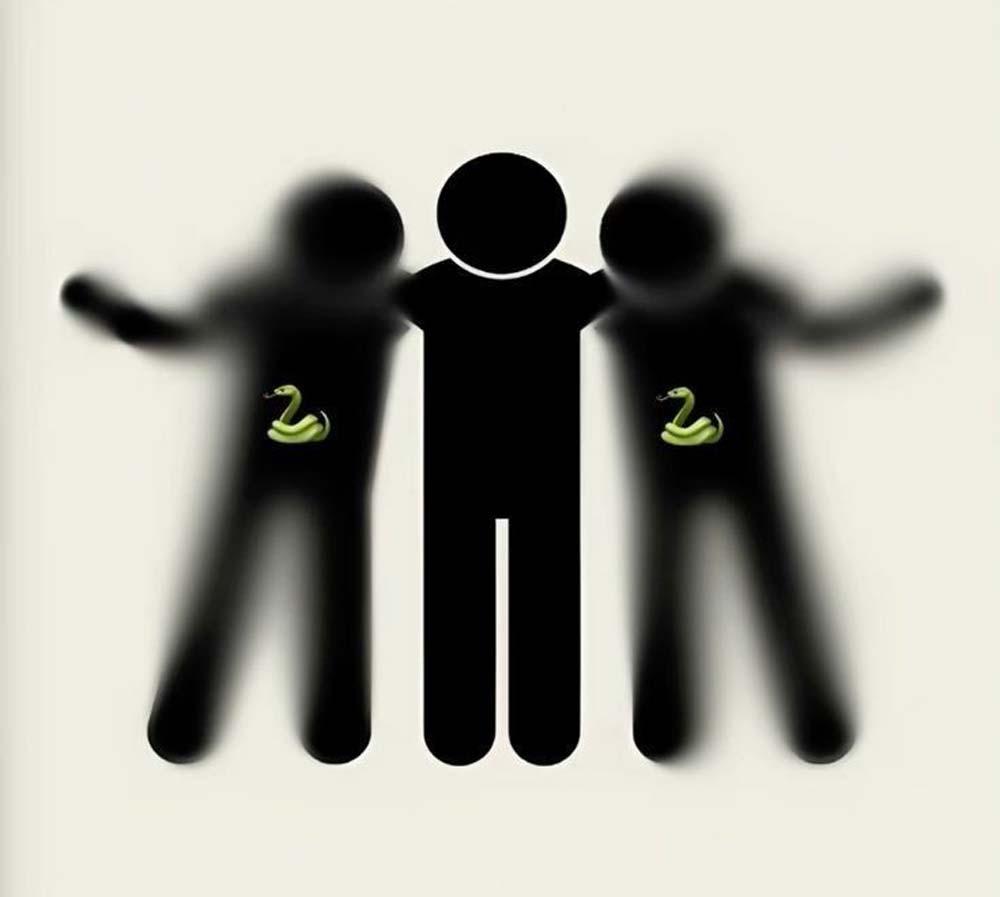
However, there is an important boundary. Acting should never become living behind a permanent mask. If we constantly pretend to be happy while silently struggling, refuse to ask for help because we want to appear strong, or create false versions of ourselves to impress others, we risk losing touch with our authentic identity. Growth requires honesty about our weaknesses as much as it requires practising our strengths.
The healthiest form of acting is temporary. It serves as a bridge between who we are today and who we aspire to become. Once we reach the other side, the performance is no longer necessary because the behaviour has become part of our character.
History offers countless examples of this transformation. Great leaders were once uncertain beginners. Celebrated musicians once stumbled through their first lessons. Award-winning writers once faced blank pages filled with doubt. None of them were born fully formed. They repeated behaviours long before they fully believed in themselves. Their persistence gradually transformed effort into identity.
Perhaps this is why life itself feels like a rehearsal. Every mistake teaches us. Every attempt shapes us. Every uncomfortable experience prepares us for the next challenge. We are all, in some way, practising the people we hope to become.
So the next time someone says, “Don’t act,” remember that not all acting is hypocrisy. Sometimes it is preparation. Sometimes it is courage in disguise. Sometimes it is the quiet determination to keep moving before confidence arrives.
After all, every night we close our eyes, become still, and imitate sleep before genuine sleep takes over. If pretending for a few moments can lead to real rest, perhaps practising confidence, discipline, kindness, and courage can also lead to something real.
The goal is not to become an expert at pretending. The goal is to keep practising until the person you once had to act like becomes the person you truly are.