The Return of Glamour
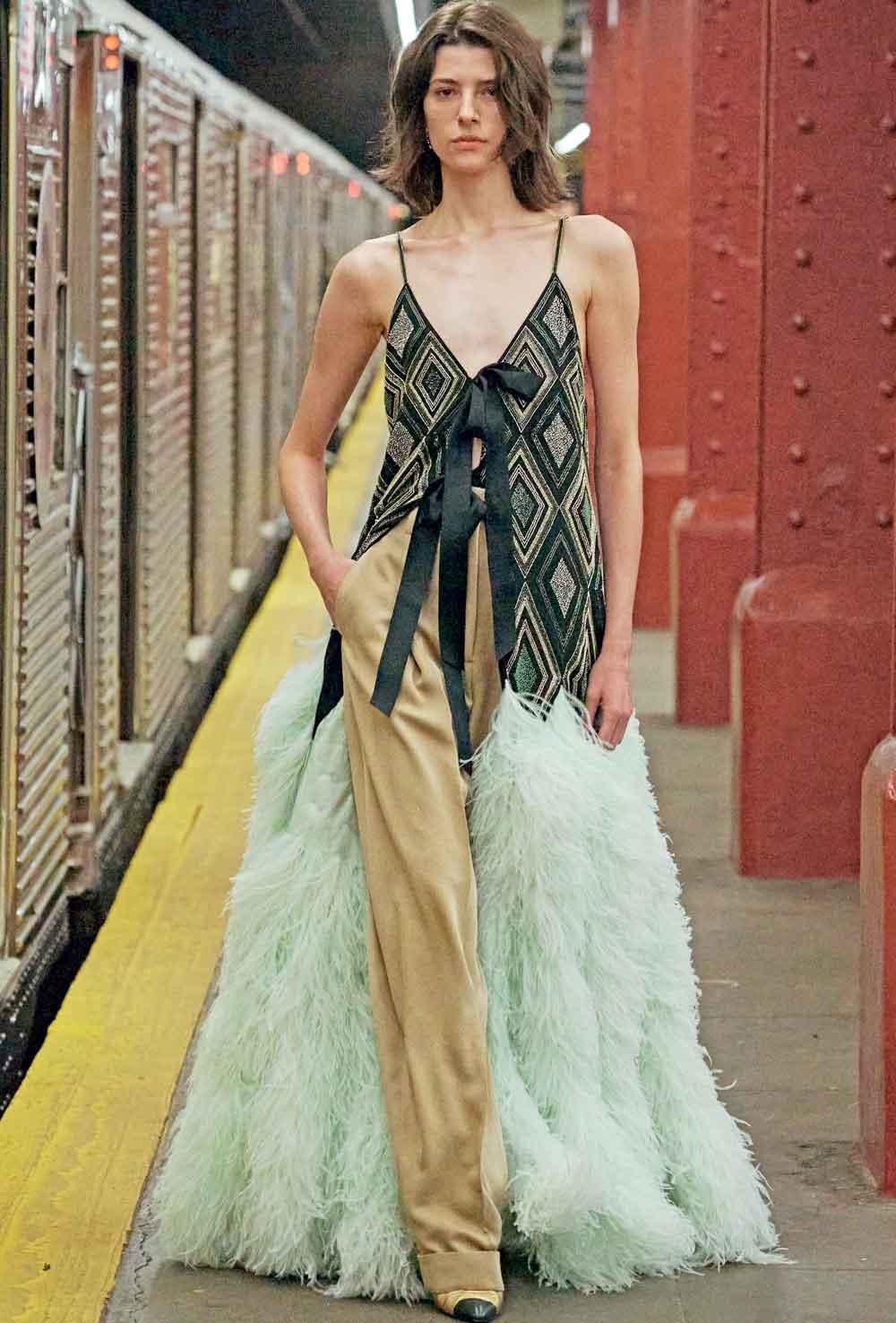
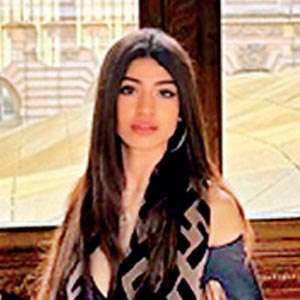
Chanel
FASHION ROOM BY ANJNA KAUR
For the past few years, fashion has been defined by restraint. The rise of the clean girl aesthetic, quiet luxury and minimalist dressing encouraged consumers to embrace neutral palettes, understated accessories and an almost effortless approach to style. The mood was one of discretion. Wealth whispered rather than shouted and fashion's most coveted pieces were often those that appeared the least conspicuous. Simplicity became synonymous with sophistication. A perfectly tailored camel coat, an oversized blazer or a logo free handbag communicated status through subtlety rather than display.
Yet fashion, by its very nature, is cyclical. It thrives on reinvention and has an extraordinary ability to mirror cultural moods and collective desires. What once feels fresh and exciting eventually gives way to something new. Across runways, red carpets and social media feeds, glamour is making a triumphant return. Rich colours are replacing beige minimalism. Gold jewellery is becoming bolder and more sculptural. Eveningwear is appearing far beyond traditional occasions and beauty trends are embracing drama once again.
After years of quiet sophistication, fashion seems ready to celebrate excess, individuality and a renewed sense of occasion. The return of glamour is not simply about dressing up. It reflects a broader cultural shift in how people want to feel, express themselves and engage with fashion. Consumers are increasingly drawn to pieces that spark emotion and make getting dressed feel exciting again. Personally, I am loving every bit of it.
Few trends have dominated recent years quite like quiet luxury. Characterised by impeccable tailoring, muted colours and logo free dressing, the aesthetic gained tremendous momentum through popular culture. Television shows such as Succession reinforced the idea that true wealth is discreet, and that sophistication lies in understated craftsmanship rather than conspicuous branding. Brands that focused on quality fabrics and refined silhouettes became the ultimate symbols of aspiration. Cashmere coats, structured handbags and timeless separates defined the look.
There is no doubt that quiet luxury still holds considerable influence, and many elements of this aesthetic will remain relevant. However, consumers are increasingly showing signs of fatigue towards an approach that can sometimes feel overly restrained and emotionally distant. Fashion has always been rooted in fantasy, creativity and self-expression. For many people, clothing is not simply about practicality. It is about transformation. What we wear can alter our mood, boost confidence and allow us to present different versions of ourselves to the world.
After several seasons dominated by minimalism, there is a growing appetite for pieces that evoke excitement, joy and personality. The shift can be seen clearly in recent runway collections, where designers have embraced embellishment, metallic fabrics, dramatic silhouettes and vibrant colour palettes. Rather than rejecting elegance, fashion is redefining it through a more expressive lens. Sophistication is no longer solely associated with restraint. It is increasingly being linked with confidence, boldness and the courage to be seen.
One of the clearest indicators of glamour's return can be found in jewellery. For years, delicate layering and barely there pieces dominated the market. Fine chains, small hoops and understated rings aligned perfectly with the minimalist mood that characterised the early 2020s. Jewellery functioned almost as an extension of quiet luxury, complementing an outfit without ever demanding attention.
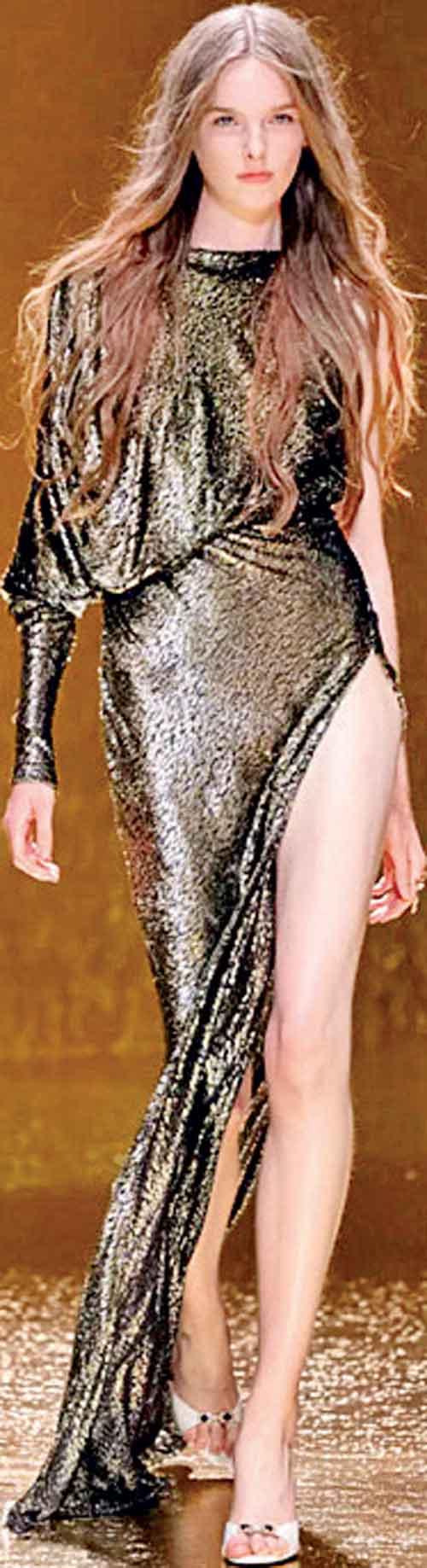
Roberto Cavali
Today, consumers are gravitating towards jewellery that makes a statement. Chunky gold earrings, sculptural cuffs, cocktail rings and layered necklaces are once again taking centre stage. Jewellery is no longer merely an accessory. It is increasingly becoming the focal point of an entire look. A striking pair of earrings can transform a simple black dress. A dramatic cuff can elevate a white shirt and tailored trousers. Accessories are being used not simply to complete an outfit but to define it.
This shift reflects a broader desire for fashion to feel intentional and expressive. In an era where many wardrobes are built around simple foundations, accessories offer one of the easiest ways to inject personality into everyday dressing. Gold in particular is experiencing a significant resurgence. Warm, luminous and inherently associated with luxury, gold jewellery brings a sense of richness and opulence that aligns perfectly with fashion's renewed embrace of glamour.
Colour is also playing a central role in this transformation. If quiet luxury was defined by shades of cream, camel, grey and black, glamour is arriving in an explosion of colour. Designers have embraced jewel tones such as emerald-green, sapphire blue, ruby red and amethyst purple. These shades possess a depth and richness that instantly evoke a sense of occasion and sophistication.
The renewed popularity of colour extends beyond clothing and into beauty trends as well. Deep berry lips, metallic eyeshadows and glossy finishes are replacing the barely there makeup looks that dominated previous years. Hair accessories are becoming more decorative, and manicures are moving beyond neutral tones towards richer, more expressive shades.
Colour has always possessed emotional power. Neutral palettes communicate calmness and refinement, but richer tones create energy, confidence and visibility. They invite attention and inspire optimism. As consumers increasingly seek fashion that reflects joy and self-expression, it is perhaps unsurprising that vibrant colour is making such a powerful comeback.
Perhaps one of the most fascinating developments within this return to glamour is the renewed interest in evening dressing. For much of the past decade, fashion prioritised comfort and practicality. The rise of athleisure, remote working and increasingly casual dress codes blurred the distinction between daywear and occasion wear. Trainers became acceptable in settings that once demanded heels, and comfort frequently took precedence over ceremony.
Today, however, there is growing enthusiasm for dressing up again. Sequins, satin, embellishment and dramatic silhouettes are no longer reserved exclusively for formal events. Increasingly, people are incorporating traditionally glamorous pieces into their everyday wardrobes. A sequinned skirt is paired with a simple knit. Satin trousers are styled with trainers and an oversized shirt. Statement jewellery appears alongside denim and white cotton shirts.
The modern approach to glamour is refreshingly liberated. It is less about following rigid rules and more about embracing elements of occasion dressing whenever the mood calls for it. This reflects a cultural desire to make everyday life feel more special. In a fast paced and often uncertain world, fashion offers an opportunity to celebrate moments both large and small. Dressing up has become an act of self-appreciation and an expression of optimism.
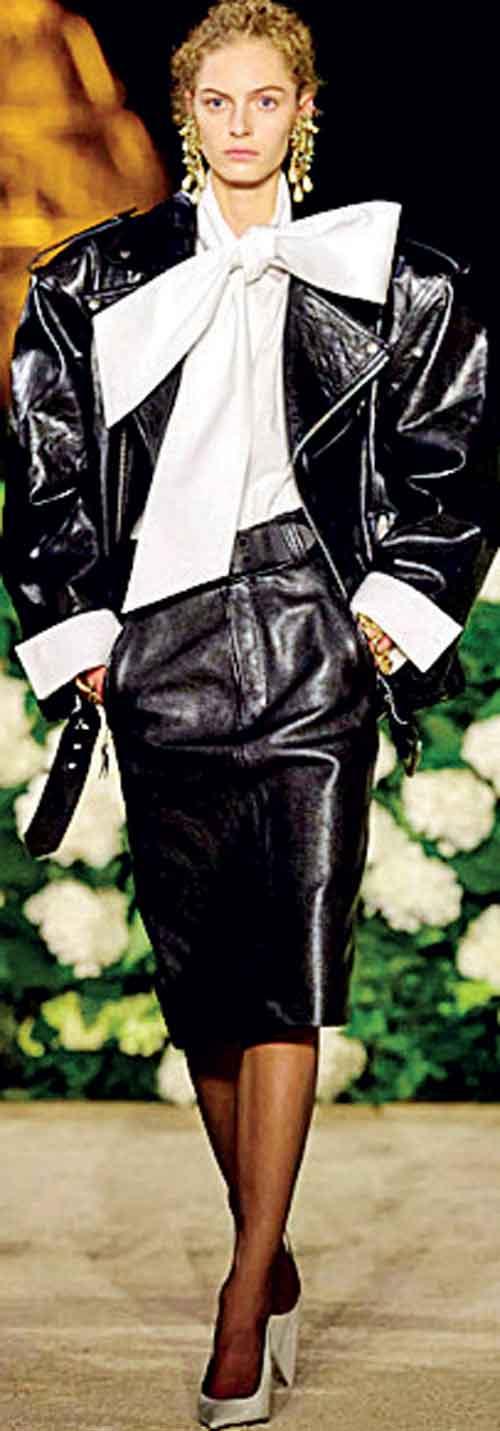
Saint Laurent
The return of glamour has also been amplified by the red carpet. Recent award seasons have seen celebrities move away from minimalist dressing and embrace bold fashion choices once again. Dramatic gowns, intricate embellishment, archival couture and statement jewellery have become increasingly prominent. Red carpet fashion serves as a powerful indicator of broader cultural moods. When celebrities embrace extravagance and theatricality, it often signals a wider appetite for fashion that feels exciting and aspirational.
Social media has only accelerated this effect. Images from premieres, galas and fashion events circulate globally within minutes, inspiring consumers and influencing trends far beyond the fashion industry itself. People no longer simply observe red carpet moments. They interact with them, save them, recreate them and incorporate elements of glamour into their own personal style.
At its core, however, the return of glamour is not really about sequins, gemstones or gold jewellery. It is about emotion. Fashion has always reflected the collective mood of society and today's consumers appear increasingly drawn to pieces that evoke confidence, joy and individuality. After years of restraint, there is a growing desire to embrace beauty in a more visible and expressive way.
Glamour offers escapism. It allows people to celebrate themselves, mark special moments and create a sense of occasion in everyday life. Whether through a bold lipstick, a statement earring or a richly coloured dress, glamour reminds us that fashion can be both functional and transformative. It can uplift our spirits, alter our perspective and encourage us to approach daily life with a little more confidence and imagination.
Minimalism is unlikely to disappear entirely, and its influence will undoubtedly continue to shape the fashion landscape. Yet the industry's current trajectory suggests that glamour is once again earning its place in the spotlight. After years of whispering, fashion finally seems ready to speak a little louder and the world appears more than ready to listen.