Why Fashion Is Falling in Love With the Uncool
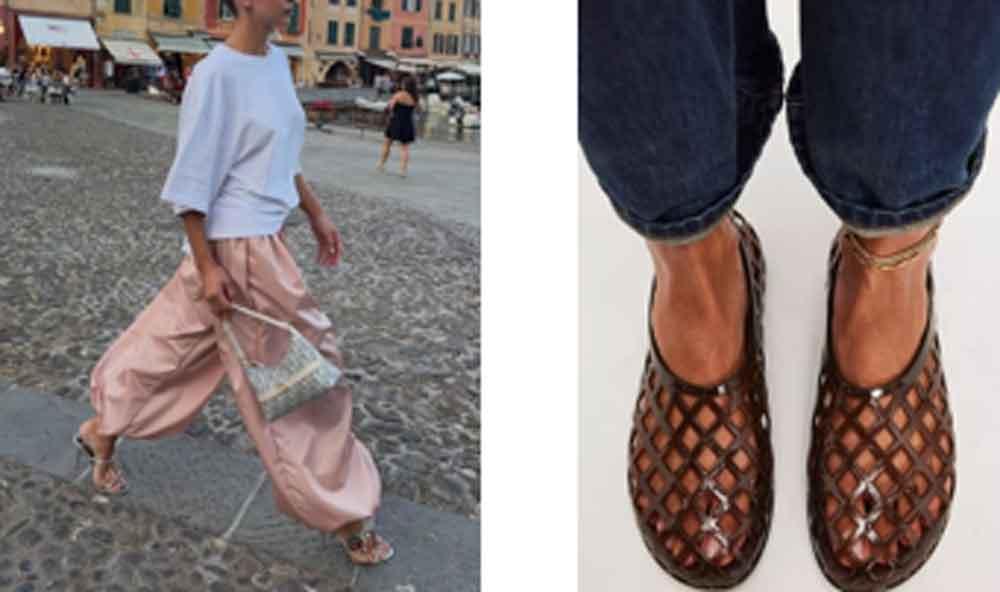
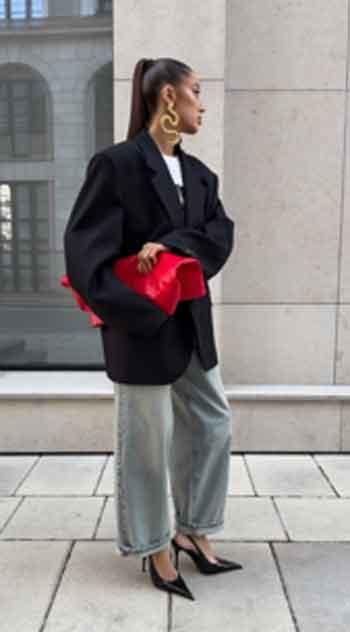 A few years ago, if someone had told me that capri pants, boat shoes, jelly sandals and knee length shorts would be making a serious comeback, I would probably have laughed. Not because trends do not return. Fashion has always had a habit of revisiting the past. But some items seemed destined to remain firmly in the category of things we collectively agreed to leave behind.
Yet here we are.
Over the last few months, I have found myself noticing more and more traditionally "uncool" pieces reappearing everywhere. Capri pants are back on runways and city streets. Boat shoes, once associated with weekend sailing trips and preppy wardrobes, have somehow become desirable again. Long shorts are replacing ultra short hemlines. Practical technical jackets are being paired with luxury handbags, fine jewellery and designer accessories. Jelly sandals, once reserved for childhood holidays, are being styled with sophisticated dresses and tailored separates.
The most surprising part is that these pieces do not look outdated or awkward. They look interesting. And perhaps that distinction explains everything about where fashion is right now.
For decades, fashion was obsessed with the idea of flattering. Every style guide, magazine article and shopping recommendation revolved around creating the perfect silhouette. Women were taught how to dress to elongate their legs, define their waist, balance proportions and create the illusion of height. Fashion advice often came with a long list of rules about what should and should not be worn. The goal was clear. Clothes were supposed to make you look your best according to a fairly narrow and universally accepted standard.
Today, that approach feels increasingly outdated. The most fashionable people are no longer necessarily the ones wearing the most conventionally attractive outfits. Instead, they are often the ones wearing something unexpected. Something that catches your attention. Something that makes you pause for a moment and wonder whether you love it or hate it.
Fashion has become less concerned with perfection and more interested in personality. The return of the capri pant perfectly illustrates this shift. For years, it occupied a place on every fashion blacklist. Stylists criticised it for cutting the leg at an awkward point. Fashion editors dismissed it for disrupting proportions. Countless articles warned readers to avoid it entirely.
It was considered one of the least flattering garments a woman could wear. Today, none of those criticisms seem to matter. Women are embracing capri pants not because they create the illusion of longer legs or because they fit traditional beauty standards. They are wearing them because they feel fresh again. They feel unexpected. They offer something different from the endless cycle of wide leg trousers, straight jeans and minimalist tailoring that has dominated wardrobes for years. The same can be said for many of the trends currently gaining momentum. Boat shoes are not making a comeback because they are glamorous. Jelly sandals are not suddenly popular because they are elegant. Long shorts are not returning because they create the most flattering silhouette imaginable.
They are returning because people are bored. Fashion thrives on novelty, and after years of seeing the same aesthetics repeated over and over again, consumers are craving something different. For much of the past decade, fashion has been dominated by carefully curated perfection. Social media played a significant role in shaping this culture. Platforms became filled with highly polished images featuring neutral colour palettes, minimalist wardrobes and impeccably styled outfits. Quiet luxury became the defining aesthetic. Everything looked expensive, understated and meticulously considered.
At first, it felt aspirational. Then it became repetitive. Scroll through enough social media feeds and you began to notice the same outfits appearing again and again. The same beige blazers. The same cream knitwear. The same straight leg trousers. The same minimalist handbags. The same carefully styled photographs. Individuality slowly gave way to uniformity. Ironically, the pursuit of uniqueness created a generation of wardrobes that looked remarkably similar. Eventually, people began searching for alternatives.
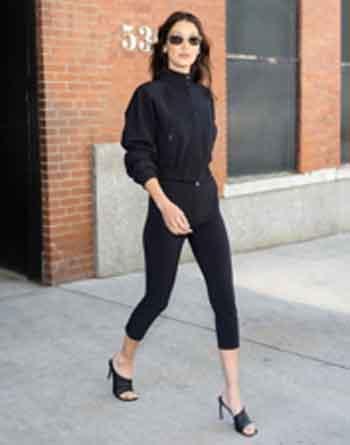 The pieces attracting attention today are often the ones that break away from that formula. They are not necessarily the prettiest or the most conventionally stylish items. They are the pieces that inject personality into an outfit. They create contrast. They challenge expectations. They give people something to talk about. This is why fashion seems increasingly drawn to items that feel slightly awkward, slightly nostalgic or even a little ugly. The appeal lies precisely in their imperfection.
An outfit becomes more memorable when it contains an element of surprise. A pair of capri pants styled with a tailored blazer. Boat shoes worn with a flowing skirt. A technical outdoor jacket paired with luxury accessories. These combinations create visual tension, and that tension is what makes them interesting. Fashion today often rewards curiosity over conventional beauty. There is also a strong sense of nostalgia influencing these trends. Many of the pieces returning to popularity were once staples of earlier decades. They remind people of childhood holidays, family photographs and previous fashion eras. However, this nostalgia is not about recreating the past exactly as it was. Instead, it is about reinterpreting familiar items through a modern lens.
A pair of jelly sandals worn today does not necessarily evoke the same image as it did twenty years ago. Styled differently and placed within a contemporary wardrobe, it takes on an entirely new identity. The same is true for capri pants, boat shoes and countless other items once dismissed as unfashionable.
Fashion has a remarkable ability to transform perception. What was once considered dated can suddenly feel innovative when viewed in a different context. Beyond nostalgia and social media fatigue, there is another reason why uncool fashion is thriving. People are becoming less interested in dressing for approval. For years, personal style was often influenced by external validation. Consumers purchased certain items because they signalled status, sophistication or trend awareness. Dressing well frequently meant adhering to accepted standards of taste. Now, there appears to be a growing desire for self-expression over conformity. People want wardrobes that feel personal rather than prescribed. They want clothes that reflect their individuality rather than simply demonstrating their ability to follow trends. As a result, fashion is becoming more diverse and more experimental.
Instead of everyone chasing the same ideal silhouette, people are exploring different proportions, shapes and styling approaches. They are embracing pieces that would once have been considered questionable. They are mixing high fashion with practicality. They are combining elegance with irony. The result is a fashion landscape that feels far more dynamic than it did even a few years ago. There is no single definition of what is stylish anymore.
One person may embrace minimalist tailoring while another wears oversized shorts and boat shoes. One may gravitate towards vintage inspired silhouettes while another experiments with technical sportswear and luxury accessories. Both can be considered fashionable because fashion itself has become more open to interpretation. This freedom is perhaps one of the most exciting aspects of contemporary style.
- It allows people to take risks.
- It encourages experimentation.
- It creates space for individuality.
Fashion has always been cyclical, but this current moment feels different from previous trend revivals. The objective is not simply to bring back old styles. The objective is to challenge traditional ideas about what should be considered beautiful, stylish or desirable. The rise of uncool fashion suggests that consumers are becoming more comfortable embracing complexity. They no longer need every outfit to be universally flattering or instantly understood. In fact, there is often greater appeal in clothing that sparks discussion. The most interesting outfits today are not necessarily the ones everyone agrees on.
- They are the ones that divide opinion.
- The ones that make people look twice.
- The ones that prompt questions.
- Do I like that?
- Would I wear that?
- Why does that work?
Fashion increasingly values those reactions because they signal engagement. They indicate that an outfit has personality, perspective and intention. And perhaps that is the real reason fashion is falling in love with the uncool. In a world where anyone can buy the same viral products, follow the same influencers and recreate the same trends, perfection has lost some of its power. Looking polished is no longer enough. Looking expensive is no longer enough. Looking conventionally attractive is no longer enough.
- What people crave now is originality.
- They want clothes that feel distinctive.
- They want outfits that tell a story.
- They want style that reflects who they are rather than who they are expected to be.
The return of capri pants, boat shoes and other once ridiculed trends reflects a broader cultural shift toward individuality and self-expression. These pieces succeed not because they fit traditional definitions of beauty but because they offer something increasingly rare in fashion.
Character. And in an era saturated with sameness, character may be the most fashionable thing of all.