Andy Burnham: The Man Called Britain’s ’’King of the North’’
By: Giselle Gunewardene
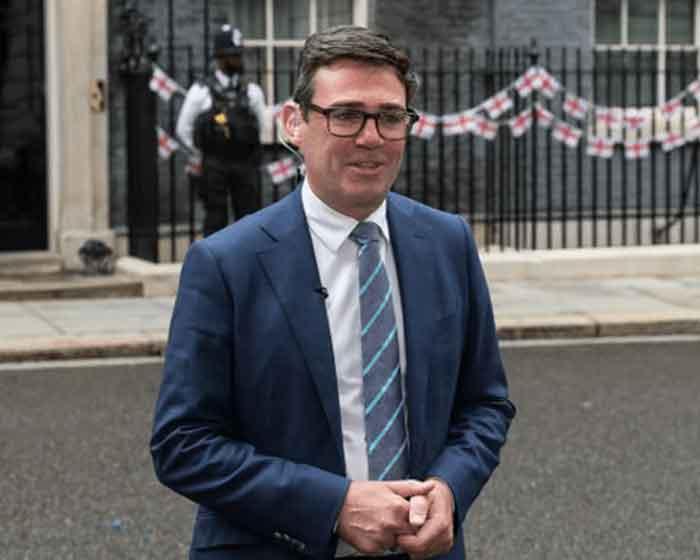
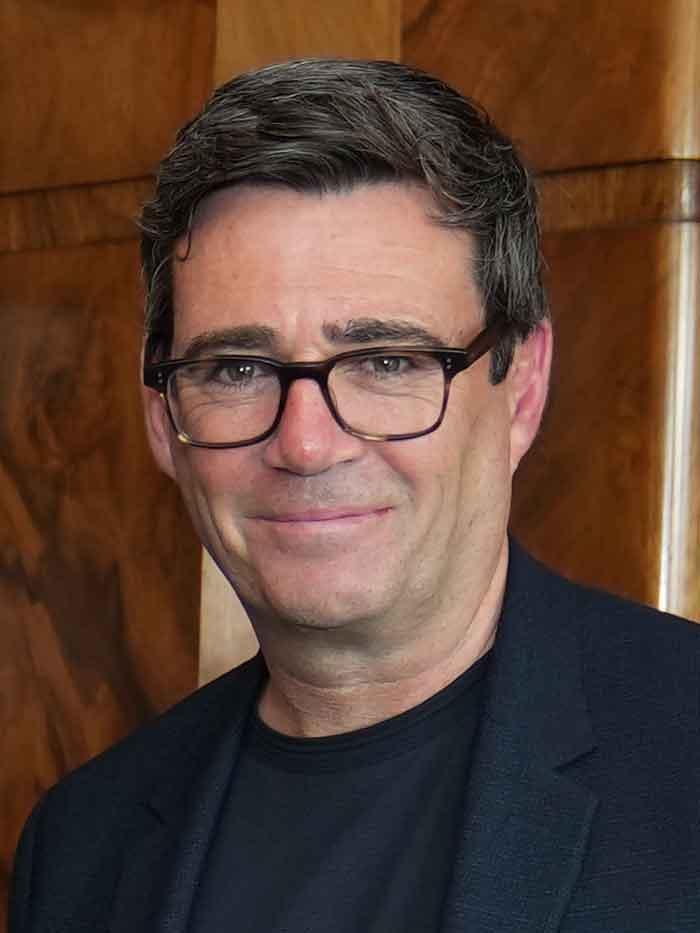
Andy Burnham has long been one of Britain's most recognisable Labour politicians. A former Cabinet minister and the popular Mayor of Greater Manchester, he has built a reputation as a politician who speaks directly to ordinary people and champions communities that often feel ignored by Westminster. Recent political developments in Britain have once again placed him at the centre of national attention, with widespread speculation that he could soon become the next leader of the Labour Party and potentially Britain's next Prime Minister.
Born on the 7th of January 1970 in Aintree, Merseyside, Burnham grew up in a working-class family in northwest England. He attended St Hilda's Church of England High School and later studied English at Fitzwilliam College, University of Cambridge. Despite studying at one of Britain's most prestigious universities, Burnham has consistently projected an image of being grounded in his roots and closely connected to everyday concerns.
Before entering politics, he worked briefly in television and as a researcher for Labour politician Tessa Jowell. In 2001, he was elected to Parliament as the Labour Member of Parliament for Leigh, a constituency in Greater Manchester. He quickly established himself within the Labour Party and rose steadily through the ranks.
During the Labour governments of Prime Ministers Tony Blair and Gordon Brown, Burnham held several senior ministerial posts. He served as Chief Secretary to the Treasury, Secretary of State for Culture, Media and Sport, and later as Secretary of State for Health. He gained a reputation as a capable minister who was comfortable dealing with complex issues and who maintained strong connections with communities outside London.
After Labour lost power in 2010, Burnham emerged as one of the party's leading figures in opposition. He unsuccessfully contested the Labour leadership election in 2015, losing to Jeremy Corbyn. Nevertheless, he remained one of the party's best-known politicians and continued to enjoy considerable support among Labour members and voters.
A major turning point in his career came in 2017 when he resigned as an MP to contest the newly created position of Mayor of Greater Manchester. He won the election comfortably and was subsequently re-elected twice, becoming one of Britain's most popular regional political leaders.
As Mayor of Greater Manchester, Burnham focused on issues that directly affected people's daily lives. One of his most significant achievements was the creation of the Bee Network, an integrated public transport system that brought local buses under public control and linked them with trams and cycling routes. He also prioritised tackling homelessness, improving housing and promoting economic opportunities across Greater Manchester.
His popularity rose sharply during the Covid19 pandemic. Burnham became a prominent critic of the British government's handling of restrictions and financial support for northern England. He publicly challenged ministers over what he described as unfair treatment of communities outside London and demanded greater financial assistance for workers and businesses affected by lockdown measures.
The confrontations earned him the nickname “King of the North.” Initially used partly in jest, the title eventually became a term of affection among many people who saw him as a politician willing to stand up for their interests. His outspoken defence of regional communities strengthened his image as a leader prepared to challenge the political establishment. Burnham is also a strong advocate of devolution, the idea that more power and decision making should be transferred from central government in London to regions and local authorities. He argues that Britain is one of the most centralised countries in Europe and believes local leaders are often better placed to address issues relating to transport, housing, education and economic development.
Politically, Burnham is regarded as a pragmatic centre left politician. He supports business growth while also advocating stronger public services and greater social protection. His political philosophy has been described as "business friendly socialism", combining economic development with social responsibility. Beyond politics, Burnham is known for his passion for football. He is an enthusiastic supporter of Everton Football Club and often speaks about the role sport plays in strengthening communities and creating opportunities for young people.
Today, Andy Burnham stands as one of Britain's most influential politicians. His career has been shaped by a commitment to regional empowerment, public service and the belief that politics should improve the lives of ordinary people. Whether as a government minister, Mayor of Greater Manchester or a potential future Prime Minister, he has consistently sought to present himself as a politician who listens to communities and fights for those who feel left behind. As Britain navigates another period of political uncertainty, Andy Burnham's combination of experience, popularity and regional credibility has placed him firmly at the centre of the national conversation. Whether his next destination is Downing Street remains to be seen, but there is little doubt that he has become one of the defining political figures of contemporary Britain.