We Need to Cancel “Cancel Culture”
Nichol Fernando
I want to start by saying this very clearly: accountability matters. There are people who deserve consequences. There are actions that should not be brushed aside, excused or hidden behind a weak apology and a rebrand. Some people have caused real harm and pretending otherwise helps no one. This is not a defense of bad behaviour, public ignorance or people refusing to take responsibility.
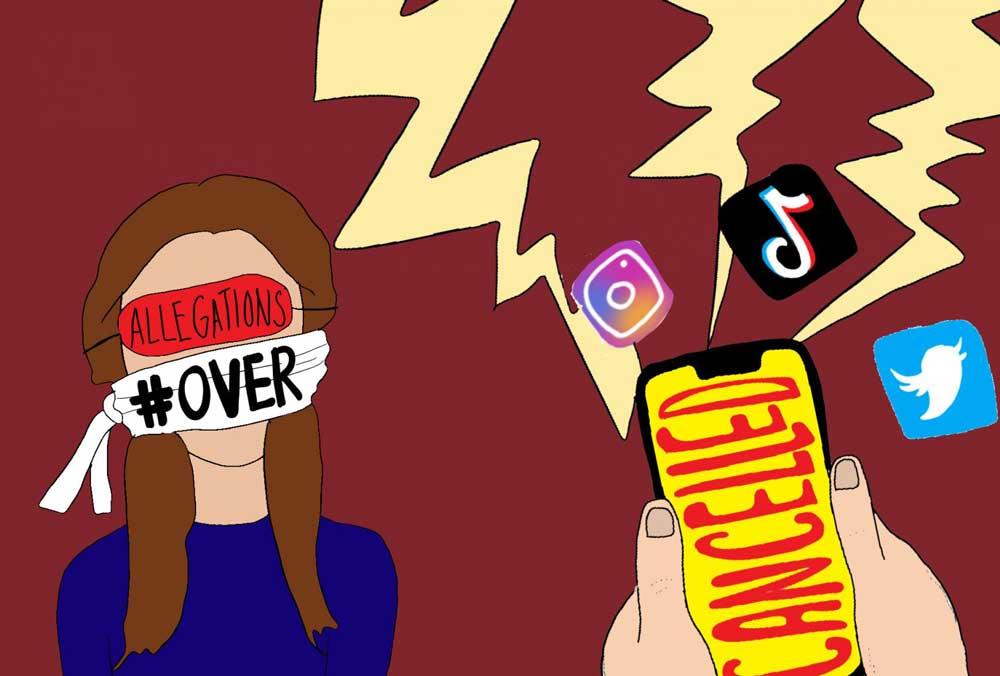
This is something slightly different. My actual problem with cancel culture, especially the 2026 hater-with-a-wifi-connection version of it, is that it has almost completely abandoned the idea that people are allowed to change. It has forgotten that education is possible. That growth exists. That a person can say something wrong, learn why it was wrong and come out of the situation better than before.
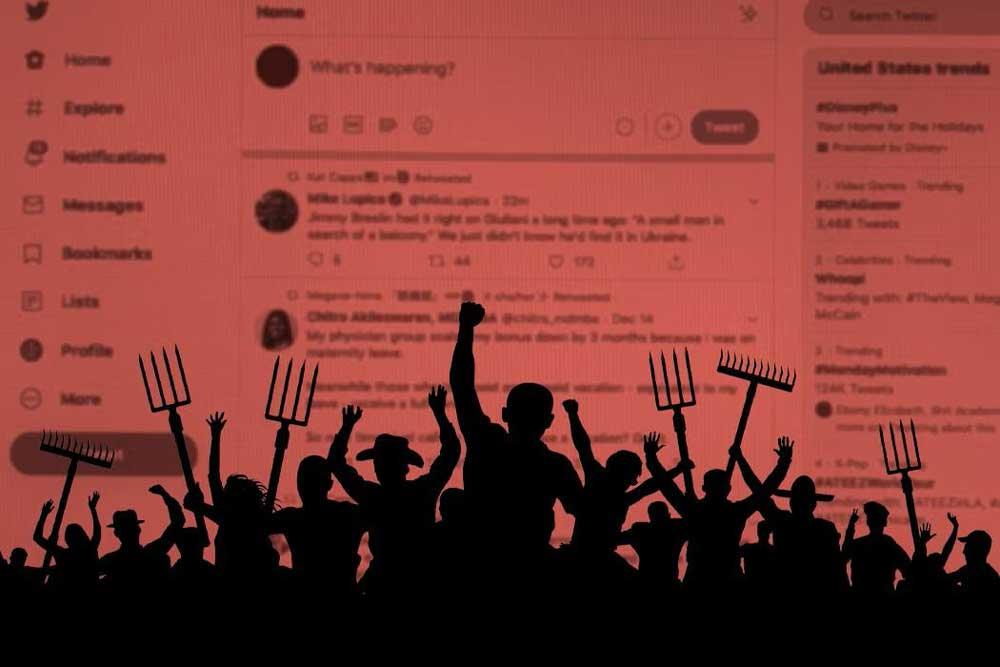
Once we stop believing people can change, cancel culture becomes almost entirely useless as a tool for actual change because what is the goal supposed to be? Is it to create a better society or is it to create a public execution every time someone says something imperfect? Is it to educate people or is it to collect screenshots like evidence for a social media courtroom where everyone is guilty before the conversation even begins? If we greet every imperfect statement with maximum hostility, we do not create better people. We create better performers.
Think about it. When someone says something ignorant, outdated or badly worded and the immediate response is a coordinated pile-on, what incentive does that person have to genuinely reflect? Very little. Their options become painfully limited. They can either double down, play the victim, and claim everyone is too sensitive or they can issue a hollow apology that was clearly written by a PR team and disappear for three months until the internet finds a new target. And yes, I am talking about the performative sighs, the fake tears, the carefully dimmed lighting and sometimes, for reasons known only to God and influencer apology culture, the use of musical instruments.
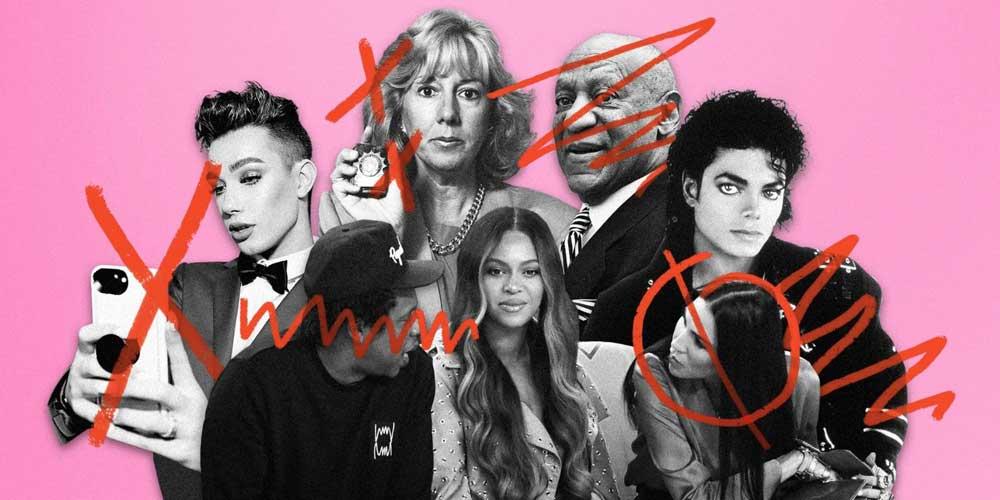
But none of that actually helps anyone. It does not help the person understand what they did wrong. It does not help the people who were hurt. It does not start a meaningful conversation. It just turns accountability into theatre. Everyone plays their role. The accused apologises.
The audience judges the apology. Someone makes a thread. Someone else makes a video. Everyone acts like justice has been served and then we move on without anything actually changing. What we have built is not a culture of growth. It is a culture of performance.
Everyone, famous or not, is now operating under extreme internal and external pressure. Authenticity has basically left the chat. People are constantly managing their “front of stage” selves. Carefully curated opinions. Strategic silences. The exact right amount of progressive signaling. The exact right amount of plausible deniability. The exact right words, posted at the exact right time, in the exact right tone.
Nobody says what they actually think anymore. Can you blame them? When honesty is punished before it is even understood, people learn to hide. They learn to perform morality instead of practicing it. They learn what to say in public, not necessarily what to believe, question, or improve in private. That is dangerous, because a society full of scared performers is not the same as a society full of better people.
Take Rachel Zegler, for example. Rachel was dragged for saying that Snow White’s love story felt outdated. Personally, I think that is a completely reasonable thing to say about a 1937 film where a man kisses an unconscious woman. That is not even a controversial feminist hot take. That is just reading comprehension but because people decided she was “not respecting the character enough,” the backlash became immediate, vicious and relentless. Suddenly, a comment about an old Disney storyline became proof that she was arrogant, ungrateful, disrespectful and everything else the internet decided to throw at her that week.
The reaction was never really about one sentence. It became about turning her into a symbol. A target. A person people had already decided they wanted to dislike. Outspoken people get targeted. Sometimes the “scandal” is not really the point. Sometimes the scandal is just the excuse. This is where cancel culture becomes especially dishonest. It often pretends to be about morality, but it can easily become about power, dislike, boredom or group entertainment. People join in not because they deeply care about the issue, but because piling on gives them a sense of righteousness. It feels good to be on the “right side.” It feels good to point at someone else and say, “At least I am not that,” but morality should not be a competition in public humiliation.
The issue is not that we hold people accountable. The issue is that we have made accountability and education feel mutually exclusive. We act as if calling someone out must mean destroying them. We act as if allowing someone to learn is the same as excusing what they did but those are not the same thing.
Real accountability should involve consequences, but it should also involve clarity. Explanation. Room for reflection. A path forward when the harm is not unforgivable. Otherwise, what are we actually asking people to do? If there is no way back from being wrong, why would anyone admit they were wrong in the first place?
Here is what I actually want: a culture where calling something out is the beginning of a conversation, not the end of someone’s public career. A culture where the first instinct is not to destroy, but to inform. A culture where we understand that most people, even seemingly wrong ones, are reachable if we approach them like human beings instead of a firing squad.
This is not naïve. Some people are not interested in growth. Some people apologize only when they are caught. Some behaviour absolutely deserves serious consequences. There are cases where removal, rejection or public condemnation is necessary, but those cases are not the majority of what we spend our collective energy on, and I think it is apparent. Most of the time, we are not confronting powerful people who are causing serious harm. We are attacking celebrities for awkward interviews, teenagers for old posts or strangers for badly phrased opinions. Meanwhile, the people with actual power often survive untouched. The people who should be held accountable somehow remain too rich, too protected or too useful to ever truly be “cancelled.” So, maybe the most radical thing we can do right now is bring nuance back. Let people be wrong without immediately declaring them irredeemable. Let people apologize without turning the apology into another performance to dissect. Let people learn without assuming every mistake reveals their entire soul. Start having the conversations that are harder, less satisfying and far more useful because if the goal is a world that is genuinely better, then we need people to actually change, not just learn to hide themselves better.