THE LOST ART OF LOVE LETTERS
 BY: KIARA WIJEWARDENE
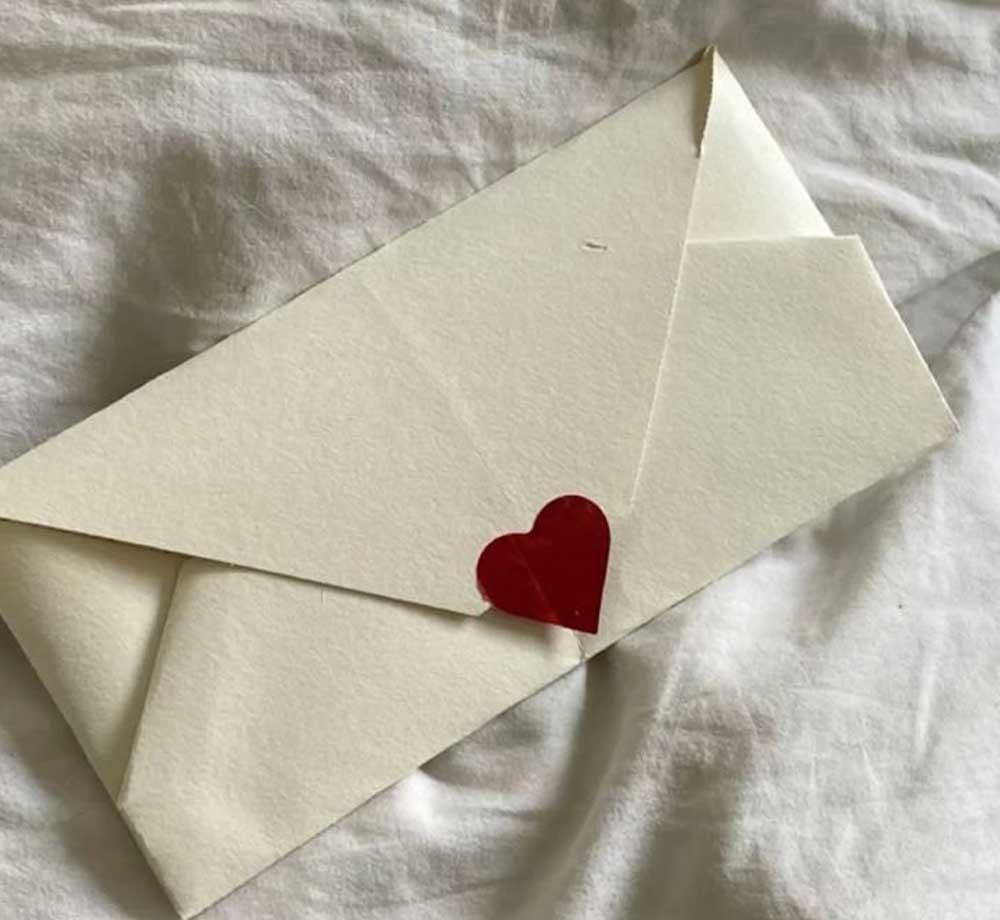
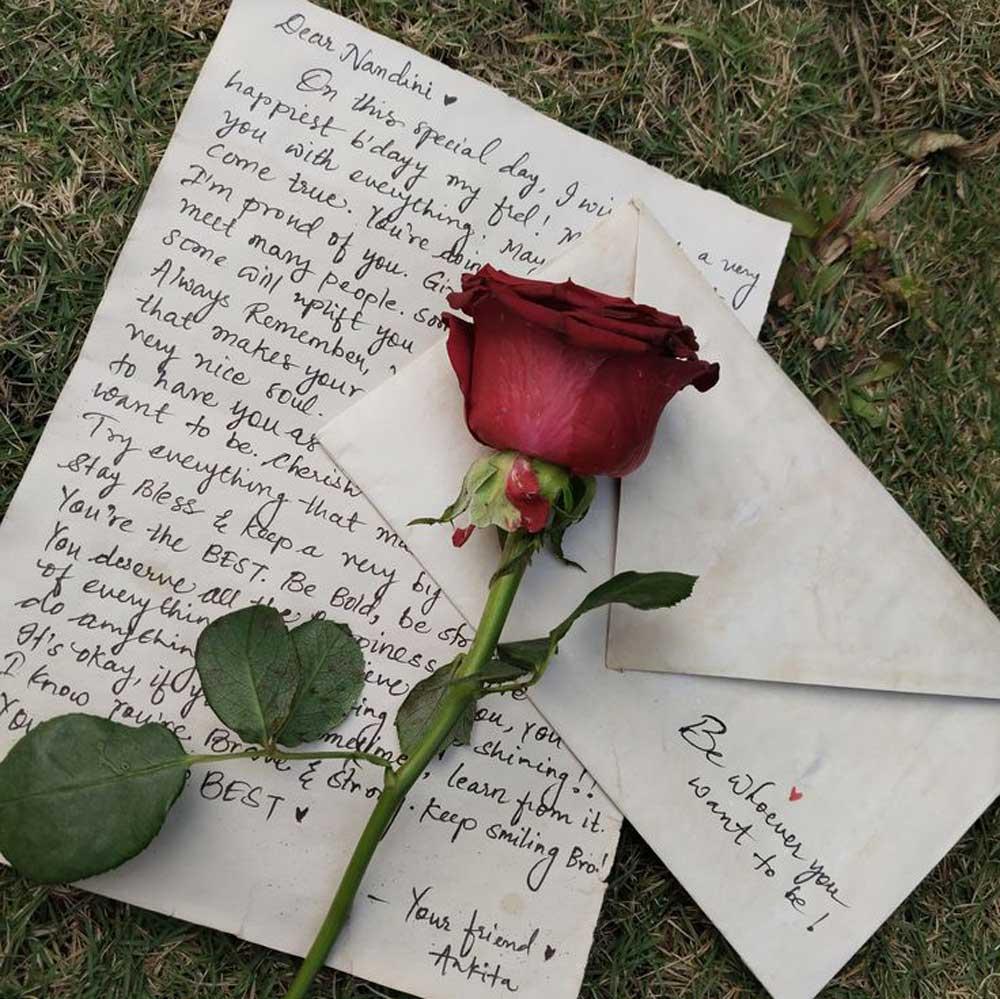
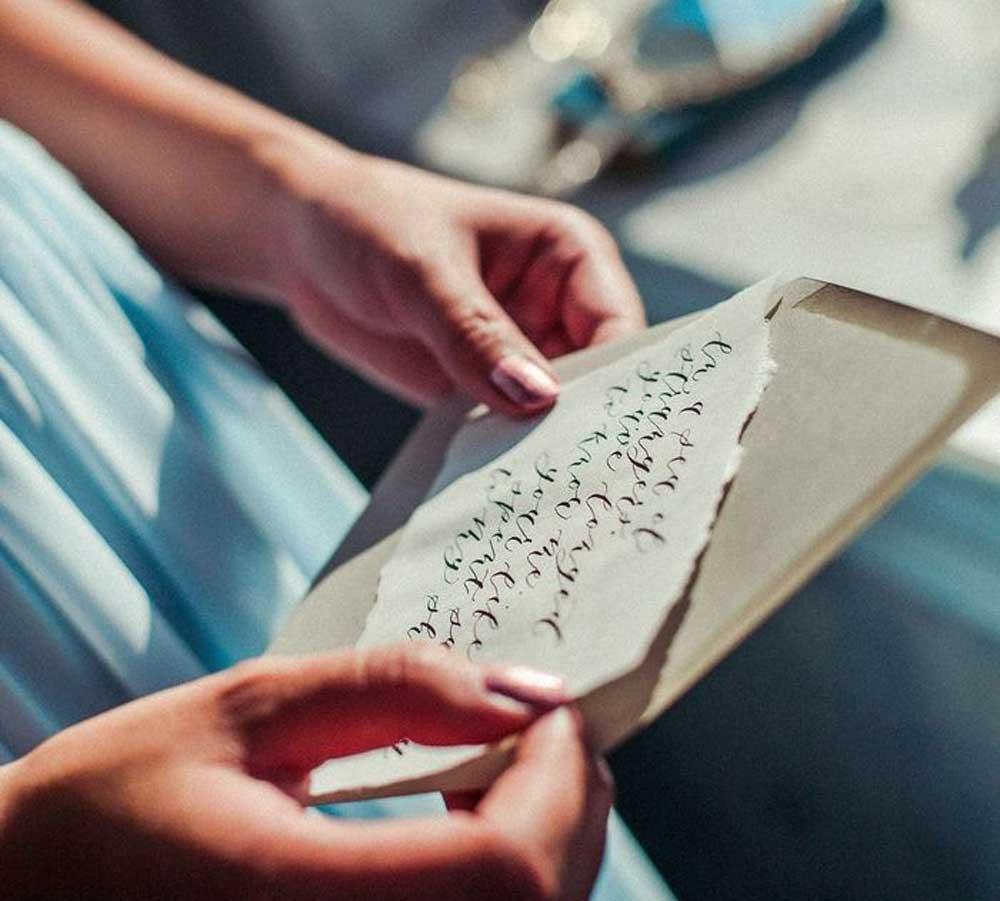
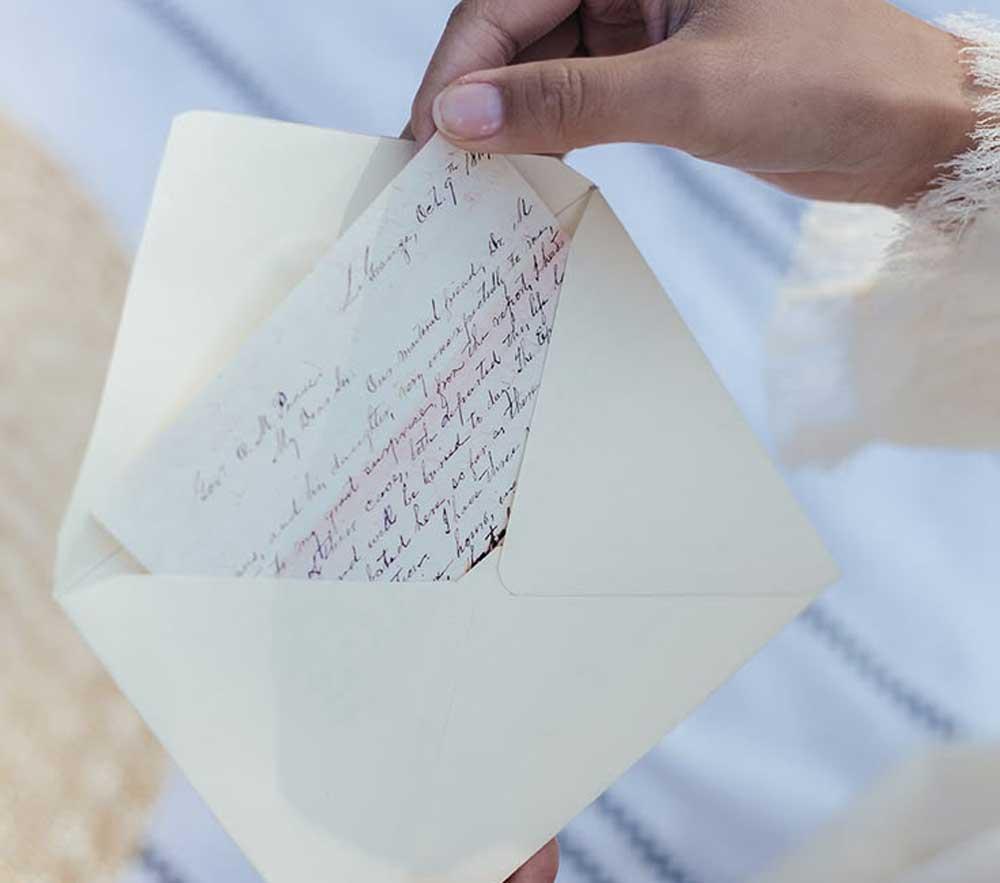
I find it weirdly heartbreaking that some of the greatest love stories in history fit inside shoeboxes. They don’t survive in digital archives or carefully curated online memories, but in stacks of folded paper that somehow outlive the people who wrote them. A faded page, familiar handwriting, corners worn soft from being unfolded and reread countless times; these small details transform a simple letter into something far more meaningful. Long after faces have aged and voices have been forgotten, the words remain. They become proof that once, at a particular moment in time, one person thought about another so intensely that they felt compelled to write it down.
For centuries, love letters were one of the most intimate forms of communication. Lovers separated by distance had little choice but to wait. Days, weeks, sometimes even months could pass between sending a letter and receiving a reply. In a world that moved more slowly, feelings moved slowly too. There was time to think before speaking, time to miss someone before hearing them again, and time to sit with emotions rather than immediately expressing them. The letter itself was like an important event. It wasn’t just communication; it was a tangible reminder that somebody, somewhere, was thinking about you.
Maybe that’s why love letters seem so fascinating today. We live in an age where communication has never been easier. Messages arrive instantly, and conversations continue throughout the day without interruption. We can reach anyone at almost any time, yet despite being more connected than any generation before us, many people still feel a surprising sense of emotional distance. It’s not because we communicate too little; if anything, I think we’re constantly communicating. The difference is that much of modern conversation is designed for speed. Love letters, on the other hand, were never rushed.
Writing a letter required a certain degree of vulnerability. Once the words were written and sent, there was no opportunity to edit them later. There was no way to soften a confession or immediately explain what you really meant. The writer had to trust that their feelings would arrive exactly as intended. That level of honesty is a little difficult to achieve. In some ways, it may even be more difficult now. Modern technology allows us to endlessly revise ourselves. We can delete messages before they’re seen, rewrite entire paragraphs, or construct versions of ourselves for other people to consume. A love letter offered no such luxury. It captured a person exactly as they were in that moment, complete with all their hopes, doubts, and imperfections.
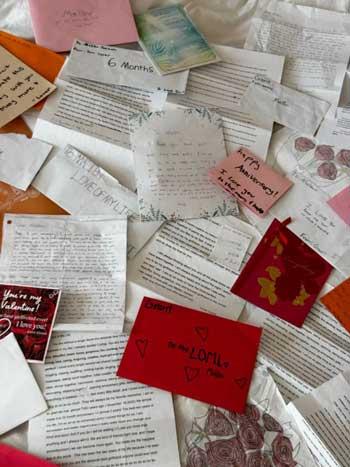 The thing we all tend to forget, though, is that love letters were rarely masterpieces. Popular culture has convinced us that they were all beautifully written declarations worthy of being framed on a wall, but in reality, many were simply ordinary. Some were even clumsy. Some wander off topic before eventually finding their way back to what the writer actually wanted to say. That’s exactly what made them meaningful. They weren’t perfect; they were evidence of real people trying to make sense of feelings that often defy language.
A perfect example is Michael Jackson’s “love letter to you”. What makes the letter so memorable to me is not that it’s particularly poetic. He doesn’t begin with dramatic declarations or elaborate metaphors. Instead, he starts with a simple observation about how so many love songs contain the word “you”. It’s such a small thought, almost random, but it still feels so intimate. As the letter unfolds, it feels less like a performance and more like a conversation. By the end, the reader feels as though they’ve been invited into Michael’s mind. That’s the real magic of love letters: they allow people to leave behind not just their feelings, but also their voices. Reading an old letter often feels less like reading writing and more like overhearing someone’s thoughts across time.
That might be one of the reasons why love letters feel increasingly precious. They represent a form of attention that’s become really rare. To write a letter is to sit still for a while and focus entirely on another person. There are no notifications demanding a response and no endless stream of distractions competing for your thoughts. For a brief period, one person occupies your mind completely. In a world where attention is constantly fragmented, that kind of focus is almost a luxury.
The irony is that we document our lives more thoroughly than ever before. We take photographs of meals and holidays, of ordinary afternoons, and we leave behind an endless trail of digital footprints. Future generations may know exactly what we looked like and where we went, but they may know surprisingly little about how we felt. So much of our communication disappears as quickly as it arrives. Entire relationships can exist almost entirely through messages that will one day be deleted or forgotten. A box of letters hidden in your cupboard might survive even a hundred years. A phone filled with pictures and conversations can disappear in an instant.
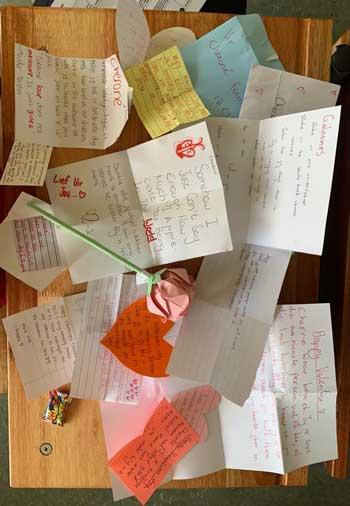 This isn’t some argument against modern technology. There’s an undeniable beauty in being able to hear the voice of someone you love whenever you want. Distance has become less daunting because connection is so immediate. Many relationships thrive today in ways that would have been nearly impossible in the past, but something valuable may have been lost alongside all the convenience. We’ve become so accustomed to immediacy that waiting feels unnecessary. The slow excitement of wondering when a letter might arrive has largely disappeared from everyday life.
That anticipation gave love letters much of their reverence. Receiving one wasn’t just about the words inside; it was about the waiting, the wondering, the anticipation, and the imagination. By the time the letter arrived, it already carried emotional weight. It represented effort and patience. The recipient knew that someone had taken the time not just to think of them, but to translate those thoughts into something that lasts forever.
The lost art of love letters might not really even be about the letter itself, but more about the desire to create something lasting in a world that feels so temporary. At its core, a love letter is simply a person saying, “I wanted you to know this, and I wanted these words to survive the test of time.” There’s something so human about that. Long before smartphones, and long after whatever technology replaces them, people will still continue searching for ways to preserve what matters most.
That’s why love letters continue to fascinate us. It’s because they remind us that beneath every cultural shift or technological advancement, some things still remain unchanged. People still fall in love, and they still miss each other (like I miss Michael Jackson). They still struggle to find words that neatly encompass their feelings. The appeal of the love letter lies not in nostalgia for the past, but in the recognition of something timeless. It’s a reminder that to love someone has always meant the same thing: to pay attention, to remember, and to hope that somehow the other person understands what’s in your heart.
Maybe that’s why, even in an age of instant messages and endless notifications, an old love letter can still stop us in our tracks. It reminds us that the most meaningful words might not be the most beautiful ones. They’re simply the ones that make another person feel seen.
On a completely unrelated note, if any boyfriends happen to be reading this, or even girlfriends, put the phone down for a few minutes, grab a piece of paper, and write your partner a love letter. Chances are they’ll keep it far longer than the good morning texts you’ve sent over the years.
Thank me later!