HORROR’S FINAL GIRL

I’ve always found horror movies strangely exciting. On paper, they should be the last thing anyone would watch willingly. I mean, they’re filled with masked killers, haunted houses, supernatural creatures and enough jump scares to give a grown man a heart attack. Yet, horror remains one of cinema’s most beloved genres because it offers something that few other genres can. Beneath all the blood, screaming and suspense often lies a story about survival. At the centre of the story stands one of the genre’s most iconic figures: the final girl.
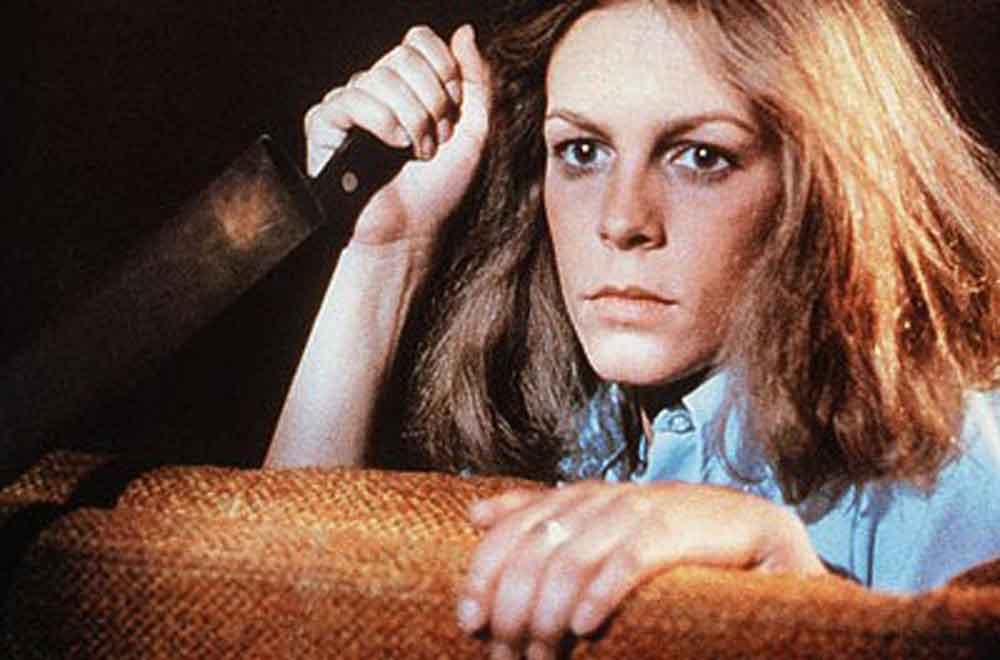
The term ‘final girl’ refers to the last surviving female character in a horror film. She’s the character who uncovers the truth, confronts the killer and somehow makes it to the end credits alive. The trope became famous through movies like Halloween, where Laurie Strode spends the night trying to evade the relentless Michael Myers. Even decades later, audiences remain fascinated by final girls, and it’s not difficult to understand why.
Part of the appeal comes from the fact that they rarely start off as superheroes. Most final girls are just ordinary people. They’re students, babysitters, aspiring actresses or young women who are simply trying to enjoy a weekend away with friends. Then suddenly, everything changes. A killer appears. A curse is unleashed. Something begins hunting them. Watching the transformation unfold is one of the most satisfying aspects of horror. The audience gets to witness someone pushed to their absolute limits and discover strengths they never knew they possessed.
Unlike action heroes who seem capable of surviving anything, the final girl often spends much of the film terrified. They make mistakes, they get injured, they panic and cry. Most importantly, they feel so human. Their victories feel earned because they survive through determination and not some sort of superhuman ability. Every decision they make matters, and every narrow escape feels more significant than the one before. By the time the threat is finally confronted, audiences have usually spent the entire movie rooting for them.
The final girl has evolved considerably over the years. Earlier horror films often followed a familiar formula in which the surviving woman was portrayed as cautious, responsible and more sensible than the people around her. Film critics and scholars have spent years debating what this says about society’s expectations of women. Some view the trope as restrictive, while others argue that horror was giving women central roles and agency long before many other genres were willing to do so. Regardless of interpretation, the final girl became one of horror’s most recognisable figures.
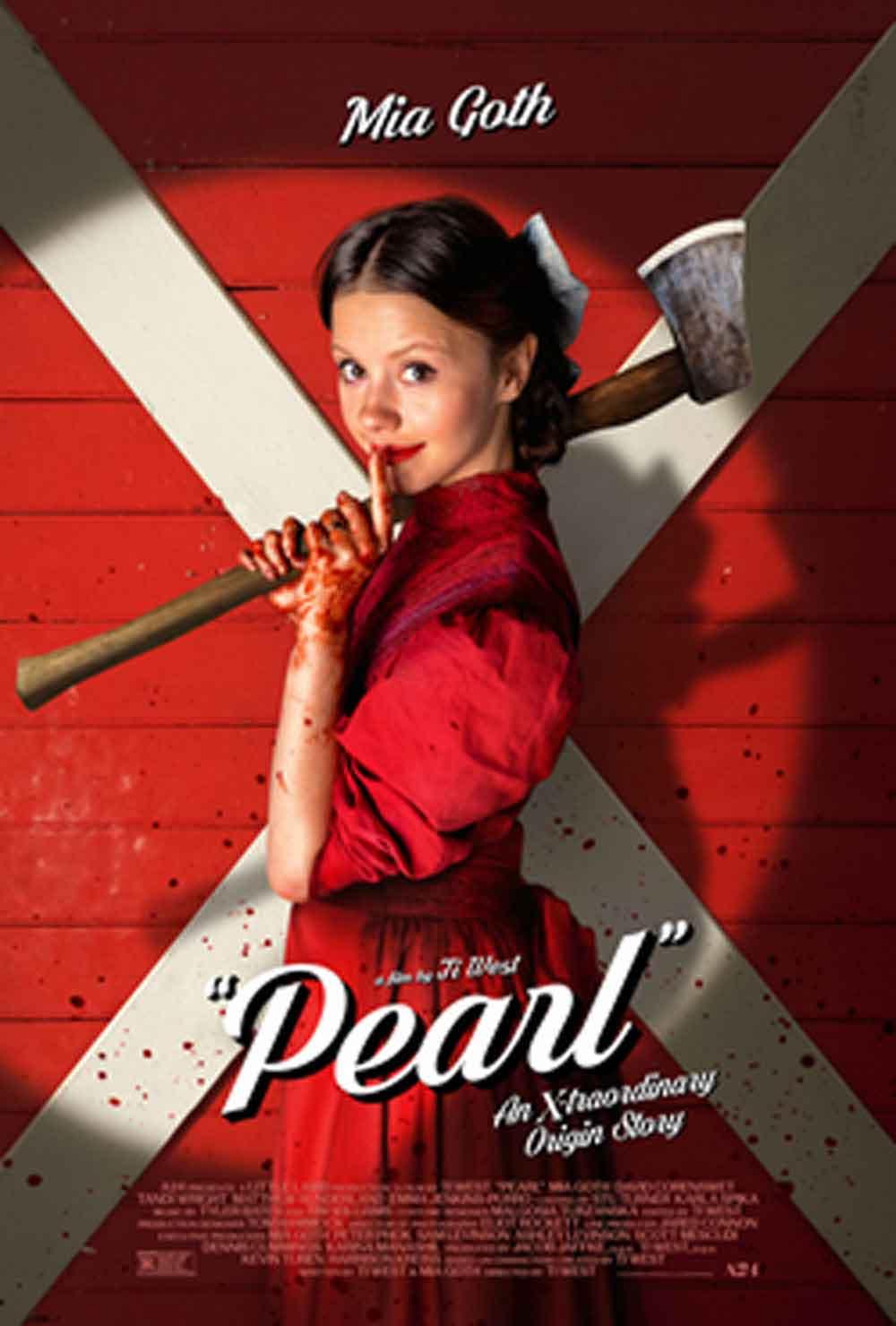
Modern horror has complicated the trope in fascinating ways. Films like Pearl and MaXXXine take familiar ideas and twist them into something far less predictable. Characters like Pearl and Maxine Minx do not fit neatly into the traditional image of the innocent survivor.
They’re obsessive, messy, ambitious and sometimes even a little unsettling. They’re not simply trying to survive but also trying to become something more. Their stories blur the line between victim and villain, forcing audiences to question exactly who they’re rooting for and why.
Pearl is particularly interesting because she essentially turns the entire concept upside down. She’s not the young woman running from horror; she is the horror. Yet audiences remain captivated by her because she possesses many of the qualities that make final girls so memorable. She’s determined, resilient and unwilling to let go of her dreams, no matter how destructive her determination becomes. Watching Pearl often feels uncomfortable because her desires are so recognisably human, even though her actions might be monstrous.
A more recent horror movie that struck a nerve for me was Obsession. The film follows Nikki, a woman whose fixation slowly begins to consume every part of her life. What makes the story so interesting is that her obsession is not entirely self-created. It begins after a wish made by a man who’s infatuated with her, setting off a chain of events that pushes her emotions into dangerous territory. As the film unfolds, the line between genuine affection, unhealthy attachment and supernatural influence becomes increasingly blurred. The result is equally as unsettling as it is tragic.
What really resonated with me was the idea that a relationship, or even the possibility of one, could alter someone’s life so dramatically. As extreme as Nikki’s behaviour becomes, the movie taps into something so human. The people we love, want or lose often become woven into our routines, plans and our sense of self. When those connections are disrupted, it can feel as though part of our identity has been shaken.
Obsession exaggerates those feelings through horror, but it touches on a truth that many people recognise: breaking away from someone can sometimes be far harder than falling for them in the first place (I can confirm that this is true). Maybe that’s why the film lingered in my mind for so long. Under all the supernatural elements and increasingly disturbing events lies a question that applies to all our lives: how much power can one person have over another’s life? (The answer is: a whole lot!) Most people will never experience anything close to what Nikki does, but many people know what it feels like to struggle with letting go. Horror simply takes that feeling and pushes it to its most terrifying extreme.
That’s one reason modern horror has become so fascinating. The monsters are still there, but increasingly the genre seems interested in fears that people carry within themselves. Loneliness, rejection, failure, obsession. The terror comes not only from what’s chasing the characters but also from what’s happening inside their minds. Movies like Pearl, MaXXXine and Obsession leave a lasting impression because they tap into emotions that are recognisable, even if the stories might be a tad extreme.
Horror is so addictive in the way it encourages audiences to imagine themselves in the story. Every creaking floorboard and every dark hallway presents a choice. Every suspicious sound forces the question: “What would I do?” We all like to believe we’d be calm and resourceful in a crisis. We imagine ourselves making smart decisions, spotting danger immediately and finding a way to escape it. Personally, I’m not too convinced that I’d last very long.
If someone offered me a role in a horror film tomorrow, I’d probably accept immediately. There’s something so exciting to me about the idea of wandering through eerie locations, uncovering terrifying secrets and outrunning some unstoppable villain. Horror films look so exhausting and terrifying, but they also look ridiculously fun to film. The problem is that I’m almost 100 per cent certain I’d be the least likely to survive. I’d probably hear a noise and want to know what it is. I’m way too trusting and would probably believe a character that everyone else knows is hiding something. Curiosity would almost certainly get the best of me.
While the final girl is putting her clues together and preparing for battle, I’d probably be convincing myself either that everything’s completely fine or I’d be too anxious to function. Then again, maybe that’s why final girls are so fascinating. Most of us are not secretly action heroes just waiting for our moment to shine; we’re just ordinary people who like to think we’d rise to the occasion if necessary. The final girl embodies that possibility, reminding us that courage is not something people are born with. More often, it’s something discovered under pressure.
The horror genre continues to reinvent itself with new monsters, new fears and new ways of terrifying audiences, but the final girl remains one of its most enduring figures. Whether it’s Laurie Strode facing Michael Myers, Sidney Prescott confronting Ghostface or Maxine refusing to let anyone stand in the way of her future, these characters represent something larger than just survival itself. They represent resilience and the refusal to surrender when everything appears hopeless.
Maybe that’s why the final girl continues to resonate with audiences decade after decade. Beneath the scares, horror films are usually stories about endurance. They remind us that fear is inevitable, but defeat isn’t and, no matter how dark the situation becomes, there’s always a chance that someone will fight back, make it through and emerge on the other side. The final girl is proof of that, and horror cinema would be far less thrilling without her.