Are We Ever Really Known by Anyone?

I think one of the strangest parts of being human is realizing that nobody will ever know you in exactly the way you know yourself. Not your friends, not your family, not the person you love most, not even the people who insist they completely understand you. There will always be parts of you that remain untranslated. At first, that sounds a little depressing. But the more I think about it, the more I realise it explains almost everything.
It explains why people can date for years and still say, “I never really knew them.” It explains why someone can misunderstand your intentions so badly that it feels almost offensive. It explains why people grieve certain relationships more deeply than others, not only because they lost someone, but because they lost the person who came closest to understanding them. Everyone talks about wanting to be loved, but I think what many people really want is to be known. Not admired from a distance. Not projected onto. Not reduced to an archetype like “the funny friend” or “the difficult ex.” People want to be genuinely known. The problem is that human beings are terrible narrators of themselves.
Most of us do not fully understand our own minds. We constantly rewrite our memories. We minimize certain truths and exaggerate others. We convince ourselves we are over things we still think about in the shower three years later. We call ourselves nonchalant when we are actually terrified of rejection. We say we hate attention while secretly feeling wounded when nobody notices us. There are entire versions of ourselves that only emerge under specific conditions. The version of you that exists when you are in love. The version that appears when you are angry enough to stop filtering yourself. The version that surfaces at two in the morning when life suddenly feels unbearably fragile. The version around childhood friends. The version around strangers. The version that emerged after someone hurt you so deeply that you became quieter afterwards.
Which one is the real you? Probably all of them. That is what makes people so difficult to fully understand. Human beings are not fixed characters. We are moving targets. Social media has made this even stranger. People now maintain public versions of themselves almost professionally. Entire personalities are curated through Instagram captions, playlists, reposts, photo dumps and private stories. People communicate through aesthetics.
Someone posts blurry photographs, cigarettes and Lana Del Rey lyrics, and suddenly everyone assumes they understand that person deeply. But aesthetics are not identity. Some of the funniest people are deeply unhappy. Some of the loudest people feel invisible. Some of the people who post endlessly about healing are quietly unravelling behind closed doors. The internet has created a world where everyone is visible, but very few people are truly seen. And I think many of us prefer it that way.
Being known sounds romantic until it actually starts happening. Because being truly known means someone sees the less polished parts too. The embarrassing contradictions. The jealousy. The insecurity. The ego. The strange thought patterns you would never say out loud because they sound irrational, dramatic or pathetic. It means somebody notices your defense mechanisms before you do. It means they can tell when you are pretending not to care. That level of intimacy is terrifying.
I think people love the idea of vulnerability in theory. In reality, most of us are constantly performing. We perform confidence, indifference, emotional stability, self-respect and healing. Even authenticity has become performative online. Everyone wants to be perceived as real, but only in a controlled way. Perhaps that is because once somebody truly knows you, they gain the ability to hurt you in a very specific language. A stranger can insult you and move on. Someone who knows exactly what you are insecure about can dismantle you with a single sentence. I think that is why heartbreak can feel so violent. You are not just losing a person. You are losing access to being understood by that person. You are losing the witness to your innermost self.
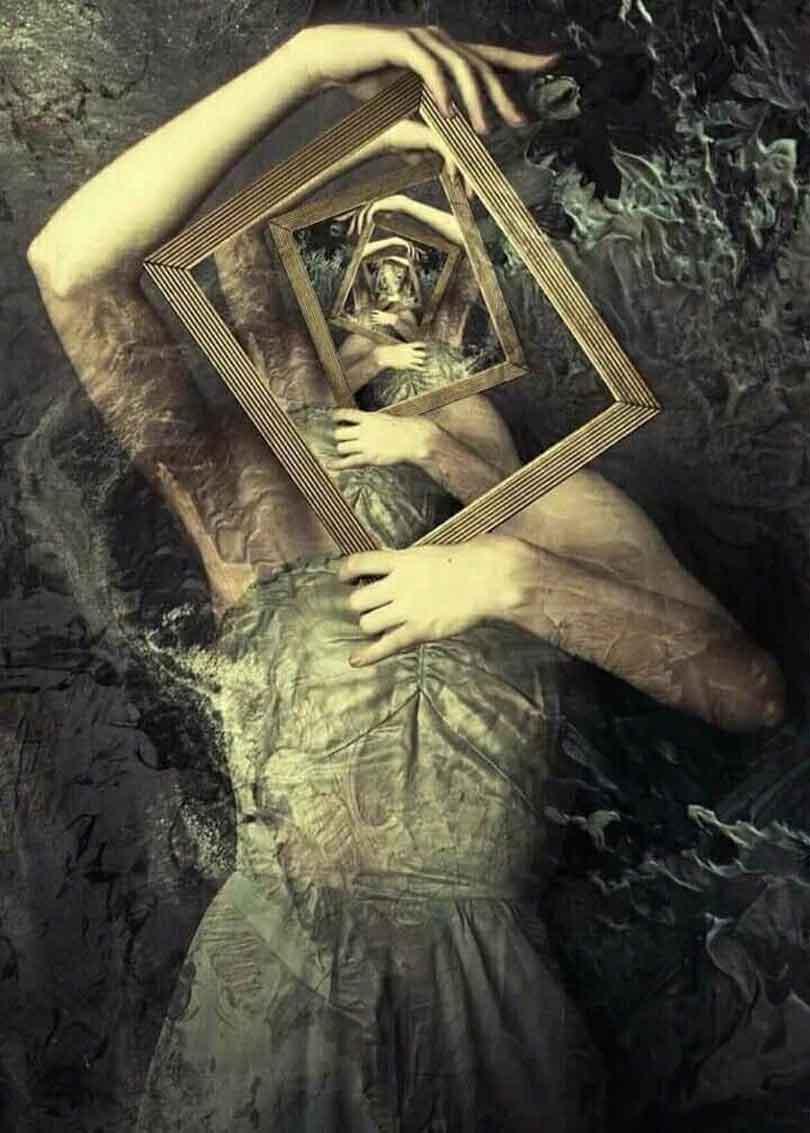
The truth is that you exist in fragments inside other people's minds. To one person, you are the funniest person they have ever met. To another, you are cold and impossible to read. Someone remembers you as gentle. Someone else remembers you as cruel. Someone out there may still think about a conversation with you that you forgot entirely. None of these versions are fully accurate, but all of them are real because they were real experiences of you.
It becomes unsettling if you think about it for too long. You can never fully control the person you become in someone else's memory. Trust me, I have tried. I think this is one of the reasons people become so frustrated during arguments. Not because they disagree about facts, but because they disagree about identity. One person says, “You hurt me,” and the other hears, “You are a bad person.” Suddenly, both people are fighting to defend their version of reality. When you think about it, human relationships are really just collisions between private worlds. And despite all the misunderstandings, projections and failures of communication, people keep trying to know one another anyway.
That may be the most hopeful thing about humanity. People stay up until three in the morning talking about childhood memories, fears and past relationships. People write songs, books and films trying to explain what it feels like to exist inside their own minds. People still fall in love, perhaps irrationally, hoping another person will finally understand them in exactly the way they have always wanted. Sometimes they almost do.
There are rare moments when another person sees you with frightening accuracy. Maybe it is the way they notice your mood changing before you say a word. Maybe it is the way they understand what you meant rather than what you said. Maybe it is the way they remember small details about you that everyone else forgets. Those moments feel almost supernatural because they are so rare. Yet even then, complete understanding remains impossible.
There will always be thoughts you cannot properly articulate and feelings that become less accurate the moment you try to explain them. There are parts of your inner world that remain private simply because language itself is limited. You can say, “I miss you,” but that sentence contains hundreds of different emotions. You might miss who someone used to be. You might miss the way they made you feel about yourself. You might miss familiarity. You might miss potential. You might miss the version of your life that existed when they were part of it.
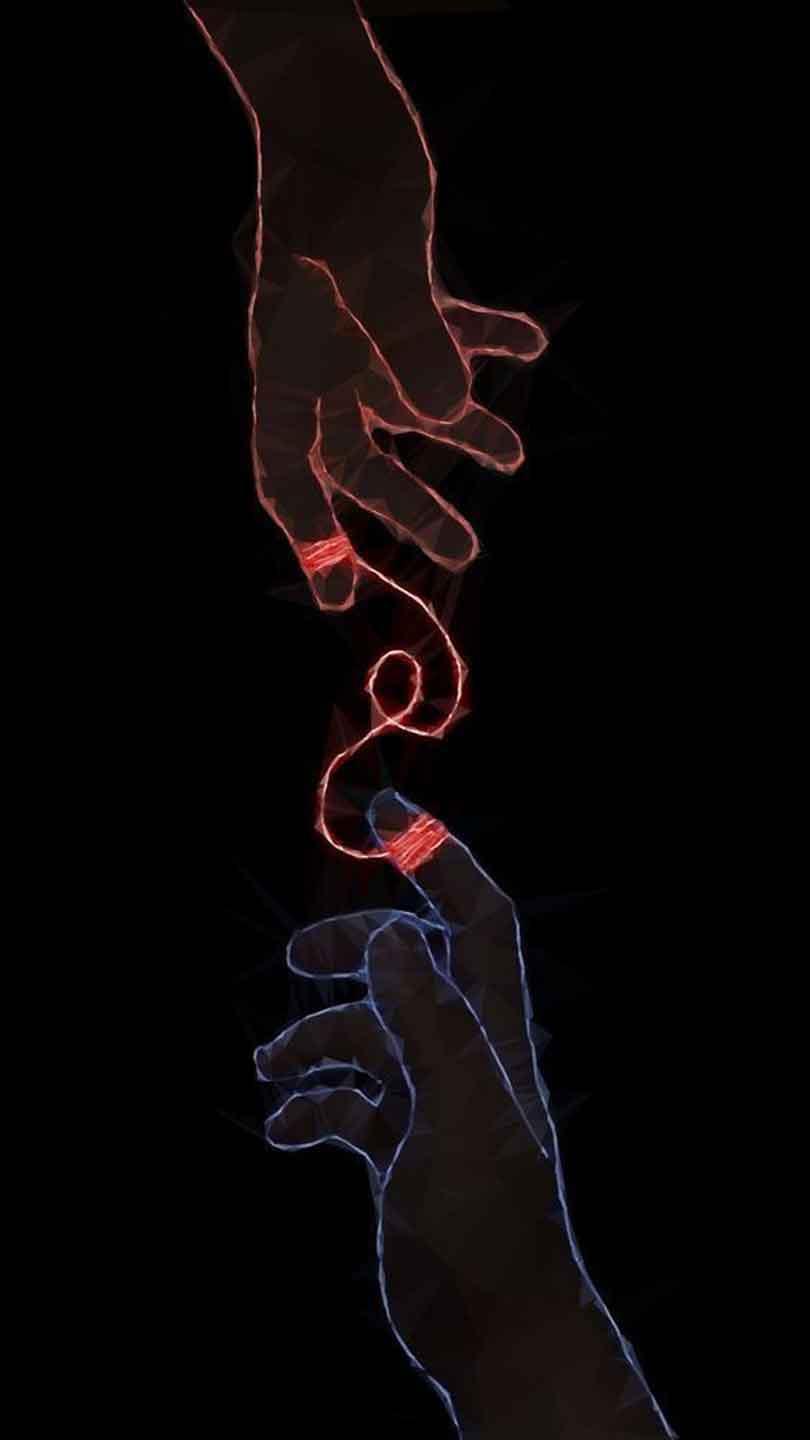
Language has a way of flattening things. Maybe that is why art exists. Music, films, books and poetry all attempt to communicate emotions that ordinary conversation cannot fully contain. Even then, people interpret art differently. So perhaps the answer is no. Maybe we are never completely known by anyone. But I do not think that makes connection meaningless. If anything, it makes human relationships even more remarkable.

People spend their lives trying to bridge the gap between one mind and another. Sometimes, against all odds, they succeed well enough to make somebody feel a little less alone. Maybe that is all intimacy really is. Not perfect understanding, but the ongoing attempt to reach another person honestly. And maybe being loved is not about someone understanding every part of you perfectly. Maybe it is about someone recognizing that you are complicated, contradictory and impossible to fully explain, and choosing to stay anyway.