Are Two Death Sentences Enough Justice for the Easter Sunday Loss?

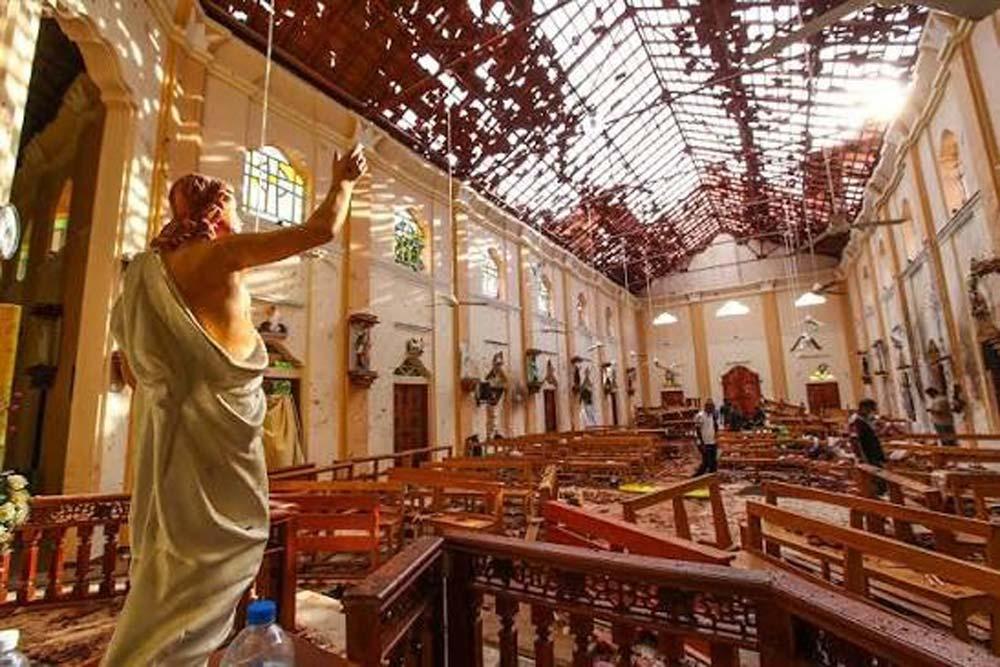
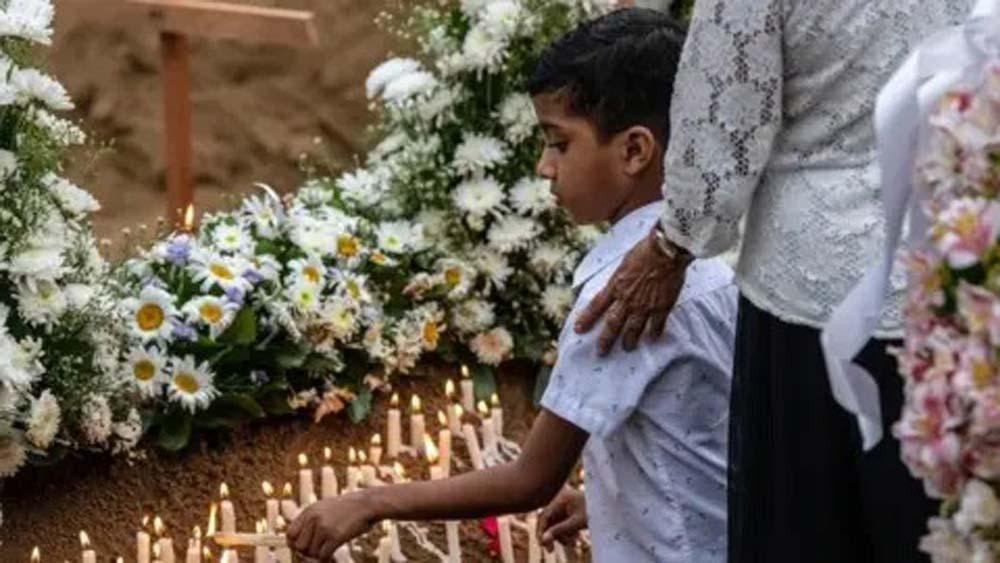
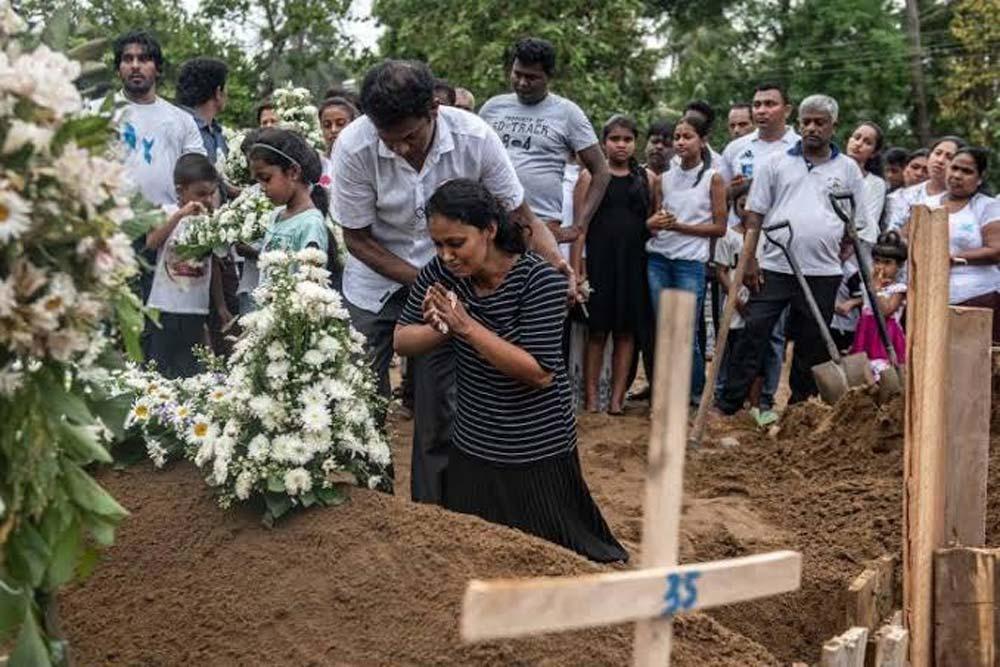
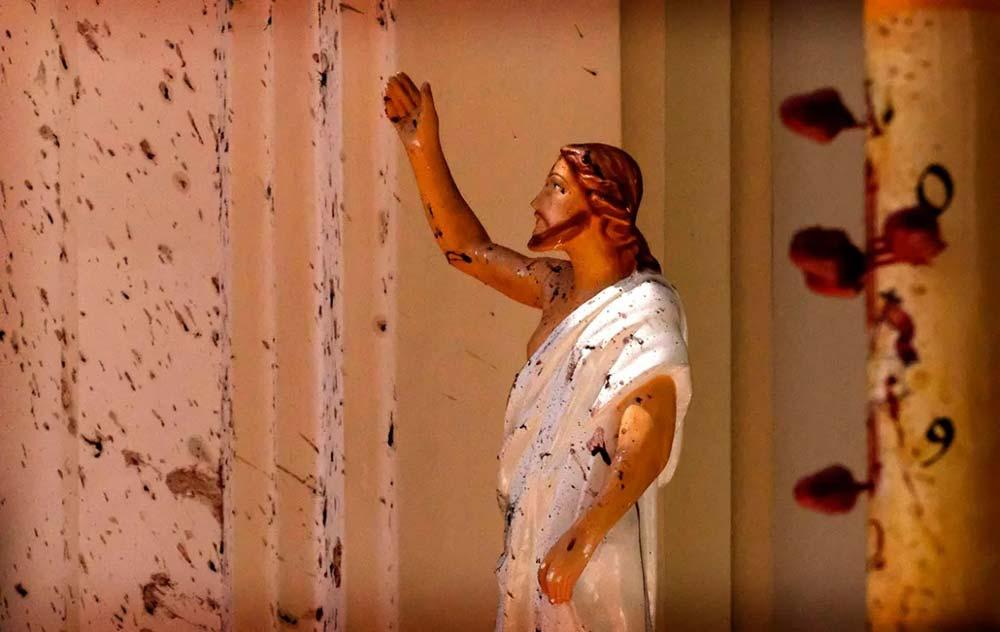
Nine suicide bombers struck six locations across Sri Lanka on the morning of April 21, 2019. Three churches: St. Anthony's Shrine in Kochchikade, St. Sebastian's Church in Negombo, and Zion Church in Batticaloa, packed with worshippers on Easter Sunday. Three luxury hotels: the Shangri-La, the Kingsbury, and the Cinnamon Grand, full of breakfast guests. Nearly 270 people died, including 45 foreign nationals. Hundreds more were left with injuries that will outlast this article by decades. It remains the deadliest attack on Sri Lankan soil since the end of the civil war a decade earlier.
 Seven years later, on July 31, 2026, a Colombo High Court sentenced former Inspector General of Police Pujith Jayasundara and former Defense Secretary Hemasiri Fernando to death for criminal negligence. A three-judge bench ruled two to one; the dissenting judge argued both men should be acquitted entirely. Sri Lanka has not carried out an execution since 1976, and President Anura Kumara Dissanayake has said he intends to preserve that moratorium, meaning the sentence will almost certainly translate into life imprisonment once the appeals process runs its course. That process has not yet begun.
This is the first time in Sri Lanka's history that officials at this level of the security establishment have faced criminal punishment, rather than a civil finding, for a mass casualty attack that intelligence services were warned about in advance. It is also, on its own, nowhere near the full account of who allowed April 21, 2019, to happen.
The warning that was ignored
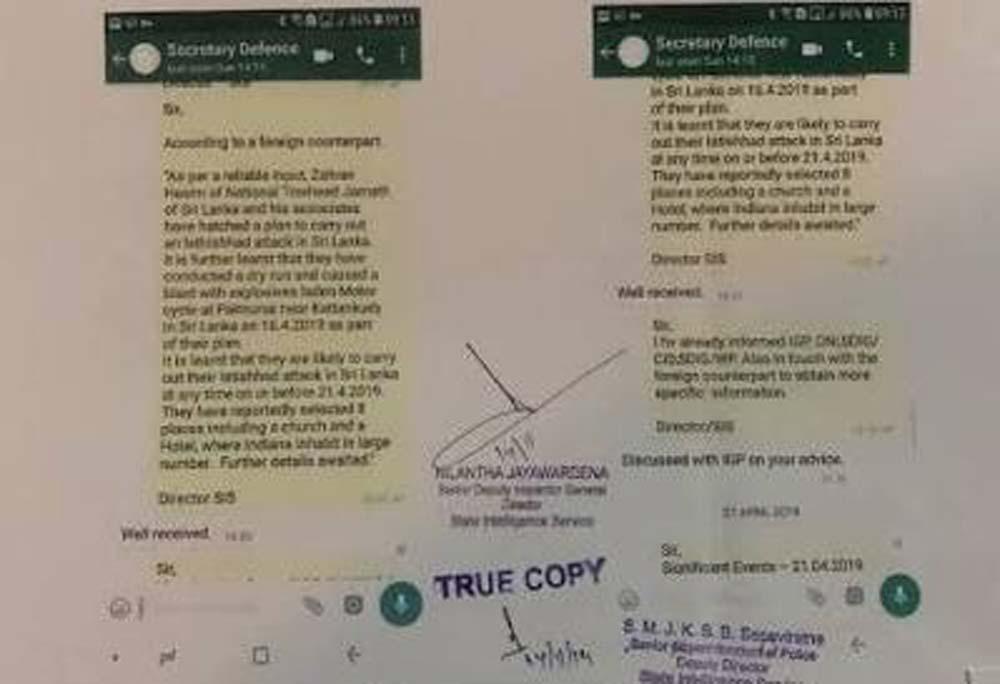
Indian intelligence agencies passed on specific, detailed warnings to Sri Lankan counterparts roughly two weeks before the attacks, naming the group responsible and describing elements of the plan. Those warnings moved through a state apparatus paralyzed by its own internal war. At the time, President Maithripala Sirisena and Prime Minister Ranil Wickremesinghe were locked in a constitutional crisis so severe that cabinet meetings were being boycotted and communication between ministries had effectively broken down. Sri Lankan investigators and multiple official inquiries, including a Parliamentary Select Committee and a Presidential Commission of Inquiry appointed by Sirisena himself in September 2019, documented a security architecture that had fractured along factional lines, with intelligence reportedly withheld from one political camp and briefed selectively to another.
In January 2023, Sri Lanka's Supreme Court ruled on the question of responsibility. A seven-judge bench found that Sirisena, along with Jayasundara, then intelligence chief Nilantha Jayawardene, and the serving defense secretary, had failed to act despite what the court explicitly called solid intelligence. Sirisena was ordered to pay 100 million rupees from his personal funds to the victims' families who had brought the case; the other officials were ordered to pay a combined 210 million rupees. It was a landmark ruling in that it placed formal responsibility, in writing, at the feet of a sitting former president. It was also, by design, a civil finding. No criminal charge followed it. Sirisena went on to remain a public figure in Sri Lankan politics.
What the criminal case has actually reached
The gap between a civil finding of responsibility and a criminal conviction is where this case has lived for seven years, and this week's verdict narrows that gap only at the level of the security bureaucracy, not the political leadership that presided over it. Jayasundara and Fernando ran institutions. They did not run the country.
The investigation has moved further in 2026 than in any prior year. In February, Sri Lankan criminal investigators arrested former State Intelligence Service Director Major General (Retd.) Suresh Sallay, charging him with conspiracy and aiding and abetting the attacks. Sallay had been appointed to head the State Intelligence Service after Gotabaya Rajapaksa became president in the election that followed the bombings, an election Rajapaksa won largely on a platform of national security. He was dismissed from public service after Dissanayake's National People's Power government took office in 2024, which campaigned in part on a promise to reopen the Easter Sunday investigation. Sallay has denied the allegations against him, and his trial has not concluded.
Those allegations are serious and they come from more than fringe sources. A 2023 Channel 4 Dispatches investigation aired claims from a source with ties to the Rajapaksa political circle alleging that Sallay brokered a 2018 meeting between military intelligence and members of the National Thowheeth Jama'ath, the group behind the bombings.
The same reporting carried a whistleblower allegation that Sallay allowed the plot to proceed because of the political advantage its aftermath would generate in that year's presidential race. Sri Lanka's Catholic Church, through the Archdiocese of Colombo and Cardinal Malcolm Ranjith, has said publicly and repeatedly that it does not accept the official account of a self-contained extremist cell acting alone, and has called for a full accounting of a larger conspiracy it believes sits behind the attacks. In 2021, Cardinal Ranjith organized a nationwide "Black Sunday" protest specifically to demand implementation of the Presidential Commission of Inquiry's recommendations, which by that point had stalled for years.
None of this constitutes a criminal conviction of anyone beyond the two men sentenced this week, and it should not be reported as one. Sallay's guilt or innocence will be determined in a courtroom, not in a Dispatches segment or a cardinal's sermon, however credible the sourcing behind either. What can be reported as fact is this: the officials and political figures whose names sit closest to these allegations have shown no urgency in seeing them tested. Wickremesinghe, who governed Sri Lanka for years after the attacks and after the 2023 Supreme Court ruling, has publicly denied shielding Gotabaya Rajapaksa from prosecution and dismissed the Church's renewed accusations as political theater. Mahinda Rajapaksa's camp has separately felt compelled to state that he has no intention of leaving the country, a denial that only exists because the question is still being asked.
 The community that paid the price
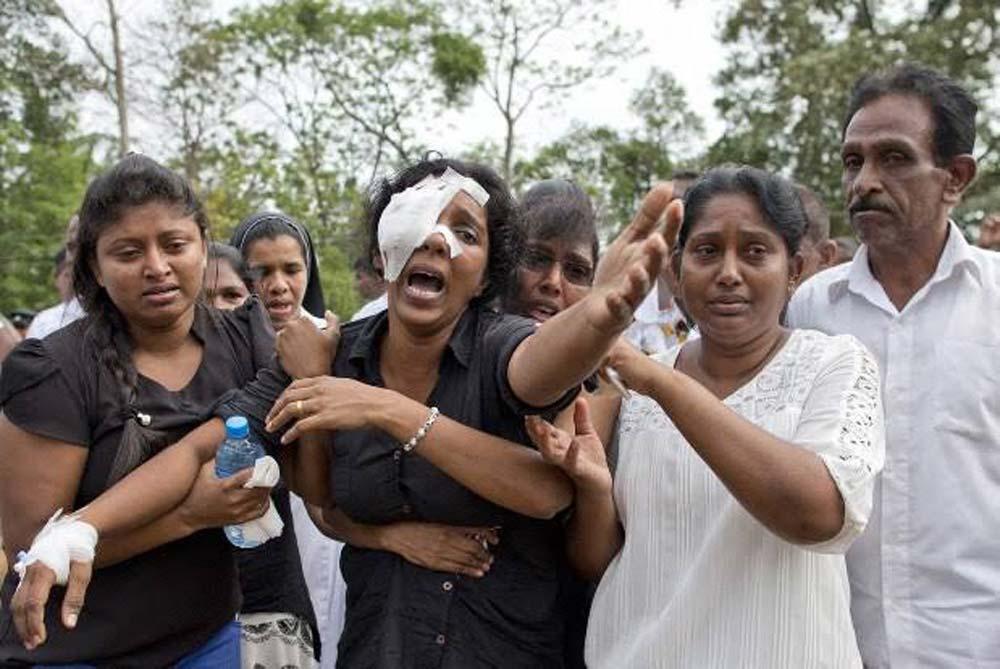
While the accountability process crawled through commissions and civil courts for years, an entire religious community absorbed a punishment no court ever formally handed down. In the weeks following the attacks, the government declared a state of emergency, imposed a nationwide ban on face coverings aimed squarely at Muslim women, and deployed military checkpoints across the island under the banner of national security. Muslim owned homes and businesses were attacked in multiple towns. Sinhala communities organized boycotts of Muslim owned shops. Sri Lankan Muslims, the vast majority of whom had no connection whatsoever to the National Thowheeth Jama'ath, spent the following years demonized in public discourse and targeted in ways that outlasted the initial panic by years, feeding into propaganda that conflated an entire faith with a small cell of extremists.
No official who sat on an intelligence warning lost a business to a mob. No minister who boycotted a cabinet meeting had his mosque vandalized. The collective punishment fell on people who had no seat at the table where the actual failures occurred, a pattern that repeats itself in states that fail to hold their own accountable and need somewhere else to direct the anger they helped create.
A death sentence in one province
The scale of this week's verdict becomes clearer against a second story unfolding at the same time, several hundred kilometers to the north. As the Jayasundara and Fernando ruling made headlines across Colombo, investigators were continuing excavation work at Chemmani, a mass grave site linked to the killing of Tamil civilians during the civil war. International accountability experts and United Nations officials have for years pressed Sri Lanka to open a full criminal investigation into that site. That pressure has not produced a single prosecution.
Set beside each other, the two cases expose the terms on which Sri Lanka's justice system operates. It moved with real force this week when the case involved international media attention, diplomatic scrutiny, and a defendant pool confined to civil servants rather than the political families that have dominated the country's parties for generations. It has not moved with anything close to that force for Tamil families who have waited a quarter of a century for the identity of the people responsible for the bodies being pulled out of Chemmani's soil. A justice system that reserves its full weight for some victims and withholds it from others on the basis of ethnicity and political proximity is not delivering justice. It is deciding, case by case, whose grief is worth answering.
What accountability actually requires from here
The verdict against Jayasundara and Fernando proves something Sri Lanka's political establishment spent seven years insisting was impossible: that officials protected by rank and institutional loyalty can, eventually, be tried and sentenced for what they failed to do. That precedent now has to be tested against the people who were actually running the country in April 2019, not just the men who worked beneath them.
That means the Sallay trial has to proceed in open court, with evidence tested rather than assumed, because a conviction built on public fury rather than proven fact would be its own injustice, and because if the conspiracy allegations hold up, only a rigorous trial will make that verdict impossible to dismiss later as political theater. It means the appeals process for this week's death sentences needs to be watched as closely as the original trial, not because the guilt of the two men is in serious doubt, but because a case that collapses on procedural grounds after the fact serves no one. And it means the next name that has to appear in a courtroom, not a compensation ledger, is a political one rather than a bureaucratic one.
Sri Lanka was told for years that the investigation was ongoing while the same senior political figures kept appearing in parliament, in cabinet, and on television defending their records instead of answering to a court. This week's verdict is the clearest proof yet that the outcome families have been demanding since 2019 is achievable within the system as it exists. Whether the country finishes what this week only started, whether the politicians and not just the police chiefs and intelligence officers eventually sit where Jayasundara and Fernando sat this year, remains the only part of this story still unwritten.