All Female Beauty Standards Are Just Traits of Young Girls
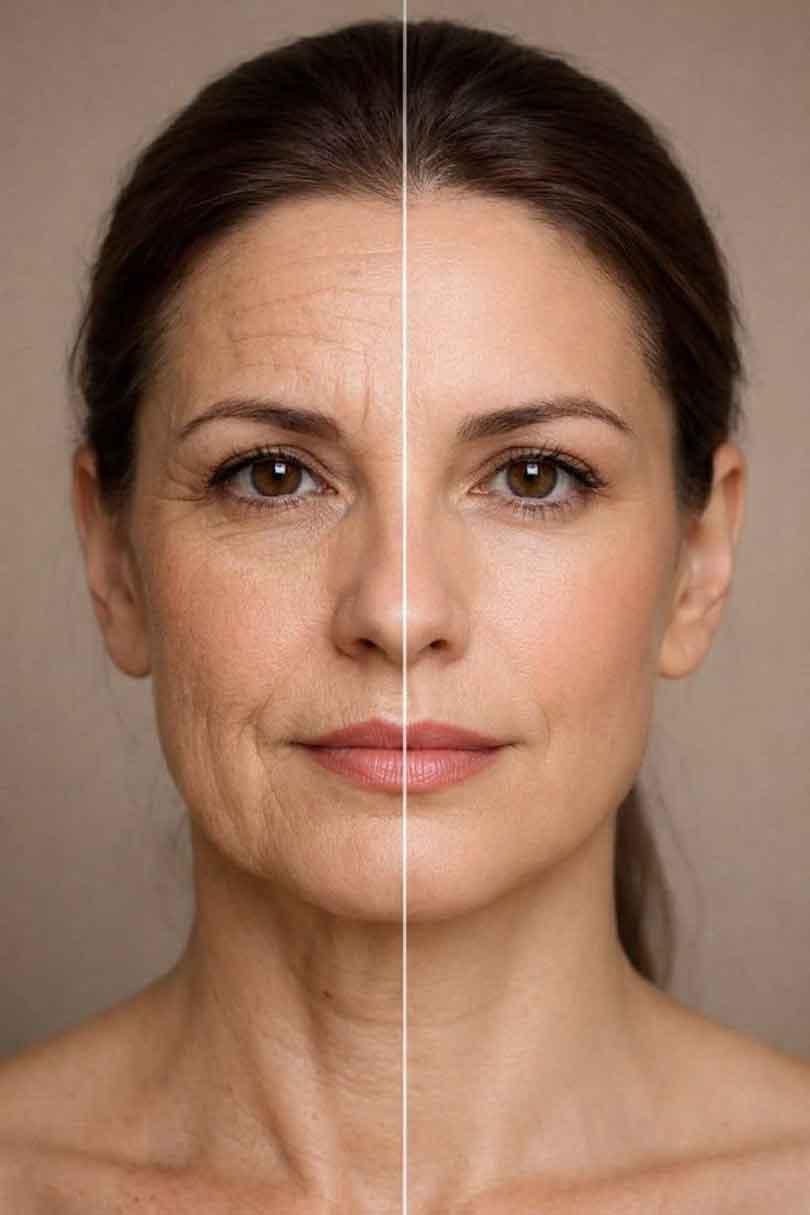
There is a strange rule in beauty: the older a woman gets, the more she is expected to look like she has not aged at all. Not lived. Not changed. Not grown. Just young. A wrinkle becomes a flaw. Body hair becomes something to remove. Skin must be smooth, bodies must be small, faces must be soft, voices must not be too loud, and women are constantly encouraged to appear innocent, delicate and effortless. At first, these standards seem random. They look like normal beauty trends, the kind that change every few years and get repackaged by celebrities, brands and social media but when you look closer, the pattern becomes harder to ignore.
A lot of what society calls “beautiful” in women is simply what naturally exists in young girls. Hairless skin. Soft features. Smallness. Innocence. Lack of visible ageing. Even the expectation that women should be dependent, agreeable or “cute” seems connected to an idea of femininity that is not fully adult. That is where the problem begins. Beauty itself is not the issue. There is nothing wrong with wanting to look nice, enjoying makeup, dressing well, skincare, fashion or feeling confident in your body. The issue is that the most praised version of female beauty is often not based on maturity, strength or individuality. It is based on youth, and not just youth in the normal sense of being healthy or energetic. It is youth taken to an uncomfortable extreme. Women are told to grow up but not look grown. They are expected to be adults but not look too adult. They are expected to be attractive, but the traits that are most rewarded are often the traits associated with girlhood. That contradiction says more about society than it does about women. The pressure is visible everywhere. Anti-ageing products are advertised as if ageing is a personal failure. Filters smooth out every line on a face. Hair removal is treated less like a choice and more like basic hygiene. Thinness is praised even when it becomes unhealthy. Being “petite” is romanticized. A woman who looks mature, strong or visibly older is often pushed to the side, while the beauty industry continues to sell youth as if it is the highest form of femininity.
This does not mean every person who prefers certain features has harmful intentions. It also does not mean every beauty trend is secretly dangerous. The point is not to accuse every individual. The point is to question the cultural pattern. Why is female beauty so often connected to looking younger, smaller, smoother and less physically adult? At the same time, young girls are pushed in the opposite direction. Girls are encouraged to look older before they have even had the chance to enjoy being young. Makeup tutorials, fashion trends, beauty filters and social media all create the feeling that girlhood is something to upgrade as quickly as possible. A young girl is praised when she looks “mature” or “grown,” while an adult woman is praised when she looks like she has avoided growing older. It creates a strange cycle. Girls are told to look like women. Women are told to look like girls. Nobody is allowed to simply exist at the age they actually are. That is the uncomfortable part.
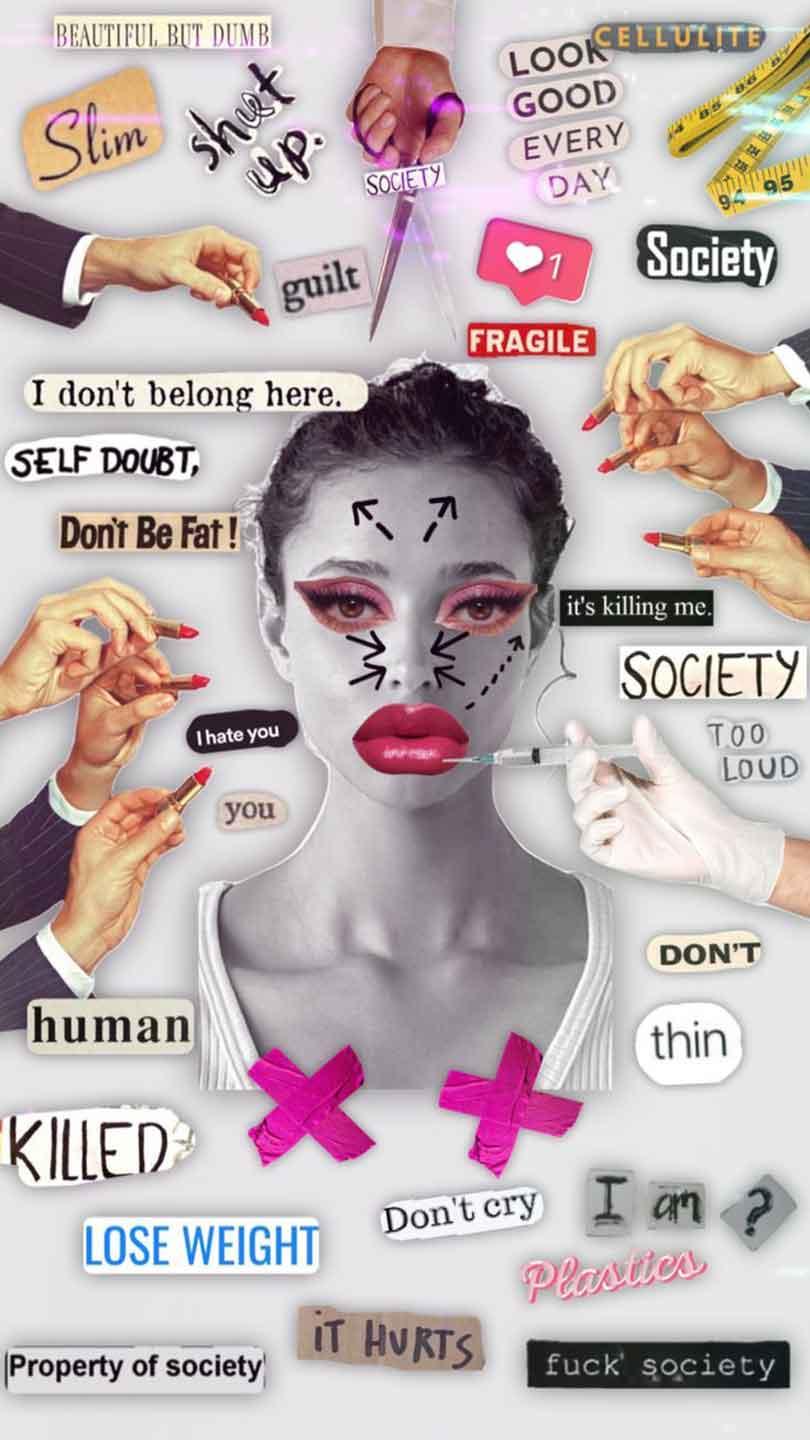
Society has created a beauty standard where childhood is dressed up as glamour and adulthood is treated like something to hide. The result is not only unrealistic. It is harmful. When beauty becomes linked to youth, aging begins to feel like losing value. A woman is not simply getting older. She is made to feel like she is becoming less attractive, less visible and less desirable. This is why beauty standards can be so exhausting. They do not just tell women how to look. They tell them what to fear.
Fear the wrinkle. Fear the grey hair. Fear the weight gain. Fear the body hair. Fear looking too much like a real person. The pressure does not stop at appearance either. It often enters behaviour. Women are praised for being soft, innocent, quiet, agreeable and non-threatening. Of course, there is nothing wrong with being gentle, but it becomes a problem when maturity, confidence and independence are treated as less feminine. A woman who knows what she wants can be called intimidating. A woman who speaks directly can be called difficult. A woman who refuses to shrink herself can be made to feel unfeminine.
It is not really about beauty. It is about control. A society that praises women for looking young and acting harmless is not simply admiring beauty. It is rewarding women for being easier to manage. It is easier to accept women when they appear small. It is easier to admire them when they do not take up too much space. This also explains why these standards affect girls so deeply. From a young age, girls learn that being looked at is part of being valued. They learn that appearance can bring attention, approval and praise. The APA Task Force on the Sexualization of Girls defines sexualization partly as when a person’s value comes mainly from sexual appeal or when physical attractiveness is narrowly linked with being desirable. Once a girl learns to view herself from the outside, she may begin to judge herself before anyone else does.
That is self-objectification: learning to see your body as something constantly being watched, compared and evaluated. Social media makes this worse because comparison is no longer occasional. It is constant. A girl can compare herself to classmates, influencers, celebrities and edited images within minutes. She does not just see beauty standards in magazines anymore. She carries them in her hand. They appear while she is bored, while she is resting, while she is trying to distract herself from school, stress or loneliness.
After a while, beauty does not feel like self-expression. It feels like homework. There is always something to fix. Something to remove. Something to smooth. Something to buy. Something to become. This is why the argument that female beauty standards are rooted in traits of young girls matters. It helps reveal why the standard feels impossible. Adult women cannot permanently look like children and young girls should not be pressured to look like adult women. Yet the beauty industry profits from both sides of this insecurity. It sells products to girls who want to grow up faster and to women who are terrified of looking like they have grown up at all. That is the contradiction at the centre of it all.
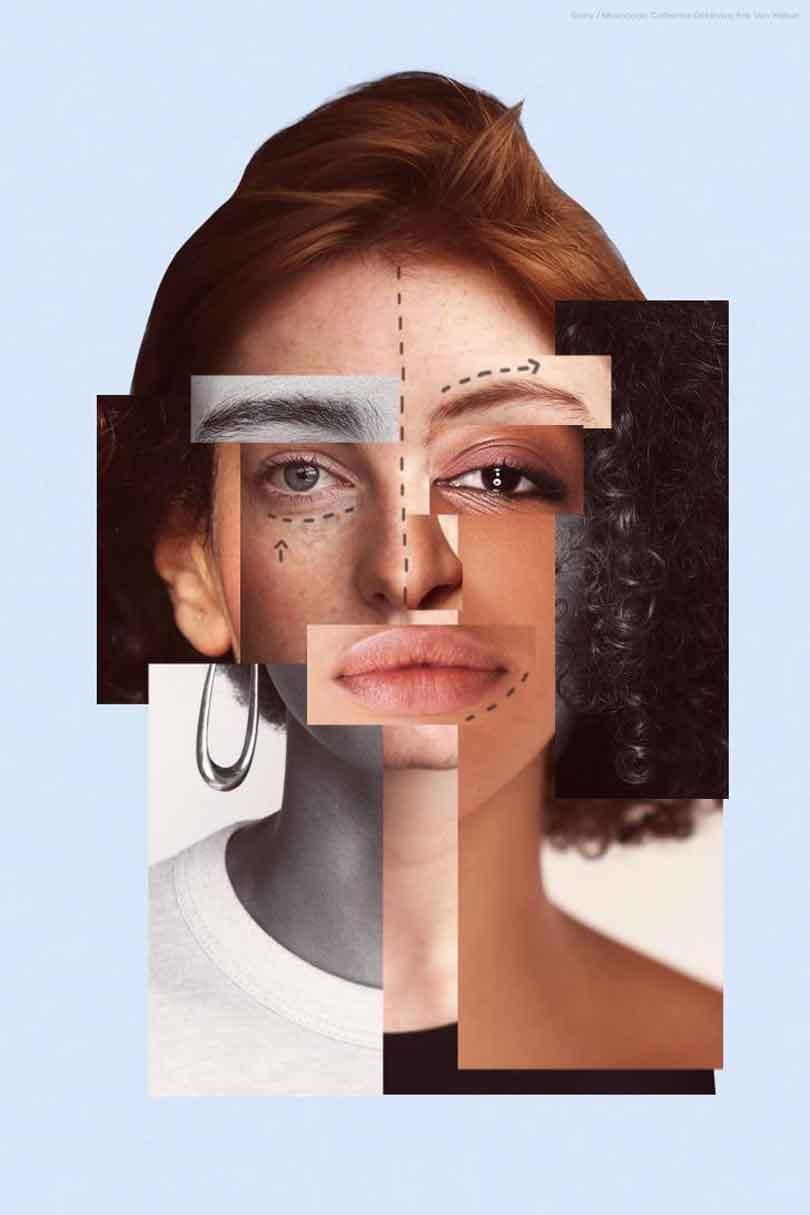
The same culture that claims to protect girls often sexualizes them. The same culture that tells women to be confident also punishes them for aging naturally. The same culture that says beauty is personal still gives everyone the same narrow image to chase. Maybe the real problem is not that women are failing to meet beauty standards. Maybe the problem is that the standards were never designed for real women in the first place. Real bodies change. Real faces age. Real skin has texture. Real women grow, mature, speak, disagree, gain weight, lose weight, get tired, heal, scar, live and become. None of that should make them less beautiful. It should make them more human.
The goal should not be to shame girls or women for enjoying beauty. Makeup, fashion and skincare can be creative, comforting and empowering. But empowerment is not the same as pressure. A choice is not truly free if society makes one option feel unacceptable. So, perhaps the question is not whether women should shave, wear makeup, use skincare, dress femininely or enjoy looking youthful. The better question is why so many women feel they must.
- Why does aging feel like failure?
- Why does body hair feel like embarrassment?
- Why does being small feel safer than being strong?
- Why is innocence treated as more attractive than experience?
Once we start asking these questions, beauty stops looking natural and starts looking constructed. It becomes clear that these standards did not appear out of nowhere. They were taught, repeated, advertised and normalized until they felt like common sense, but common sense can be wrong. Maybe beauty should not be about chasing youth forever. Maybe it should not require girls to grow up too quickly or women to pretend they never grew up at all. Maybe beauty should leave room for age, difference, maturity and reality because a woman should not have to erase the signs of living in order to be seen as beautiful and a girl should not have to look older to be seen as valuable. At the end of the day, the issue was never that women age, change or grow into themselves. The issue is that society still does not know how to find beauty in women without first asking them to become younger, smaller and easier to control. That is not beauty. That is a standard built on fear.