Lata Pata Vintage Presents A Date with Dior.
By: Rishini Weeraratne
There is something undeniably special about discovering a beautifully preserved vintage piece. It is not simply about owning a luxury item. It is about owning a piece of fashion history, one that has lived another life and carries with it the craftsmanship, elegance and stories of another era. It is precisely this philosophy that has made Lata Pata Vintage (LPV) one of Sri Lanka's most exciting destinations for collectors and lovers of timeless design.
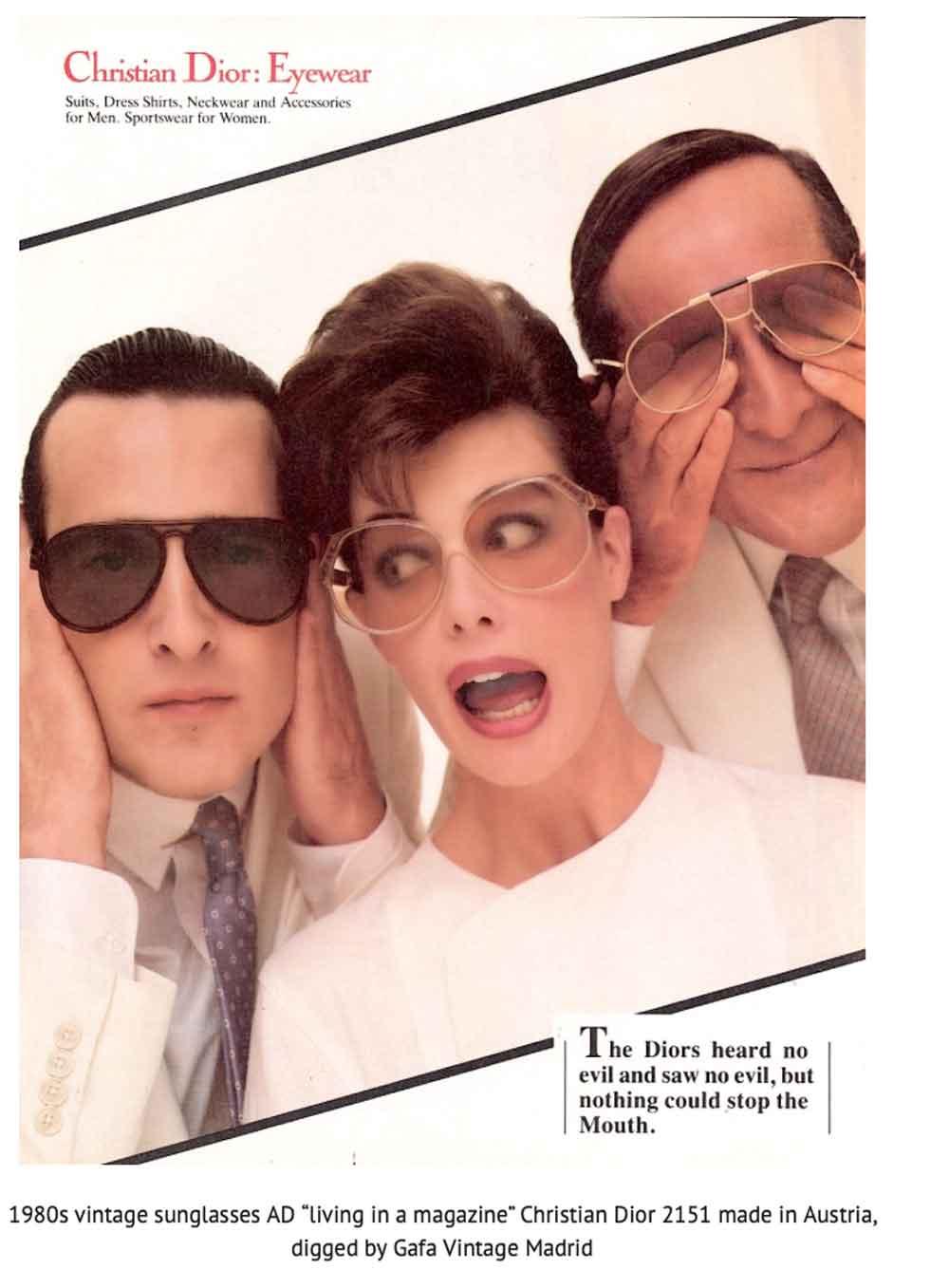
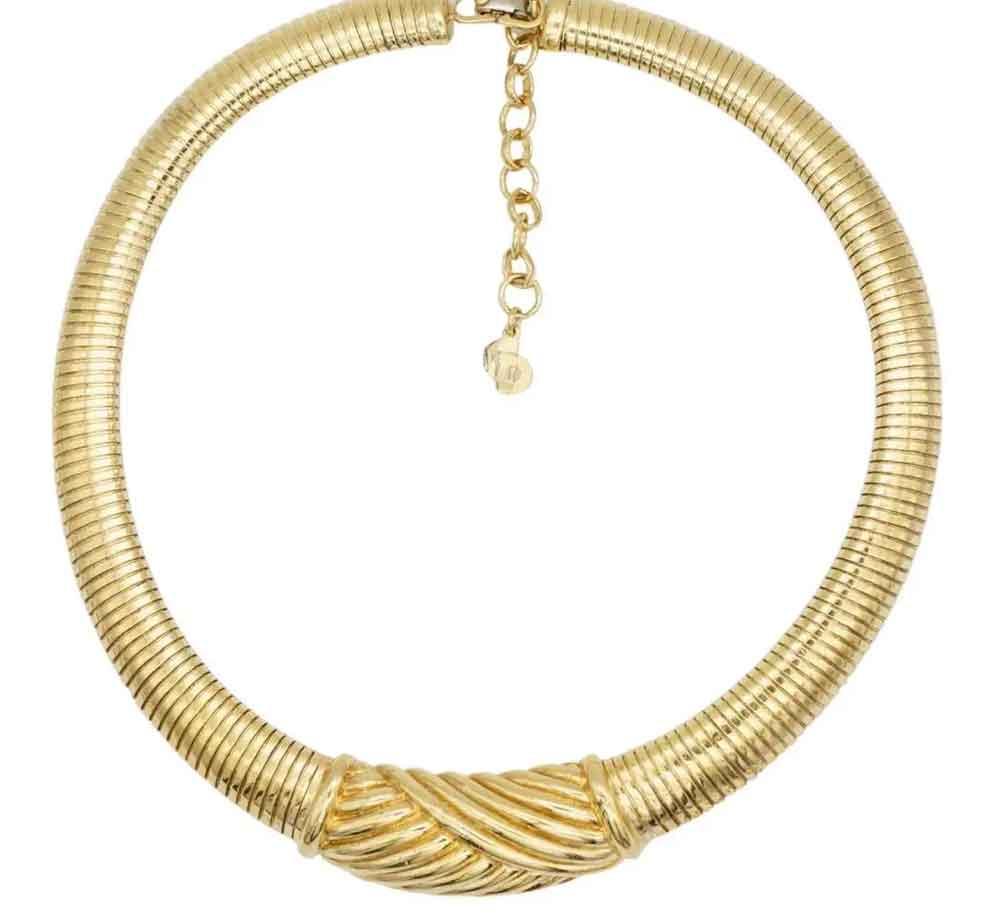
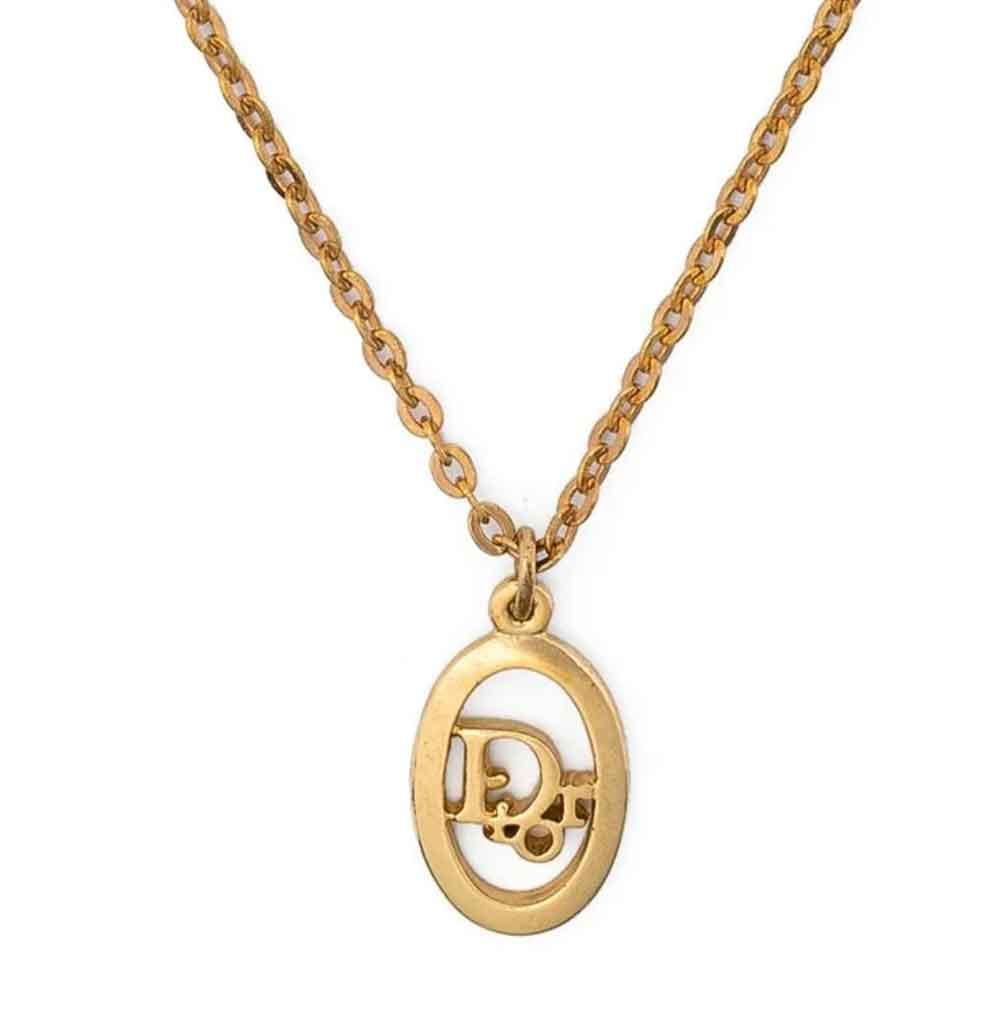
When an invitation arrived from co-founders Minoli Ratnayake and Leesha Captain for the latest edition of Lata Pata Vintage, it was difficult not to feel a pang of regret at being away from Colombo. Their newest showcase, A Date with Dior, is perhaps the most ambitious presentation yet. For the first time, the Colombo based vintage platform will present an exclusive, carefully curated collection dedicated entirely to the House of Dior, bringing together rare handbags, jewellery and accessories for both men and women dating from the 1970s through to the early 2000s.
Far more than a shopping event, A Date with Dior offers collectors and fashion enthusiasts the opportunity to explore the remarkable legacy of one of the world's greatest luxury houses through authentic vintage treasures. It is another milestone in Lata Pata Vintage's ongoing series of luxury pop ups, each designed to celebrate heritage brands while promoting the growing appreciation for sustainable and circular fashion.
LPV was born from a simple but compelling idea. Instead of chasing the new, why not celebrate exceptional craftsmanship that has already stood the test of time? The founders recognised a growing desire among modern consumers to invest in unique, well-made pieces that offer individuality while supporting a more conscious approach to fashion.
Beginning with carefully sourced vintage fashion, the business has gradually expanded into homeware, antiques and art, working closely with specialist dealers, established fairs and traditional French brocantes to ensure every acquisition is authentic and original. Every piece selected by the team reflects their belief that true luxury is defined not by trends but by quality, rarity and longevity. Their Dior collection perfectly captures this philosophy.
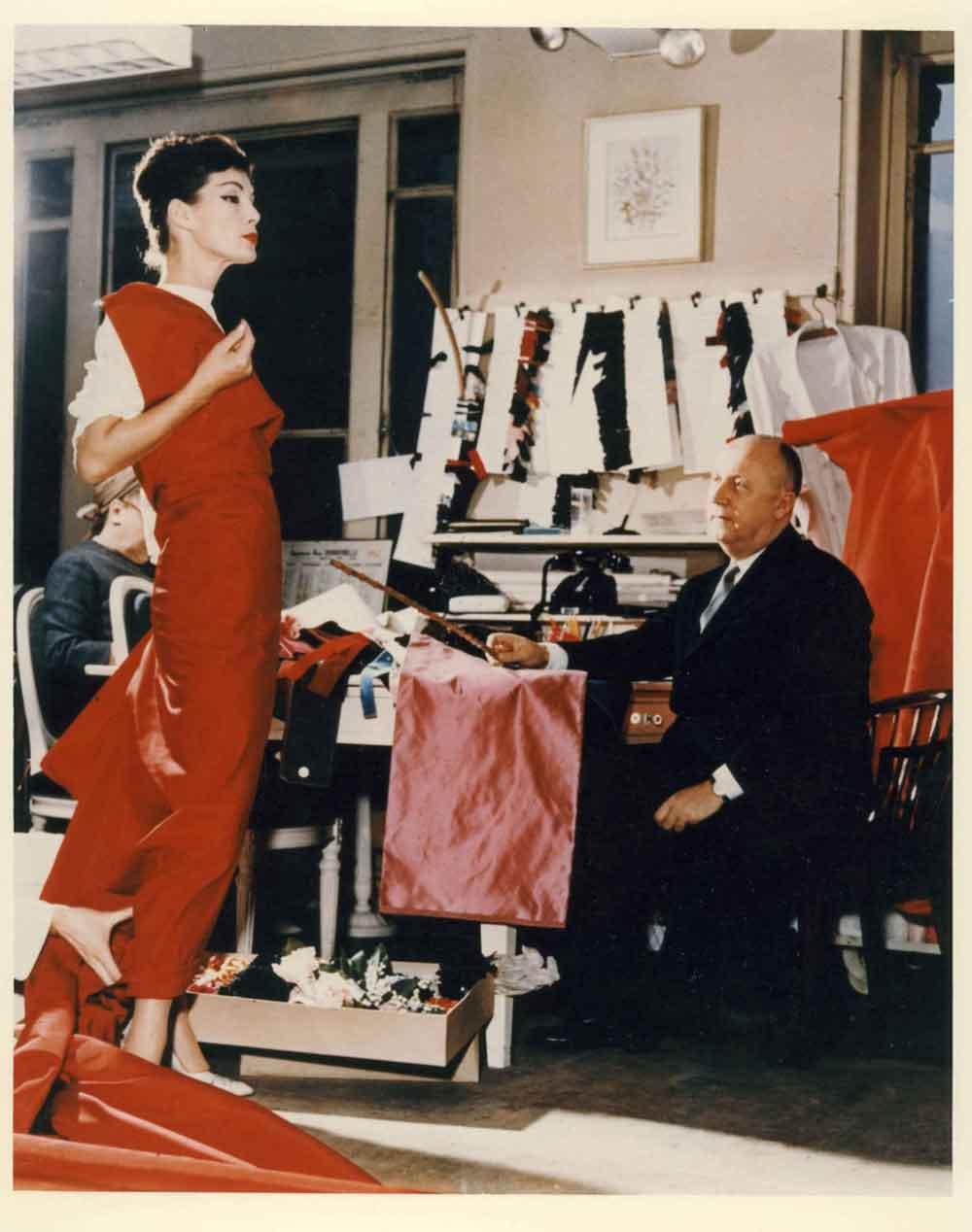
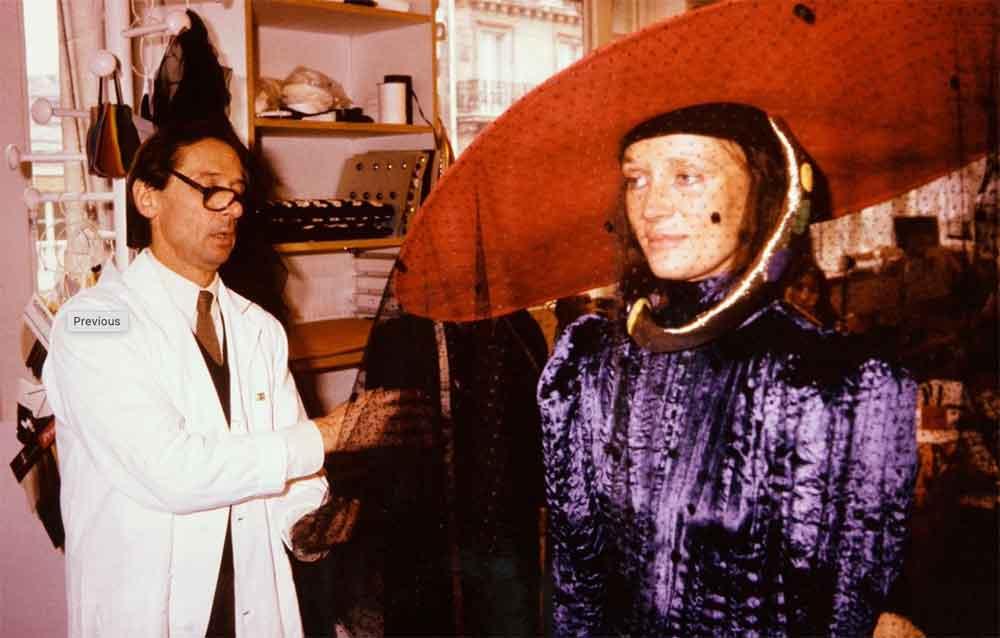
To understand why Dior remains one of the most influential fashion houses in history, one must begin with its remarkable founder. Christian Dior opened his couture house on Avenue Montaigne in Paris on December 16, 1946, supported by textile magnate Marcel Boussac. From the outset Dior insisted on complete creative control over every aspect of his maison, establishing a standard that continues to define the brand today. His debut collection in 1947 transformed fashion forever. Unveiling what would become known as the New Look, Dior replaced the practical austerity imposed by the Second World War with dramatic silhouettes, cinched waists, full skirts and unapologetic femininity. It was a collection that announced not only the return of glamour but also the rebirth of Paris as the capital of haute couture. The impact was immediate and international.
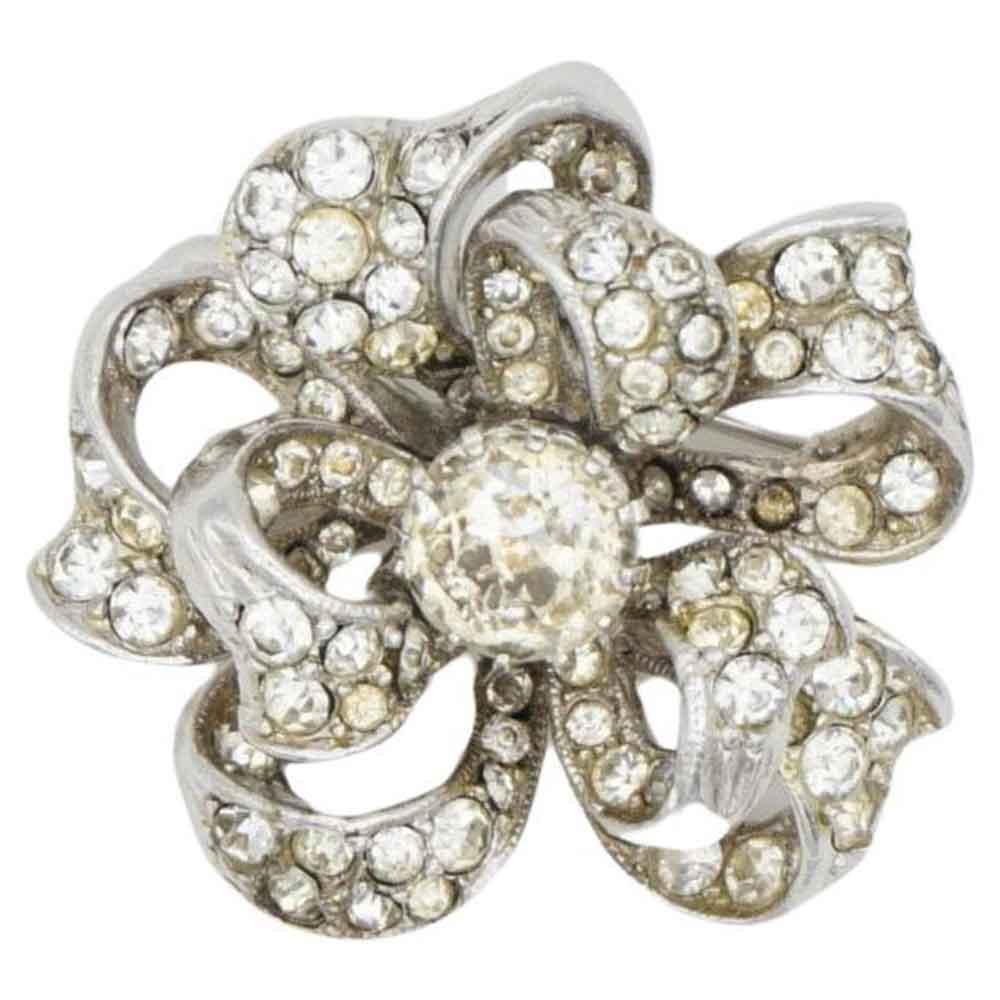
Recognising that luxury extended beyond clothing, Dior quickly established a perfume division and soon pioneered one of fashion's earliest licensing strategies. Fine leather goods, ties and accessories could now carry the Dior name while maintaining exceptional quality through carefully selected specialist manufacturers. Jewellery became another defining part of the Dior universe. Christian Dior collaborated with some of the world's finest artisans including Swarovski, London's Mitchel Maer, Germany's Henkel and Grosse and New York's Kramer. In Paris he worked alongside celebrated ateliers such as Robert Goossens, House of Gripoix, Francis Winter, Roger Jean Pierre and Roger Scemama.
While some critics initially argued that licensing diminished the exclusivity of haute couture, Dior's strategy ultimately revolutionised luxury fashion. His collaborations produced costume jewellery of extraordinary quality that has since become among the most collectible vintage accessories in the world. Among these partnerships, Henkel and Grosse proved the most enduring, producing Dior jewellery from 1955 until 2006. Their reputation for impeccable craftsmanship and consistent production enabled Dior's expanding global business while maintaining the elegance and sophistication expected from the maison.
Christian Dior was not only building beautiful collections. He was creating the blueprint for the modern luxury fashion empire. During his lifetime, future design legends Yves Saint Laurent and Pierre Cardin both worked under his guidance. The company continued to expand rapidly with cosmetics, fragrances and accessories strengthening the brand's global influence. In March 1957 Dior appeared on the cover of Time magazine, a reflection of his extraordinary international success. Only months later, tragedy struck. Christian Dior died unexpectedly from a heart attack in October 1957 after leading the house for just eleven years. Although his career was relatively short, his influence would shape fashion for generations to come.
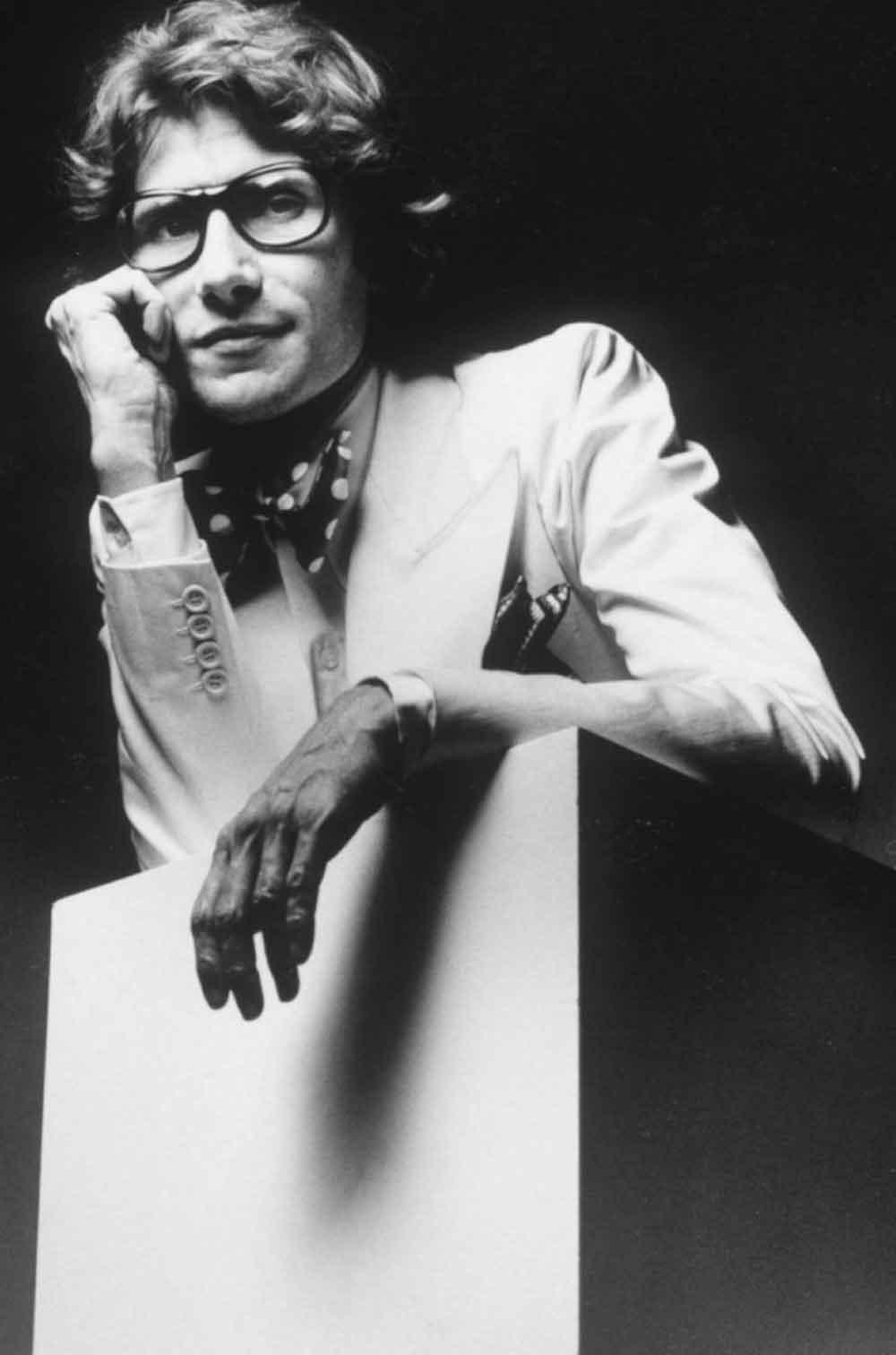
The enormous responsibility of continuing Dior's vision fell to the twenty-one-year-old Yves Saint Laurent, who had already served as Dior's assistant and atelier director. His first collection was warmly received, demonstrating remarkable maturity for such a young designer. However, Saint Laurent soon sought to introduce a more youthful direction inspired by Parisian intellectuals, artists and bohemian culture. His Beat Look challenged the conservative expectations of French couture and divided critics. While some admired its freshness, others rejected its departure from Dior's established elegance. Shortly afterwards Saint Laurent was called into military service, ending his tenure after only six collections. Within two years he would establish his own fashion house and become one of the defining designers of the twentieth century.
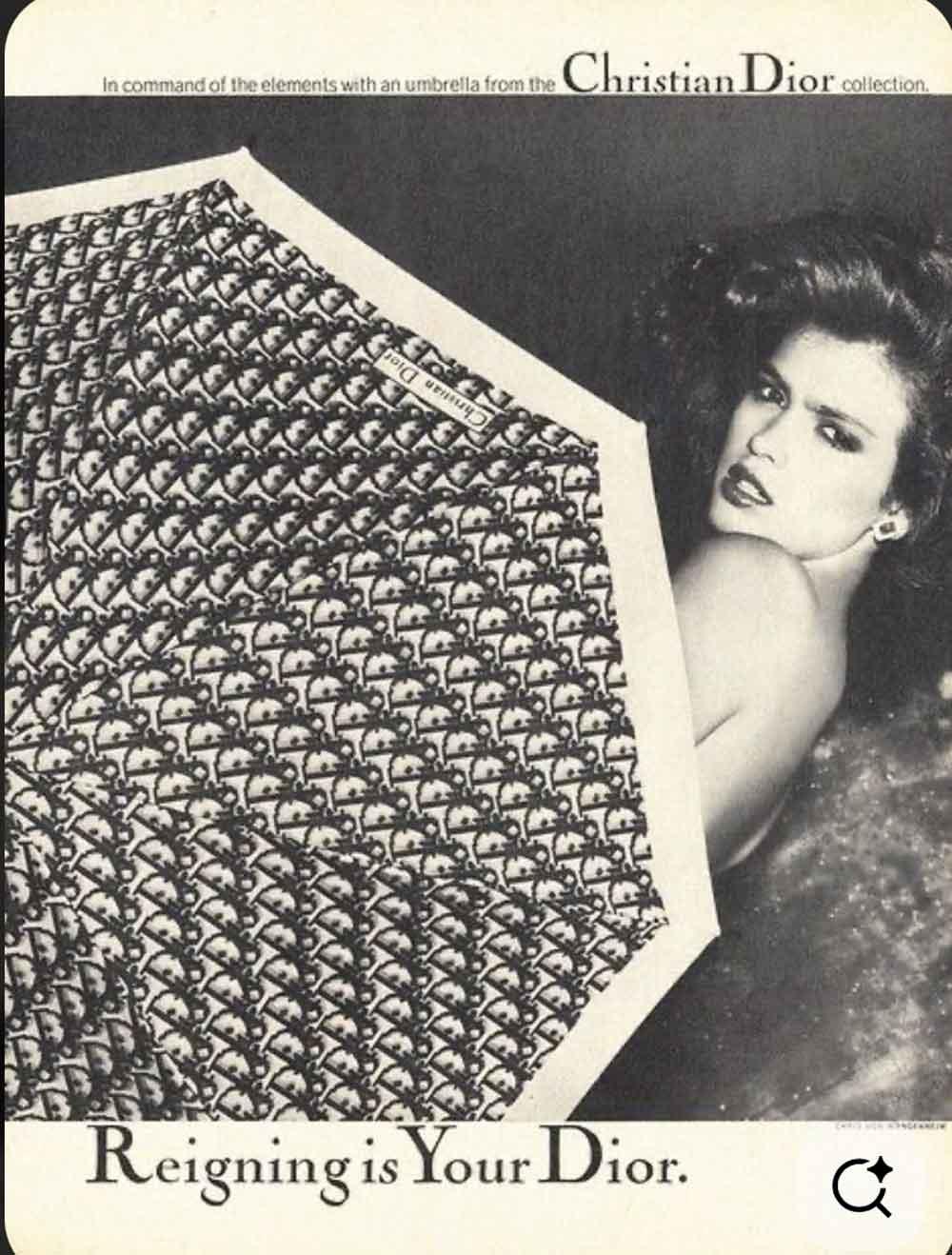
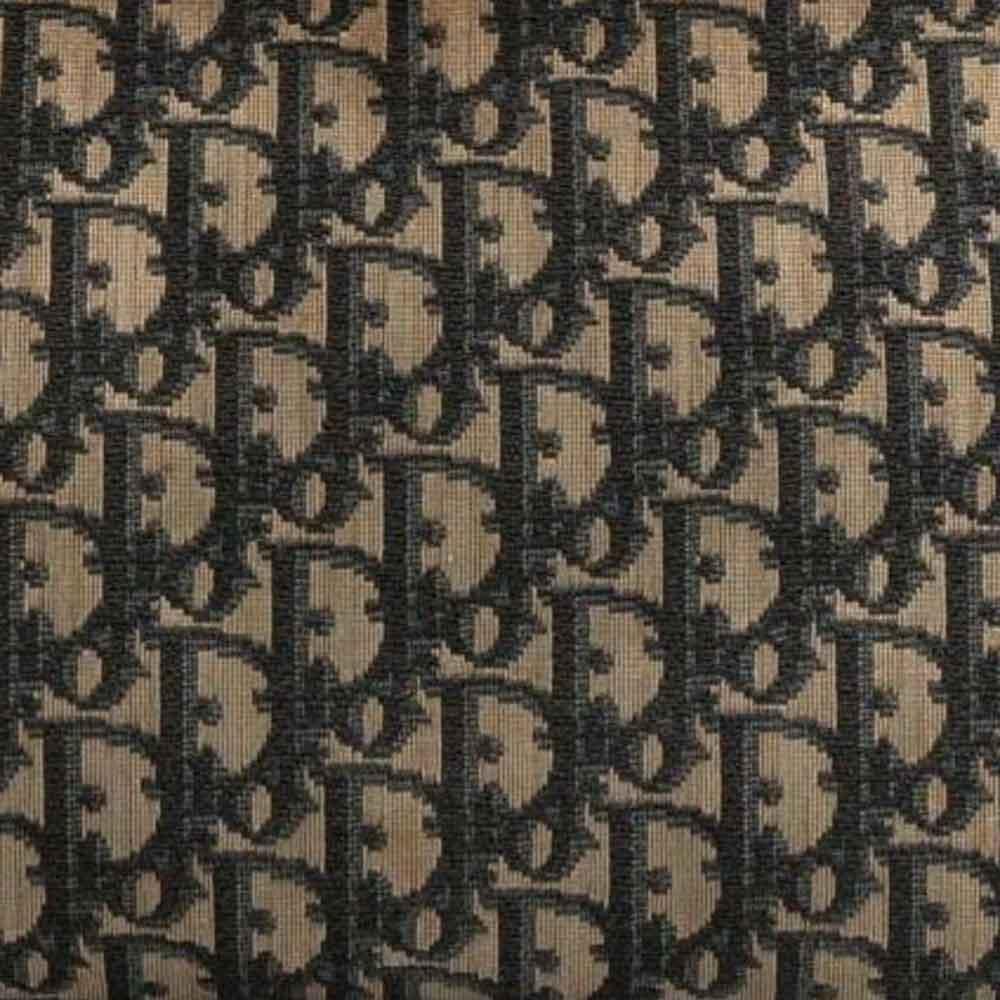
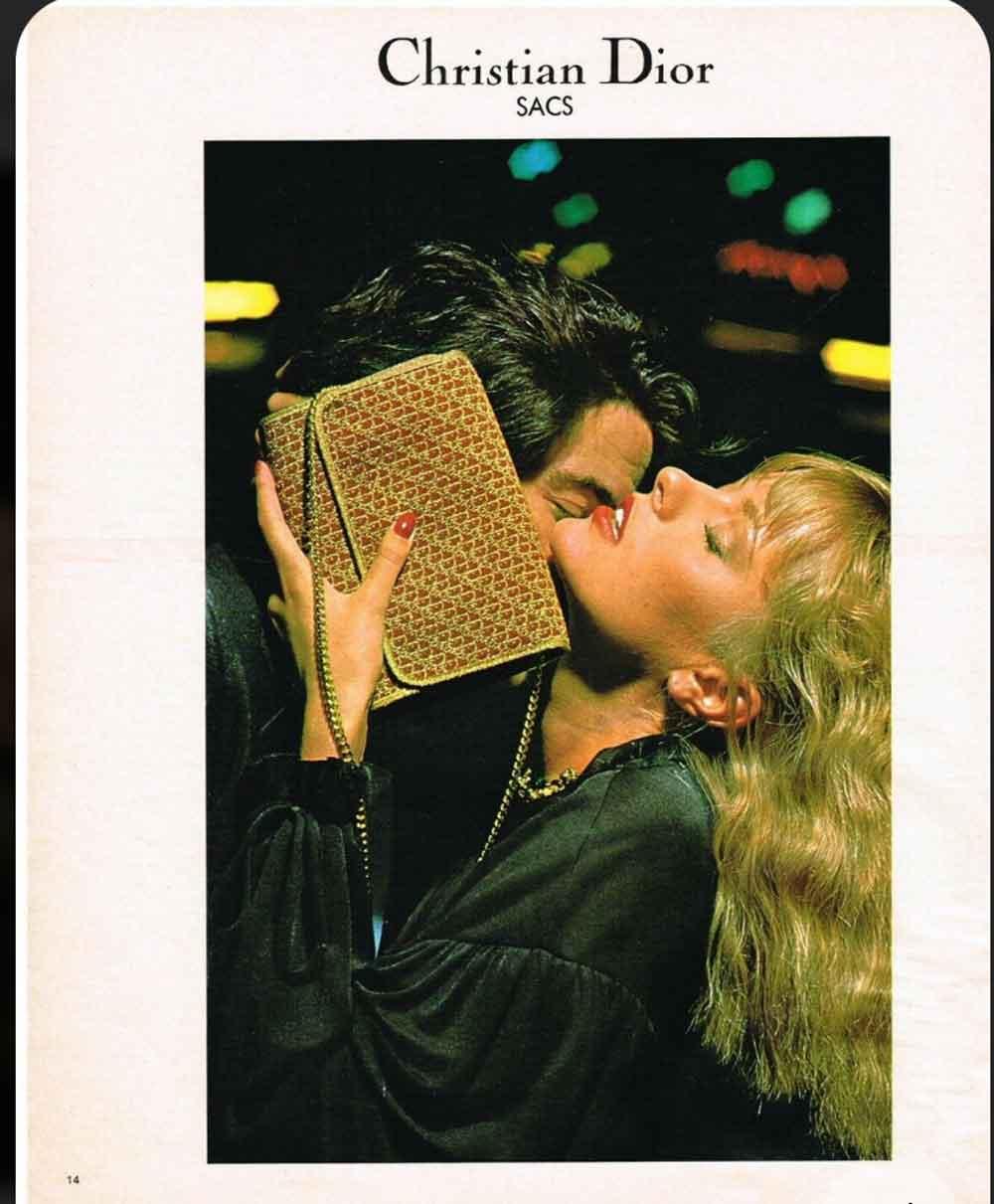
Marc Bohan succeeded him in 1960 and would go on to become the longest serving creative director in Dior's history. Bohan restored a sense of understated elegance while simultaneously transforming the business into a modern luxury powerhouse. His commercial instincts proved invaluable. He introduced the first ready to wear collection in 1967 and created the now iconic Dior Oblique motif for the Spring Summer 1969 collection. The pattern remains one of the brand's most recognisable signatures and continues to appear in contemporary collections today. During Bohan's tenure the company also expanded its menswear division with Dior Monsieur while strengthening its perfume business. His philosophy was elegantly summarised in his own words, creating sophisticated clothes simply, with just a touch of insolence from time to time. Many of the vintage accessories featured by Lata Pata Vintage originate from this remarkable era, when timeless elegance and impeccable craftsmanship defined every Dior creation.
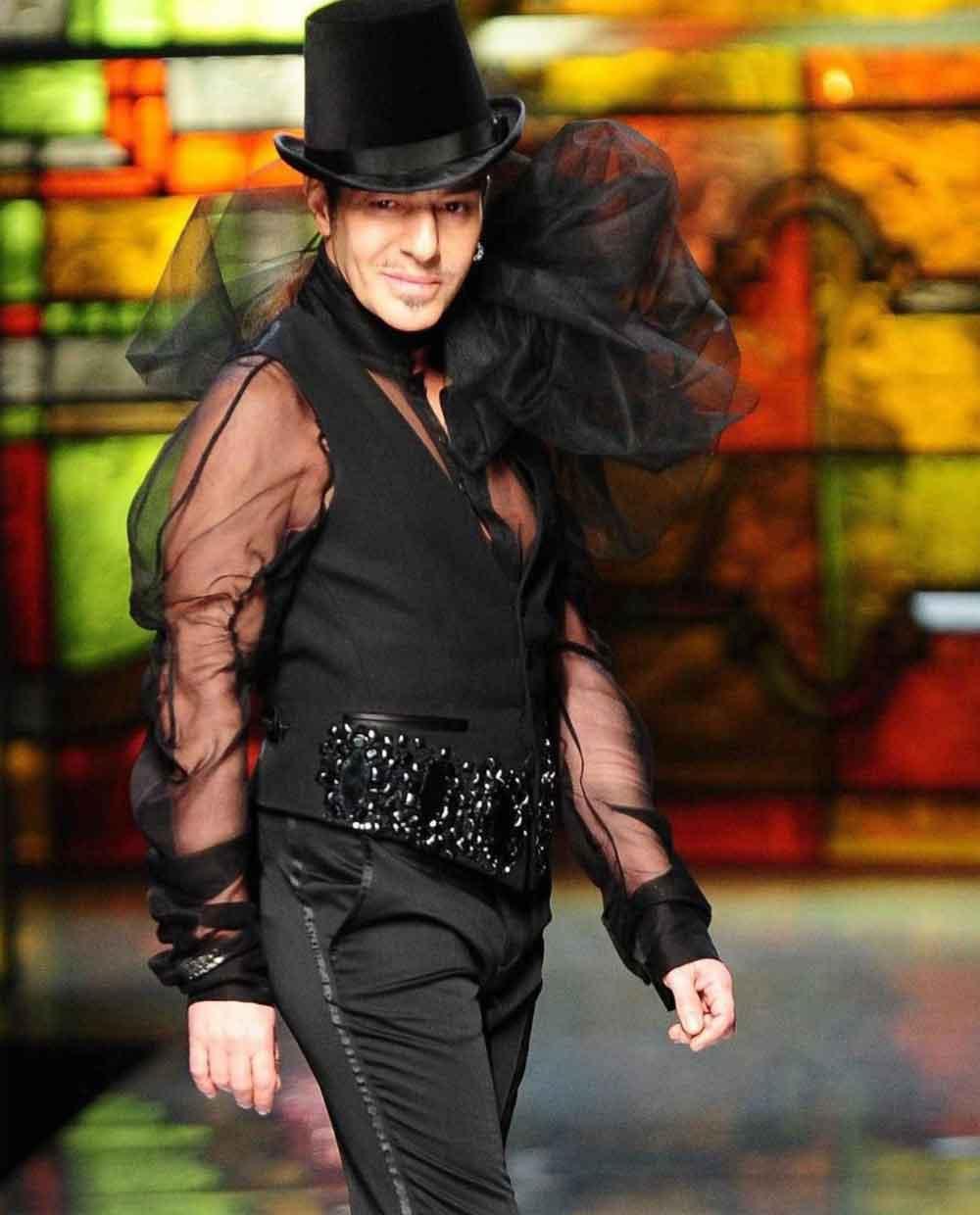
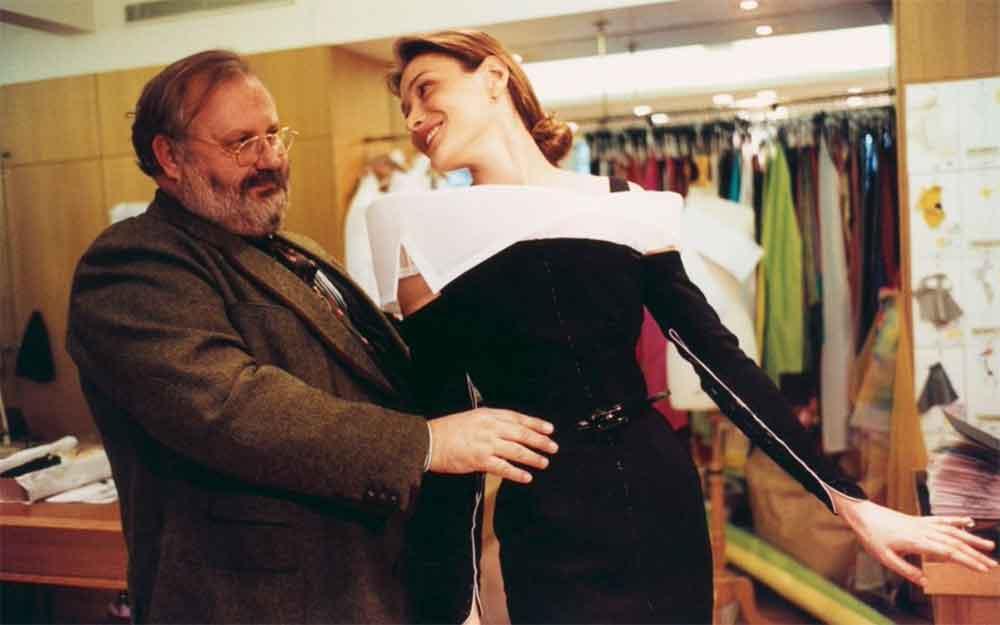
In 1989 Italian designer Gianfranco Ferrè became creative director, introducing a more architectural interpretation of Dior's heritage. His collections balanced structure with refinement, combining disciplined tailoring with luxurious fabrics and sculptural silhouettes. Working alongside Bernard Arnault, Ferrè also benefited from a business strategy focused on exclusivity rather than widespread accessibility. Licensing agreements were reduced while flagship boutiques expanded globally, strengthening Dior's position as one of the world's premier luxury brands. By the mid 1990s the company was enjoying record profitability, setting the stage for one of the most dramatic creative chapters in its history. That chapter began in 1997 with the appointment of British designer John Galliano.
Initially controversial because of his nationality, Galliano quickly silenced critics through sheer creativity. His romantic imagination and theatrical presentations echoed Christian Dior's own belief that fashion should inspire dreams.
Under Galliano, Dior became synonymous with spectacle. Couture shows evolved into unforgettable theatrical productions featuring elaborate historical references, dramatic storytelling and extraordinary craftsmanship. His collections pushed creative boundaries while introducing some of the house's most commercially successful accessories.
Among them was the Saddle Bag, now recognised as one of the defining handbag designs of the late twentieth century and one of the most sought-after vintage Dior pieces today. His era also produced bold costume jewellery, statement accessories and instantly recognisable handbags that remain highly desirable among collectors worldwide. Many of the pieces now appearing at LPV originate from these transformative decades, when Dior continuously balanced innovation with respect for its extraordinary heritage.
Today, vintage Dior enjoys unprecedented popularity. Fashion collectors increasingly appreciate not only the beauty of these pieces but also the exceptional craftsmanship that distinguishes them from contemporary mass production. Each clasp, stitch, crystal and leather finish reflects an era when luxury was measured by artistry rather than volume. For many buyers, choosing vintage has also become an expression of sustainability. Extending the life of beautifully made objects reduces unnecessary consumption while celebrating the enduring value of quality craftsmanship. It is an approach that resonates strongly with younger collectors who seek authenticity alongside environmental responsibility. This philosophy lies at the heart of Lata Pata Vintage. Rather than presenting fashion as disposable, the platform encourages clients to build collections of lasting significance. Every handbag, brooch, necklace or silk accessory becomes part of an ongoing story, ready to begin another chapter with a new owner.
A Date with Dior is therefore much more than an exhibition of luxury accessories. It is an invitation to experience nearly six decades of fashion history through objects that continue to inspire admiration long after their original debut. Whether discovering a beautifully preserved handbag from the Marc Bohan years, an exquisitely crafted Henkel and Grosse jewellery piece or an iconic Galliano era accessory, visitors will encounter the enduring artistry that has defined Dior for generations. For Colombo's growing community of fashion lovers and collectors, Lata Pata Vintage once again demonstrates that the greatest luxury is not always something new. Sometimes it is something timeless, beautifully preserved and ready to be loved all over again.