IN CONVERSATION WITH ANITA HORAM FOUNDER, THE MIGHTY MUSE AND CINEXUS
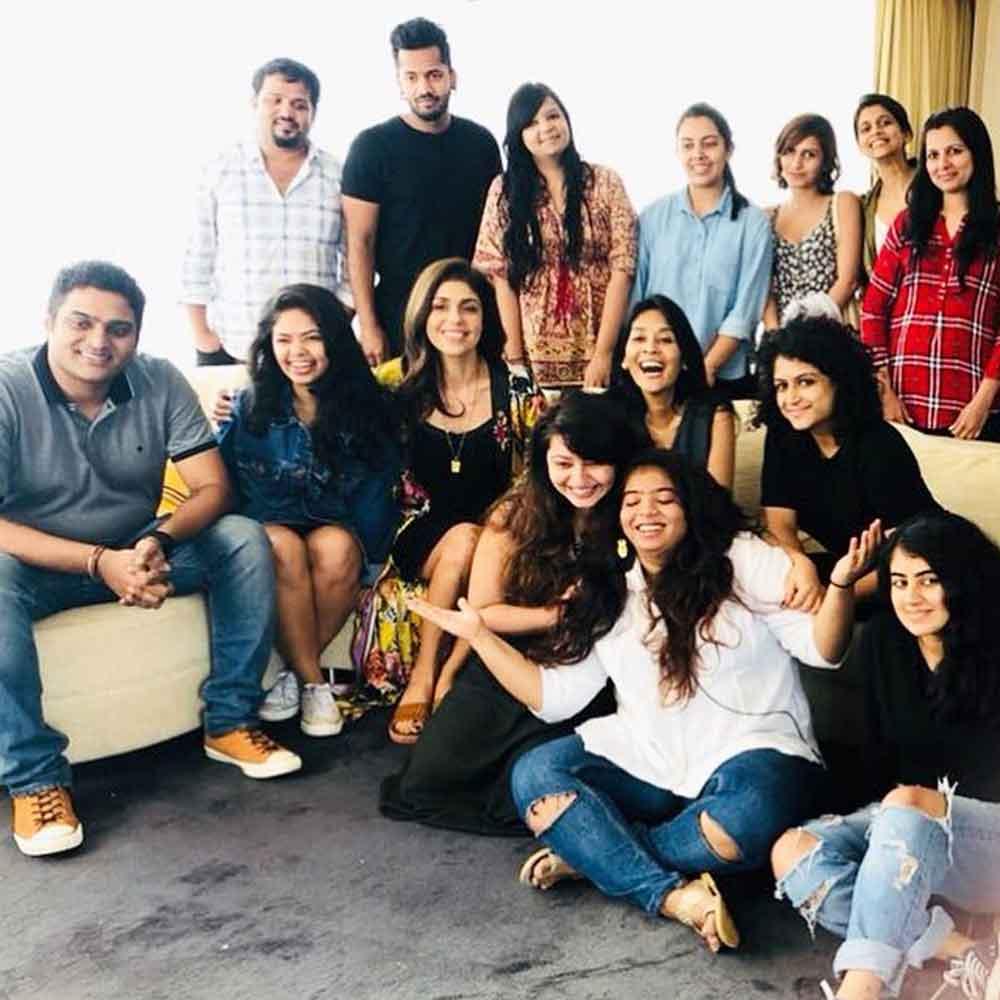
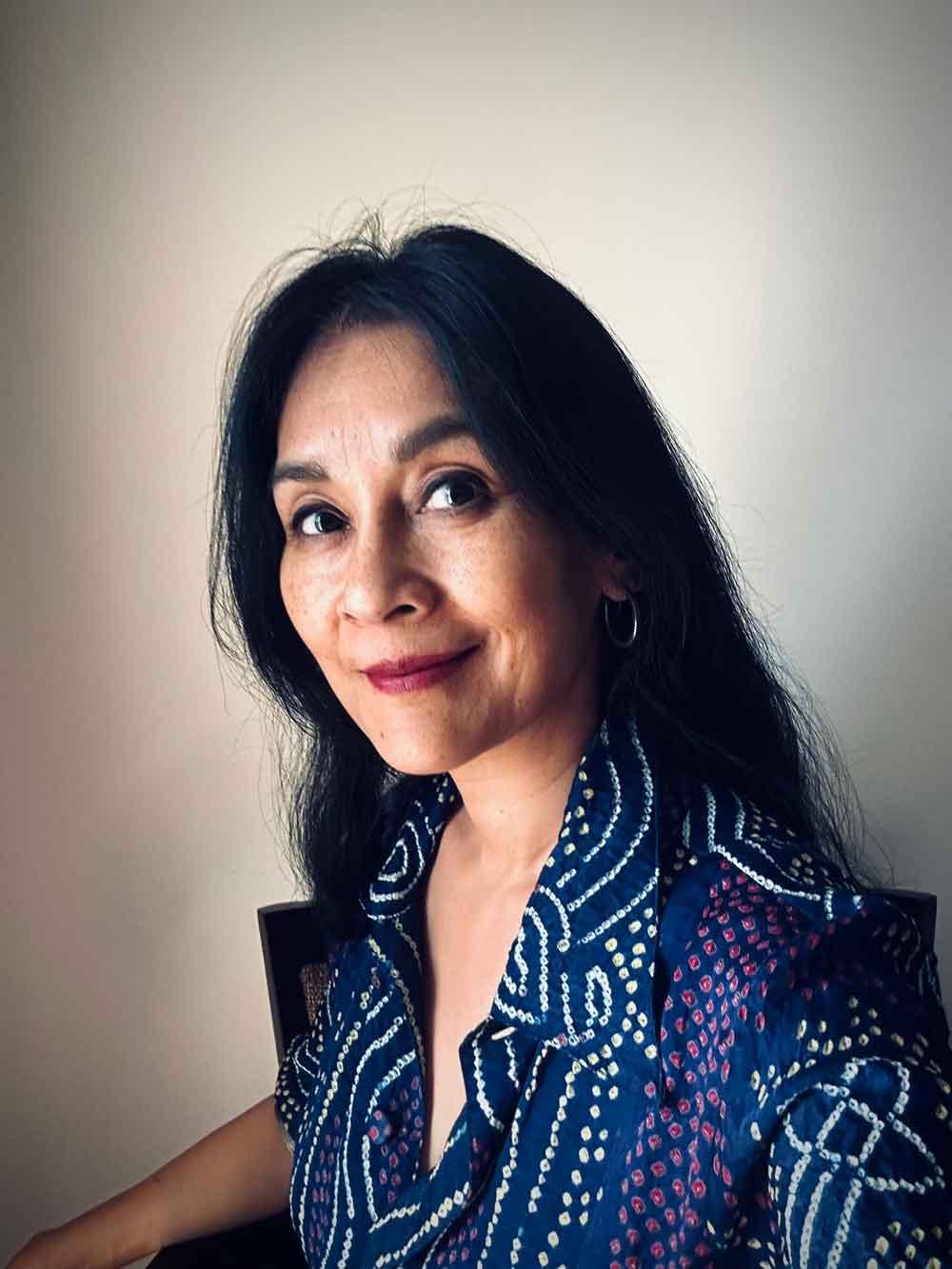
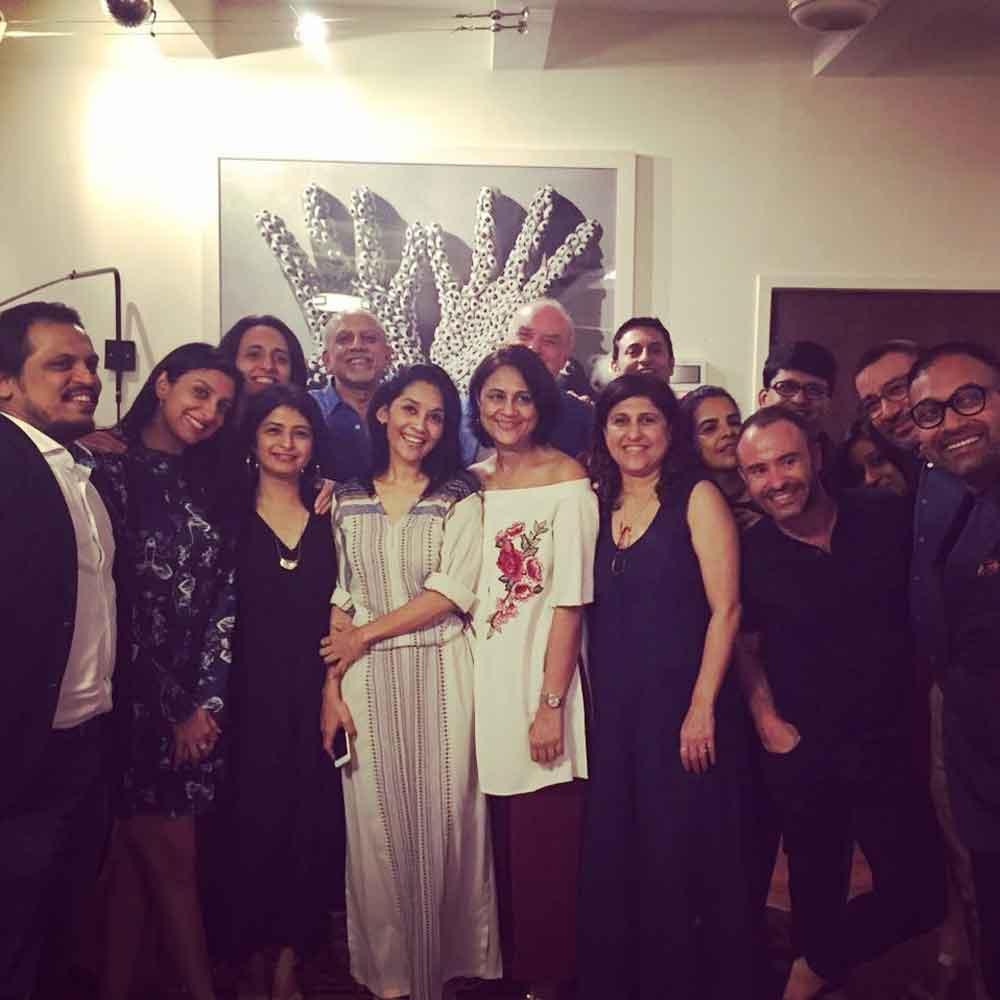
I first met Anita Horam through Nonita Kalra, the former Editor-in-Chief of Harper’s Bazaar India, during an intimate gathering at Nonita’s home in Belgravia over summer cocktails. As conversations drifted from fashion and publishing to film, entrepreneurship and the changing landscape of global storytelling, Anita’s breadth of experience quickly became apparent. Having built an extraordinary career spanning television, digital media, luxury publishing, streaming platforms and creative entrepreneurship, she possesses the rare ability to move effortlessly between commercial strategy and cultural storytelling. From pioneering video at Condé Nast India (Former Director - Video, Conde Nast India), to developing premium unscripted content for Netflix (Former Executive Producer, Netflix) and now championing independent creators through The Mighty Muse and Cinexus, her work has consistently focused on identifying stories with the potential to travel across borders. Keen to delve deeper into her journey, we arranged to meet again a few days later at Little House Mayfair, where over wine and fries, we spoke at length about the people, decisions and defining moments that have shaped more than two decades at the forefront of media. The conversation that follows offers a thoughtful insight into her approach to creativity, entrepreneurship and the future of global storytelling.
You began your career at major media institutions before becoming an entrepreneur. What first drew you to storytelling and media?
In hindsight, it’s tempting to make that decision sound like a beautifully crafted story in itself. But the truth is, like most of the best things in life, it was a series of happy accidents and small decisions that gradually led me there. That said, my love of books, music and all things aesthetic began at a very early age, so there was never much doubt that I’d end up in a creative field that allowed room for artistic expression.
Looking back, what were the most formative lessons from your early years at television networks like MTV, Channel V and UTV?
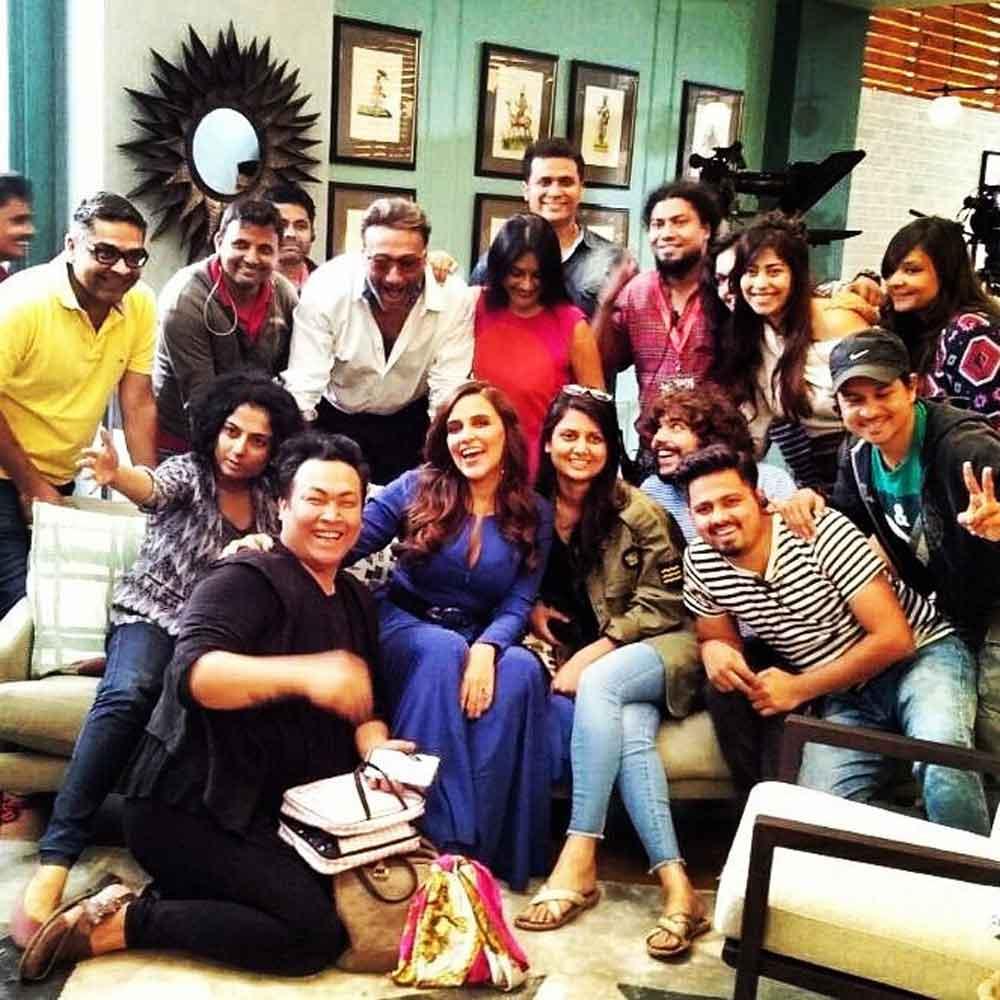
The single biggest thread connecting every stage of my career, from intern to entrepreneur, so to speak, has undoubtedly been the people. Every project is only as good as the team behind it and the chemistry they create together. When you get that combination right, the work is stronger, the journey becomes far more enjoyable, and perhaps most importantly, those colleagues often become lifelong peers and close friends.
Was there a particular moment when you realised you wanted to build businesses rather than simply work within them?
I’ve never been a great believer in structure or routine for its own sake. Even early in my career, I thrived in environments where I could think on my feet, solve problems, innovate and find creative solutions. Building a business is exactly that, controlled chaos where no two days are ever quite the same. So, rather than one defining moment, it felt like a very natural progression.
How did growing up and working in India during the rise of satellite television shape your perspective on media and culture?
It was an extraordinary time because there were very few rules and almost everything felt possible. You often jumped in first and figured things out along the way. For someone like me, who is naturally curious and enjoys experimenting, it was the perfect environment to learn the craft, explore its potential and ultimately find my own voice.
You have built companies across television, digital media, events and consulting. What connects all these ventures for you?
Working across so many formats has really been a reflection of an evolving media landscape that grew alongside me. Each new platform brought fresh opportunities to create for audiences in different ways, and I found that incredibly exciting. Today, as I build The Mighty Muse, I often say we’re focused on stories drawn from contemporary culture that inspire, entertain and amaze. In truth, though, that has always been the filter through which I’ve approached my work. Whether creating projects, building businesses or supporting other creatives, I’ve consistently been drawn to stories with the power to connect people and travel beyond their place of origin.
Entrepreneurship often involves reinvention. Which period of your career tested you the most?
For me, creative entrepreneurship is a continual process of adapting to changing technology, shifting tastes and evolving trends. There are always successes and setbacks along the way, but if I had to single out one defining challenge, it would be the digital content company I built around short-form video designed primarily for mobile consumption. Ironically, it was based on exactly the way people consume content today. The idea itself wasn’t the problem; it simply arrived a little too early.
What are some of the biggest mistakes you made early in business, and what did they teach you?
It really goes back to that venture. Timing is everything. Knowing when the market is ready is one of the hardest things to judge because it's rarely based on hard facts. More often than not, it comes from experience, instinct and developing a feel for where things are heading.
How do you balance creativity with commercial realities when building a company?
Neither can exist without the other, so striking that balance is probably the most important part of building any creative business. I think it's a mistake to romanticise the idea that creativity somehow exists independently of commercial discipline. Without sound financial decisions, rigorous planning and strong operational systems, even the most brilliant creative idea is unlikely to reach its full potential.
You’ve worked across London, Mumbai, and internationally. How different are the business cultures in each market?
In many ways, it’s the classic balance between heart and head. India remains a deeply relationship-driven market, where informal networks and an understanding of subtle cultural nuances can make all the difference when building partnerships or closing a deal. International markets, while varied in their own ways, generally tend to be more structured, process-driven and detail-oriented in how business is conducted.
What inspired you to create The Mighty Muse, and why do independent creators need support now more than ever?
Independent creators and small creative communities have always needed champions. Their journey is rarely an easy one. Throughout my own career, I've often worked in genres that were dismissed as being ‘too niche’ or valued more for prestige than commercial impact. What’s exciting today is that the world has finally become more receptive. Universal stories can now travel across an increasingly interconnected, borderless landscape. I’m betting on that shift, not simply to remain an admirer of the independent creative community, but to play an active role in helping more of their work find the audiences and support it deserves.
You speak about turning ‘hyper-local’ stories into global formats. What makes a local story resonate internationally?
For me, it’s less about the story itself and more about how it’s presented. Local narratives often feature unfamiliar characters, cultures, geographies and languages, all of which make them distinctive. But however authentic or compelling they may be, they won’t resonate with wider audiences without the right context, framing and packaging.
Are there particular creators, communities or stories from South Asia that you feel remain overlooked?
I believe every regional community and every authentic source of storytelling has value and deserves attention. Naturally, some parts of South Asia have attracted greater global interest than others, often through an exoticized lens. Yet beyond that, there is an almost limitless wealth of untold stories across the region that could become extraordinary creative projects in film, television and a wide range of multidisciplinary formats.
During your time building the video division at Condé Nast India, what was the biggest challenge in convincing traditional publishing brands to embrace video?
I was fortunate to step into the role at a time when Condé Nast was making a serious strategic shift towards becoming a multimedia business. In that sense, there was far more opportunity than challenge. In fact, India was one of the first international markets to fully embrace that vision, so it felt genuinely pioneering and entrepreneurial.
The biggest internal transition was helping established print teams understand that the grammar of digital media is entirely different, from the length and pace of the content to the speed of production and the immediate, yet highly influential, nature of its impact. As with any successful transformation, collaboration was key, and together we built something that contributed meaningfully to the wider growth story of the business in India.
Shows such as BFFs with Vogue and The Big Day became major successes. Did you know they would resonate as strongly as they did?
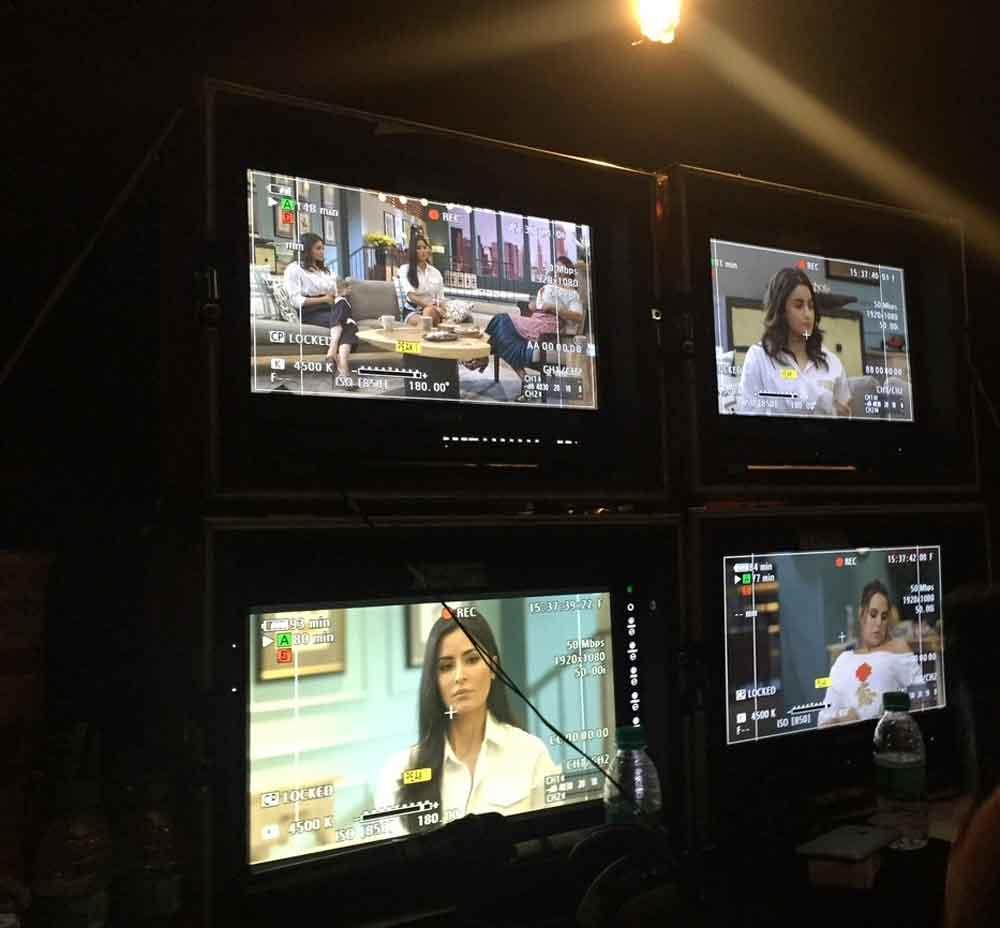
My original mandate was to build a video division producing editorial content for our own digital platforms. However, based on my previous experience and understanding of the market, I felt there was both a creative and commercial opportunity to think much bigger. With the support of the print teams, I focused on developing serialised, multi-season formats that drew on our brands’ unique positioning around fashion, celebrity and popular culture. The aim was to create programming that would engage audiences beyond print while generating meaningful revenue. Fortunately, the strategy paid off. During my tenure, we launched more than fourteen flagship titles across television and streaming platforms, alongside several hundred branded and editorial short-form videos every year.
What have streaming platforms changed about the way stories are developed and consumed?
Today’s audiences are spoilt for choice, and whether that’s a good or bad thing depends on your perspective. I choose to see it as a positive. Yes, there’s more competition and a constant battle for attention, but there are also far more opportunities to experiment and find fresh ways of telling stories. The rules are evolving every day, and we’re living through an extraordinary period of technological change. For a creator, that’s an incredibly exciting place to be.
Cinexus aims to bridge Britain and India through storytelling. Why is now the right moment for this kind of cross-border collaboration?
Cinexus was co-founded with entrepreneur and producer Sidharth Jain to meet a growing need within the global entertainment industry. As more international studios and producers look to collaborate with India, they need credible, transparent partners who understand both the creative and practical realities of the market. We help decode that landscape, provide trusted insight, support informed decision-making and bridge the gap between policy and production.
Sri Lanka sits at the crossroads of South Asia, the Middle East and Africa. Do you see an opportunity for Sri Lanka to become part of a broader creative and cultural corridor between the UK and the Indian subcontinent?
Absolutely. Sri Lanka’s unique history, rich cultural heritage and strategic geographical position give it enormous creative potential. It has all the ingredients to inspire compelling stories, transmedia projects and meaningful cross-border cultural partnerships. I’d be very interested in learning more from local creatives and organisations and exploring how that potential can be developed and positioned for an international audience.
With Cinexus focused on building bridges between Britain and India, could that model eventually expand to include Sri Lanka, and what opportunities do you see for collaboration in film, media, tourism and the creative industries between the UK and Sri Lanka?
The Mighty Muse has always taken a curatorial approach that embraces South Asia as a whole, so Sri Lanka is very much part of that vision. By extension, the same applies to Cinexus. We’re keen to work with as many countries across the region as possible, but meaningful collaboration depends on finding the right local partners. We’re actively looking to build those relationships and explore opportunities that can benefit both ventures.
Conversely, what do Indian creators need to understand about creating for global audiences?
Not every local story is destined to travel internationally, and even those that can may not succeed in the format originally imagined. Some ideas are better suited to film, while others may find a stronger audience through television, podcasts, publishing or other mixed-media formats. Part of our role is to help creators identify the most effective creative pathway for each project, ensuring every story has the best possible chance of finding its audience.
After more than 25 years in media and entrepreneurship, what would you tell your 25-year-old self starting out in the industry today?
The biggest piece of advice I’d give my younger self, and anyone starting out today, is to trust your instinct. Let it become your compass. No matter how important the person you’re meeting or how exciting the opportunity may seem, if something doesn’t feel quite right when you’re in that room, pay attention to that feeling. Trust your gut and act on it. Nine times out of ten, it will prove to have been the right decision.