Rukshan Perera: 70 Years, One Stage, Endless Music
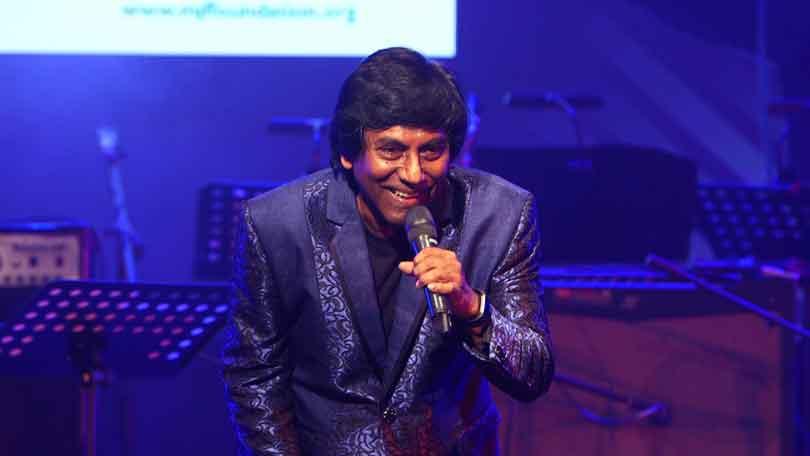
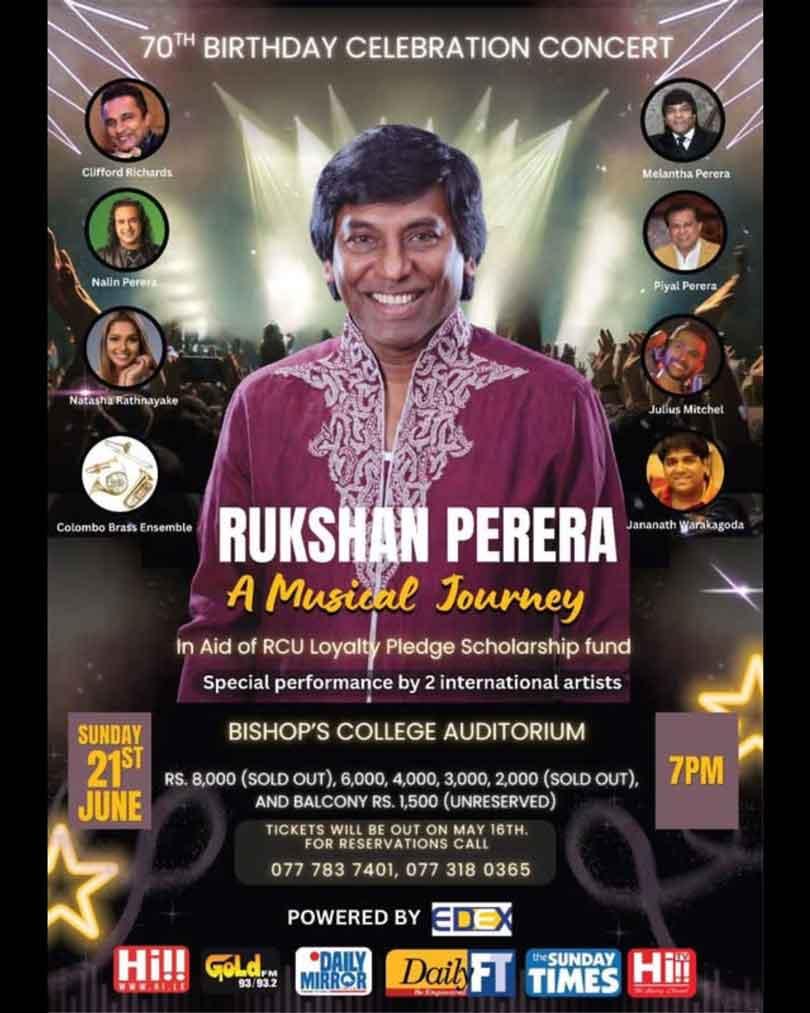
Rukshan Perera has shaped a musical legacy that continues to resonate with audiences across generations. As he celebrates his 70th birthday with ‘A Musical Journey’, we take a closer look at his journey in music from back then to now. ‘A Musical Journey’ is a concert that is more than just a performance, it is a reflection of decades of dedication, artistry, and passion for music. Carefully curated to bring together some of the most defining songs and moments from his career. This milestone event stands as both a celebration of where he began and a tribute to the enduring impact of his music today.
Your musical journey began in Moratuwa, what was that experience like?
Moratuwa was undoubtedly the musical capital of Sri Lanka during my childhood in the 1960s and 1970s. Music was an inseparable part of everyday life, surrounding me at home, school, church, and throughout the community. My mother, a classical pianist, taught music at Princess of Wales College and served as a church organist, ensuring that our home was always filled with music. Regular musical performances were a highlight of community life, and I was fortunate to attend many of them. Moratuwa was home to renowned musicians and bands, including La Bambas, Los Flamencos, M. S. Fernando, Paul Fernando, and Nihal Nelson, many of whom we knew personally. Music also ran deep in my family, with several relatives being composers and instrumentalists. Gatherings were rarely complete without singing, dancing, and live music. Even on ordinary days, the sounds of pianos, guitars, and rehearsing bands echoed through the streets, making Moratuwa a paradise for music lovers.
What impact did working with Clarence Wijewardena have on you?
Clarence was a musical genius who transformed Sinhala pop music and left behind a legacy that will endure for generations. He had an extraordinary ability to compose songs on almost any subject within minutes, combining simple yet heartfelt lyrics with memorable melodies. By the mid 1970s, he often wrote songs in the studio just before recording, and many became instant hits. Despite his immense talent, he remained humble and supportive. I joined Super Golden Chimes while still in school, and he affectionately called me “podda,” constantly encouraging musicians to give their best. Although audiences came mainly to hear Clarence and Annesley perform their popular Sinhala hits, Clarence loved introducing surprises, sometimes opening a concert with songs like “Bohemian Rhapsody.” He also valued Western music and encouraged experimentation. Through his example, I learned to trust my creativity, think beyond conventions, and explore diverse musical styles, lessons that have shaped my entire musical journey.
How did your international experiences shape your sound?
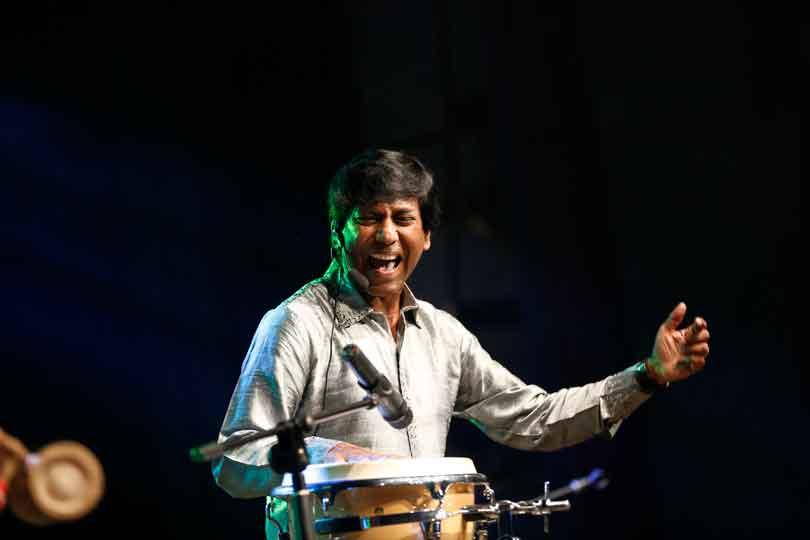
One question some fans still ask me is, “Why did you leave Super Golden Chimes to join Esquire Set?” It was not an easy decision, especially since Super Golden Chimes was at the height of its success at the time. But my main motivation was the opportunity to travel abroad and gain international musical experience. In 1977, I left Sri Lanka with Esquire Set, and we performed for international audiences at the InterContinental Hotel in Kabul.
That experience gave me the freedom to experiment with jazz improvisation together with Herschel Rodrigo and perform the latest pop songs requested by a diverse international audience. When I later performed in Europe, disco music was in its prime, but our repertoire also had to include a full range of ballroom dance styles - tango, cha-cha, fox trot, jive, and more, especially during the first set, when serious dancers took to the floor. This versatility challenged me and broadened my musical discipline, performing alongside Raj Seneviratne and Indra Raj. Every song I have performed, every instrument I have played, and every audience I have entertained have helped shape my musical journey and the sound I carry with me today.
What drew you towards jazz, and how did New York influence you?
After settling in the United States and continuing my higher education at the university in New York, I joined the university jazz band and studied under Milt Hinton, which allowed me to further refine my jazz improvisation. After graduating with “Summa Cum Laude”, I presented my own jazz concerts for five consecutive years at the Whitney Museum of American Art in New York. Later, I performed monthly at the Jazz Unlimited sessions in Los Angeles alongside some outstanding jazz musicians. I was also invited to perform with Harsha Makalanda at the Pune Jazz Festival, where I played for jazz enthusiasts from around the world. One day, while rehearsing for a jazz concert in the United States and scatting with my guitar, I discovered that I could naturally scat in harmony, a skill still to be heard among jazz musicians anywhere in the world. That moment revealed a unique dimension, scatting in harmony.
What inspired your shift towards socially conscious music and using music as a tool for social change, especially your participation in initiatives like “Little Minds Strong Values?”
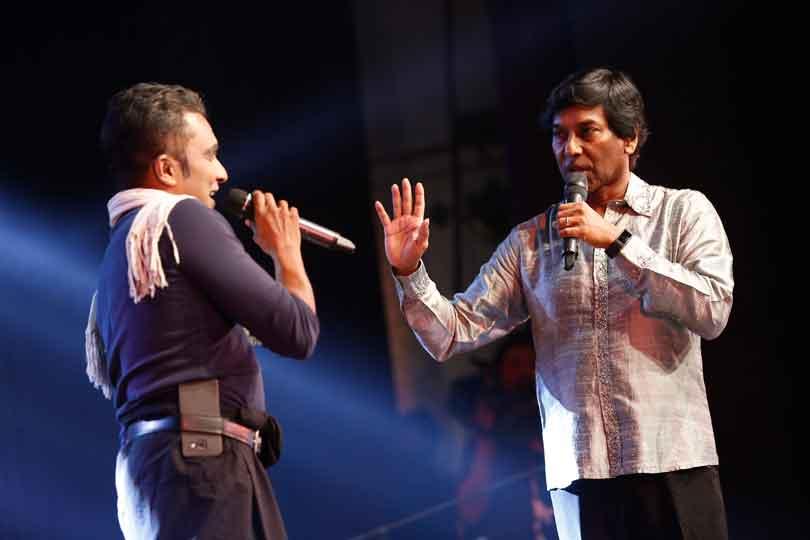
My first socially conscious composition was “One Land for All,” a peace song written after the end of the war in 2009. Living in Los Angeles at the time, I brought together Sri Lankan musicians from Sinhala, Tamil, Muslim, Burgher, and diverse religious communities to record it. That experience inspired a new direction in my work. Since then, I have composed around 30 songs addressing issues such as child protection, cancer, leprosy, COVID19, disability, poverty, environmental conservation, peace, justice, and children's health. After returning to Sri Lanka, I became concerned about the decline of moral and ethical values among young people. This led me to create Little Minds Strong Values, a national programme promoting values through the performing arts. With the support of the Rotary Club of Colombo Metropolitan and the Ministry of Education, the programme reached thousands of schools. Over four years, about a thousand schools participated, demonstrating how creativity and values can positively influence communities.
How do your unique musical abilities shape your identity as an artist?
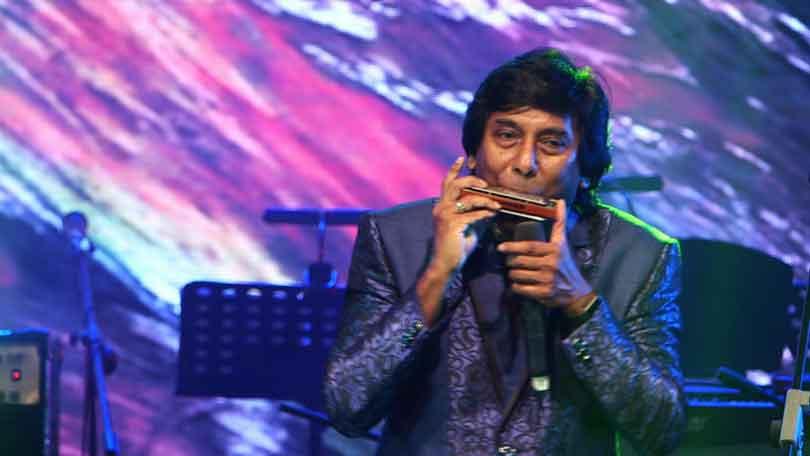
The two abilities that feel most distinctive to me are whistling in harmony and scatting in harmony. Among jazz enthusiasts in Sri Lanka, I am currently known as the “Scat Man.” A few jazz vocalists around the world can scat a jazz solo, and there are a few guitarists who scat while soloing on the guitar, much like George Benson.
However, I have yet to come across a guitarist who can scat in harmony, that is, instantly scatting the harmony note to the improvised guitar line as it is being played. This ability came to me naturally while I was scatting a solo for a jazz tune in the United States, and the US musicians seem to recognize its musical value. Whistling in harmony turns out to be rather unique. I have not seen anyone else demonstrate it, even on platforms like YouTube. That skill emerged naturally when I was about 13 or 14 years old, and I did not realize it was unusual until musicians and teachers in the United States began asking questions about it and analyzing the technique. I now feel that, if I am to shape a clear artistic identity around these abilities, I need to promote them more actively and allow audiences to understand the uniqueness.
Why was it important for you to return to Sri Lanka and continue your work here?
Although I could have continued my career in the United States as an IT manager, I felt a strong calling to return to Sri Lanka and use music to serve a greater purpose. My goal was to contribute to both the country and humanity through music. After returning, I joined Unity Mission Trust and conducted music programmes at Unity Camps that promoted peace among young people. Through Rotary, I became involved in educational and medical community projects, while also conducting music therapy sessions for children affected by the Easter attacks. Being in Sri Lanka enabled me to work directly with communities, organise annual charity concerts for ten worthy causes, write socially conscious songs, compose tributes to world leaders, and create the Little Minds Strong Values programme. Returning home also allowed us to care for my ailing father and my wife’s mother. While we miss our children, grandchildren, and the cultural life of the United States, we visit them each year and remain grateful for our decision to return.
Looking back, what has been the most defining moment in your journey?
It is difficult to identify one single defining moment in my musical journey, because several experiences have shaped who I am today. Being born into a musical family and growing up in Moratuwa gave me a natural foundation and a strong start in music. Working closely with Mr. Clarence Wijewardena opened my eyes to composition, creativity, and the art of entertaining audiences. Living abroad and performing for international audiences broadened my musical experience and took my journey to another level. Later, composing dozens of socially conscious songs on issues that matter to the world, and presenting ten years of “Rukshan Perera Live In Concert” with my originals for deserving charities, gave my music a renewed sense of purpose. Finally, conceptualizing “Little Minds Strong Values” (LMSV) allowed me to use music and the performing arts to promote moral and ethical values in children, with the hope of helping to build civic-minded, honest citizens and future leaders. My sincere hope is that the younger generation will continue to improve on LMSV and carry it forward for decades to come. Together, these experiences represent the defining moments of my musical journey.
As you celebrate your 70th birthday with a concert themed ‘A Musical Journey’, what kind of atmosphere can the audience expect?
Audiences can look forward to a vibrant and memorable evening of music, featuring much-loved songs by the Bee Gees, The Beatles, Michael Jackson, and Santana, alongside Sinhala classics, and my own creations of jazz, East-West collaboration, and a cappella performances.
With creative arrangements, lively moments, and something for every musical taste, the concert promises to be both entertaining and uplifting. Most importantly, the event will raise funds for the RCU Loyalty Pledge scholarships, helping deserving children pursue their education. It will be an evening of music, joy, and purpose, celebrating a remarkable journey while supporting a meaningful cause.
A limited number of tickets are still available. Get yours from Bishop’s College (11 239 1265) or the Royal College Skills Centre (077 318 0365). For more information, call 077 783 7401.