THE THINGS WOMEN DO TO FEEL SAFE IN PUBLIC

BY YASHMITHA SRITHERAN
A woman walking home alone rarely walks home just alone. She may have her keys between her fingers. Her phone might already be unlocked. She may be pretending to speak to someone on the phone, checking the reflection of a shop window behind her, or choosing the brighter, busier road even if it adds ten minutes to her journey. None of these actions necessarily mean she is afraid. They mean she is prepared.
For many women, safety in public spaces is not something they think about only when something goes wrong. It is a quiet calculation that can happen almost automatically: Who is behind me? Is this street busy enough? Should I get into this tuk-tuk? How late is too late? These habits are rarely taught formally. They are passed down through conversations with mothers, sisters, friends and colleagues, shaped by personal experiences and stories heard over the years. And sometimes, they become so normal that we hardly notice them.
The phone call that isn’t always a phone call
One of the oldest tricks is pretending to be on the phone. A woman might call a friend before leaving an event, keep the conversation going while walking to her vehicle, or simply say, “I’m almost home,” loudly enough for someone nearby to hear. Sometimes she genuinely is talking to someone. Other times, the call is less about conversation and more about creating a sense that somebody knows where she is. It is a small psychological shield: Someone is expecting me.
The keys come out before the door does
Keys are another familiar companion. They are taken out before reaching the car or front door, not because fumbling for them is particularly difficult, but because standing outside searching through a handbag is an unnecessary vulnerability. Many women have developed the habit of having everything ready before they reach their destination. The same goes for bags. Phones are held firmly. Wallets are kept somewhere secure. Headphones come off when walking alone. The objective is simple: stay aware without looking like you are constantly looking over your shoulder.

Choosing the longer way home
Google Maps might say one route is faster. Experience might say otherwise. A woman may choose the road with more lights, more shops, security guards or people, even if it takes longer. She may avoid an empty shortcut she would happily take during the day. It is one of the more invisible calculations women make: convenience versus comfort.
The shortest route isn’t always the route that feels safest.
“Text me when you get home.” It sounds ordinary. Friends say it after dinner. Parents say it after parties. Colleagues say it when someone is leaving late. But that little message carries more weight than it appears to. The person waiting for the “home” text is not necessarily expecting bad news. They simply want confirmation that the journey ended safely. Sometimes the message is sent before the woman even gets through the front door.
Home. One word. Conversation over. The location gets shared Live location has become another layer of reassurance. A woman travelling alone might share her location with a parent, sibling, partner or close friend. It is especially common when taking a ride with someone she doesn’t know well or travelling late at night. It isn’t necessarily about distrusting every stranger. It is about having someone who can check in if something feels wrong.
Technology has turned an old habit, “Tell me where you are going,” into something that can happen in real time.
The vehicle check
Getting into a car or tuk-tuk can come with its own routine. Some women check the vehicle details before getting in. Others share the ride information with someone they trust. Some sit in a particular position or keep their phone within easy reach. Again, these actions can look insignificant from the outside. But safety often exists in these small details. The “I have someone waiting for me” line There is another familiar strategy: mentioning someone who may not even be there. “I’ll meet my brother outside.” “My friend is waiting.” “My husband is calling.”
It is not always necessary to explain why a woman is travelling alone, yet many have learned that appearing connected to someone can sometimes make an uncomfortable situation feel easier to navigate. It is less about creating fear and more about creating distance.
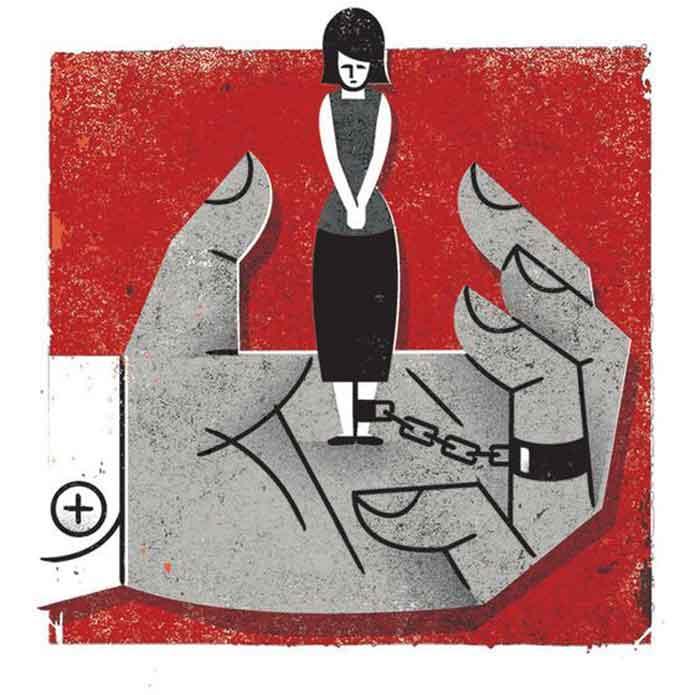
And then there is the instinct.
Perhaps the most complicated part is the feeling women are often told to trust: something doesn’t feel right. It could be a person walking too closely behind them. Someone repeatedly appearing wherever they turn. A driver behaving strangely. A situation that simply feels uncomfortable without an obvious explanation. Women are often encouraged to listen to that instinct. Leave the place. Cross the road. Call someone. Go into a shop. Ask for help. There is no prize for staying polite when you feel unsafe. But safety should not become a woman’s second job There is something important in recognising these habits without romanticising them. Women should not have to spend their evenings calculating escape routes, carrying keys like defensive tools, pretending to be on calls or constantly updating someone about their whereabouts.
Being careful can be empowering. Having options can be reassuring. But responsibility for public safety cannot rest entirely on the person trying to stay safe.
- A well-lit street helps.
- Reliable public transport helps.
- Responsible drivers help.
- Bystanders who intervene appropriately help.
- Businesses that take complaints seriously help.
- Friends who believe someone when they say they felt uncomfortable help.
And men who understand that another person’s boundaries are not an insult help too. The goal isn’t to make women fearless. Fearlessness is not the definition of safety. The real goal is a world where a woman can walk home without having to perform a dozen quiet calculations first. Until then, women will continue doing what they have always done: adapting, planning, watching, sharing their locations, holding their keys, choosing the brighter road and texting “I’m home”.
Not because they want to live in fear. Because they want to get home safely.