Festivals of SAARC: Eight Nations, One Stage, One Shared Purpose
By Thasmina Sookoor
Eight nations. Eight distinct cultural identities. One stage. Festivals of SAARC is set to bring the vibrant traditions, festivals, music and dance of South Asia together in a spectacular celebration of the region’s shared heritage and diversity. Organized by the SAARC Women’s Association - Sri Lanka Chapter, the production goes beyond cultural entertainment, carrying forward the Association’s longstanding commitment to friendship, regional understanding and humanitarian service. This year, the celebration takes on an especially meaningful purpose, with proceeds dedicated to providing essential school supplies to children in underprivileged schools across Sri Lanka. In bringing together the artistic spirit of Afghanistan, Bangladesh, Bhutan, India, Maldives, Nepal, Pakistan and Sri Lanka, the event offers audiences an opportunity not only to experience the richness of South Asian culture, but also to contribute to a cause aimed at giving children greater dignity, confidence and opportunity in education.
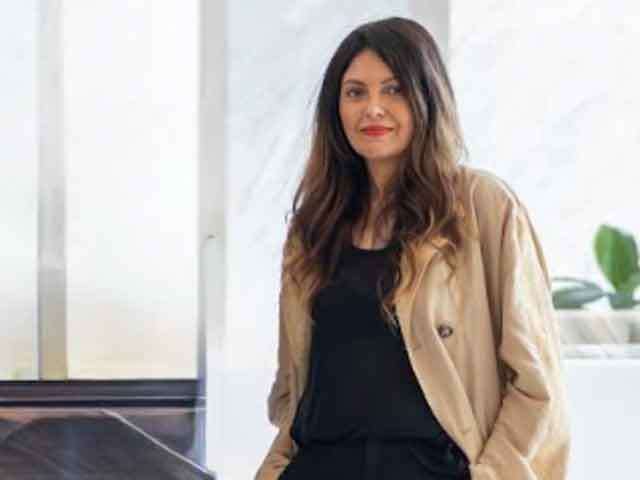
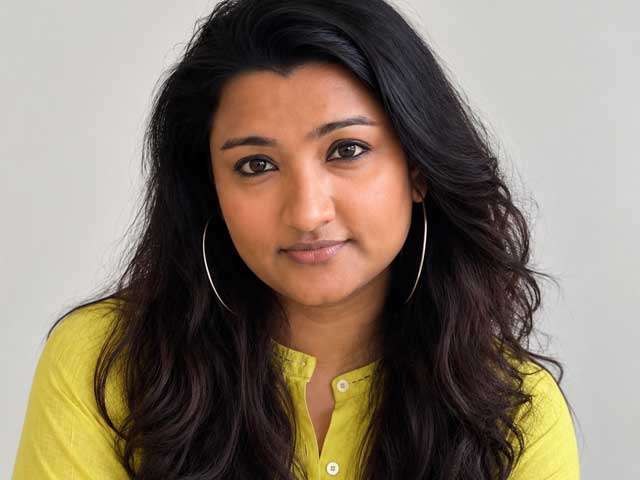
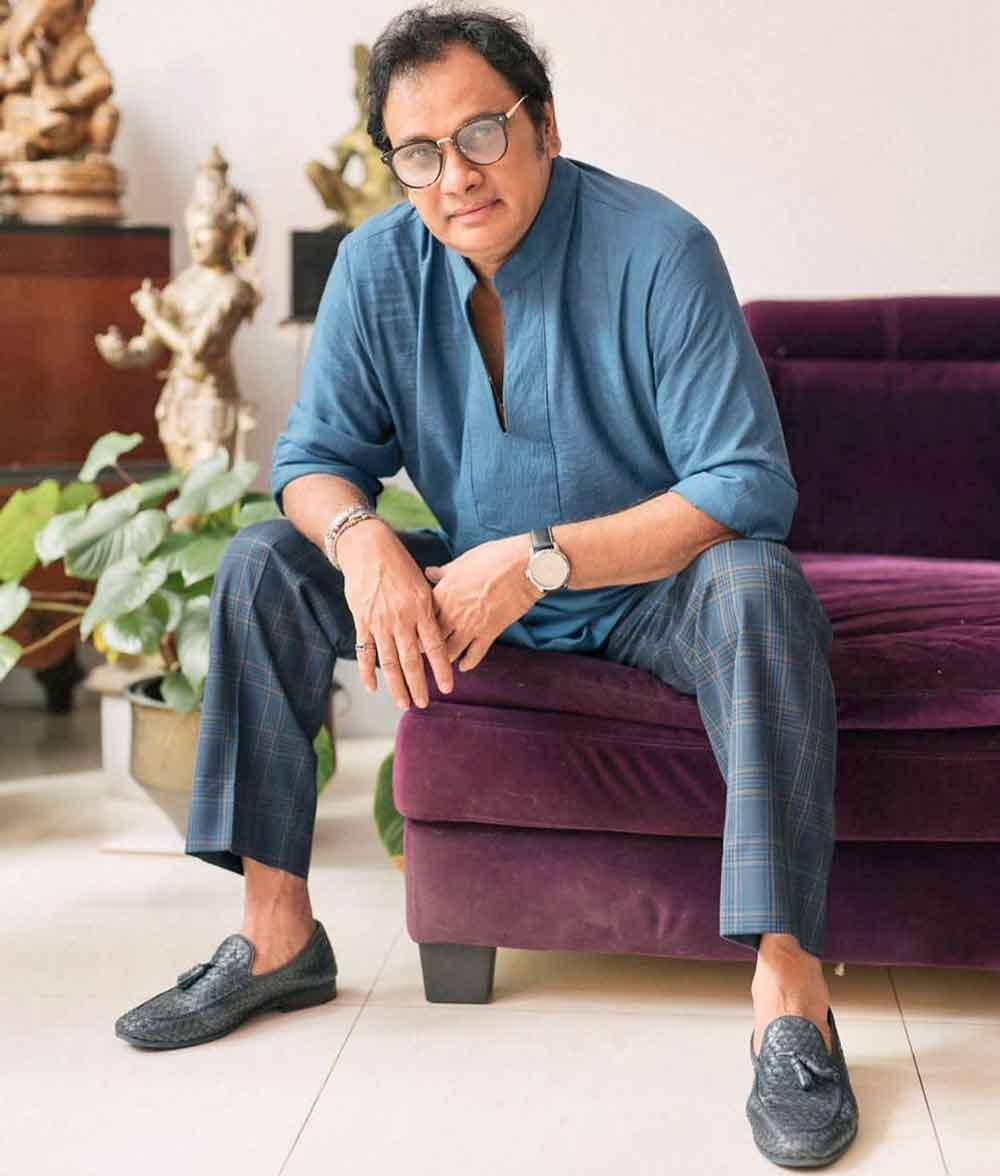
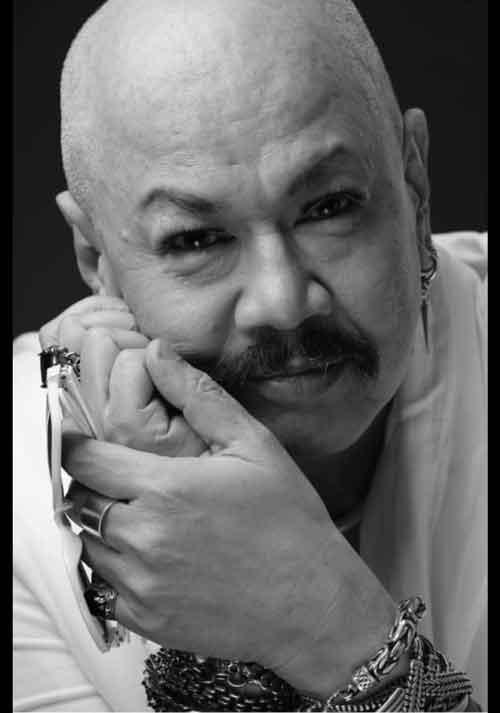
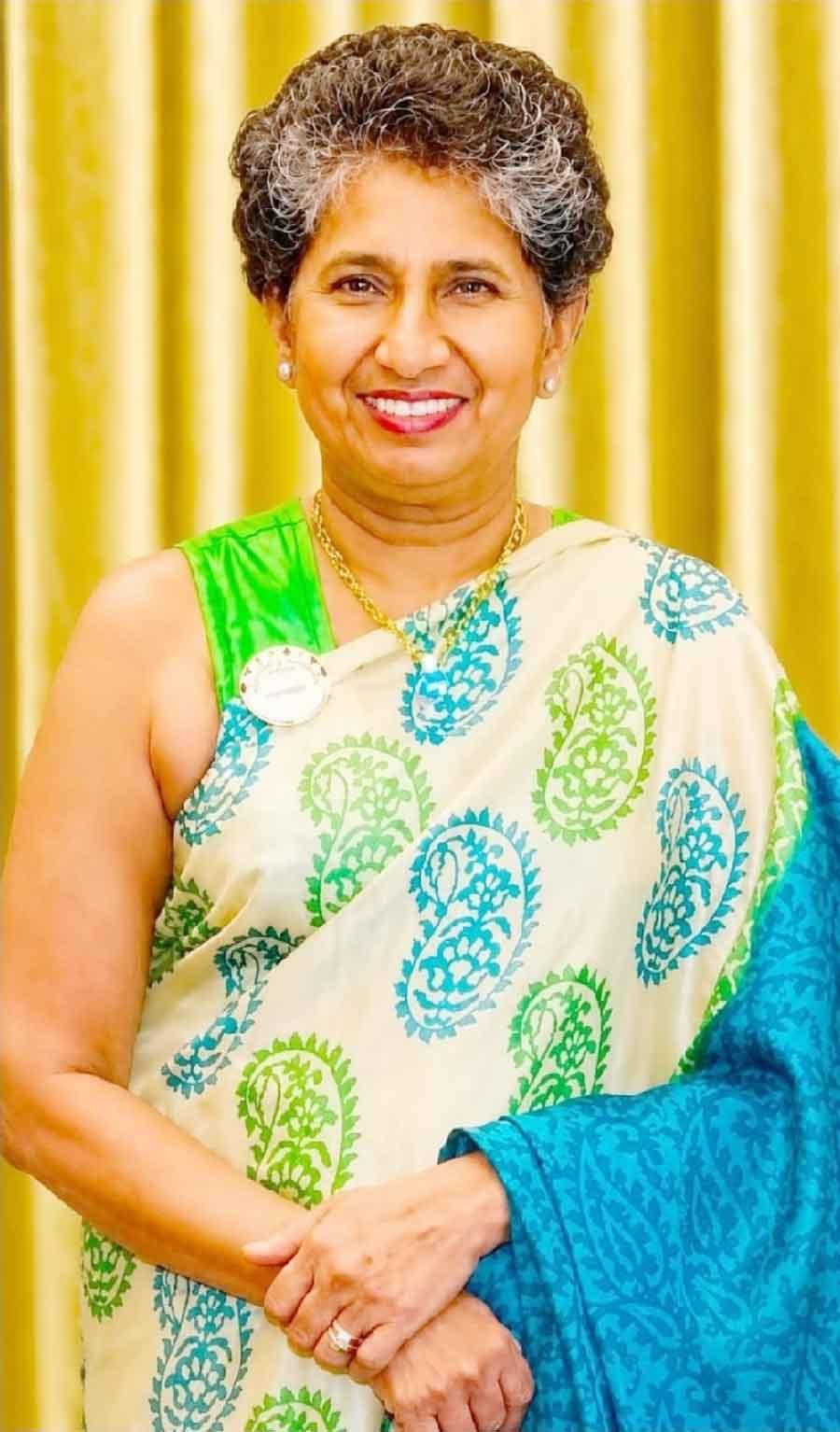
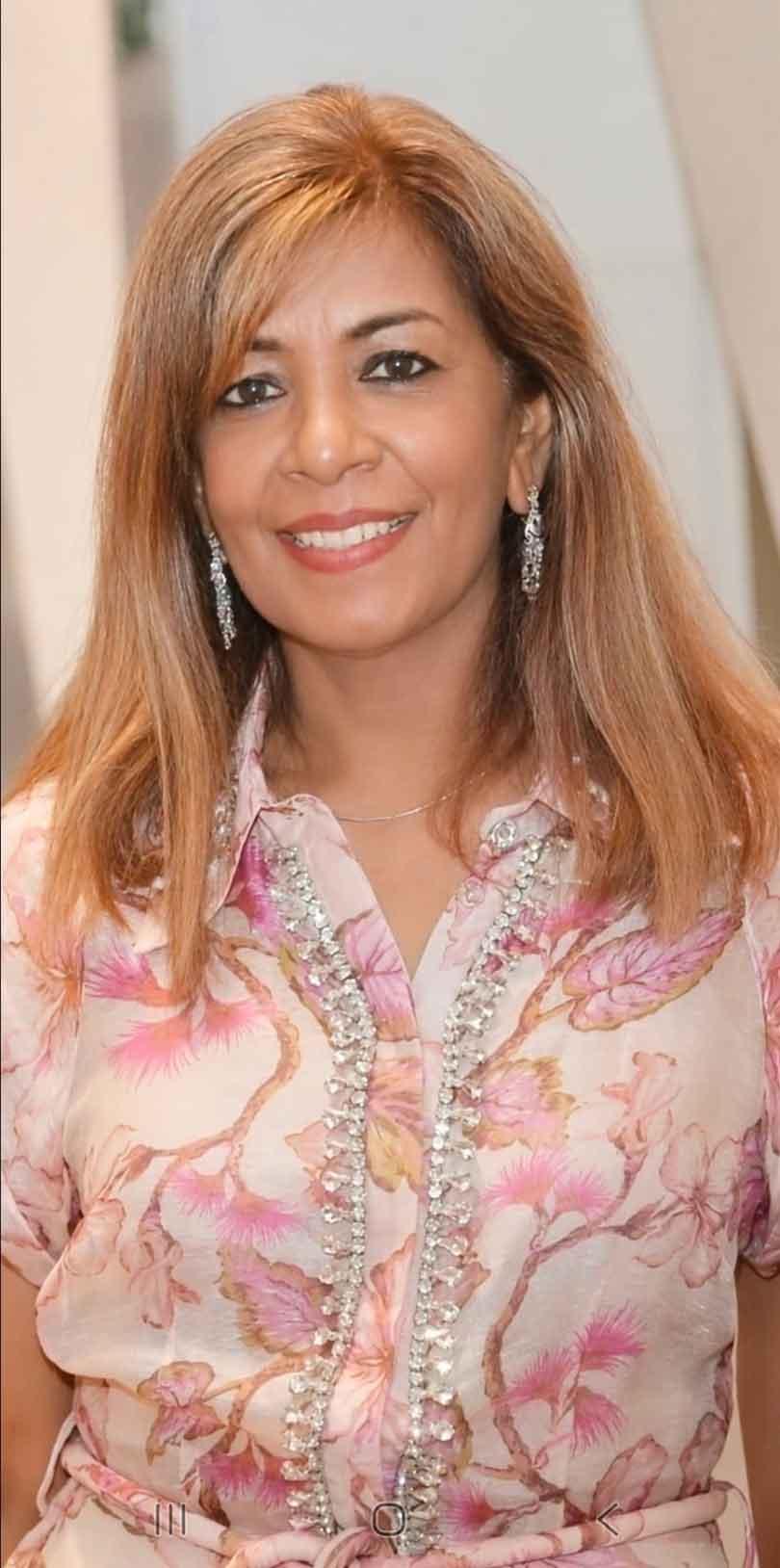
As anticipation builds for this unique cultural production, The SUN spoke to SAARC Women’s Association Sri Lanka Chapter President Eesha Speldewinde, Project Coordinator Mala Kumar, Choreographer Lou Ching Wong, and Channa Wijewardena of the Channa Upuli Performing Arts Foundation, who is choreographing the dance performances representing the eight SAARC nations and will also take part in the event, about the vision behind the production, the humanitarian initiative it supports, and the creative journey of bringing eight distinct cultures together on one stage.
Eesha Speldewinde
President: SAARC Women's Association Sri Lanka Chapter
Q. The SAARC Women's Association Sri Lanka Chapter has been fostering regional friendship, cultural understanding and humanitarian service since 1996. As its current President, how do you see Festivals of SAARC reflecting the Association's vision while carrying forward its legacy?
The SAARC Women's Association is unique because it brings together women from all eight South Asian nations. While we celebrate our diverse cultures and build lasting friendships, we are united by a shared commitment to humanitarian service. Festivals of SAARC reflect that vision by showcasing the traditions, festivals and customs of our region while raising funds for a meaningful cause. It carries forward our legacy of promoting regional understanding, friendship and compassion through culture.
Q. This year's programme aims to raise funds to provide essential school supplies for underprivileged children across Sri Lanka. As an educationist yourself, why do you believe investing in a child's education is one of the most meaningful ways to create lasting social change?
Having devoted my entire adult professional life to education, and having led an institution of learning, this project is especially close to my heart. We are fortunate that our country provides us with free education. However, during visits to remote schools, we witnessed children in challenging conditions. Their needs were diverse and not all related to academia but included needs for clothing, footwear, proper infrastructure, sanitation and clean drinking water. Despite these limited resources, their enthusiasm to learn was truly inspiring. Every child deserves the opportunity to reach their full potential. By investing in their education today, we are giving them hope, confidence and the opportunity to transform not only their own lives but also the future of their communities.
Q. In a world where differences often receive more attention than shared values, how important are cultural initiatives such as Festivals of SAARC in fostering regional understanding and strengthening friendships among the people of South Asia?
South Asia is wonderfully diverse, yet our people share values of family, hospitality, respect and community. Cultural initiatives such as Festivals of SAARC remind us that these shared values are stronger than our differences. Through music, dance and festivals, we celebrate one another's heritage, build friendships across borders and foster mutual understanding. When culture is combined with compassion, it becomes a powerful force for unity and positive change.
Mala Kumar
Project Coordinator: SAARC Women’s Association
Q. Bringing together the festivals, traditions and artistic expressions of all eight SAARC nations on one stage is an ambitious undertaking. How did the concept for Festivals of SAARC evolve, and what inspired the decision to create this unique production?
Over the years, the Saarc Women's Association has celebrated our region through productions such as Weddings of SAARC, Streets of SAARC, Weaves of SAARC, Spices of SAARC, Jewels of SAARC and Cinematic SAARC. As we planned our next event, we initially considered showcasing the dances of the SAARC nations. During our discussions, our choreographer, Lou Ching Wong, suggested bringing the festivals of all eight countries to life on one stage. It was the perfect concept because festivals beautifully reflect a nation's traditions, music, dance, costumes, customs and community spirit while celebrating our shared heritage.
Q. Coordinating artists and cultural elements representing eight different countries is no small undertaking. What were some of the biggest challenges in ensuring that each nation's traditions were presented authentically and respectfully?
Authenticity was our greatest priority. Lou Ching Wong and I spent months researching traditional costumes, textiles, music, colours and festival customs while working closely with several SAARC High Commissions and members to ensure every country was represented with accuracy and respect. Nepal, for example, was guided by our Nepali member, Neha Sangat, who helped source authentic traditional clothing, jewellery and cultural accessories directly from Nepal. Bhutan presented our greatest challenge because its traditions are deeply rooted in Buddhism. We recreated traditional costumes using handwoven textiles found in Sri Lanka, handcrafted the Brokpa tribe's bamboo bows and arrows, and searched tirelessly for Bhutan's sacred festival masks. When they proved impossible to find, our Past President, Nimmi Thambiayah, went to extraordinary lengths to source authentic masks directly from Bhutan, enabling us to present the segment with the dignity and authenticity it deserved. Throughout the journey, President Eesha Speldewinde's encouragement and unwavering belief in the project inspired us to strive for excellence despite every challenge.
Q. While Festivals of SAARC celebrates the rich cultural heritage of the region, it also supports an important humanitarian initiative. What do you hope audiences will take away from the evening?
We hope our audience leaves with a deeper appreciation of the remarkable diversity of the SAARC nations and the values that unite us, including family, compassion and community. More importantly, every ticket purchased helps provide essential school supplies to underprivileged schoolchildren across Sri Lanka. By celebrating culture, our audience is also investing in a child's education and future. If people leave inspired by both the beauty of South Asia and the joy of giving, then Festivals of SAARC will have achieved its purpose.
Lou Ching Wong
Choreographer: Festivals of SAARC
Q. South Asia is home to an extraordinary diversity of dance traditions, each with its own history, symbolism and movement vocabulary. How did you approach choreographing a production that honours these unique identities while creating a seamless theatrical experience?
South Asia has so many beautiful dance forms. My approach was to research each tradition first, understand its story, music, and meaning. Then I chose key movements from each culture but connected them with common themes like unity, celebration, and rhythm. Costumes, lighting, and music helped blend everything so it feels like one show, while still letting each tradition shine.
Q. When audiences watch Festivals of SAARC, what emotions or messages do you hope the choreography will communicate beyond the visual beauty of the performances?
Beyond the beauty, I want the audience to feel pride, connection, and hope. I hope they see how different we are, but also how much we share. The choreography should communicate respect for heritage, joy in diversity, and a message that together we are stronger.
Q. Many productions focus solely on entertainment, but this performance also celebrates cultural heritage and supports a charitable cause. How has knowing that the event contributes to improving children's education influenced your creative approach to the production?
Knowing this event supports children’s education gave the work more purpose. It reminded me that this isn’t just a performance - it’s a message. So I focused on creating something uplifting and inspiring. I wanted the dances to reflect hope for the next generation, and to show that our culture and traditions can help build a better future for children.
Ultimately, Festivals of SAARC seeks to remind audiences that culture is not merely something to be preserved and celebrated, but a powerful way of bringing people together and inspiring meaningful change. Bringing the living traditions of Afghanistan, Bangladesh, Bhutan, India, Maldives, Nepal, Pakistan and Sri Lanka to one stage, the event promises an evening of dance and artistic expression while supporting a cause that reaches beyond the celebration itself, providing essential school supplies to underprivileged schools across Sri Lanka. Festivals of SAARC will be held on Tuesday, September 1st, 2026, from 7.00 p.m. to 10.00 p.m. at the Grand Ballroom, Hilton Colombo. Guests are invited to embrace the spirit of South Asia through regional ethnic wear or formal attire. As the music, movement and traditions of the region come together, the hope is that the celebration will leave audiences with not only an appreciation of South Asia’s rich cultural heritage, but also a sense of the difference that collective generosity can make in the lives of children.