Sri Lanka Doesn’t Need Another Craft Revival. It Needs a Creative Economy.
By: Thasmina Sookoor
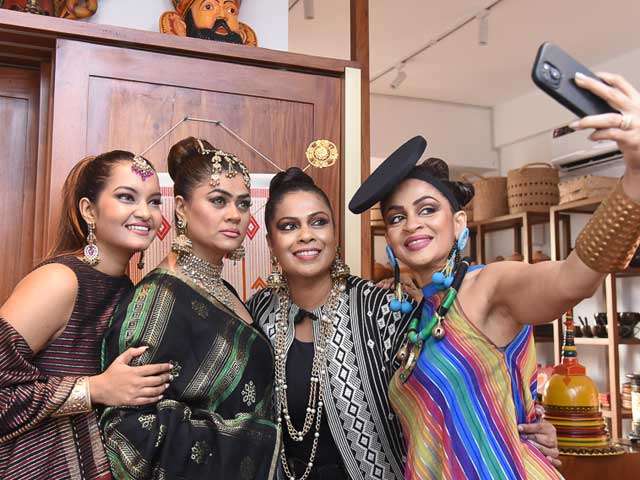
Sri Lanka's most effective craft campaign of the year may well have been the one that never appeared at a trade fair, an export pavilion or a government-sponsored exhibition. Miss World Sri Lanka Prathibha Liyanarachchi, a technical designer and graduate of the University of Moratuwa, has brought a distinctly Sri Lankan visual language to an international platform. Her profile offers a compelling example of how cultural heritage can be interpreted for contemporary audiences, without losing its identity. It also raises a bigger question: what could Sri Lanka's next generation of creative talent achieve if the country invested in the opportunities, partnerships and industries needed to support them?
The question is particularly relevant as Sri Lanka looks again at the economic future of its traditional craft sectors. At The Art of Weaving, the Minister of Industry and Entrepreneurship Development described handloom as an "industry of the future", called for diversification beyond the saree and outlined an export ambition of US$100 million or more. It is an encouraging ambition. But after decades of programmes focused largely on preservation, training and production, the challenge is no longer simply how to keep traditional crafts alive. It is how to make them commercially relevant, internationally competitive and economically rewarding for the people who produce them.
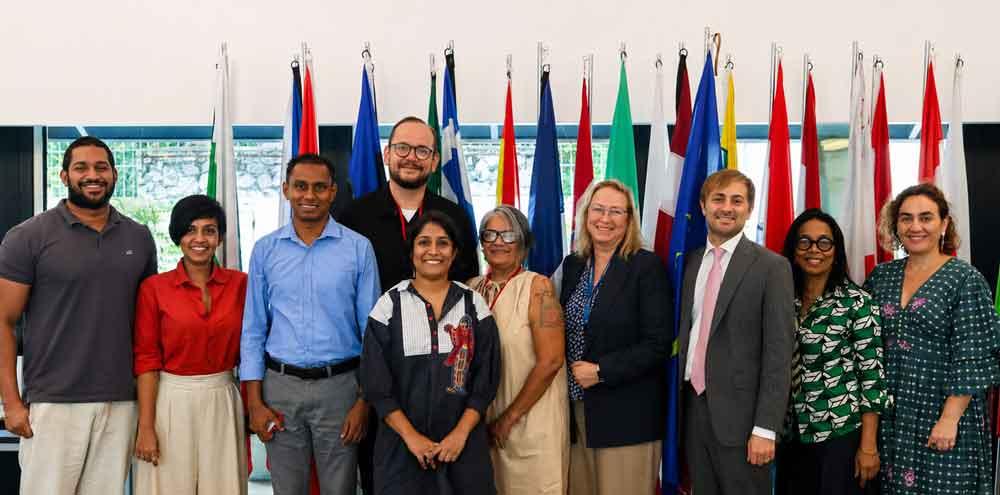
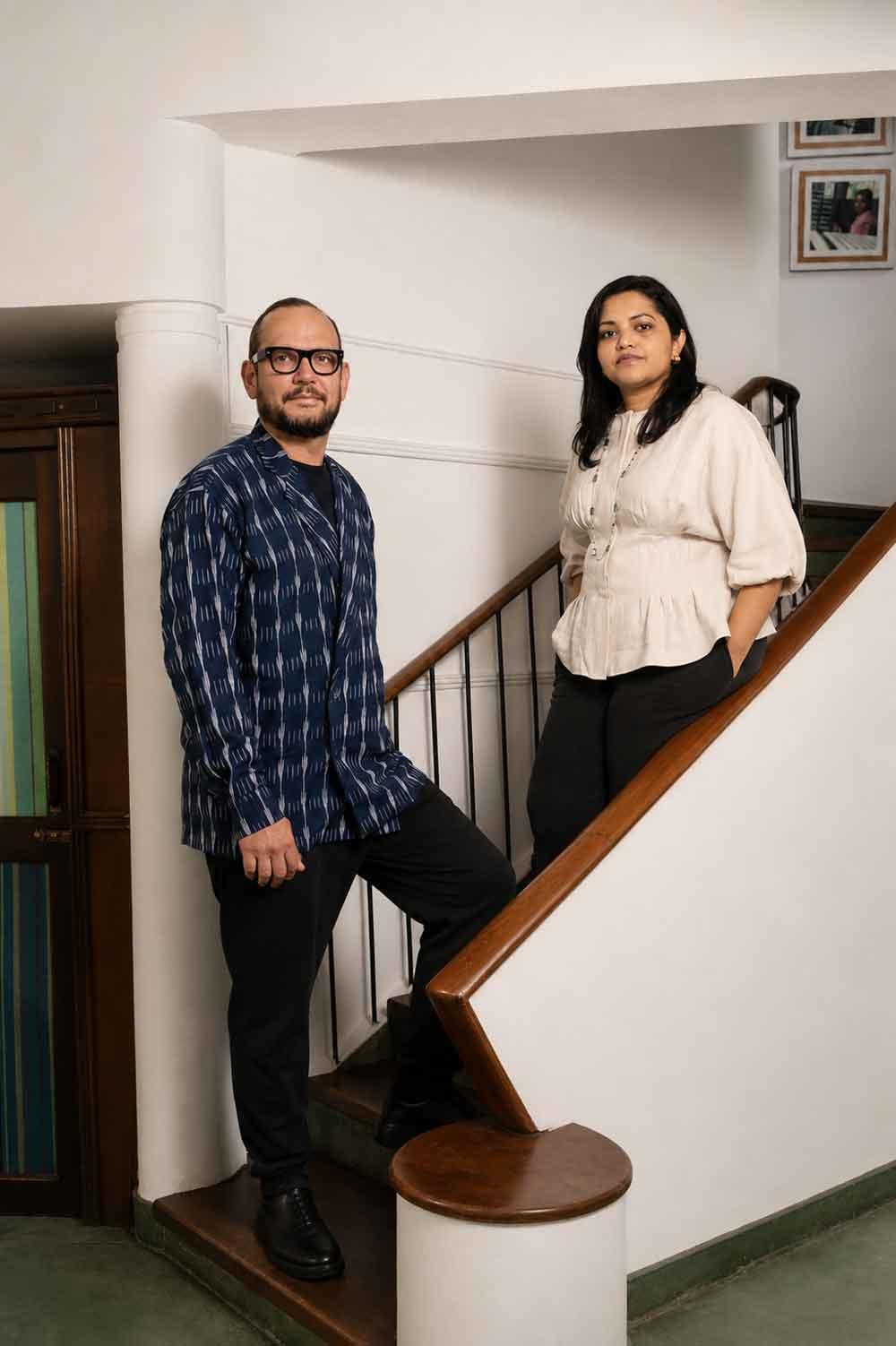
For Selyna Peiris and Robert Meeder, co-founders of The Institute for Future Creations, the answer lies in building a creative economy rather than continuing to treat craft as a sector in perpetual need of revival. Five years after Sri Lanka helped sponsor the United Nations resolution on the creative economy for sustainable development, the country's economic potential in this field remains largely undefined. "Craft gives us something very concrete to build an economy around," says Peiris. "We have makers, materials, knowledge and businesses already in place producing. The opportunity is to stop viewing them as just the recipients of conservation programmes and to start to see them as part of a contemporary productive economy."
FROM PRESERVATION TO PRODUCTION
Sri Lanka already possesses a remarkable range of capabilities across handloom, batik, jewellery, ceramics, wood, fibre and other material-based industries. These are not simply cultural assets. They represent potential sources of employment, innovation, intellectual property and export revenue. Yet the conventional approach to developing these sectors has often focused on increasing production capacity, improving individual skills or promoting heritage products. While these interventions have their place, they do not necessarily create sustainable businesses or access to higher-value markets. "The answer isn't necessarily more handloom stations or more looms," says Meeder. "It's about linking the capabilities we already have to markets and partners who are willing to pay a better price for a better product." That distinction is fundamental. Increasing output without increasing value risks trapping producers in a cycle of low margins, rising costs and dependence on external support.
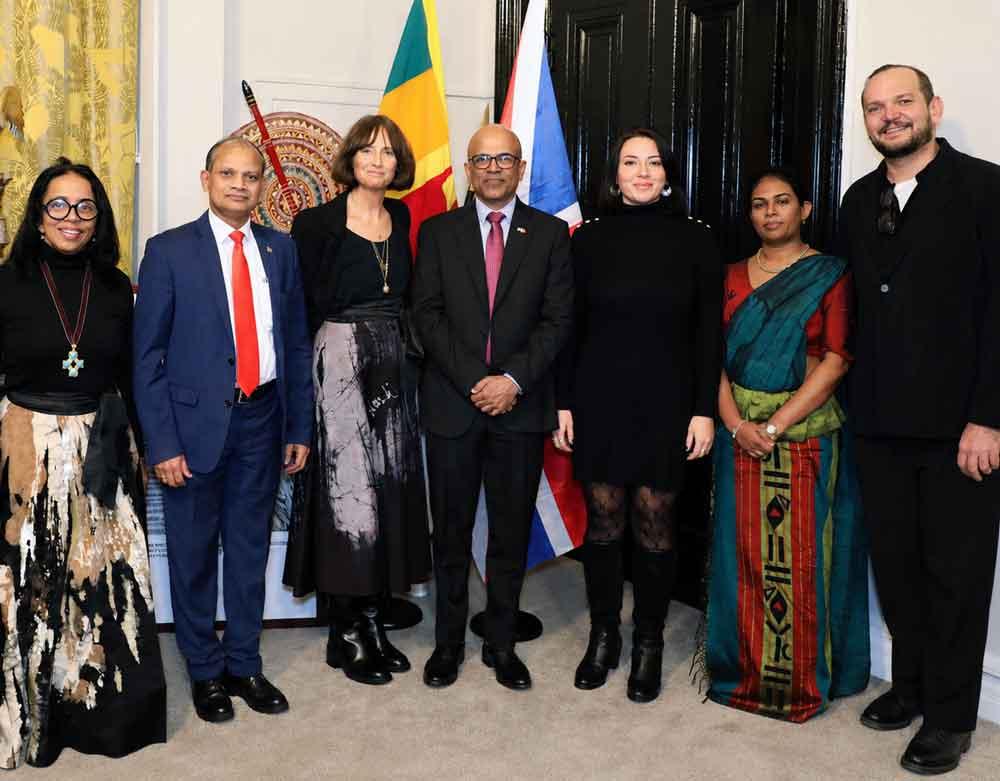
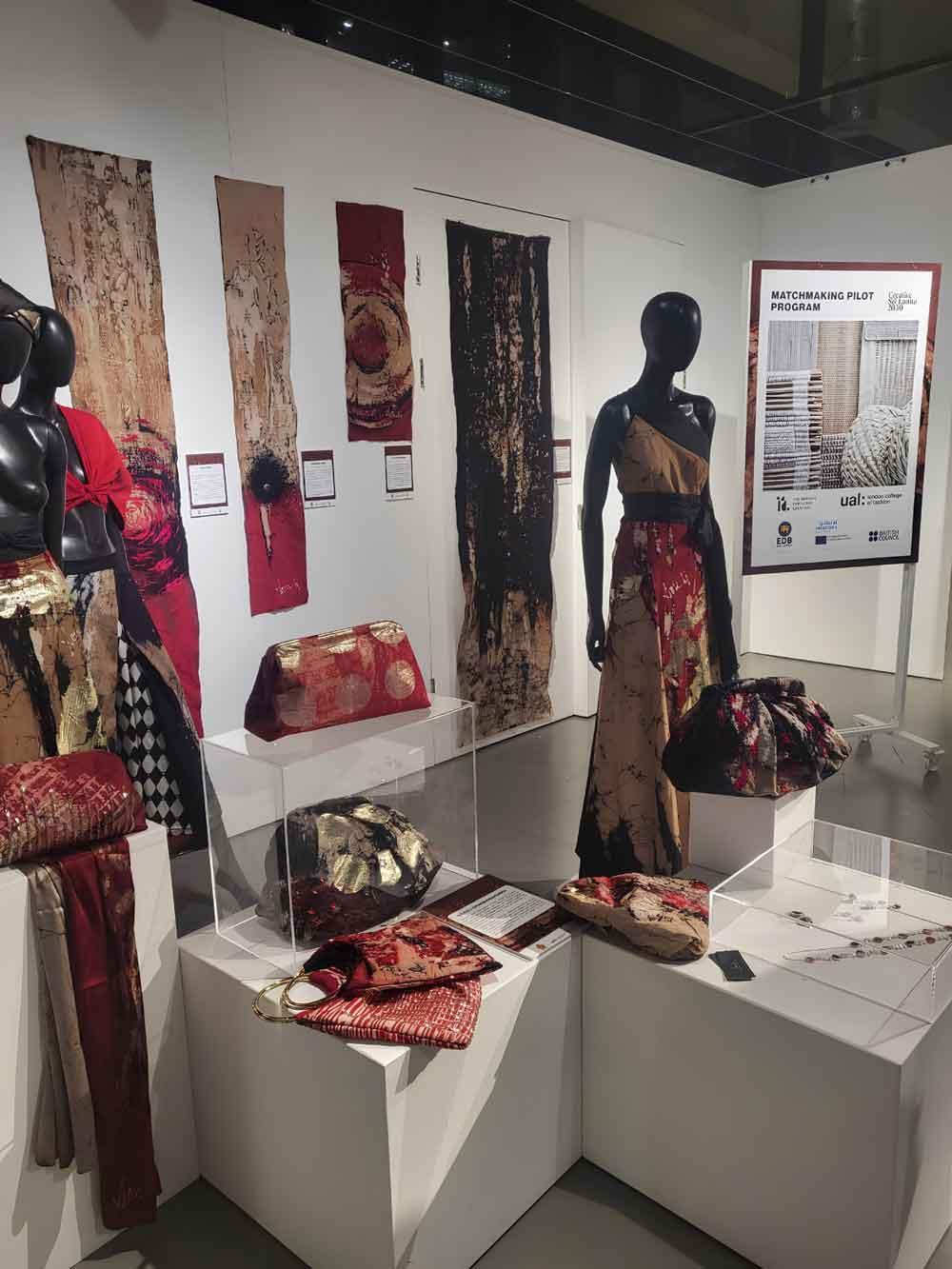
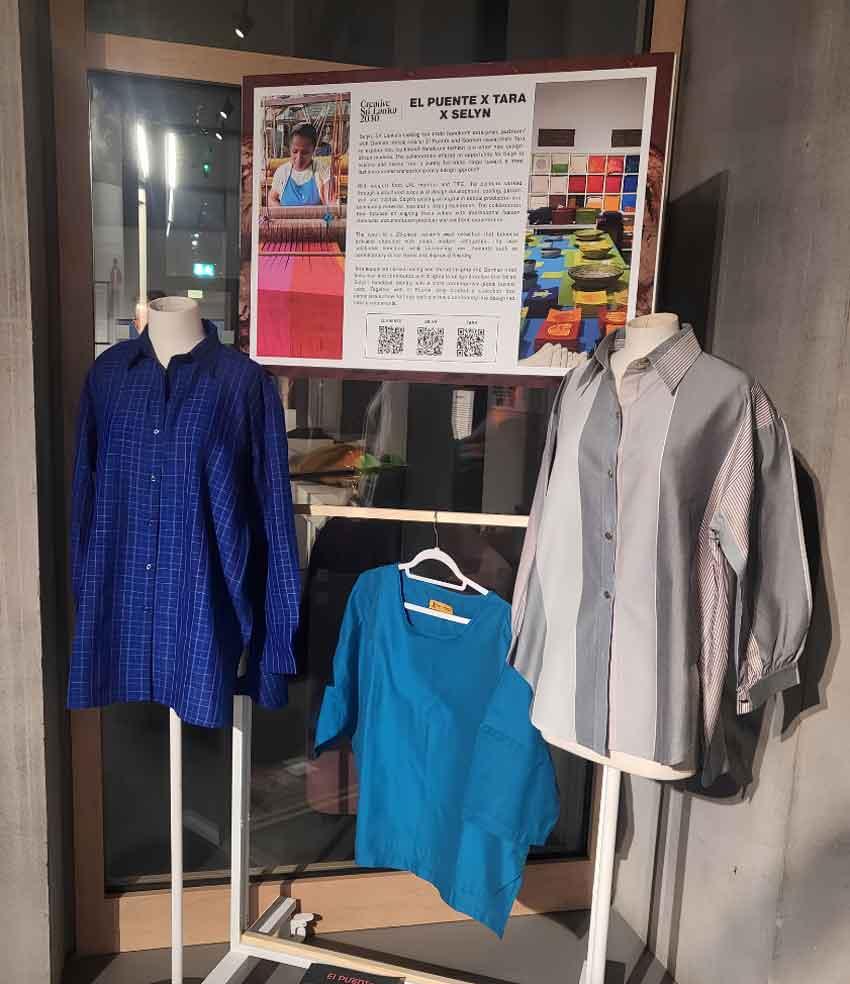
A creative economy approach begins with a different set of questions. What can existing materials and skills become? How can design and technology improve their commercial potential? Which customers will pay for originality, quality and provenance? And how can more of that value remain with the businesses and communities responsible for creating it? These were among the ideas underpinning Creative Sri Lanka 2030, an initiative developed in conjunction with the Export Development Board (EDB) and subsequently supported through an EU-led matchmaking programme.
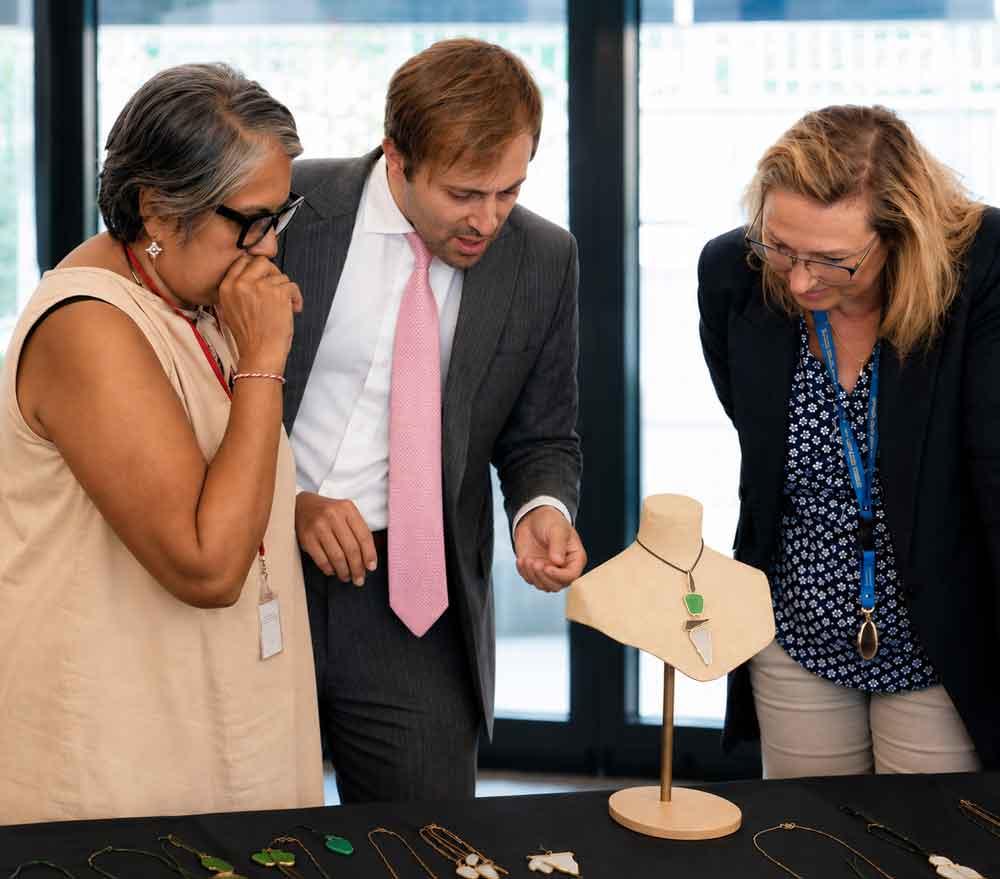
Six Sri Lankan brands received mentoring and were connected with international designers. The participating businesses have since secured export orders from Italy, the Netherlands, Germany, Denmark and the United Kingdom. The significance lies not only in the orders themselves, but in the model behind them. Instead of expecting small businesses to navigate unfamiliar markets independently, the programme connected existing production capabilities with design expertise, commercial knowledge and international relationships. The EDB is now extending this approach, linking established exporters with approximately 40 to 50 small and medium-sized enterprises, artisans and designers. It suggests a practical direction for industrial development: strengthen the businesses that already exist, create connections between them and help them participate in markets where design and differentiation command greater value.
WHY COLLABORATION MATTERS
One outcome of these relationships has been the establishment of the Chamber of Ethical Lifestyle Enterprises (CELE). The chamber brings businesses together to address challenges that are difficult, expensive or inefficient to tackle individually. These include sustainability requirements, access to technology, identifying buyers and entering international markets. For smaller enterprises, shared infrastructure and collective support can make the difference between remaining a local supplier and becoming part of an international value chain. It can also create stronger connections between entrepreneurs, government institutions, technical expertise and commercial partners. This collaborative approach is becoming increasingly important as the conditions of international trade change. The European Union's emerging Digital Product Passport framework, for example, is expected to increase demands for product information, transparency and traceability across affected product categories. For Sri Lanka's resource-constrained micro, small and medium-sized enterprises, meeting these requirements could become a significant challenge. If compliance costs increase while producers remain concentrated in low-value markets, smaller businesses may find themselves increasingly disadvantaged or excluded from export opportunities altogether. Moving up the value chain is therefore not simply an aspiration. It is becoming an economic necessity. "Small doesn't have to mean low value," says Peiris. Nor does commercial success require every craft enterprise to become a factory. Smaller producers can remain specialised, flexible and rooted in their communities while developing higher-value products and stronger market positions. What they need is access to design, appropriate technology, market intelligence and partnerships that allow their skills and knowledge to generate greater returns. Crucially, the benefits of that value creation must reach the makers and communities behind the work.
A DIFFERENT KIND OF CREATIVE TALENT
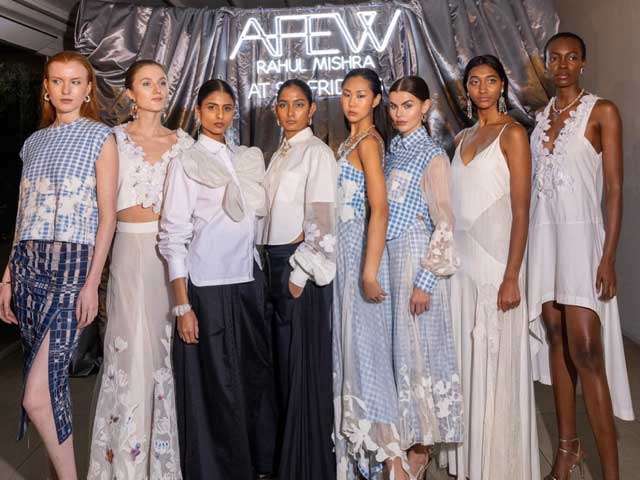
Building this economy also requires a broader understanding of what creative education should produce. Sri Lanka has talented fashion designers, artists and entrepreneurs. But the measure of success cannot simply be the number of new fashion labels or independent creative brands entering the market. The country also needs hybrid product designers, material innovators and creative entrepreneurs capable of working across traditional industries, manufacturing, technology and international commerce. These are people who can collaborate with weaving communities, experiment with new materials, understand production constraints and translate existing knowledge into products relevant to contemporary markets. They need to be equally comfortable engaging with artisans, engineers, manufacturers, researchers and buyers. For universities and industry, this suggests an opportunity to rethink how creative talent is developed and supported. Rather than treating design primarily as an individual creative profession, it can become a means of transforming established productive sectors. Liyanarachchi's international visibility offers one illustration of the possibilities when technical training, contemporary presentation and Sri Lankan identity intersect. The larger opportunity is to create pathways through which more young professionals can apply their creativity to commercially viable industries.
LOOKING BEYOND EUROPE
International opportunity should not be understood exclusively through European export markets. India offers considerable potential for regional collaboration, with its extensive craft traditions, materials expertise, design capabilities, technologies and expanding consumer market. Closer partnerships could open opportunities for knowledge exchange, product development, manufacturing relationships and market access within South Asia. There is also potential in regenerative materials and agriculture, where design, technology and green investment could help rebuild connections between land, fibre, production and finished products. These possibilities could bring agricultural communities, material innovators and manufacturers into new forms of collaboration, while positioning Sri Lankan products within emerging markets for more responsible production. None of this requires inventing an entirely new industrial base. It requires recognising the economic potential of capabilities that are already present and investing in the connections needed to make them more productive. For Meeder, there is no single "sleeping giant" waiting to be discovered. Sri Lanka has hundreds of capabilities, materials, businesses and knowledge systems. The challenge is to identify what works, discontinue approaches that do not deliver results and direct investment towards ideas with genuine commercial potential. That demands a shift from measuring success through the number of people trained, looms installed or exhibitions organised to assessing the businesses built, markets accessed, value generated and livelihoods improved. The Minister's US$100 million handloom export ambition will ultimately depend on more than production volume. It will require stronger businesses, better products, creative talent, market intelligence and international partnerships capable of securing higher returns for Sri Lankan originality and know-how. Sri Lanka does not lack craft traditions. Nor does it lack creative ability. What it needs is an economic framework that connects the two. The future of Sri Lankan craft will not be secured by preserving the past alone, but by giving its knowledge, materials and makers a more valuable place in the economy of tomorrow.