Dear Me, We Need to Talk
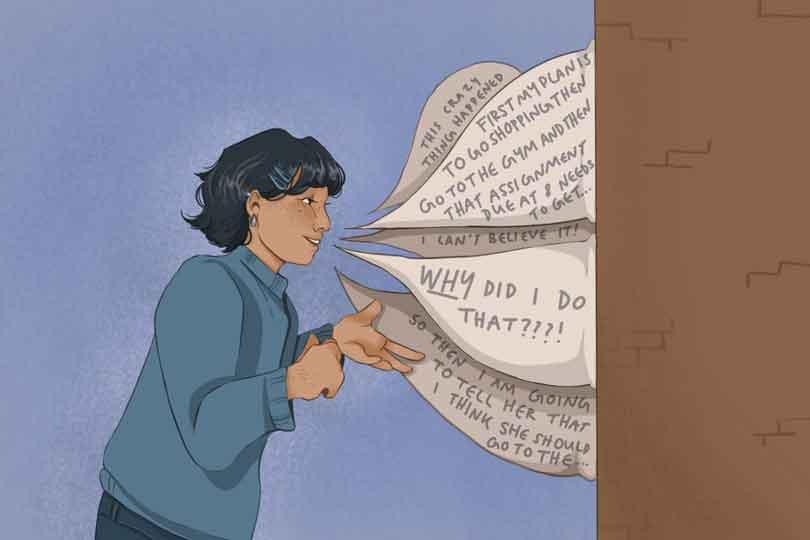
Have you ever caught yourself talking out loud when nobody else is around? I for one tend to do so quite often. For example, maybe you are getting ready in the morning and suddenly find yourself explaining something to an imaginary audience. Maybe you are replaying an argument from three days ago, finally coming up with the perfect response that never came to you at the time. Or perhaps you are simply walking around the house, talking yourself through what needs to be done next. And then, the moment you realise what you are doing, you stop. You look around as if someone might have heard you and think, “Why am I talking to myself?”

The truth is, most of us do it. Some of us whisper, some speak out loud, and some keep the entire conversation in our heads. We rehearse conversations before they happen, replay conversations after they are over, explain our problems to ourselves, give ourselves advice, argue with ourselves and sometimes even congratulate ourselves. It can feel strange, but I feel talking to ourselves is often less about being alone and more about trying to make sense of everything happening inside our head.
Think about how often you mentally prepare for a conversation before having it. You might imagine how someone will react, think of what you want to say, predict what they might say back and prepare your response. Sometimes the conversation never even happens. Yet somehow, you have already had five different versions of it in your head. We do this because uncertainty makes us uncomfortable. When we do not know how something will go, our minds try to create a version of the situation that feels more manageable and reassuring.
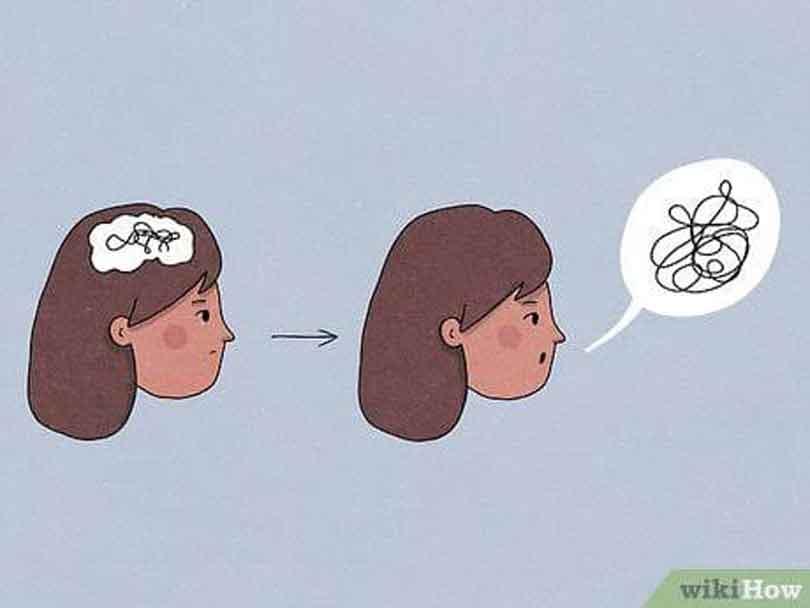
That is also why we sometimes have conversations with people who are not there. You might explain to a friend why something upset you, only to realise you are actually sitting alone in your room. You might defend yourself to someone who criticised you weeks ago, even though they are nowhere around. You might finally say what you wished you had said in the moment. These imaginary conversations can be our way of processing emotions that were left unfinished.
There is something interesting about the things we say to ourselves when nobody is listening. We often become both the person experiencing the problem and the person trying to solve it. “Okay, what do I actually need to do?” “Maybe I am overthinking this.” “Just send the message.” “No, do not send it.” It can sound almost ridiculous when written down, but this internal back and forth is a normal part of making decisions. We are constantly sorting through thoughts, emotions, possibilities and consequences.
Sometimes, speaking those thoughts aloud makes them feel more real and, strangely, more manageable. A problem that seems enormous when it is floating around inside your mind can sound much smaller once you actually put it into words. You hear your own reasoning. You notice contradictions.You notice patterns. You realise that perhaps you do know what you want, you just did not want to admit it yet.
This is one reason people often talk themselves through difficult tasks. You may have heard someone say, “First I need to finish this, then I have to call them, then I can leave.” It is not necessarily because they have forgotten what they need to do. Saying it aloud can help create a sense of order. Our minds are constantly carrying multiple thoughts at once, and sometimes speaking turns that mental clutter into something we can actually follow.
But our conversations with ourselves are not always practical. Sometimes they are emotional. We tell ourselves that we are going to be okay. We remind ourselves that one mistake does not define us. We tell ourselves to calm down before walking into an interview or to stop panicking before making a difficult phone call. In those moments, we become our own reassurance. Yet that same inner voice can also become our harshest critic.
The voice in our head does not always speak kindly. It can remind us of every mistake we have made, compare us to people we barely know and convince us that everyone else is doing better. One small failure can turn into a long internal lecture. “You should have known better.” “Why did you say that?” “Everyone else can do this, so why can't you?” We would probably never speak to a friend in the way we sometimes speak to ourselves.
That is where the conversation becomes worth paying attention to. Talking to yourself is not necessarily the problem. What matters is what you are saying.
There is a difference between reflecting on a mistake and repeatedly punishing yourself for it. There is a difference between preparing for a difficult situation and imagining every possible disaster. There is a difference between encouraging yourself and convincing yourself that you are incapable. Our inner dialogue can help us move forward, but it can also keep us stuck.

Perhaps that is why some of our most important conversations never happen with another person. They happen quietly, somewhere between falling asleep and waking up, during a long drive, while taking a shower, on a walk or while staring out of a bus window. These are the moments when the outside world becomes quiet enough for us to hear ourselves properly.
And maybe that is something we do not do enough anymore.
We are surrounded by noise. Notifications, messages, videos, music, conversations and endless scrolling fill the little gaps in our day. The moment there is silence, we often reach for our phones. We rarely have to sit with a thought for very long before something else comes along to distract us. But when we do get those quiet moments, our minds naturally begin talking.
Sometimes, that conversation can reveal things we have been avoiding.
You might realise that you are not actually angry, just hurt. That you do not dislike your job, you are simply exhausted. That you are not missing a particular person, but the version of yourself you were when they were around. That you are not afraid of failing, but afraid of what people will think if you do. These are not always comfortable realisations, but they are often the ones we need.
There is also something comforting about knowing that the person you spend your entire life with is yourself. Friends change, relationships change, circumstances change and people come and go. But that internal conversation continues through all of it. Learning to speak to yourself with a little more patience might therefore be more important than we realise.
The next time you catch yourself talking to yourself, perhaps do not immediately stop. Listen for a moment. What are you saying? Are you rehearsing something because you are afraid? Are you replaying something because you are hurt? Are you giving yourself advice because you already know the answer? Or are you simply thinking out loud because your brain needs somewhere to put all those thoughts?Maybe talking to ourselves is not something we need to be embarrassed about. Maybe it is one of the few ways we have of slowing down enough to understand what is happening inside us.
After all, before we can explain ourselves to anyone else, we usually have to figure out what we are trying to say to ourselves first.