DESTINY
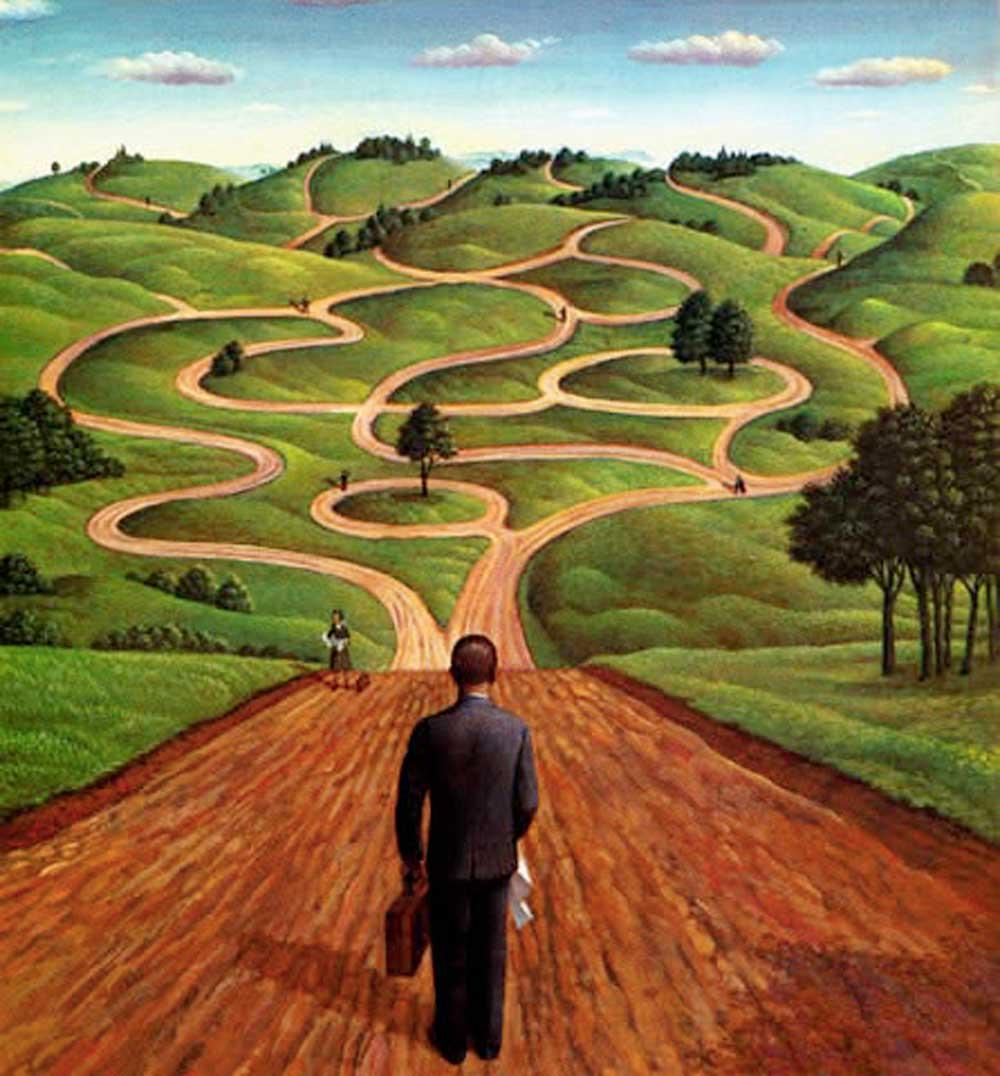
Destiny has always been one of those things that interests me and is a subject I seem to come back to every now and then, especially when something bad happens in life that feels too perfectly timed to be a mere coincidence. I’ve always found myself wondering whether we really have as much control over our lives as we think we do, or whether certain things are simply meant to happen. The idea that you could make completely different choices, take a different route or try to avoid something and still somehow end up exactly where you were supposed to be is both fascinating and a little unsettling. It makes me wonder whether we can ever really escape our fate or whether even our attempts to do so are part of it.
Destiny is generally understood as the idea that events in a person’s life are somehow predetermined or directed towards a particular outcome. It’s closely connected to the idea of fate, although the two have slightly different meanings. Fate can feel more fixed and unavoidable, while destiny can suggest that there is a particular path a person is supposed to follow. Either way, the basic idea is one human’s have been fascinated and frightened by for thousands of years. We’ve always wanted to know whether there is some larger plan behind our lives, especially when things happen that we can’t really explain.
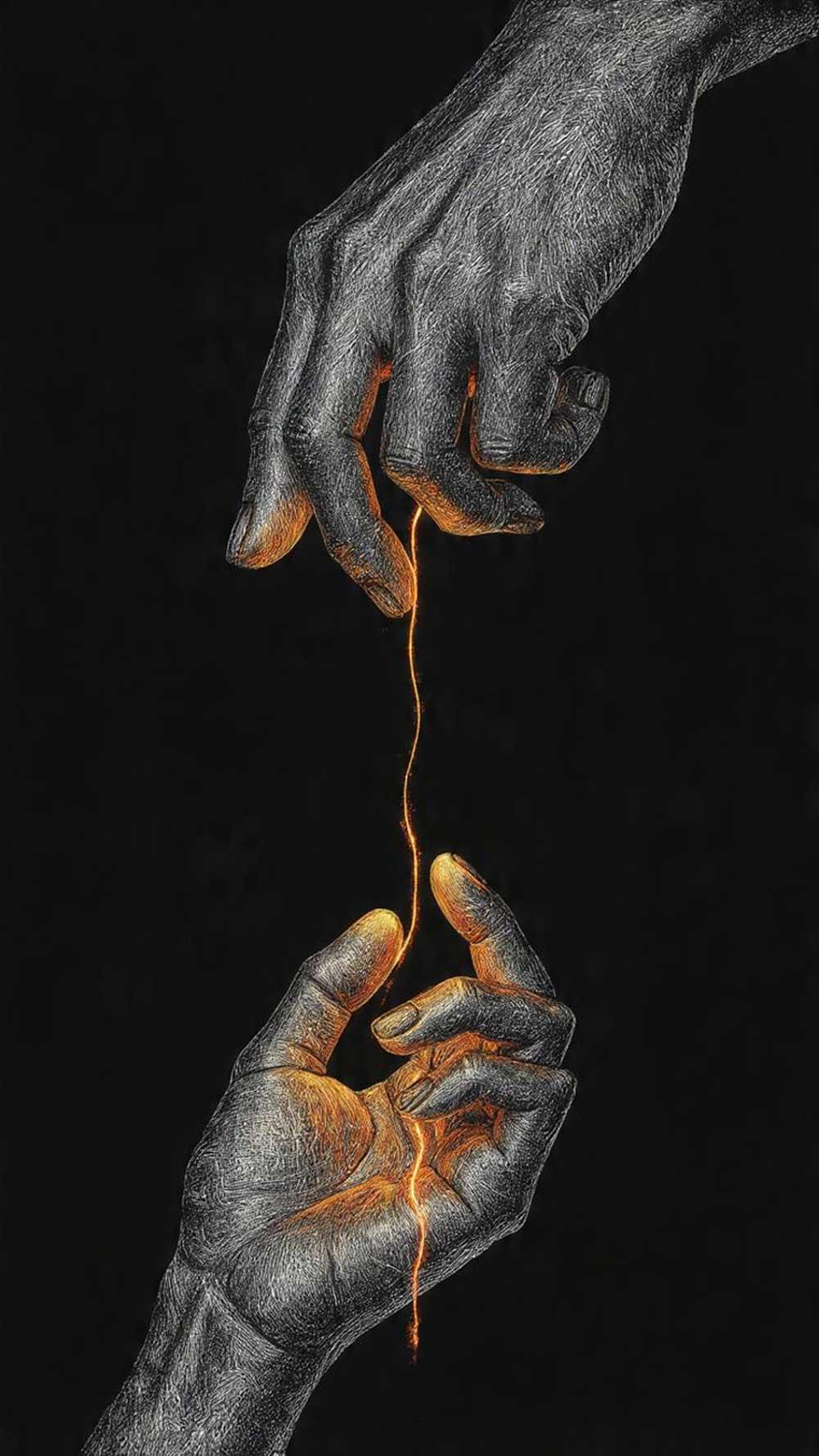
The ancient Greeks were already thinking about this long before we had modern ideas of free will and self-determination In Greek mythology, the Moirai, or the three Fates, were responsible for the thread of human life. Clotho spun the thread, Lachesis measured it and Atropos cut it, representing death. What makes these stories unsettling is that even powerful figures could not escape what had been decided for them. The Romans had their own version of the Fates, while Norse mythology had the Norns, figures associated with determining the destinies of gods and humans. Different civilizations had their own beliefs, but the question remained how much of our lives actually belong to us?
Ideas about destiny also developed differently across different religions and cultures. In Islam, Qadar refers to God’s divine decree and is connected to the wider question of God’s knowledge and human responsibility. Christianity has spent centuries debating predestination, free will and divine providence. In Hindu traditions, karma and rebirth can make destiny feel less like a fixed script and more like something connected to actions and consequences that continue across different lives. Buddhism takes a different approach, focusing on causes and conditions rather than the idea of one predetermined path. Even though these beliefs are very different, they all show how persistent the human desire has been to understand why things happen the way they do.
It’s also interesting to see how destiny has survived in modern life. We might not all believe that gods have written our futures, but people still look for signs. Astrology, fortune telling, spiritual beliefs and even the way we talk about coincidences all have something to do with our desire to find a pattern in our lives.
We often look backwards at something that happened and wonder if it was a sign that we simply failed to notice at the time. The person we almost didn’t meet, the decision we nearly didn’t make or an opportunity we nearly turned down can suddenly seem more significant once we know how things turned out.
Sometimes it’s the smallest things that make the idea of destiny seem more convincing. You might miss a train and meet someone on the next one. You might decide to go somewhere at the last minute and end up having an experience that changes your life. At the time, these things feel completely random. It’s only afterwards that we start putting the pieces together and wondering whether there was actually a reason behind them. Of course, coincidence is a perfectly reasonable explanation, but there’s something about looking back at a series of unlikely events that can make you question whether everything really happens by chance.
Netflix’s ‘Something Very Bad Is About to Happen,’ plays with this kind of fear of destiny. The series follows Rachel and Nicky as they prepare for their wedding, while Rachel becomes increasingly convinced that something is wrong. The title tells us that something terrible is coming, and the tension comes from watching the characters move towards an event that feels increasingly unavoidable. The frightening part isn’t simply that something bad might happen, but the possibility that the characters might not be able to do anything about it, even if they’re aware that something is wrong.
That idea has existed in stories for centuries. One of the best-known examples is the Greek story of Oedipus, where a prophecy predicts a terrible future and the characters’ attempts to prevent it ultimately help bring it about. There’s something disturbing about that concept because it takes away the comfort of believing that knowing the future would allow us to change it. What if trying to escape your fate is actually part of the reason you reach it? The more you try to move away from it, the more you could be moving towards it without even realizing it.
Of course, real life is not a Greek tragedy, and there’s no way to prove that our futures are already written. We make genuine choices, and those choices clearly affect what happens to us, but there are still moments when life can feel strangely predetermined. You could spend months trying to avoid a particular situation and somehow end up exactly where you were trying not to be. You can meet someone completely by chance and later realize how much they impacted your life. You can make a decision that seemed so insignificant at the time and only years later understand how it affected everything that came after it.
Maybe that’s why destiny remains such a powerful idea. We can’t actually see the future, so we’ll never know whether something was destined to happen until it’s already happened. By then, we can look backwards and connect all the little events that led us there. It can make an ordinary coincidence feel important and make a completely unexpected event feel like something that’s been waiting for us all along.
I think there’s also a strange sense of comfort in believing that some things are meant to happen. If something goes wrong, destiny gives us a way of understanding it. We can tell ourselves that perhaps that person was never meant to stay, that opportunity was never meant to work out or that a different path was waiting for us. Yet that same belief can become scary once we apply it to things we desperately want to avoid.
If some things are meant to happen, then perhaps there are things we cannot outrun either.
Whether destiny is something genuinely written into our lives or simply the human tendency to look for meaning in what happens to us, the idea is difficult to completely dismiss. We can make plans and try to control where our lives go, but there will always be things outside of our control. Perhaps we do have more freedom than the ancient stories suggested, or perhaps our choices were simply the path we were always going to take. We’ll probably never know which one is true. That uncertainty is what keeps me coming back to the idea of destiny. We spend our lives making choices without knowing where they’ll truly lead, never really knowing whether we’re creating our future as we go or slowly arriving at something that was always waiting for us.