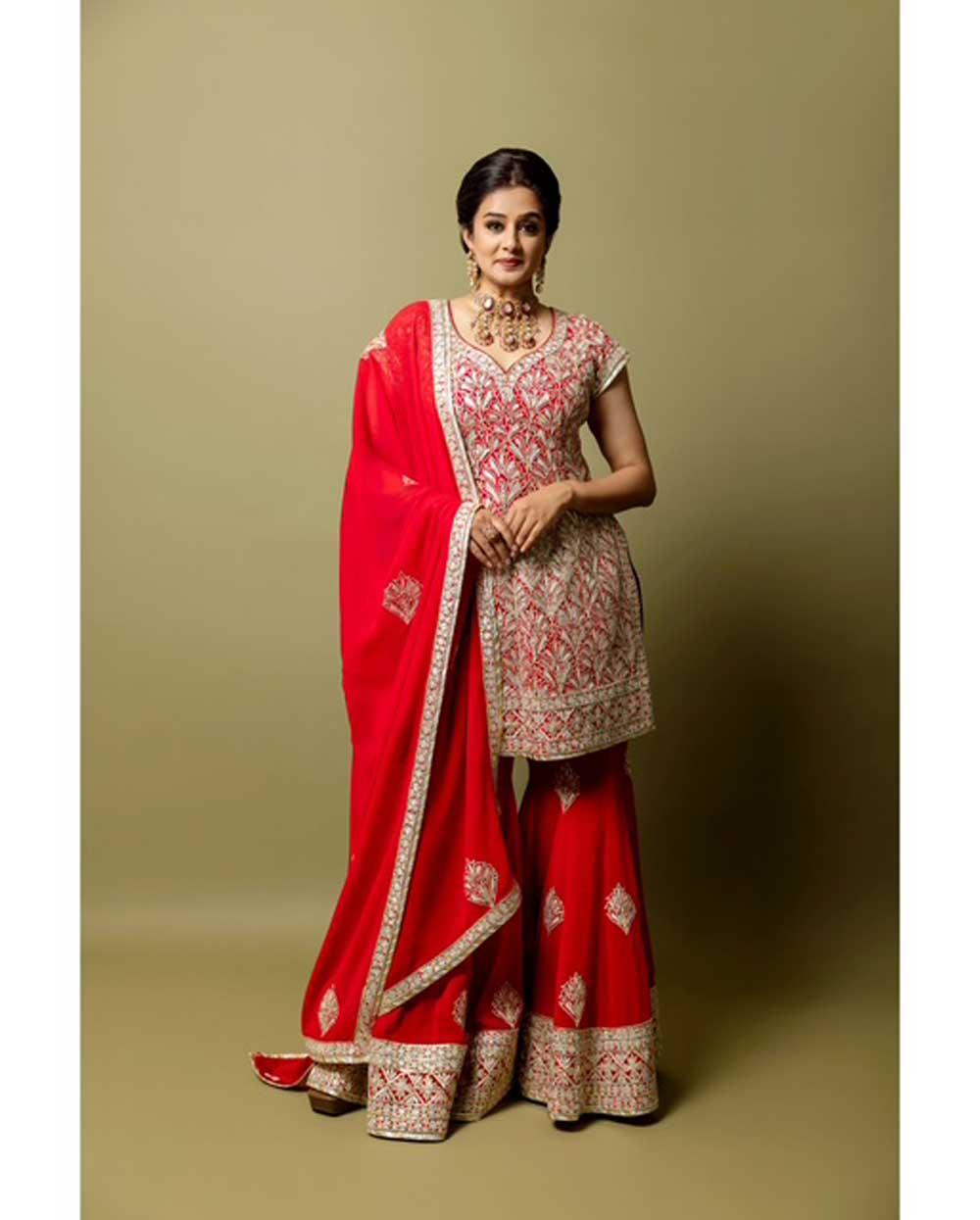
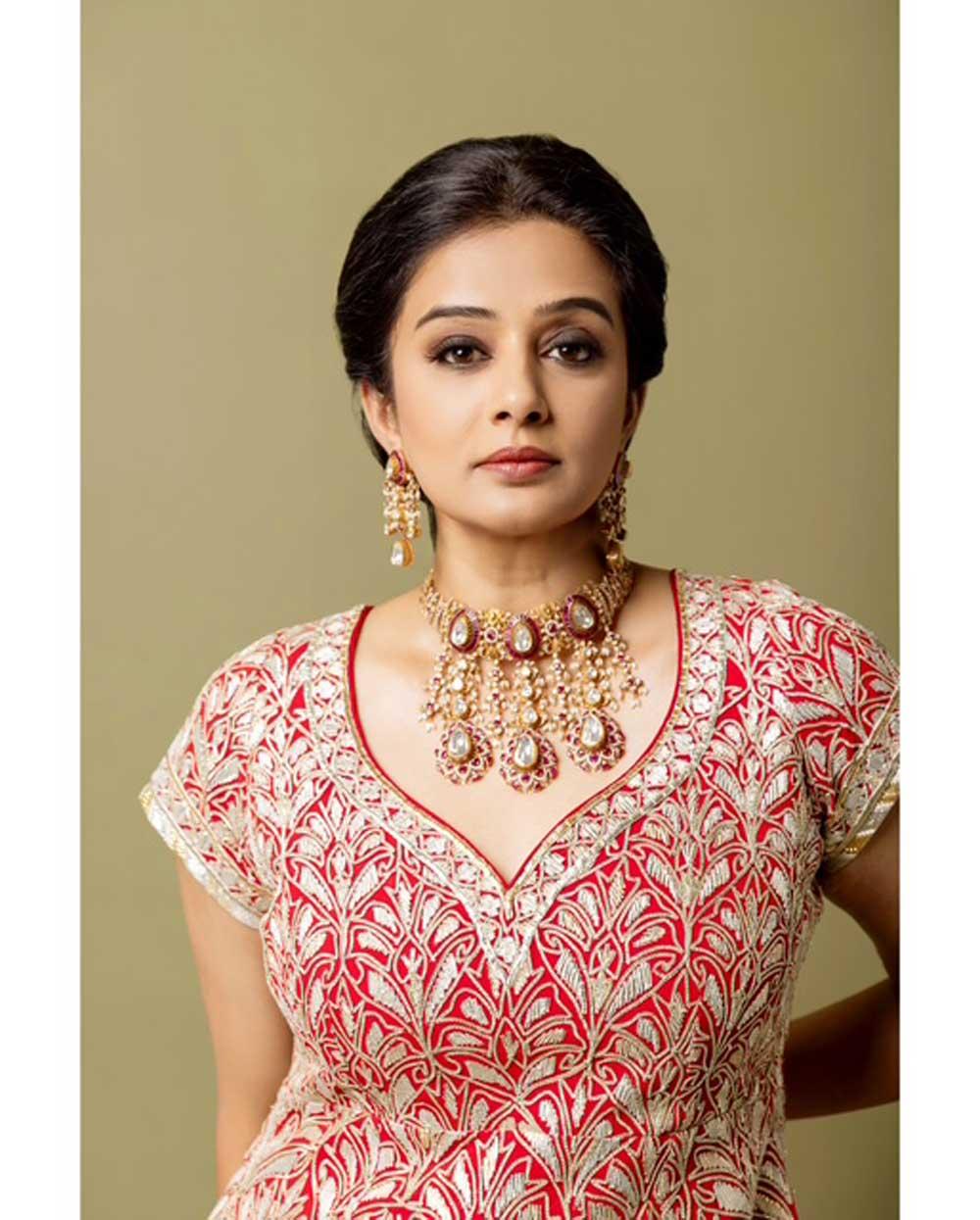
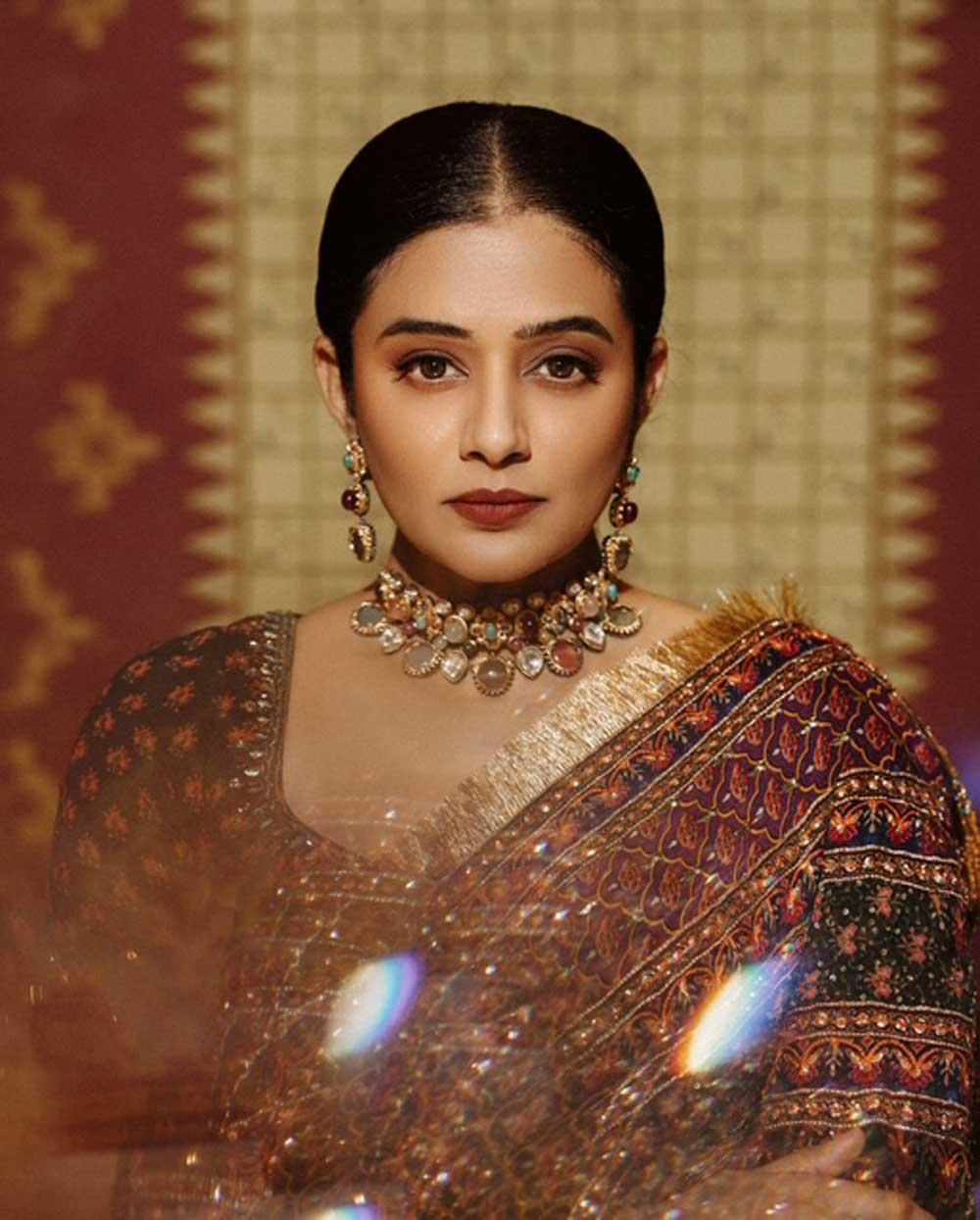
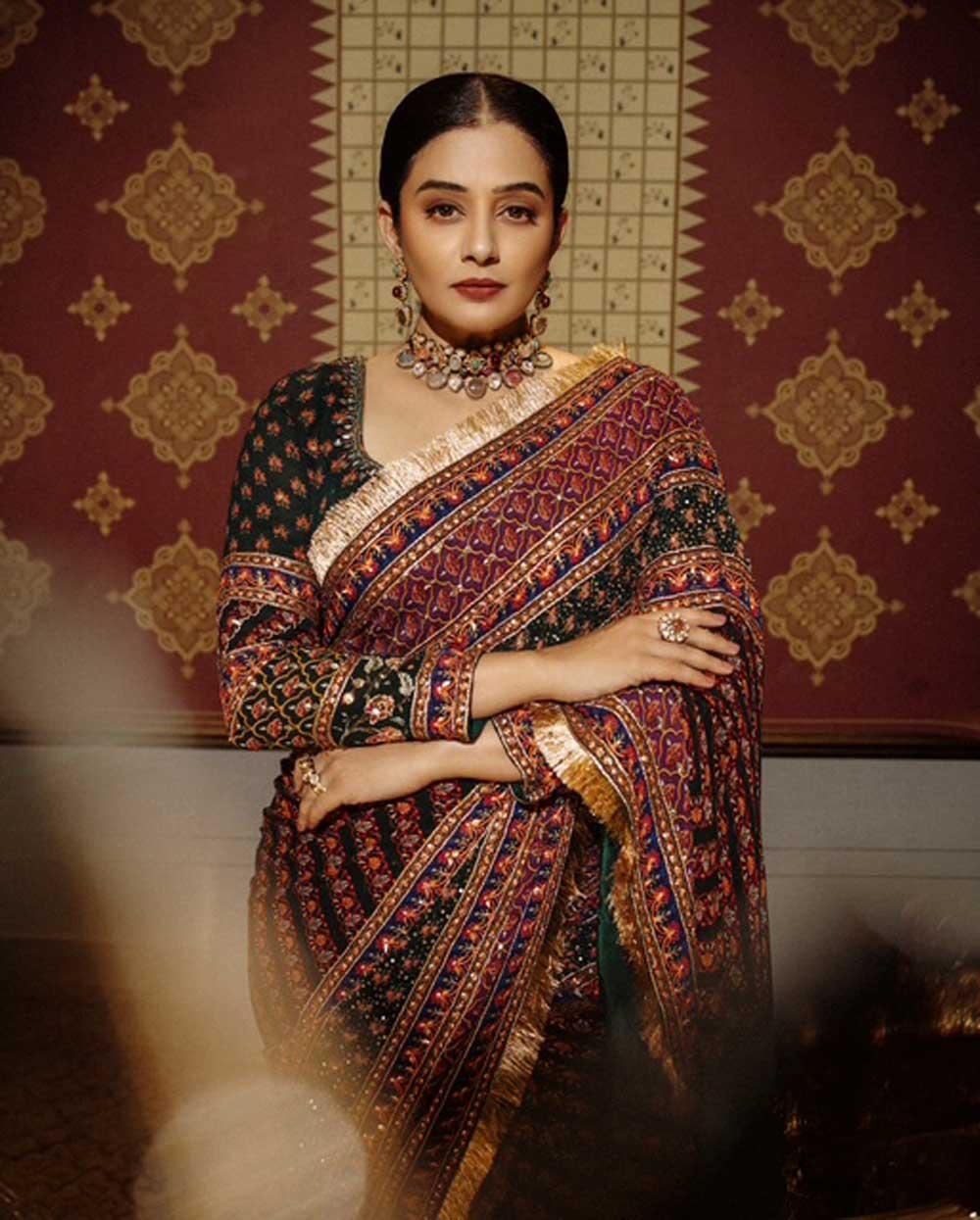
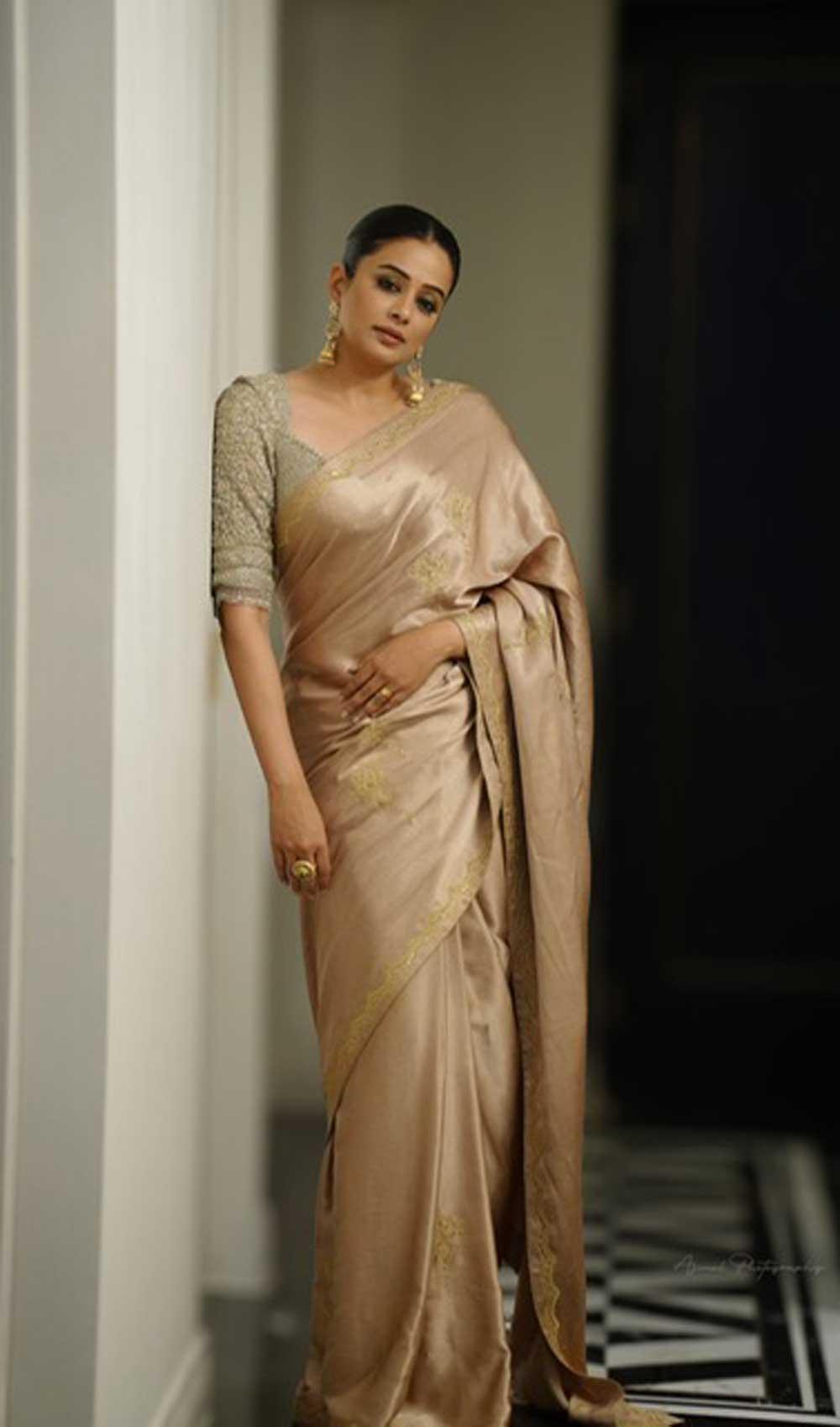
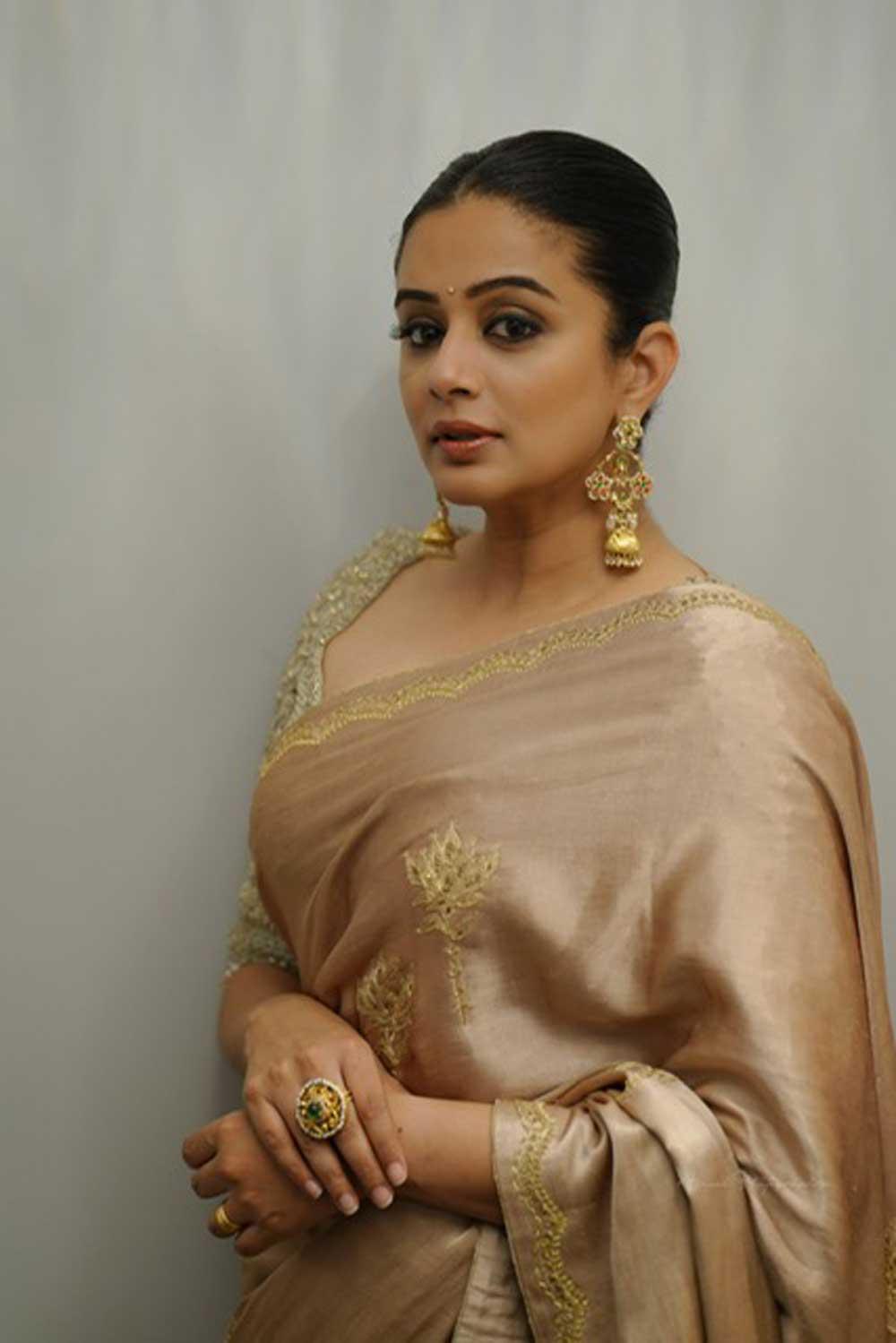
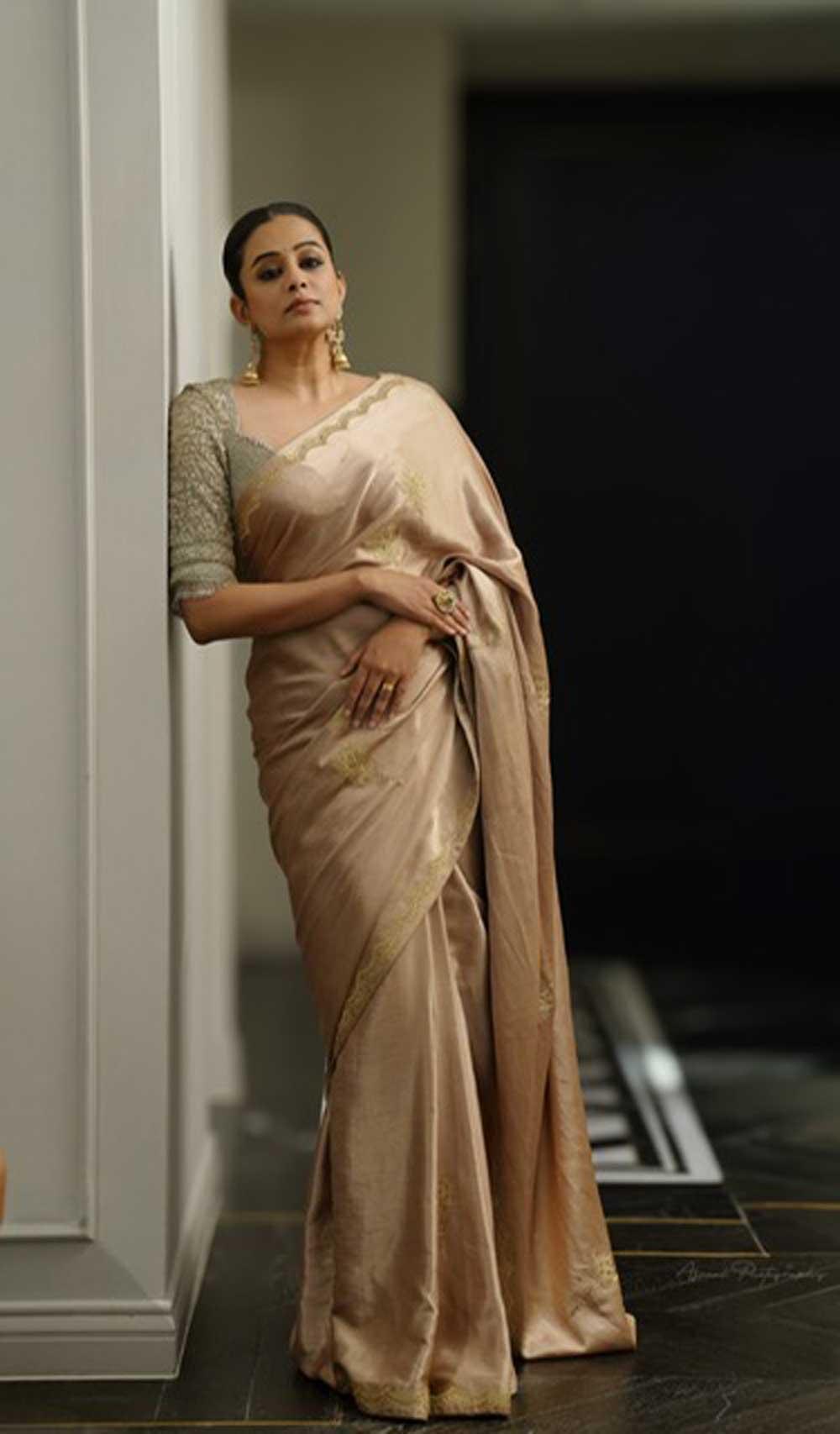
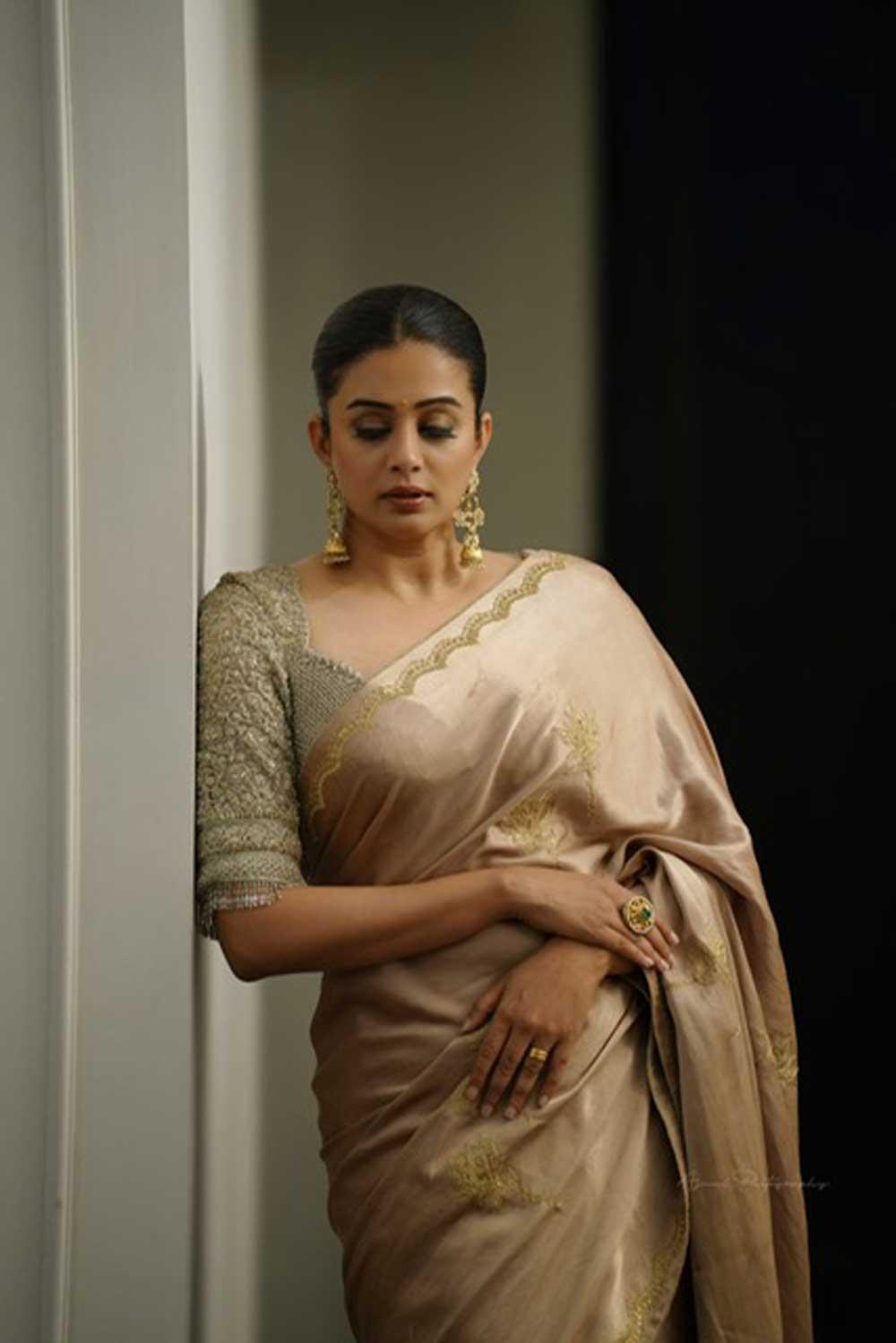
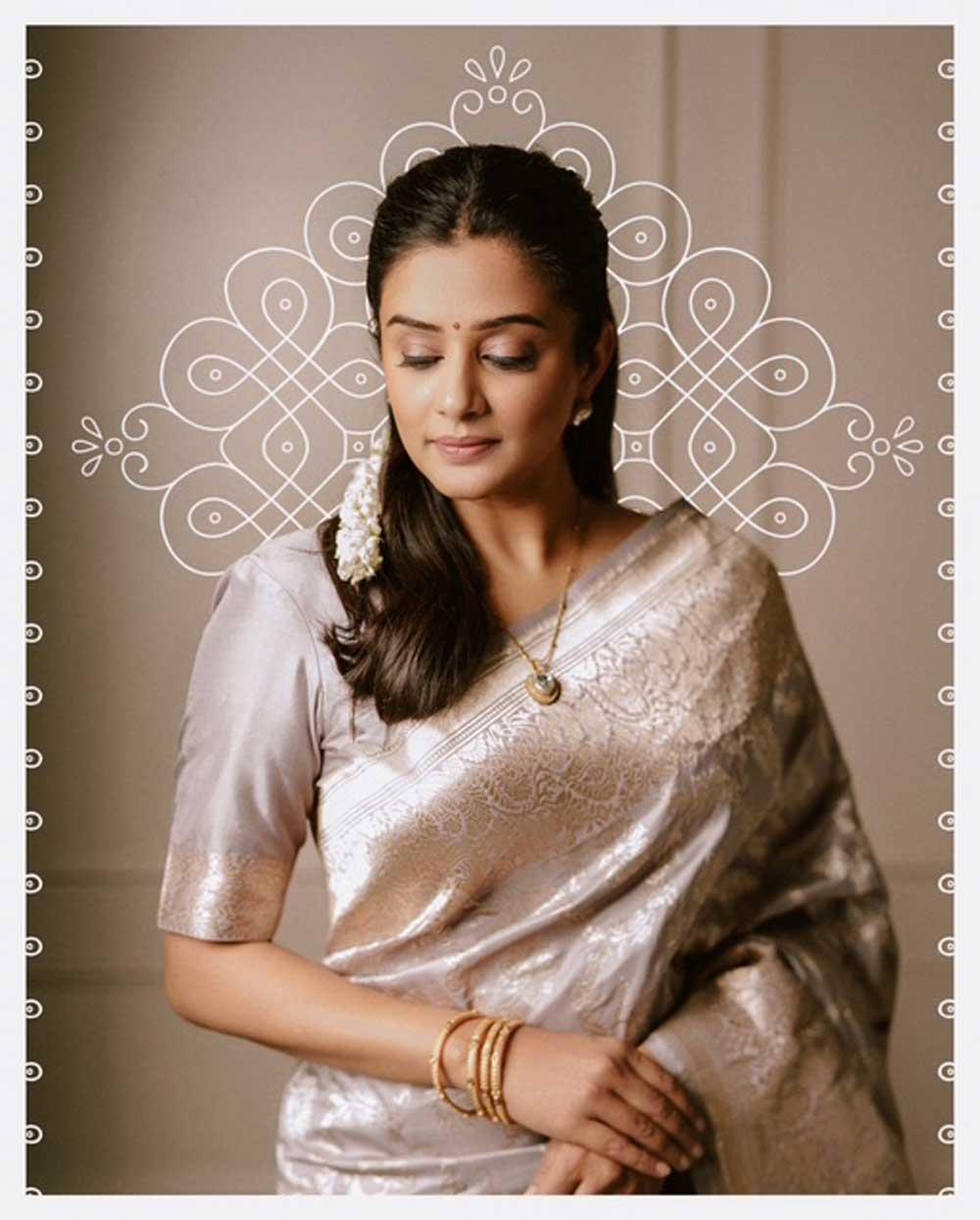
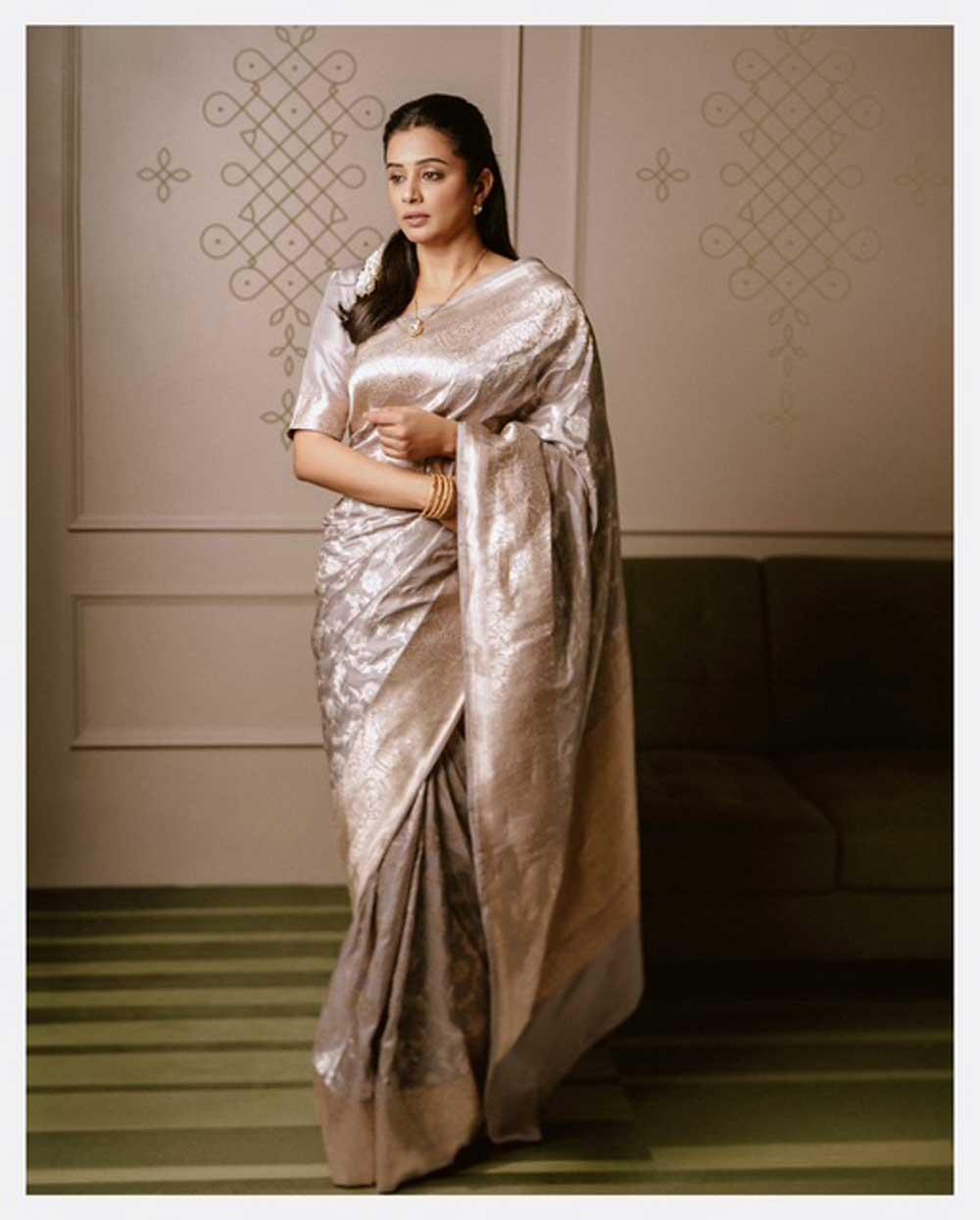
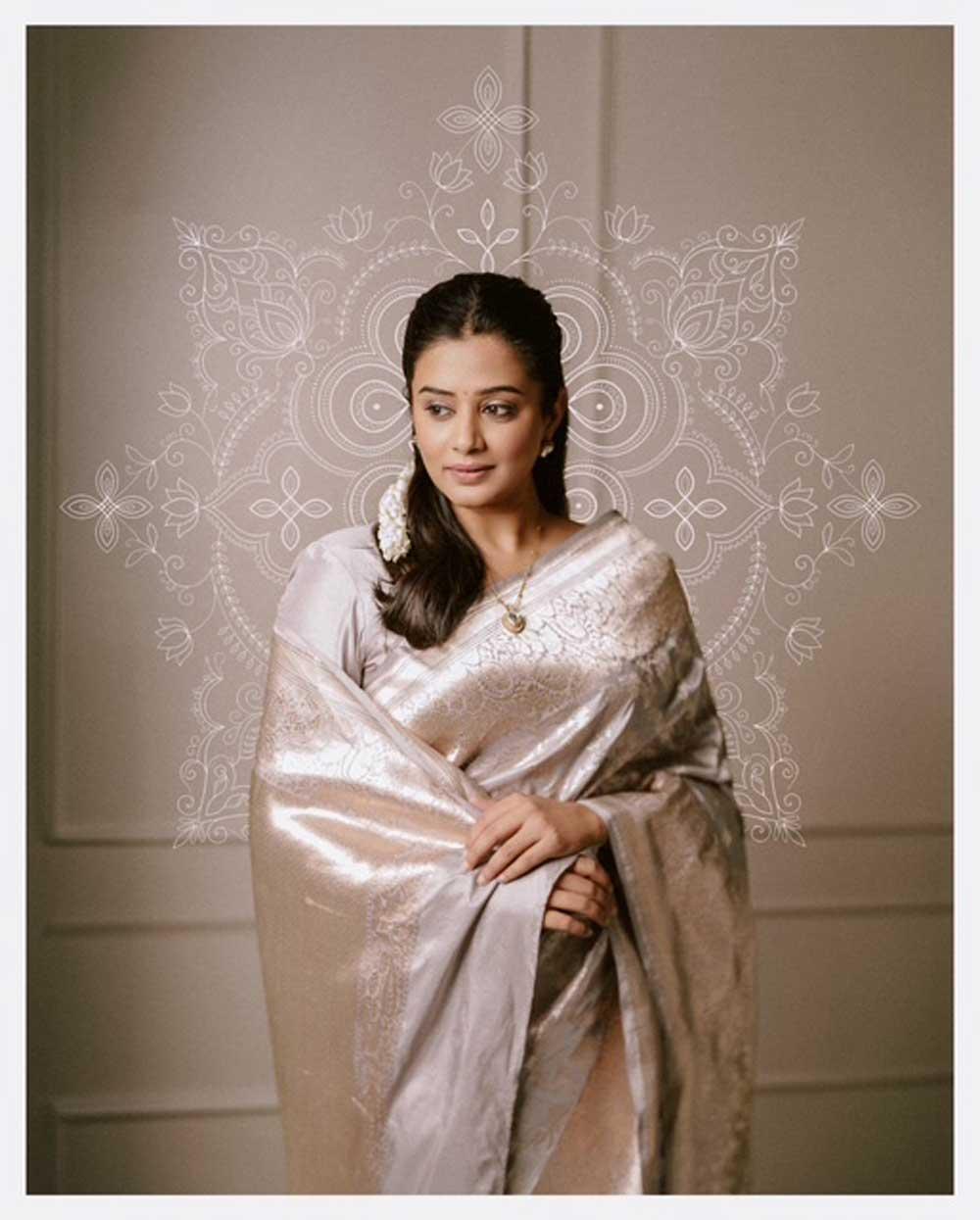
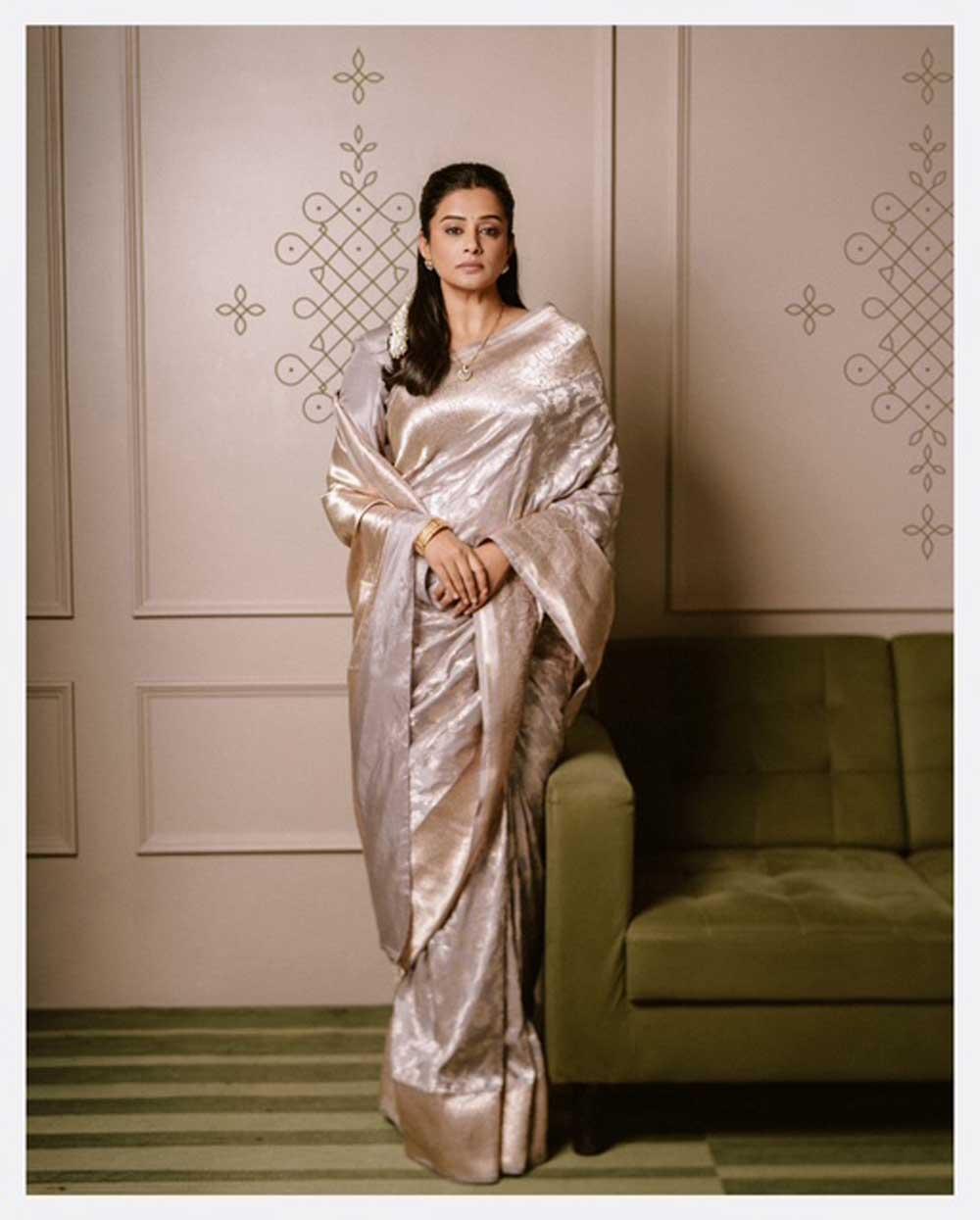
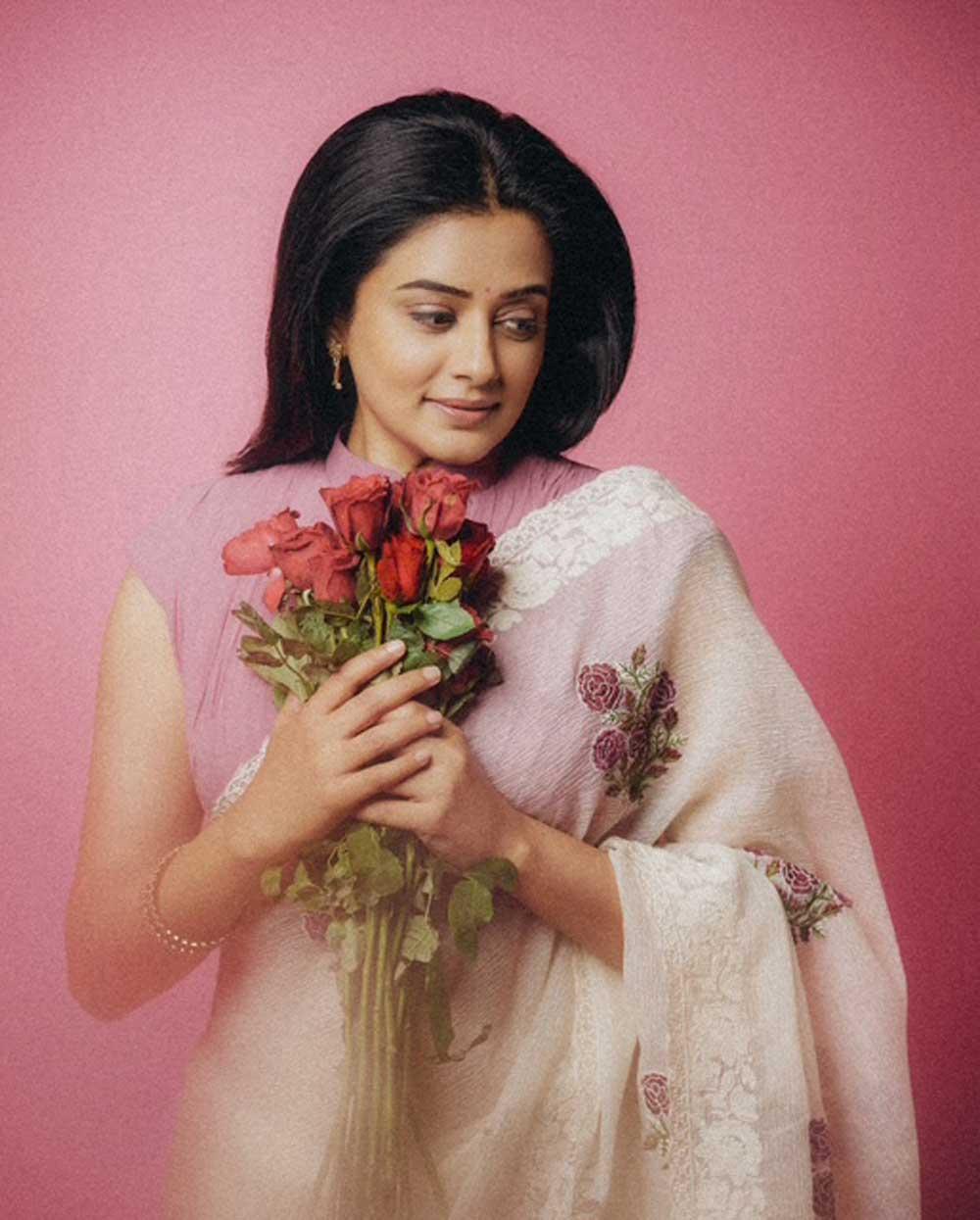
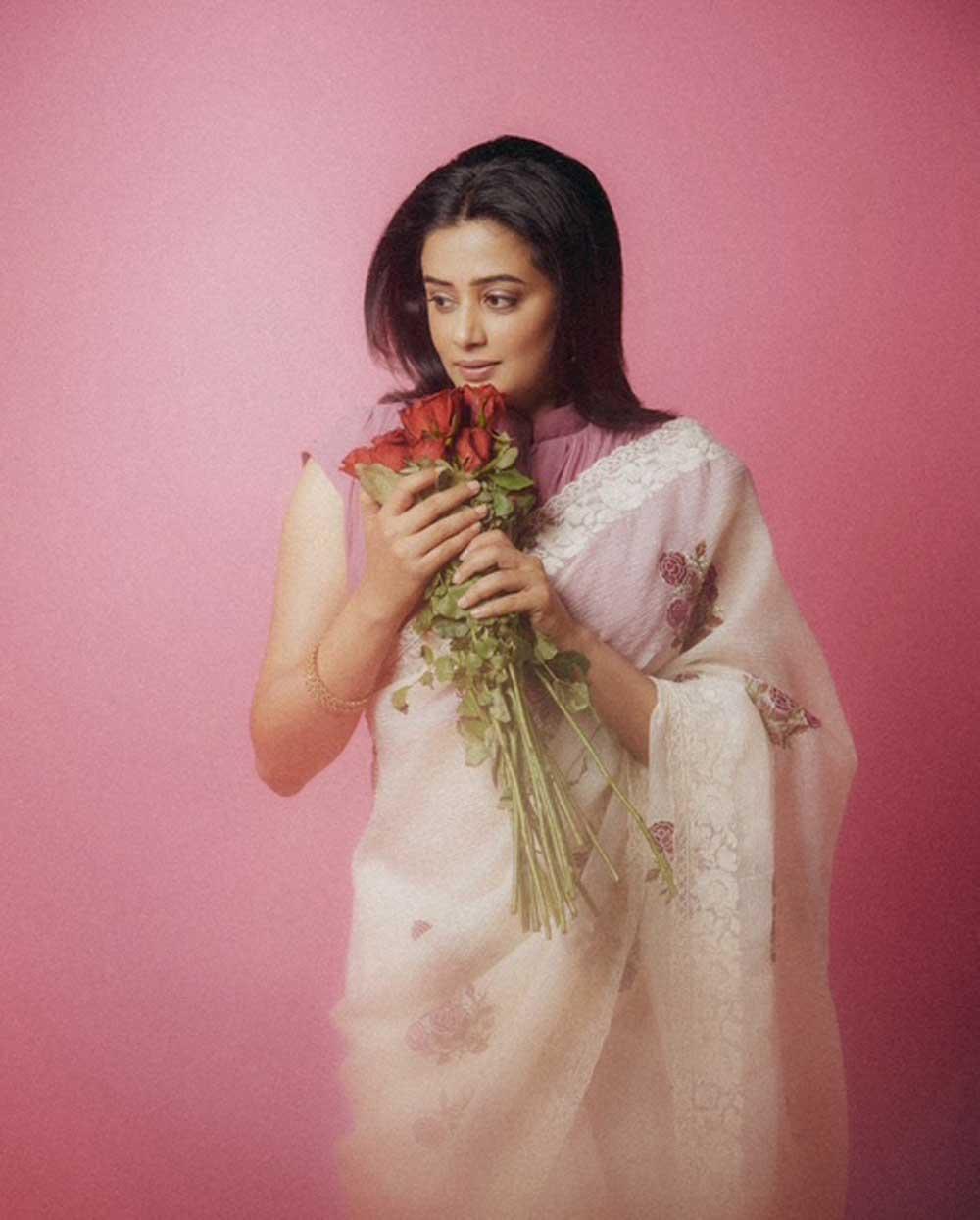
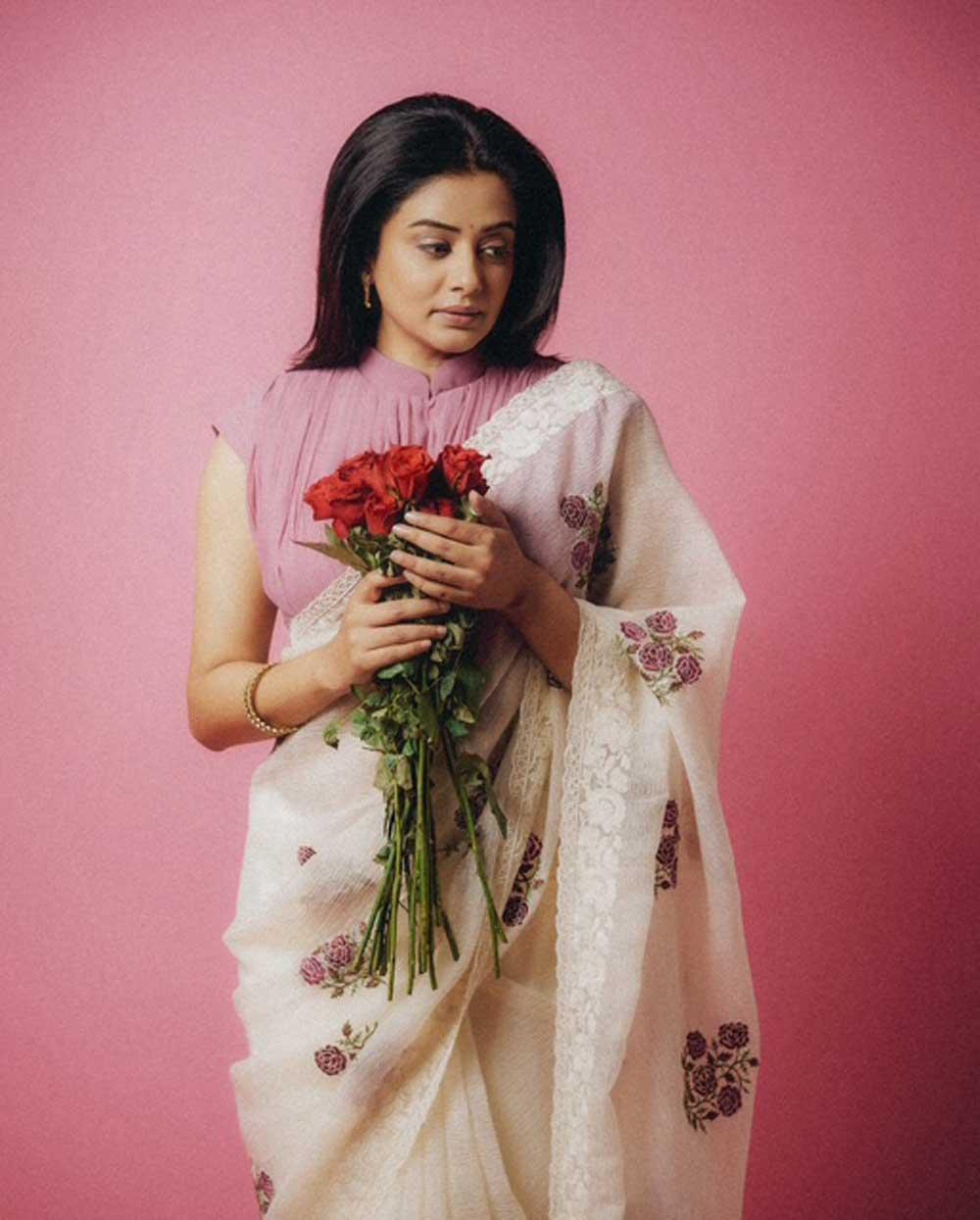
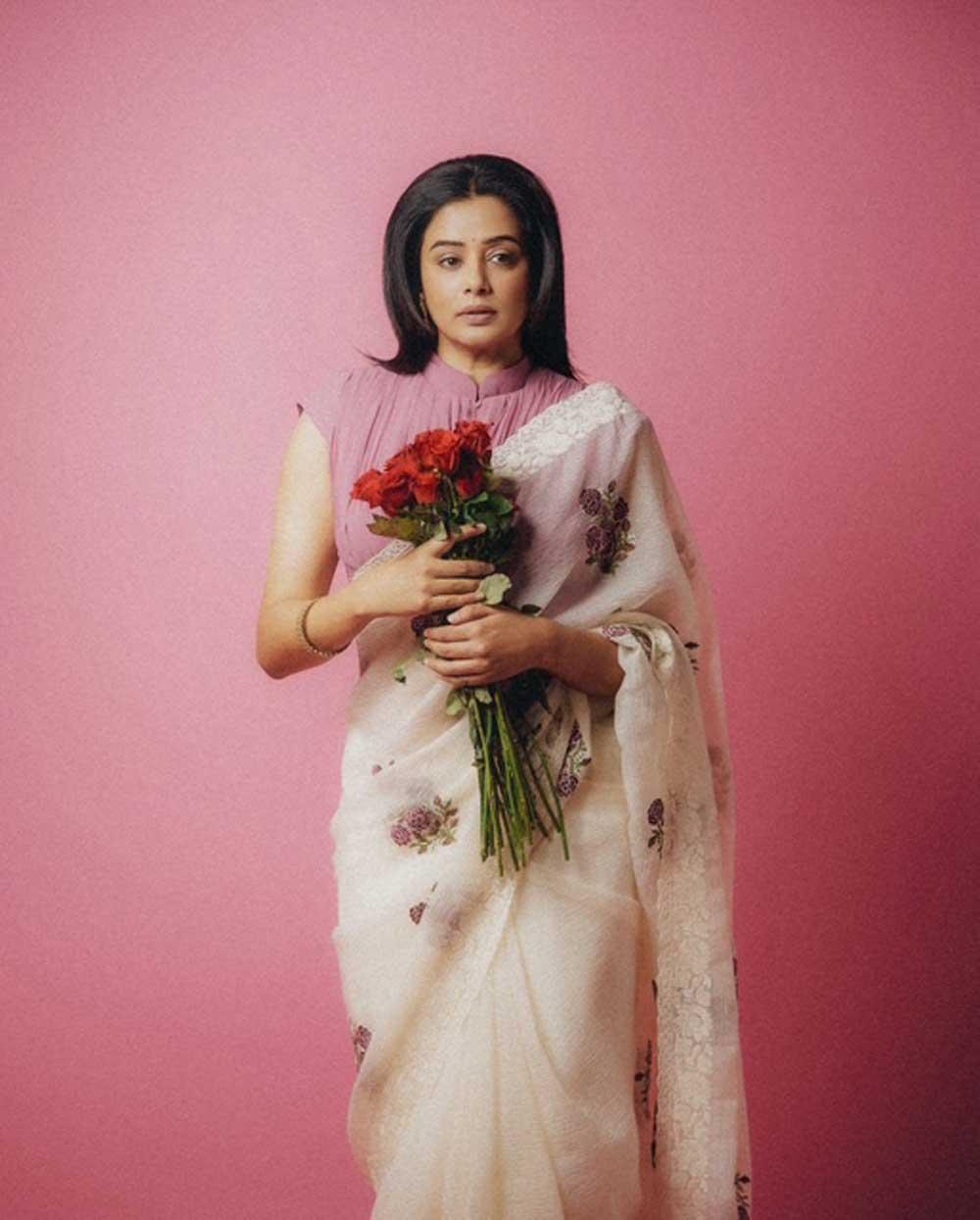
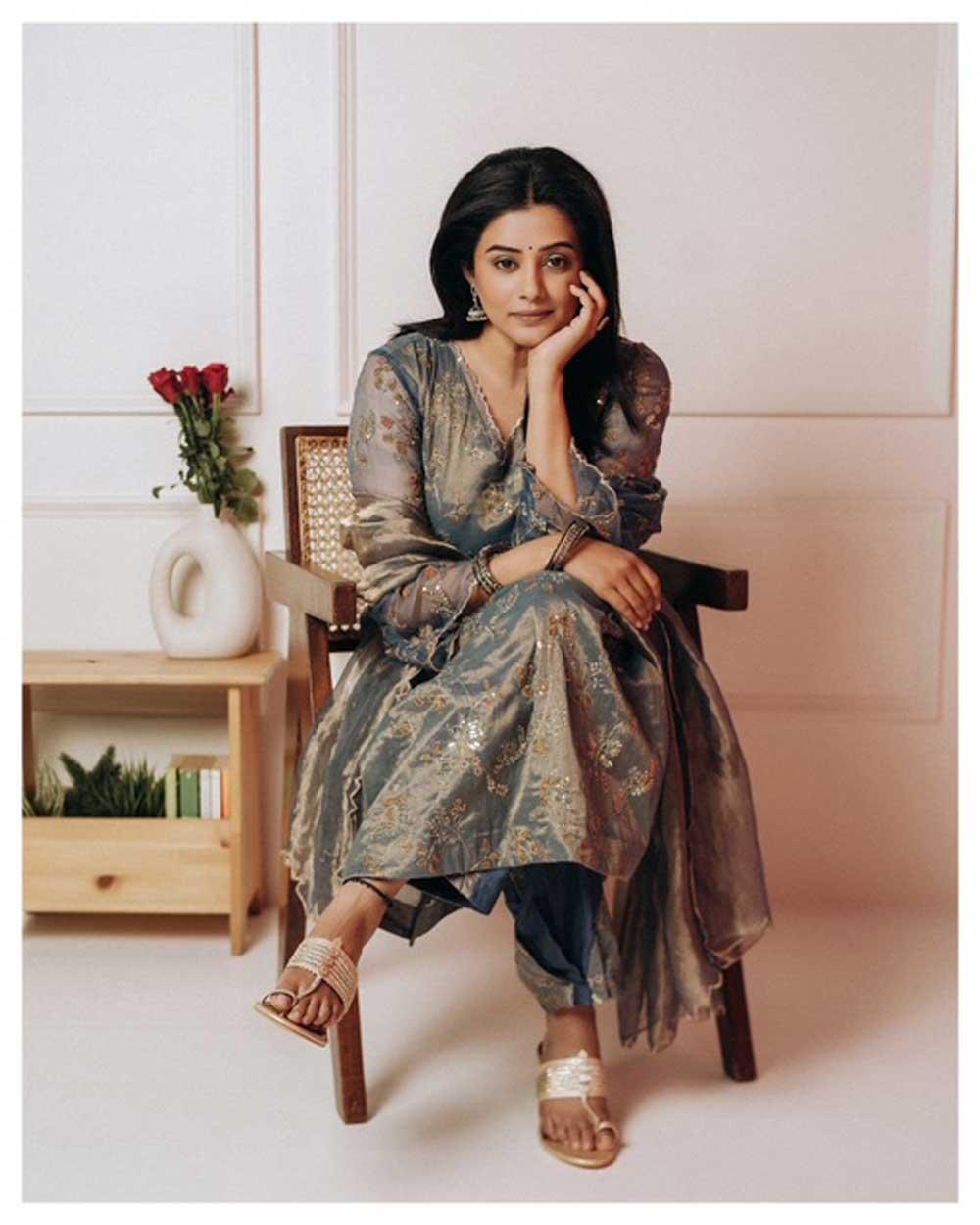
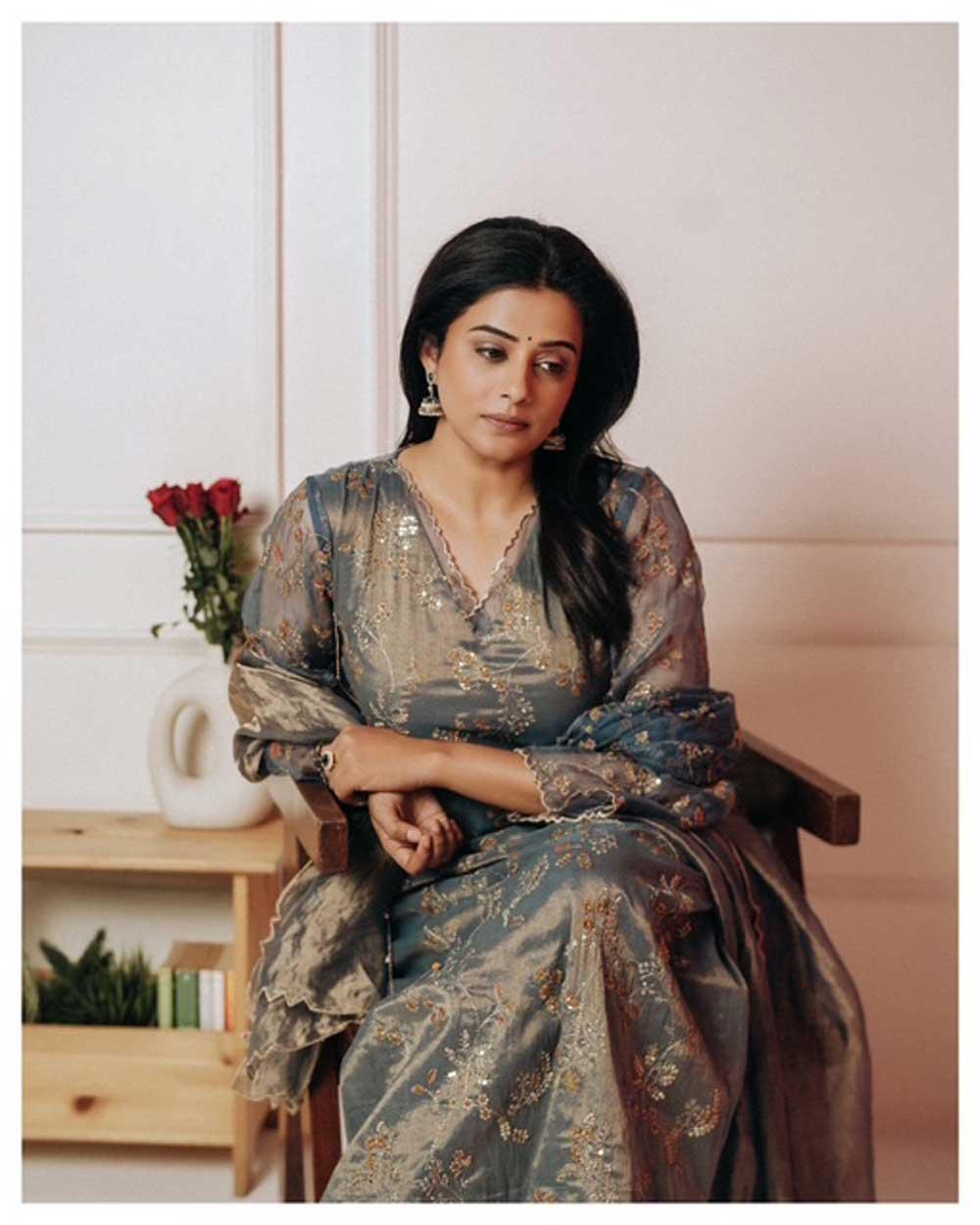
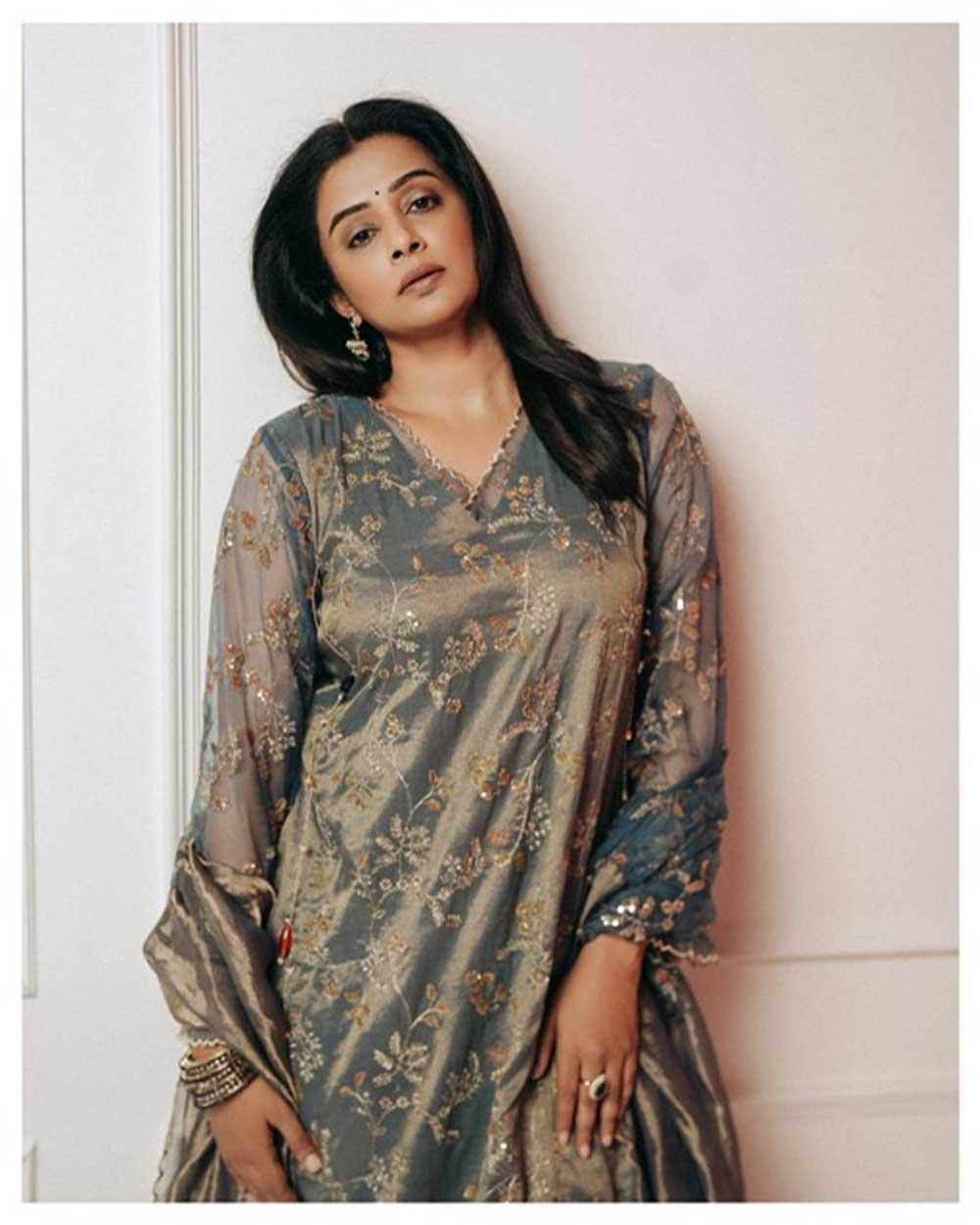
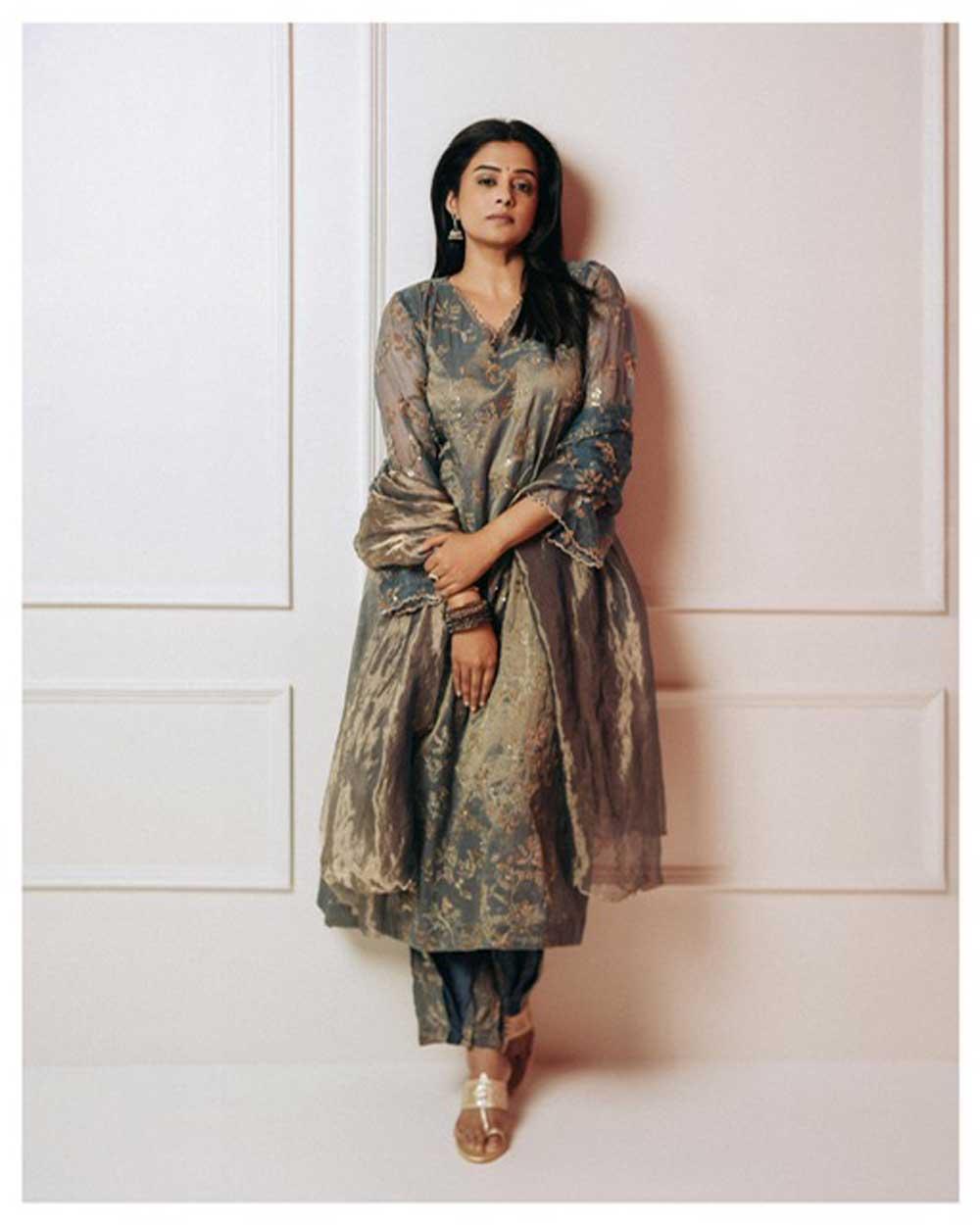
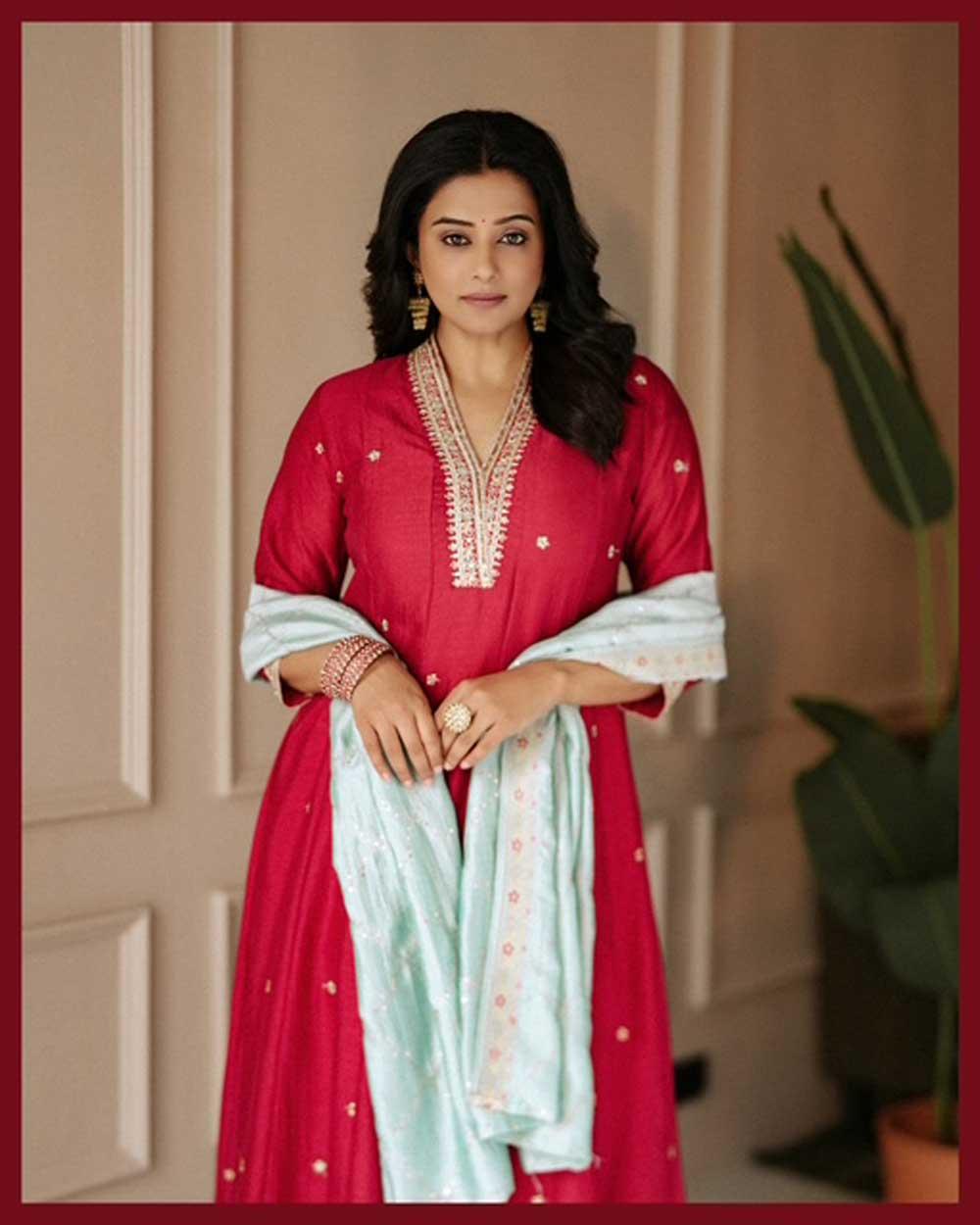
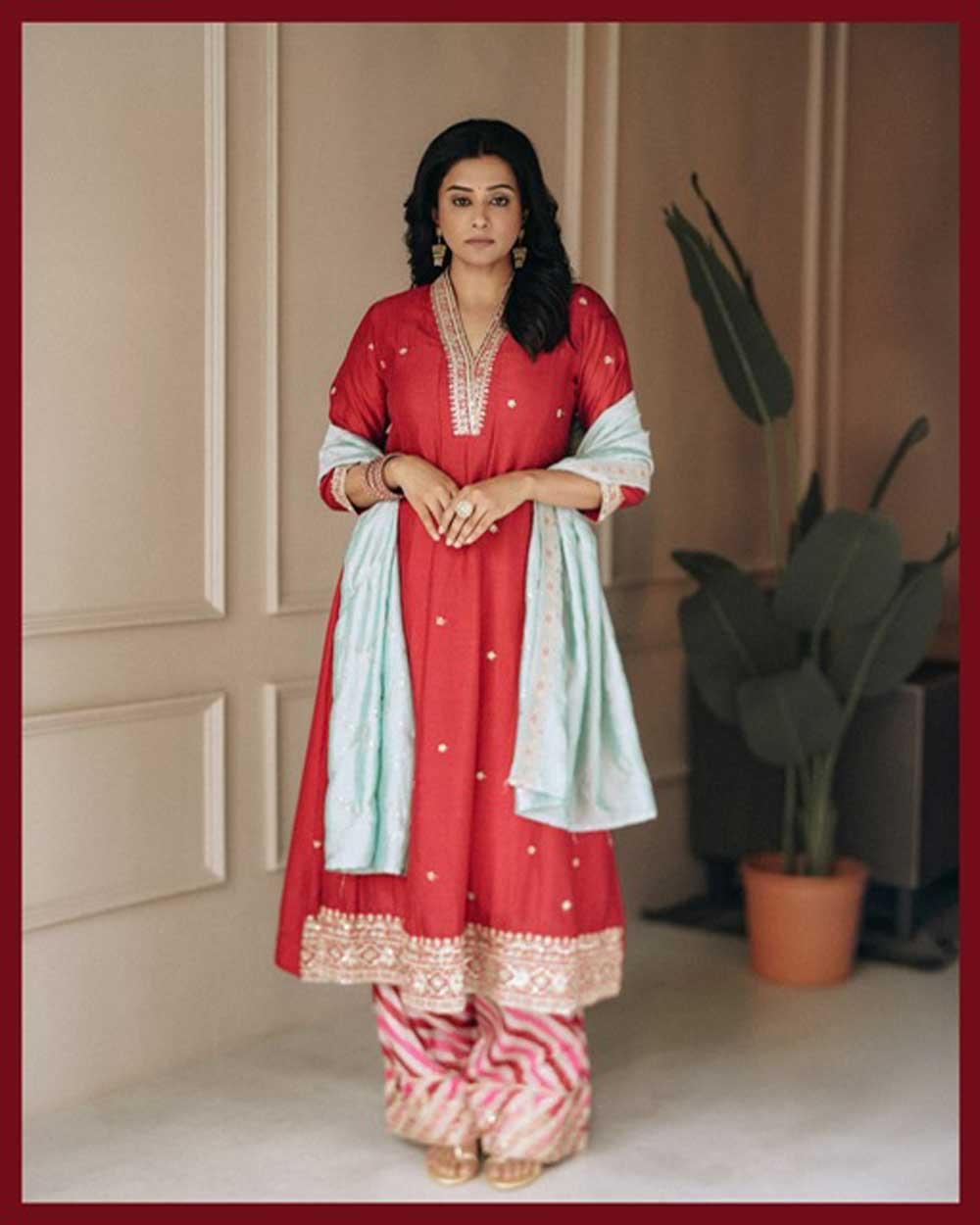
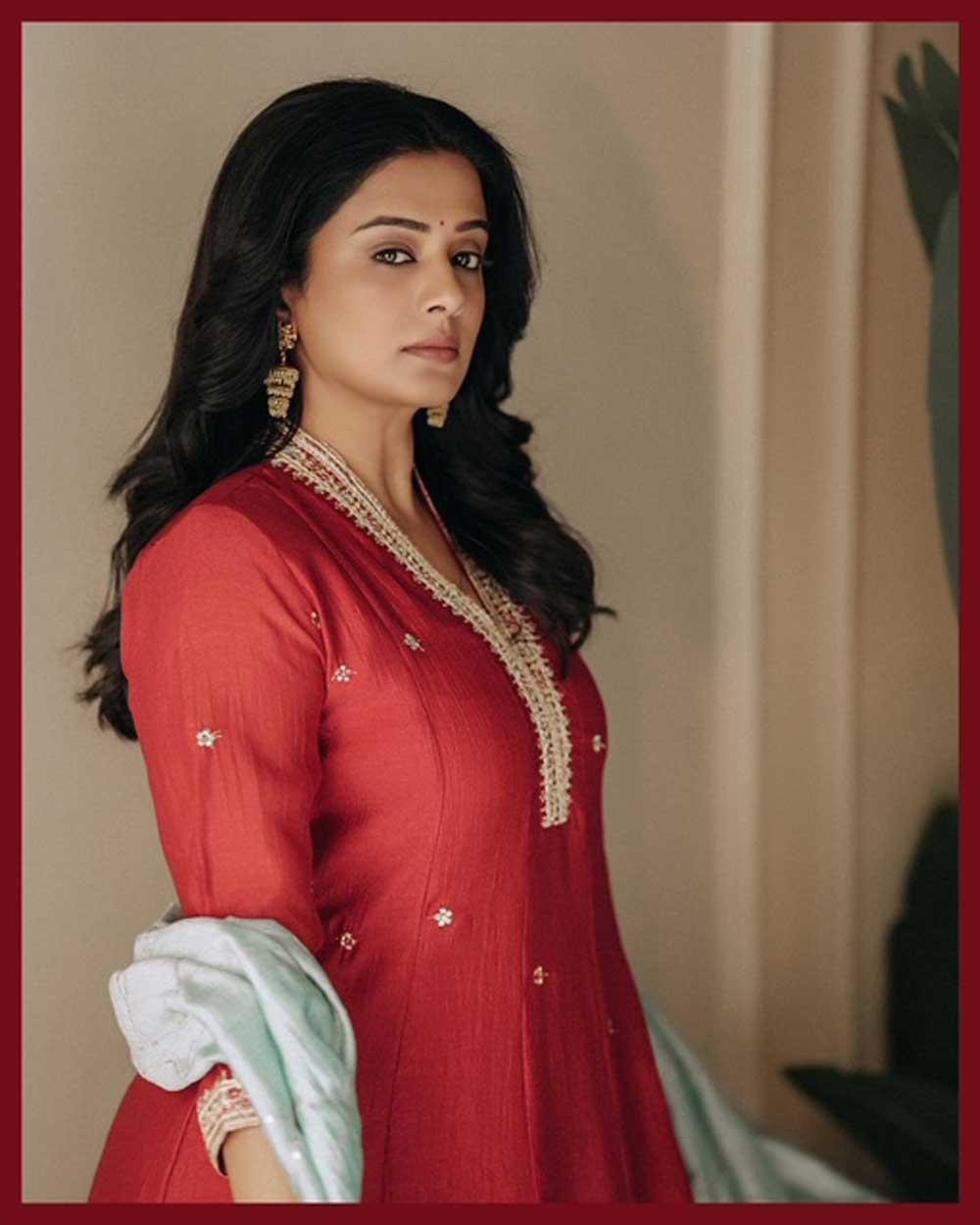
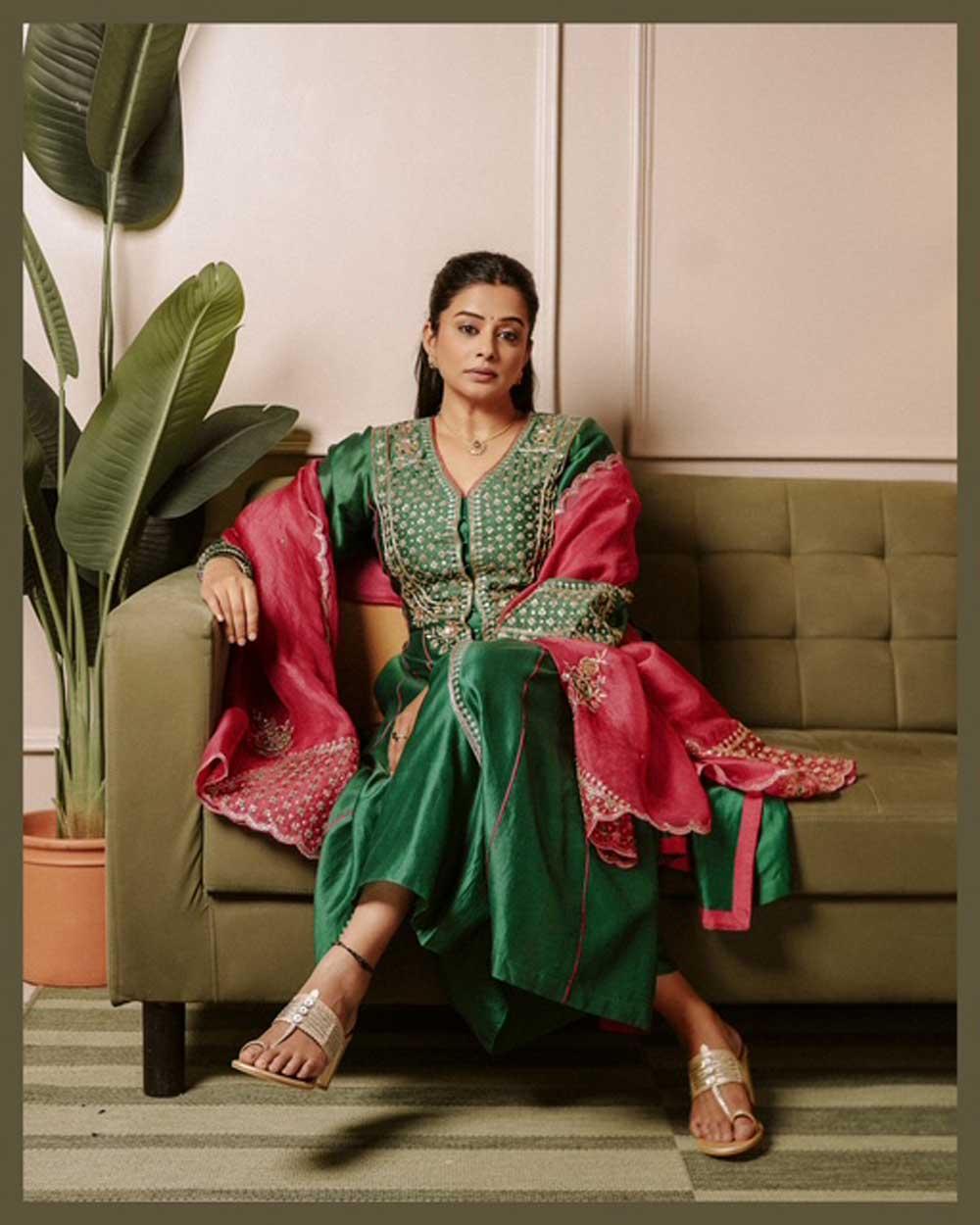
IN CONVERSATION WITH PRIYAMANI RAJ
BY: RISHINI WEERARATNE
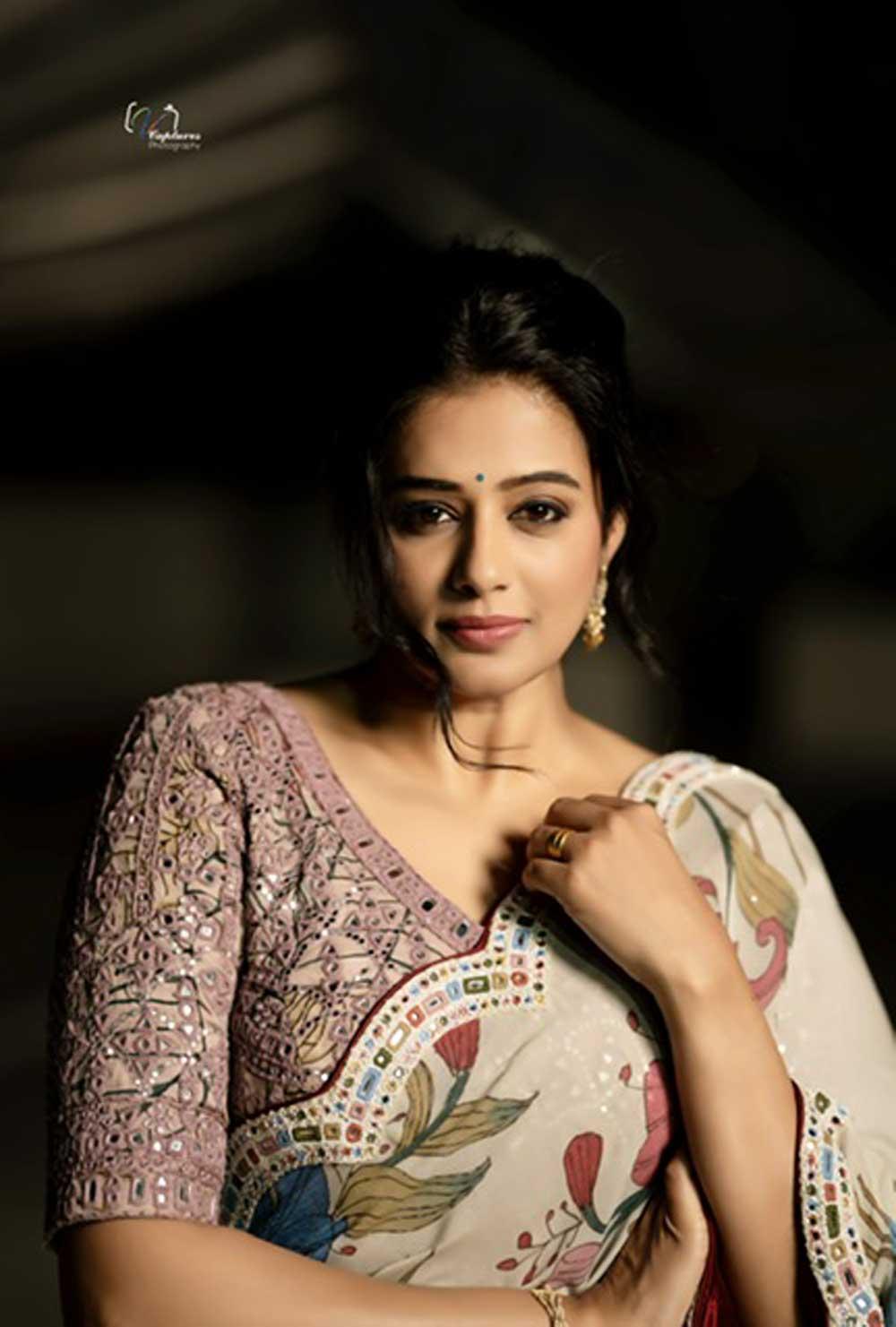
From an accidental introduction to cinema to becoming a National Film Award-winning actress, Priyamani has built an extraordinary career across Indian film industries. In this exclusive conversation, she reflects on her beginnings, the pressures of success, working with Shah Rukh Khan, her affection for Sri Lanka, the changing landscape of Indian cinema and her ambitions for Hollywood.
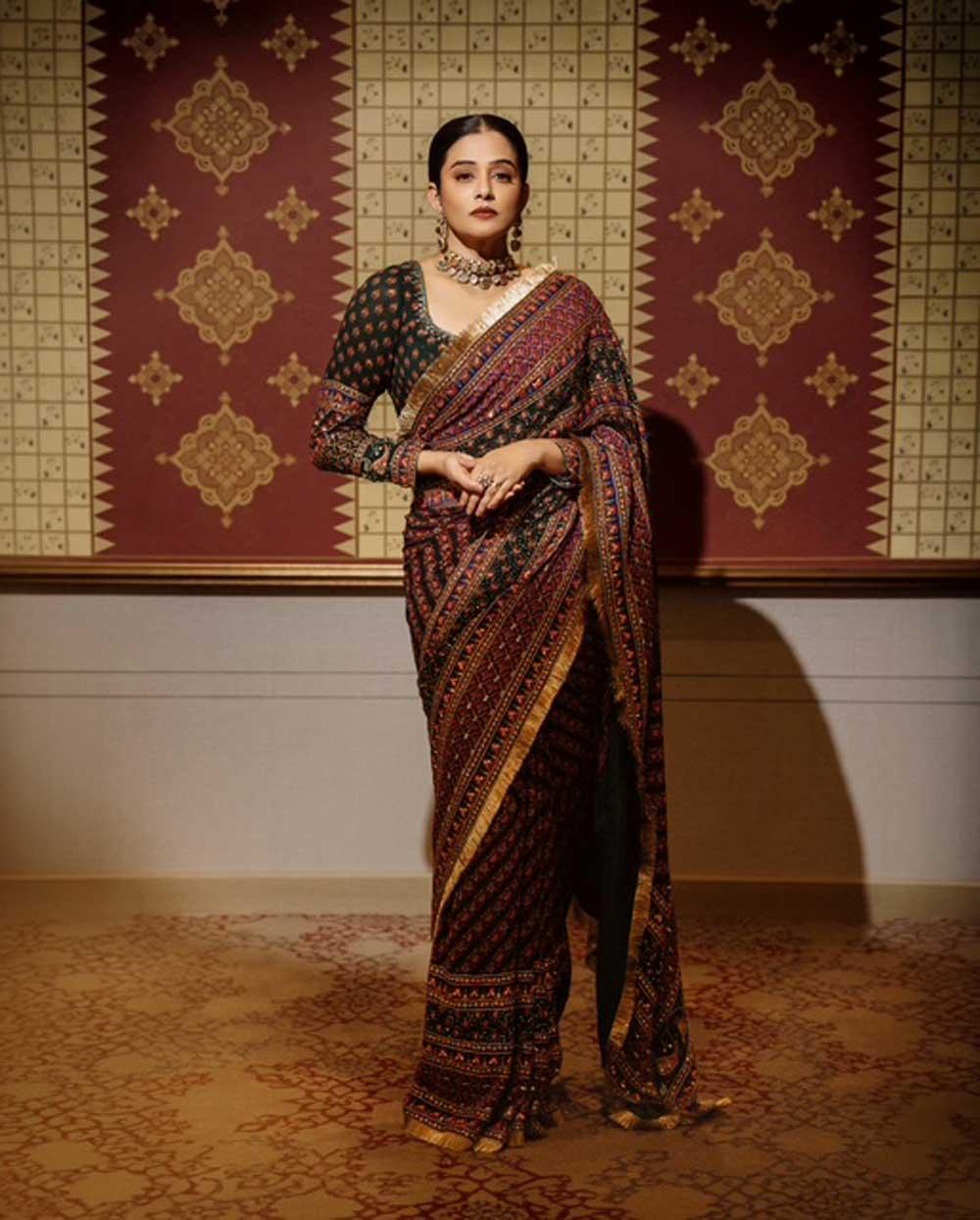
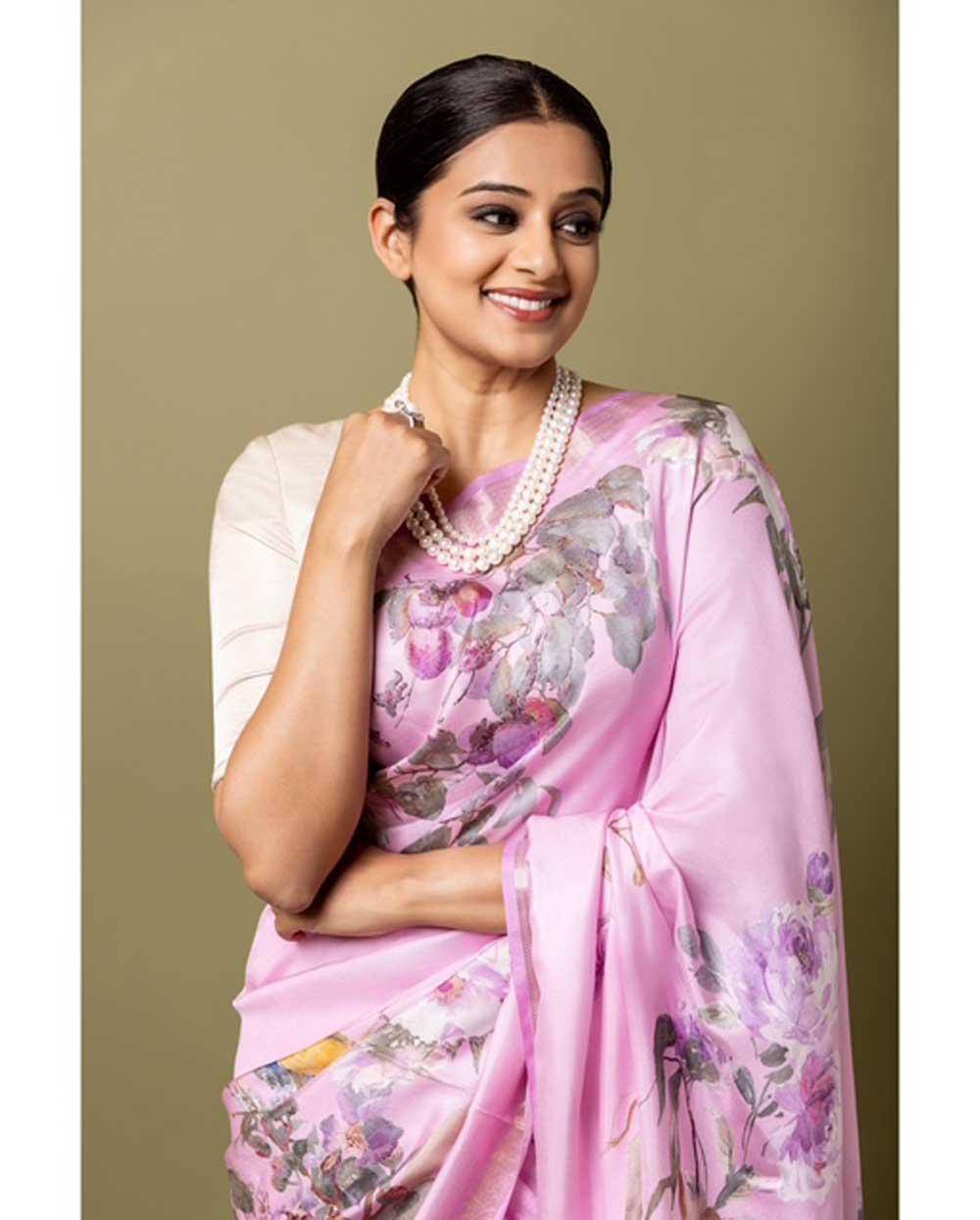
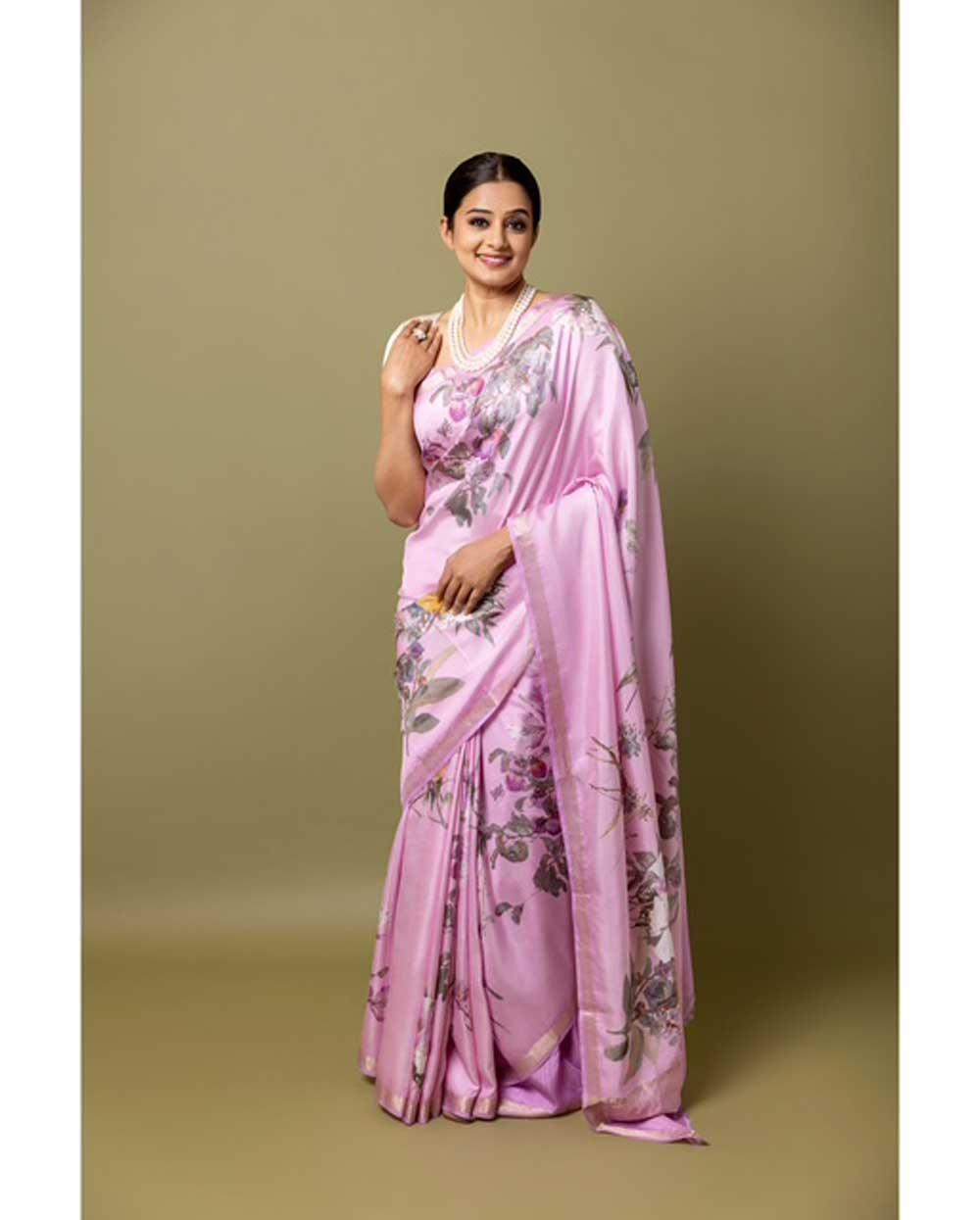
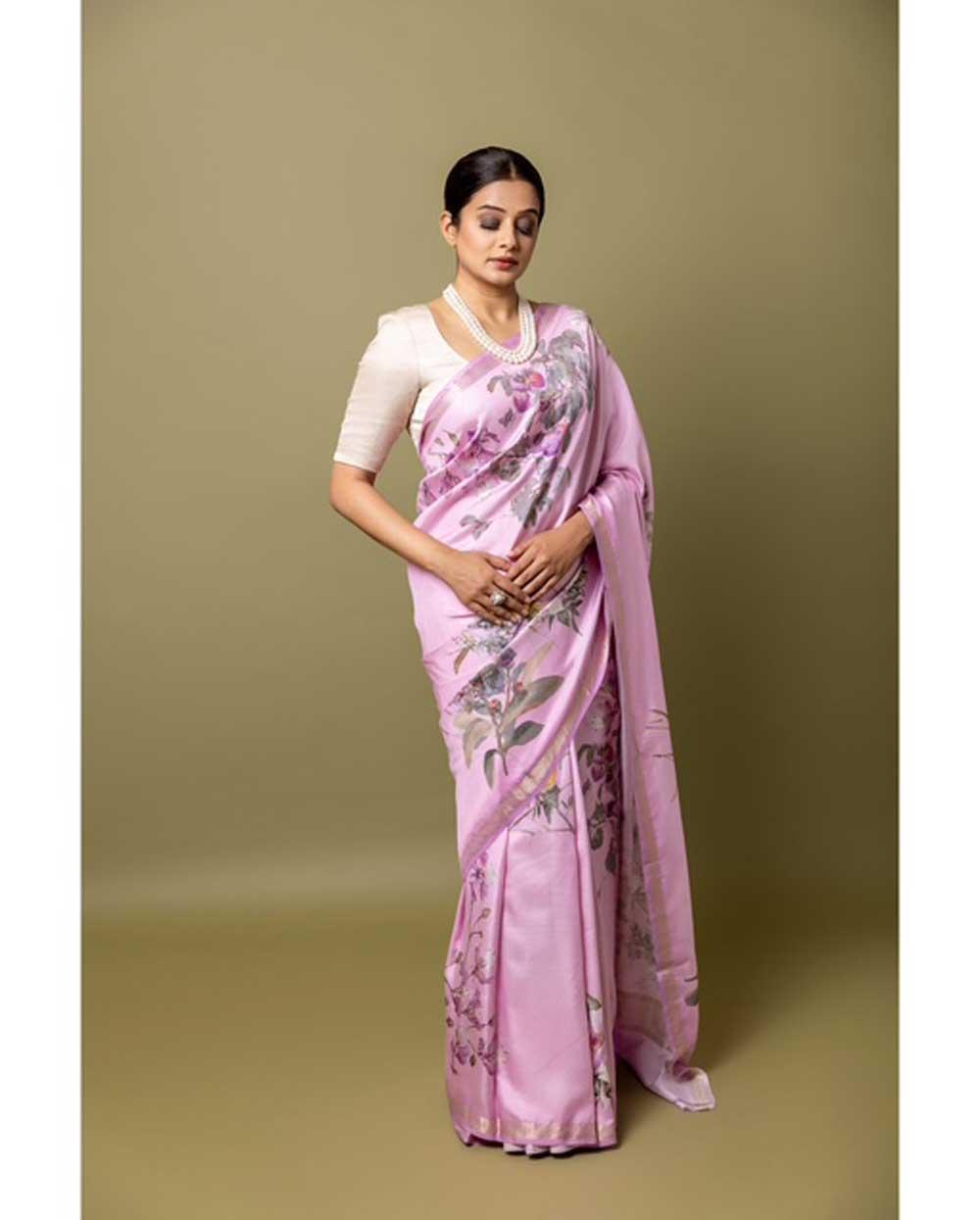
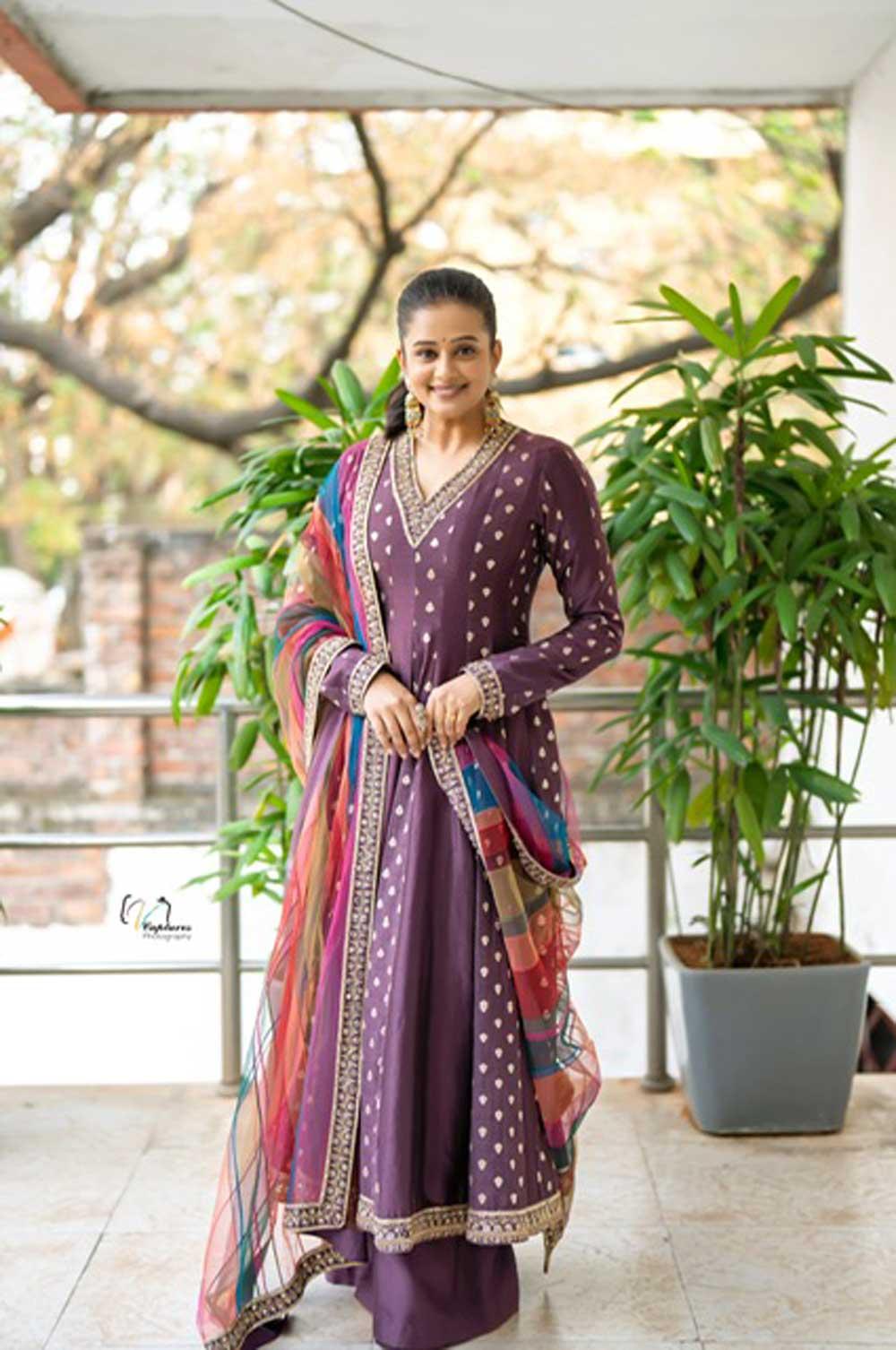
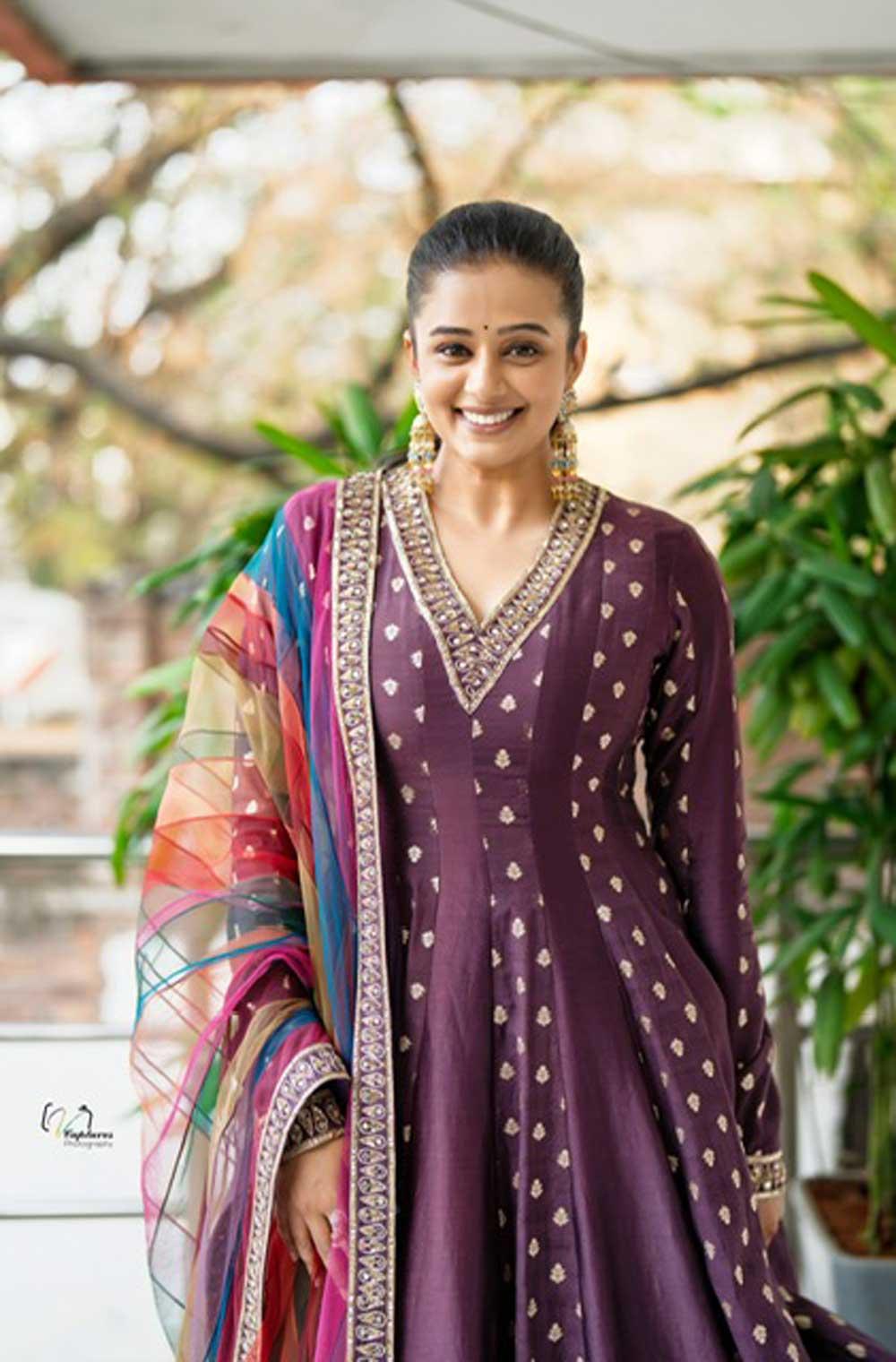
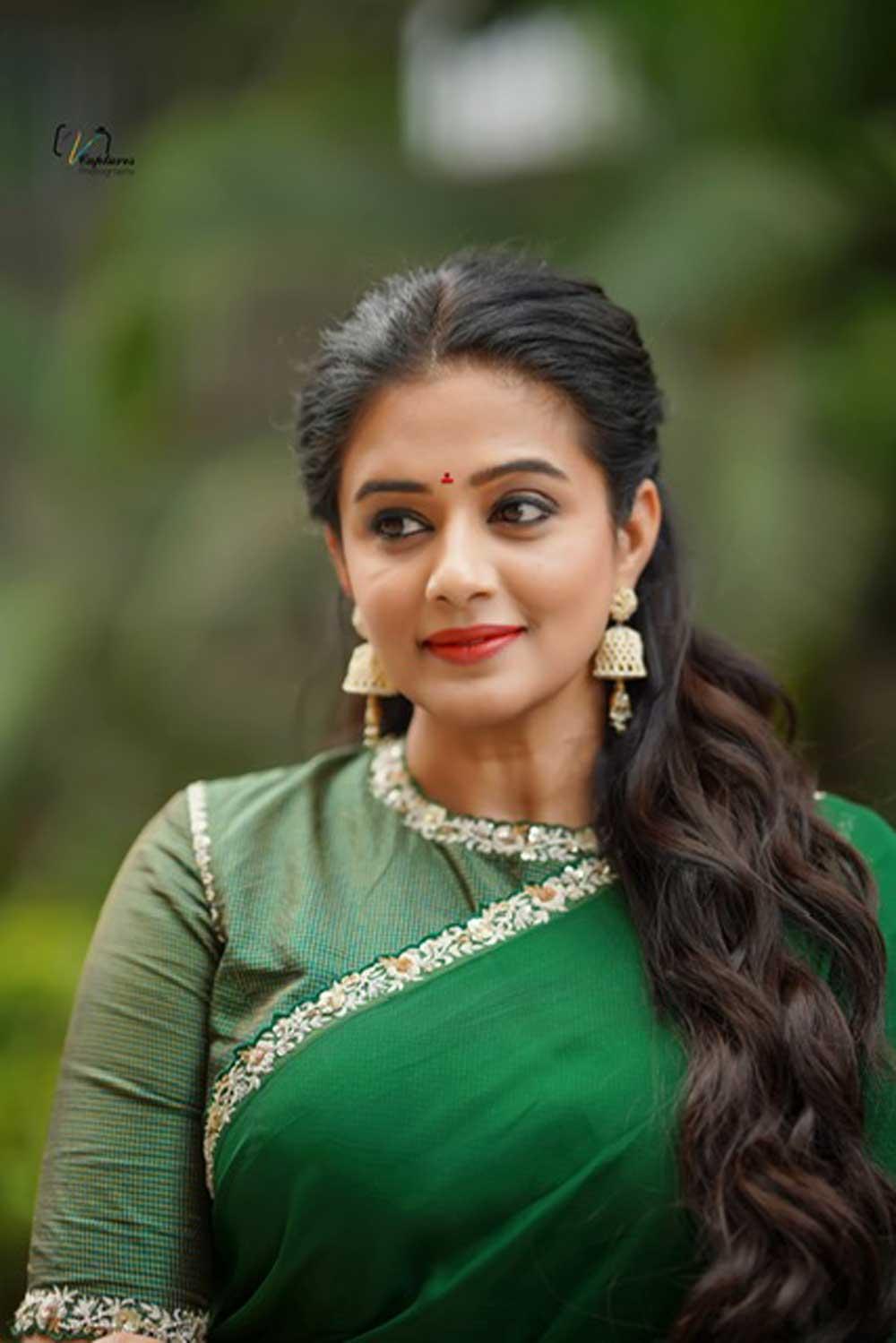
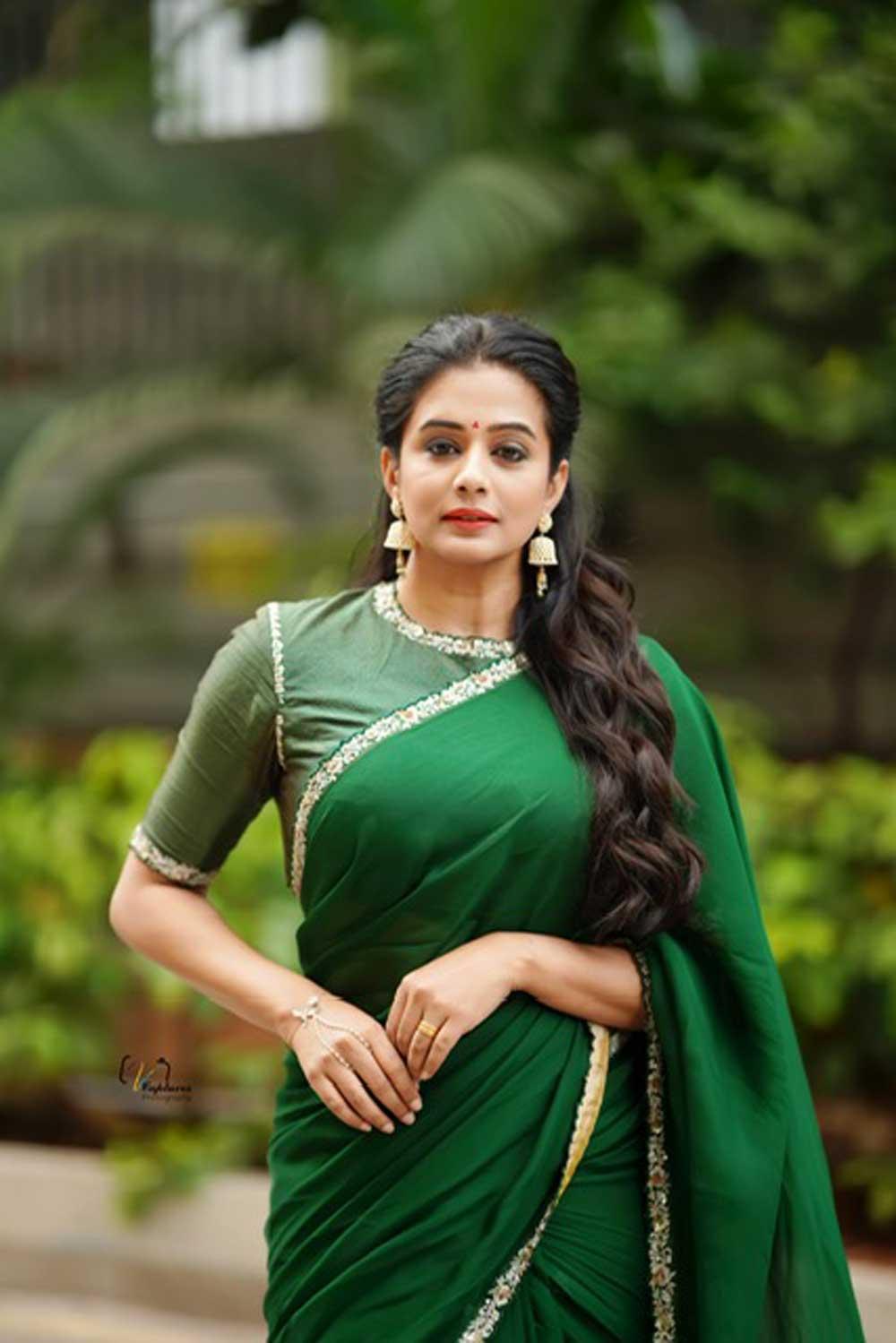
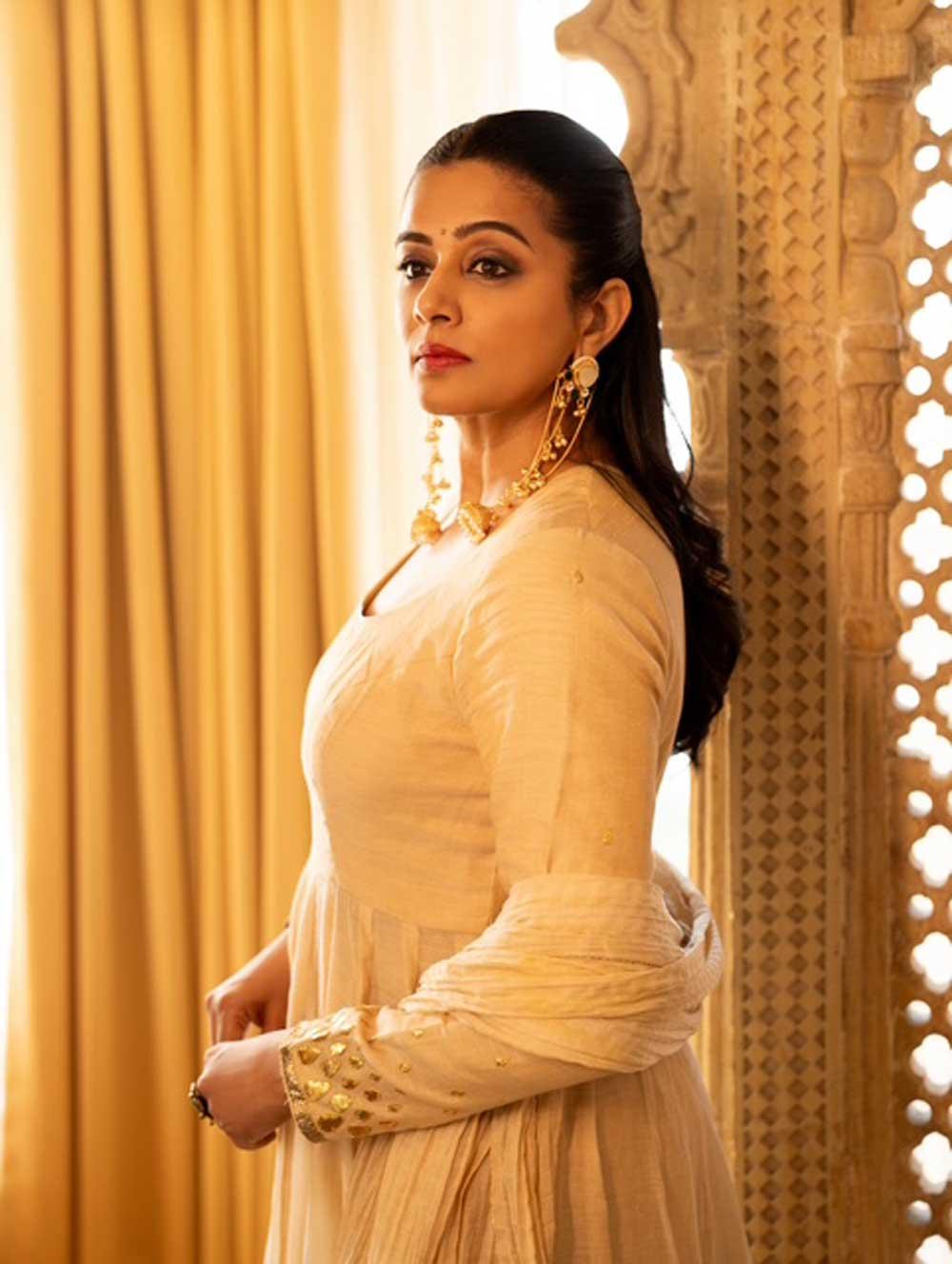
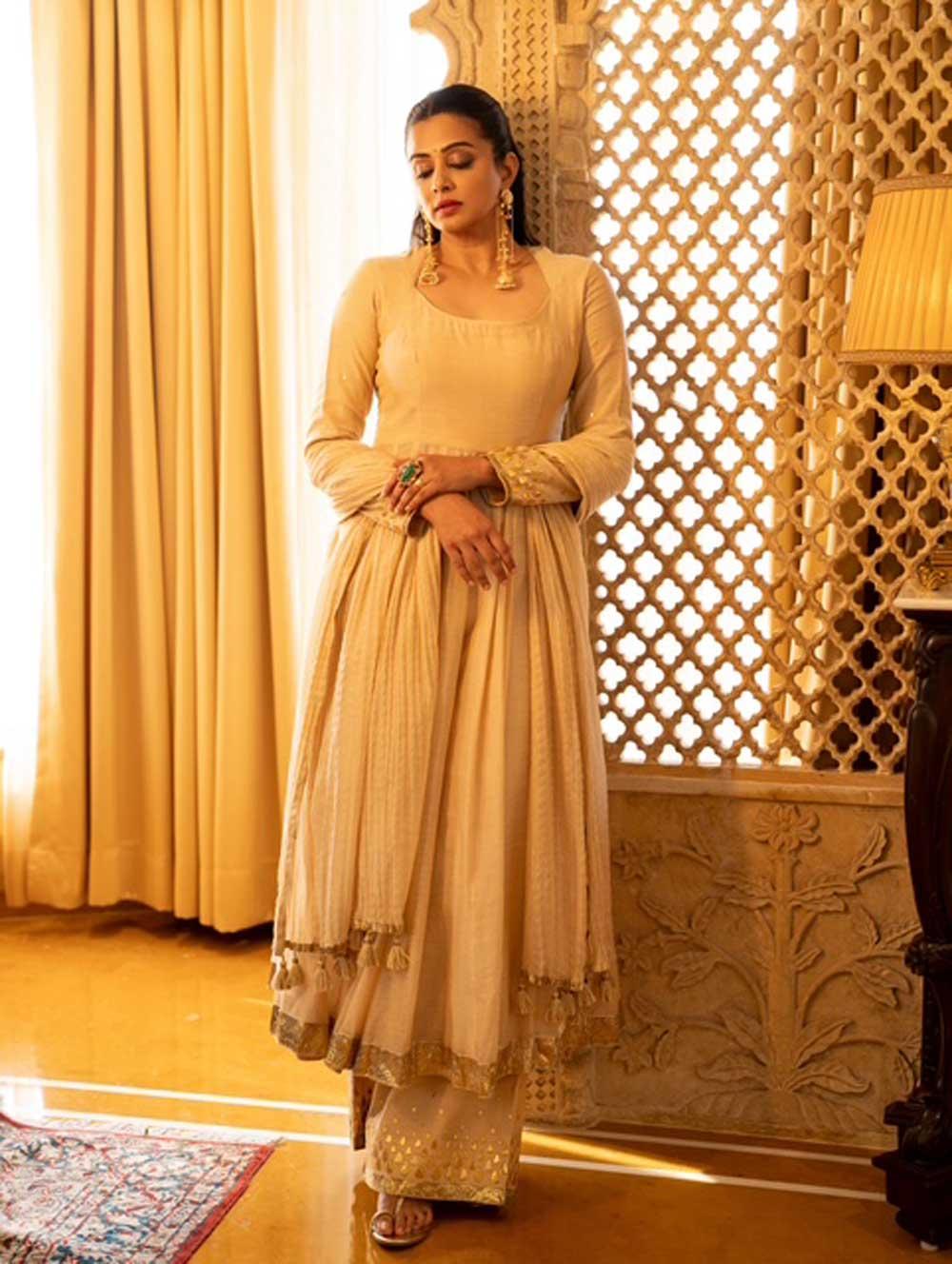
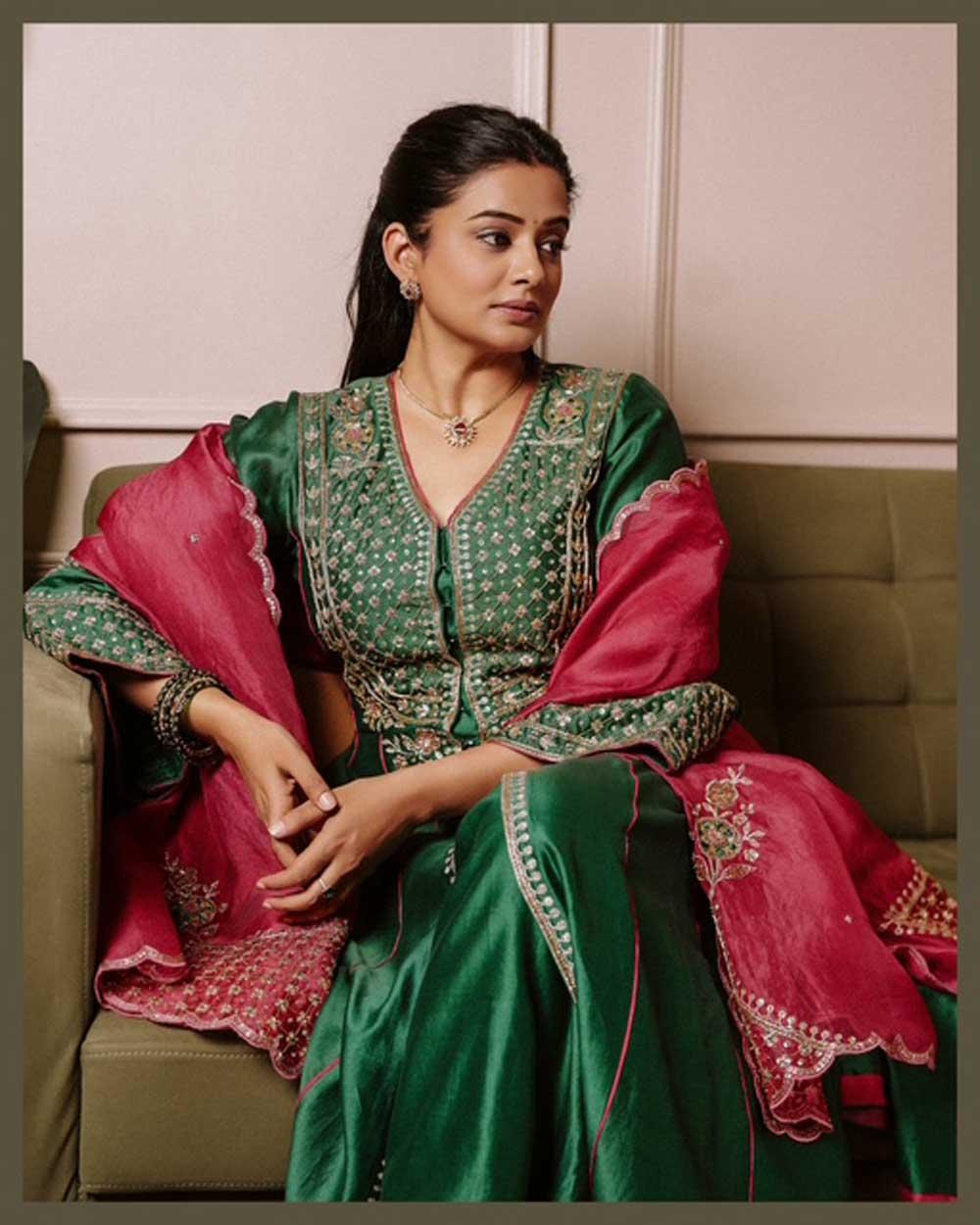
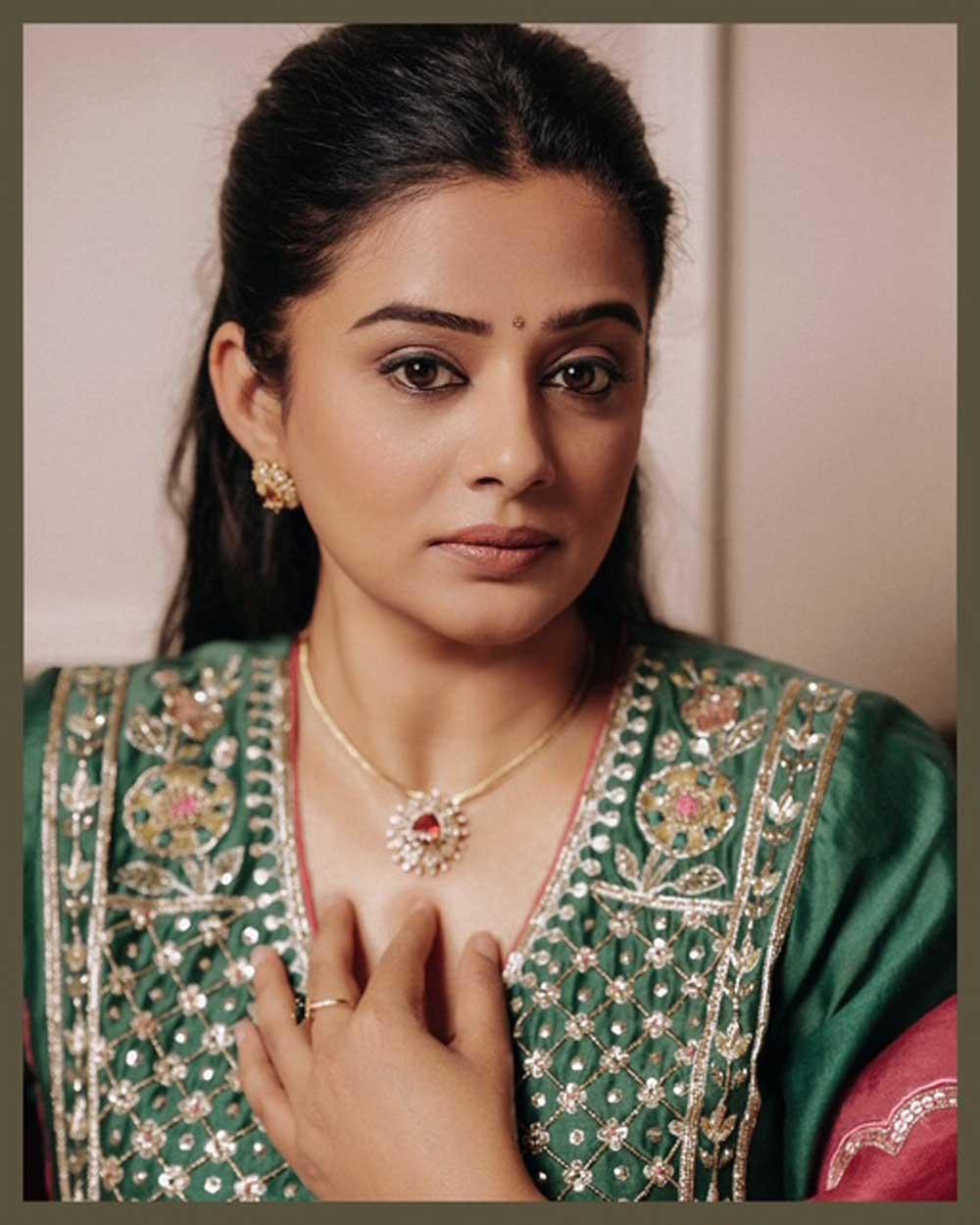
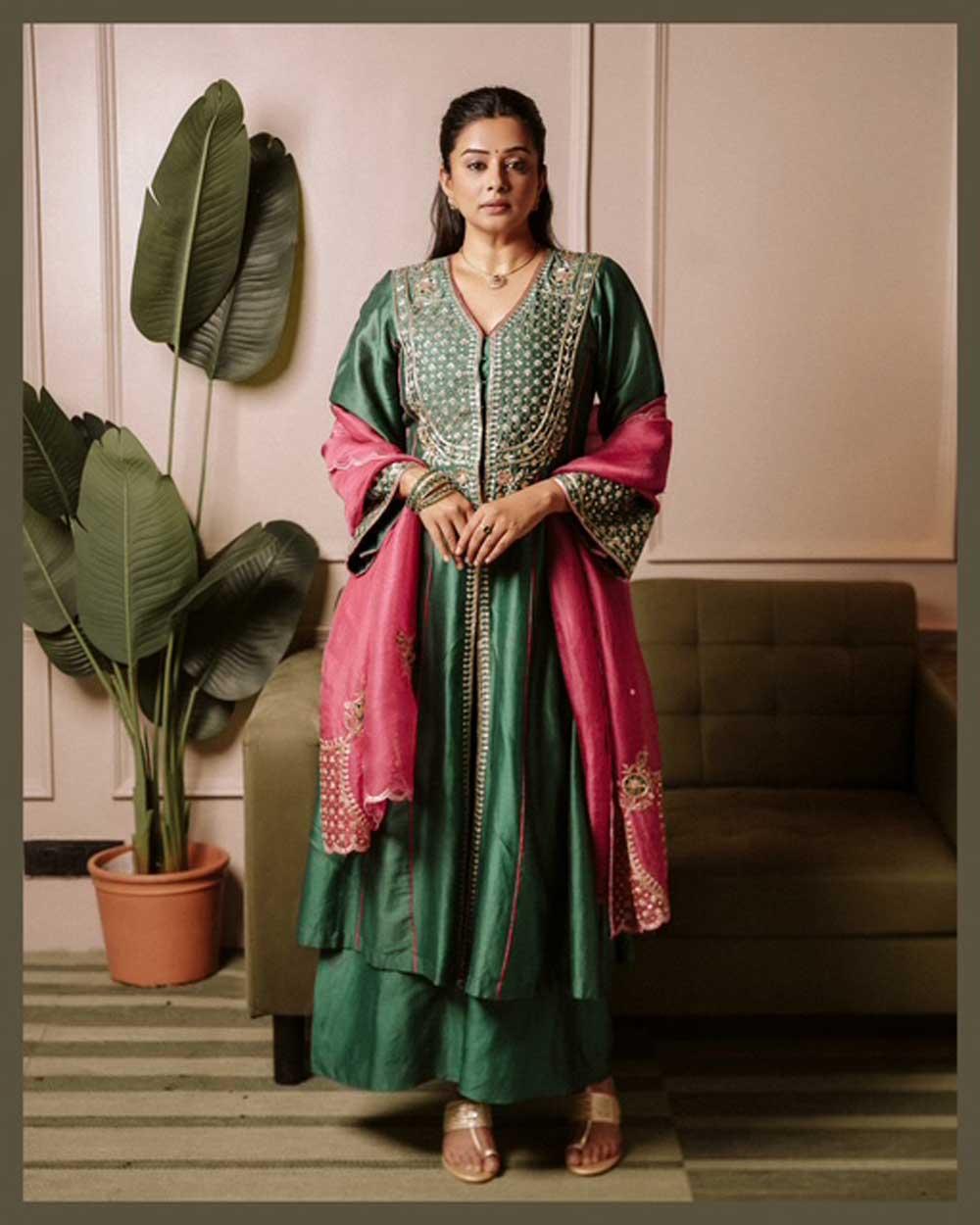
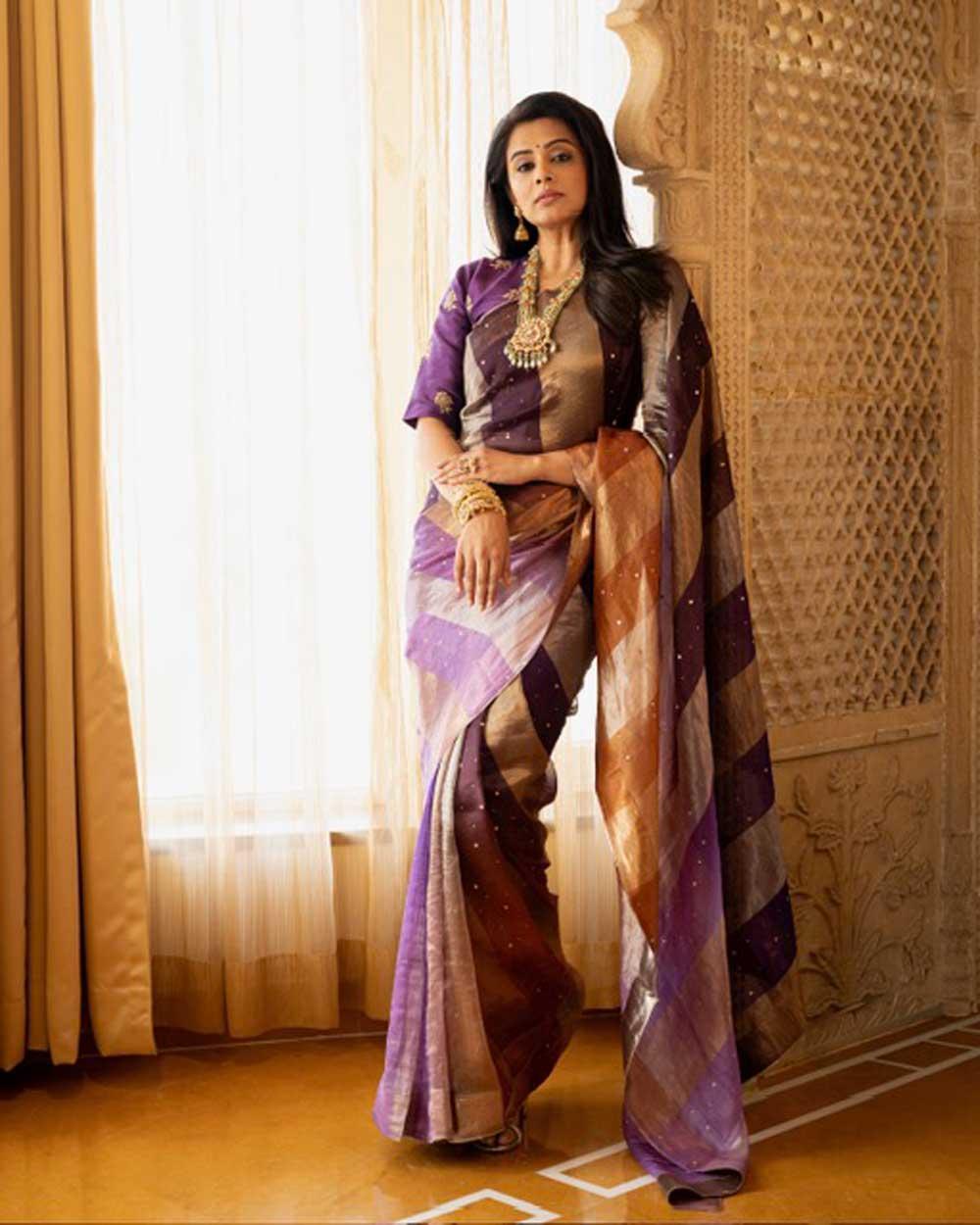
Some encounters feel wonderfully serendipitous, and meeting acclaimed Indian actress Priyamani Raj during London Fashion Week in September 2026 was certainly one of them. Our paths crossed at Indian designer Rocky S’s spectacular runway show, amid an atmosphere of fashion, creativity and effortless glamour. Introduced by Shefali Munshi, Founder of The Posh Rack, we instantly gravitated towards each other. Priyamani possesses that rare combination of warmth, kindness and positive energy that makes you feel as though you have known her for years. Impeccably dressed, exuding understated elegance and quiet confidence, she was impossible not to notice. Yet beyond her striking appearance, it was her genuine warmth, infectious laughter and refreshingly grounded nature that left the greatest impression. Having admired her remarkable body of work across Indian cinema, I was delighted by the opportunity to get to know the woman behind the celebrated performances. What followed was a wonderfully candid conversation about ambition, family, fame, reinvention, her special connection with Sri Lanka, Hollywood aspirations and the beautiful unpredictability of a life devoted to storytelling.
Take us back to the very beginning. How did Priyamani actually enter the film industry? Was becoming an actress something you actively pursued, or did cinema somehow find you?
It was during my college days in Bangalore, now Bengaluru, that I entered the modelling field, quite by accident, of course! I had replaced one of the girls for an intercollegiate competition. It was the first time I had worn different clothes and makeup and walked the ramp. I guess the modelling bug bit me then! I went straight home and informed my mother about it. The next thing I knew, I was speaking to my uncle, my mother's brother, who was the creative director of a very big advertising agency in Chennai. I then travelled to Chennai, met a leading modelling coordinator, had some professional portfolio photographs taken and began my modelling journey with several advertisements. One thing led to another. I was actually selected for a modelling shoot when the late director Bharathiraja saw my photographs. He called me to his office, arranged another photoshoot and eventually signed me for his movie. I never wanted to be an actor. But I guess this is my calling now, and I'm glad it called me and I answered!
Before your first film, what did you imagine life as an actress would be like? How different was the reality once you stepped onto a film set?
I never imagined myself becoming an actress because nobody in my immediate family was involved in acting. I remember walking onto a film set for the very first time, and interestingly, it was in Sri Lanka. We were there for approximately 35 days. That first day was incredibly nerve-racking because I was a complete newcomer. I had always imagined that the life of an actor was relatively easy, almost a cakewalk. But I was in for quite a surprise! Waking up in the early hours of the morning, shooting until late at night and sometimes managing only four or five hours of sleep made me realise how demanding this profession really is. There is so much work that goes on behind the scenes that audiences don't necessarily see. It was a completely new experience for me, but it also gave me a real understanding of the dedication required to be part of this industry.
Do you remember your very first day in front of a movie camera? Were you nervous, confident or completely overwhelmed? What did that experience teach you?
Of course I remember it! I had faced cameras before because of my modelling experience, but a movie camera was something entirely different. I was very nervous. You must also remember that we were shooting on film reels back then, unlike the digital world we live in today. We couldn't afford to make too many mistakes. We had a limited number of reels brought from India, and everything that was planned for the day had to be completed. Sometimes we were yelled at to get the shot right, obviously because everyone wanted the best possible result! But we also had plenty of fun between takes with the director and the entire unit. Looking back, it was a fantastic experience. It taught me about discipline, patience and the importance of working together as a team.
When you were starting out, who believed in you before the wider industry did? Was there someone who gave you an opportunity or a piece of advice that genuinely changed your path?
I think it was actually my paternal grandmother who encouraged my parents to allow me to give movies a try. My father initially had some reservations about me entering the film industry, which I can understand. But my grandmother was the one who really encouraged him to have a broader outlook and allow me to explore the opportunity. I think having that support from within the family was very important, especially because acting was not something I had originally planned for myself. Sometimes all you need is someone who believes that you should be given a chance, and my grandmother was that person for me.
Paruthiveeran transformed your career and ultimately brought you the National Film Award for Best Actress. Did you know while making it that this was going to be such a special performance?
Honestly, neither of us imagined that the movie would become such a runaway success while we were making it. We were all working on the film and giving it our best, but I don't think anyone could have predicted the kind of response it would receive. The film made the entire industry sit up and take notice, whether it was the acting, direction, story or the way the subject was presented. After a very long time, a rural subject was being discussed and appreciated at that level, not only in Tamil cinema but across the other South Indian film industries as well. I'm incredibly glad that I was part of that movie. Even today, people speak about the performances of both the leading actors, Karthi and me. For an actor, that kind of appreciation, especially so many years later, is something very special.
Winning a National Award is something many actors spend an entire career pursuing. When it comes relatively early, does it give you confidence, or does it create pressure to constantly prove yourself again?
Oh, no, no! It definitely comes with pressure! In fact, I would say that the pressure is still there. Once you have won a National Award, there is a certain expectation attached to your name. People expect you to maintain that standard, and naturally, you want to live up to it. Of course, receiving an award of that significance gives you confidence. It encourages you to take on better projects and challenge yourself with different roles. But at the same time, you have to continue working hard to uphold the recognition you have received. An award is a wonderful achievement, but it doesn't mean the hard work stops. If anything, it motivates you to keep improving and to continue proving yourself through your performances.
You've successfully worked across Tamil, Telugu, Malayalam, Kannada and Hindi cinema. When you look back, do you see yourself as a South Indian actress, a pan-Indian actress or simply an Indian actor?
Definitely an Indian actor! I actually don't like the term “pan-Indian.” I mean, we are all Indian actors working across different film industries. Whether someone works in Tamil, Telugu, Malayalam, Kannada or Hindi cinema, we are all part of the Indian entertainment industry. I have been fortunate enough to work across several languages and with so many talented people. For me, it has always been about the work, the stories and the opportunities rather than being identified by a particular region. I would much rather be recognised simply as an Indian actor.
Today, everybody uses the phrase “pan-India cinema.” You were crossing languages and industries long before that became a marketing term. What has changed most about Indian cinema?
I think storytelling has changed tremendously over the years. The way films are made has evolved, and of course, the budgets have changed significantly too. Just look at films such as Baahubali and KGF, for example. The scale of filmmaking today is extraordinary. We also have some amazing writers who are coming up with wonderful stories and different ways of presenting them. There is so much talent across all the industries, and it is fantastic to see people experimenting with different subjects and styles of filmmaking. Audiences are also being exposed to a much wider variety of content. I think it is a very exciting time for Indian cinema because there are so many talented people contributing to its growth.
Each South Indian film industry has its own culture and audience. What have Tamil, Telugu, Malayalam and Kannada cinema each taught you as a performer?
I wouldn't necessarily say that each industry has taught me something different as a performer. I would say they have taught me a great deal as a person. Every industry has its own culture, language, traditions and way of life. Working in different places has given me the opportunity to understand and appreciate those differences. You learn about the people, their customs and their traditions, and I think that is one of the most beautiful aspects of working across different industries. I'm genuinely grateful that I have had these experiences and that I am still learning. For me, that cultural exposure has been just as valuable as the professional experience.
Your appearance in Chennai Express introduced you to an enormous Hindi-speaking audience. What do you remember most about working with Shah Rukh Khan?
I remember EVERYTHING! From dancing with Shah Rukh Khan to playing Kaun Banega Crorepati on his iPad, winning 100 rupees from him and even having dinner in his vanity van on my last day of shooting! He hosted me for dinner, which was actually unit food, as a token of appreciation for being part of the song. Those are memories I will always cherish. He is one of the most hardworking people I have ever seen. Because it was his first time dancing to a South Indian tune, he put in that extra effort to understand the nuances of the dance and the energy that was required. He was completely committed to getting everything right. That is something I really admire about him. Despite being such an enormous star, he puts in so much effort. He is the best!
Projects such as The Family Man, Jawan and Article 370 brought another phase of national visibility. Did it feel like a second chapter of your career, or simply a continuation of the journey you had already been on?
Oh, definitely! You could call it Priyamani 2.0! I think I received all these projects after my marriage. So, I can most definitely say that my husband is my lucky charm! It has been a wonderful phase of my career, and I'm grateful that these opportunities have come my way. As an actor, you always hope that good work continues to find you, and it is lovely when different kinds of projects introduce you to new audiences. I see this as another exciting chapter in my journey. And now my journey continues with my husband by my side, which makes it even more special.
Sri Lanka has a particularly passionate audience for South Indian cinema, especially Tamil films. What has your experience been with Sri Lankan fans, and what does that affection from audiences across the Palk Strait mean to you?
I have always had a very special connection with Sri Lanka. My first movie was shot there, so the country has been part of my journey right from the beginning. We filmed in several beautiful locations, including Nuwara Eliya, Galle, Trincomalee, Colombo and Jaffna. We also had wonderful Sri Lankan actors in the film, including Kanchana Mendis and Sanath Gunathilake. I have experienced so much of the country, from visiting beautiful locations to tasting roadside food and meeting some truly wonderful people. The people of Sri Lanka have always been incredibly warm and welcoming towards me. Even today, I meet people who remember my work and show me so much love and appreciation. That affection means a great deal, and I will always be grateful for it.
India and Sri Lanka have deep cultural connections through cinema, music, language and shared traditions. Do you think entertainment can sometimes create connections between people in ways that politics cannot?
I think the entertainment industry is one of those industries that can connect anyone and everyone, regardless of where they come from or what walk of life they belong to. Cinema and music have a way of bringing people together. You don't necessarily have to come from the same country or speak the same language to appreciate a beautiful story or a wonderful performance. Entertainment creates a connection between people, and I think that is something very special. It is one of the reasons our industry has such a wide reach.
Have you spent much time in Sri Lanka? Is there something about the country, its people, food, culture or landscape that has particularly stayed with you?
Absolutely! As I mentioned, Sri Lanka will always hold a special place in my heart because it was where I shot my very first movie. I have wonderful memories of travelling around the country during filming. From Nuwara Eliya and Galle to Trincomalee, Colombo and Jaffna, I had the opportunity to see so many different parts of Sri Lanka. I remember trying roadside food, visiting beautiful locations and meeting people who were so welcoming. Working alongside Sri Lankan actors was also a lovely experience. What has stayed with me most is the warmth of the people. The love and appreciation I have received from Sri Lankan audiences over the years have been truly special. I will always be grateful for those memories and that connection.
Your work is watched by the South Asian diaspora far beyond India, from Sri Lankan and Indian communities to audiences in Britain, the Gulf, North America and elsewhere. When you meet those fans abroad, do they relate to your work differently from audiences back home?
I think Indian audiences living abroad naturally relate to our work because they are familiar with the culture, languages and stories. That connection is understandable. I haven't personally come across many non-Indian audiences who recognise my work, but that's absolutely fine. When it comes to meeting fans outside India, I don't find the experience very different from meeting fans back home. People are generally very respectful and appreciative. What I particularly appreciate is that they respect your personal boundaries. It's always lovely when someone recognises your work and takes the time to express their appreciation, wherever in the world you happen to be.
You also spend time between India and the United States. What does America give you personally that India perhaps doesn't, and what do you immediately miss about India when you're away?
Honestly, I come to the States primarily to spend time with my husband! The first thing I miss when I'm away from India is definitely home food. But then again, that's okay because we are all quite diet-conscious these days! America has millions of food options, and sometimes it is nice to try something new and different. I think travelling and spending time in another country gives you the opportunity to experience a different lifestyle. And America, as everyone knows, is a land of opportunities. So, who knows? Maybe Hollywood next!
When you're in the United States, does being physically removed from the Indian entertainment industry allow you to switch off and enjoy a more anonymous life?
I absolutely love the anonymity. Of course, occasionally you run into Indians who recognise you, and that's perfectly fine. But generally, being in the United States allows me to enjoy a little more privacy and go about my day without constantly being recognised. I think that's lovely. When you work in the entertainment industry, so much of your professional life is visible to other people. So being able to spend time with family, relax and enjoy everyday experiences without too much attention is something I really appreciate. I love that balance.
Indian actors today can have audiences in dozens of countries without ever making a conventional international film. Has streaming fundamentally changed what it means to be an Indian star?
I think we have to acknowledge the enormous impact that COVID19 had on the popularity of OTT platforms. During that period, streaming became such an important part of how people consumed entertainment. Suddenly, audiences could watch content from different languages and industries online at any time of the day. People who might not previously have watched films or series in a particular language began discovering them through streaming platforms. I think this has been wonderful for actors, filmmakers and the entire industry. Because of the many different platforms available today, so much talent has been recognised by a wider audience. People are much more open to watching different kinds of content, and that has created opportunities for everyone.
The Family Man was a major streaming success. What was different about working on a web series, particularly playing Suchi, compared with your experiences in feature films?
I think The Family Man was the first time I had worked on a series of that kind, and it certainly introduced me to a much wider audience. It was also my first experience working on something called a web series, so there were several things that were new to me. For example, we worked with sync sound, and sometimes two or even three cameras were filming simultaneously. I also had the opportunity to work with stalwarts such as Manoj Bajpayee and the fantastic director duo Raj and DK. The working hours were quite similar to those of a feature film, but the number of shooting days was fewer, which meant we had to complete much more work within a shorter period. We would shoot more scenes in a day compared with a feature film set, where the pace can sometimes be a little more leisurely. But a movie set is a movie set, and shooting a web series has its own unique experience. I thoroughly enjoyed being part of it.
With streaming platforms taking Indian stories around the world, are language and geography becoming less important when choosing a project? Could your next great role just as easily be in an international series?
Not at all! I don't think language or geography should be limitations. In fact, I think they can be advantages. We are living in a time when audiences are increasingly open to different languages, cultures and kinds of storytelling. That creates wonderful opportunities for actors to explore projects beyond the industries they may traditionally have worked in. I would certainly be open to an international series or project if the right opportunity came along. Who knows? Anything is possible!
We're seeing a fascinating moment for India on the global stage, not just economically but culturally, through cinema, music and storytelling. Do you feel the world is looking at Indian creative talent differently today?
I think brown is in now! And I mean that across all platforms. Indian cinema is being recognised globally, and Indian talent is receiving appreciation from audiences around the world. That is a wonderful development. We have so many talented actors, directors, writers and technicians across the different industries in India, and it is lovely to see their work being acknowledged internationally. I think this is just the beginning. There is so much more that Indian cinema and Indian creative talent can achieve globally. It's an exciting time to be part of this industry.
For decades, international audiences often treated “Indian cinema” as synonymous with Bollywood. Do you think the global success of South Indian films has finally begun to change that perception?
Better late than never, I would say! I think it is wonderful that audiences around the world are beginning to recognise the different film industries within India. But I would love to see even more recognition, not only for Bollywood or South Indian cinema, but for Indian cinema as a whole. We have extraordinary talent working across so many languages and industries. I hope Indian actors and Indian films continue to receive greater recognition internationally. For me, the important thing is that our work is appreciated and that Indian cinema continues to grow on the global stage.
What about Hollywood? Is that a genuine ambition for you? Would you specifically look for a role rooted in your Indian identity, or would you rather play a character where ethnicity isn't the defining feature?
I would absolutely love to do an international project! For me, ethnicity isn't a problem. I wouldn't want that to limit the kinds of roles I could explore. I would love to have an opportunity similar to what Priyanka Chopra achieved with Quantico and the international projects she has continued to work on.
She has really taken India to another level in terms of global recognition. It's wonderful to see an Indian actress achieving that kind of success internationally. I am certainly praying and hoping that a good Hollywood project comes my way. I think it would be an exciting experience, and I would love to explore that possibility.
After so many years in the industry, what are you still hungry for? Is there a filmmaker you want to work with, a genre you haven't explored, an international project, producing or perhaps something completely outside acting?
I'm still hungry to do good roles! And I don't think that hunger will ever really disappear. As an actor, there are always different characters you want to explore and different kinds of stories you want to be part of. There are so many fantastic directors, both in Hindi cinema and across the South Indian film industries, whom I would love to work with. I would also love to play the main antagonist in a movie. I think that would be very interesting because it would give me the opportunity to explore a completely different kind of character. And who knows? Maybe I might even venture into directing someday! There are still so many possibilities, and I think that is what makes this profession exciting.
Finally, if we were to have this conversation again five years from now, where would you like Priyamani to be? What would need to happen, professionally and personally, for you to look back and say, “Those were five extraordinary years?”
Five years from now, I might actually be retired from the industry! I might just be chilling, relaxing and enjoying life. Perhaps I will be looking back at all the wonderful movies I have been fortunate enough to do over the years. I think it would be lovely to revisit those memories and reflect on the journey. There have been so many experiences, so many wonderful people and so many moments that have shaped my career. Maybe I will simply be enjoying life and taking a trip down memory lane. Who knows what the next five years will bring?
--------------------------
As our conversation draws to a close, I find myself reflecting on the woman I first encountered amid the glamour of London Fashion Week. Priyamani is undoubtedly a celebrated actress, with prestigious accolades, memorable performances and a career that continues to evolve. Yet what stays with me most is her extraordinary warmth, humility and refreshing perspective on life. There is no sense of entitlement in the way she speaks about success, nor any suggestion that she considers her achievements a reason to stop learning. She remembers the grandmother who encouraged her, the uncertainty of her earliest days on a film set, the generosity of colleagues and the audiences who have embraced her across languages and borders. Her affection for Sri Lanka is especially touching. As someone who understands the cultural connections between our two countries, I find it heartening that her earliest cinematic memories are so closely intertwined with the island and its people. What I admire most, however, is her ability to embrace life's unpredictability.
Acting was never part of her original plan, yet it became her calling. International opportunities may lie ahead, directing remains a possibility, and retirement, she jokes, could be equally appealing. Perhaps that is the secret to Priyamani's enduring charm. She is ambitious without being consumed by ambition, confident without arrogance and successful without losing sight of the simple pleasures that make life meaningful. From our spontaneous meeting at Rocky S’s London Fashion Week show to this wonderfully candid conversation, one impression remains constant, behind the impeccable style and remarkable screen presence is a genuinely kind, positive and grounded woman. And whatever the next chapter holds, I suspect Priyamani will approach it exactly as she approached the unexpected opportunity that began her career; with curiosity, courage, laughter and an open heart.