If We Do Not Respect Ourselves, How Can We Expect Tourists to Respect Us?
By Yashmitha Sritheran
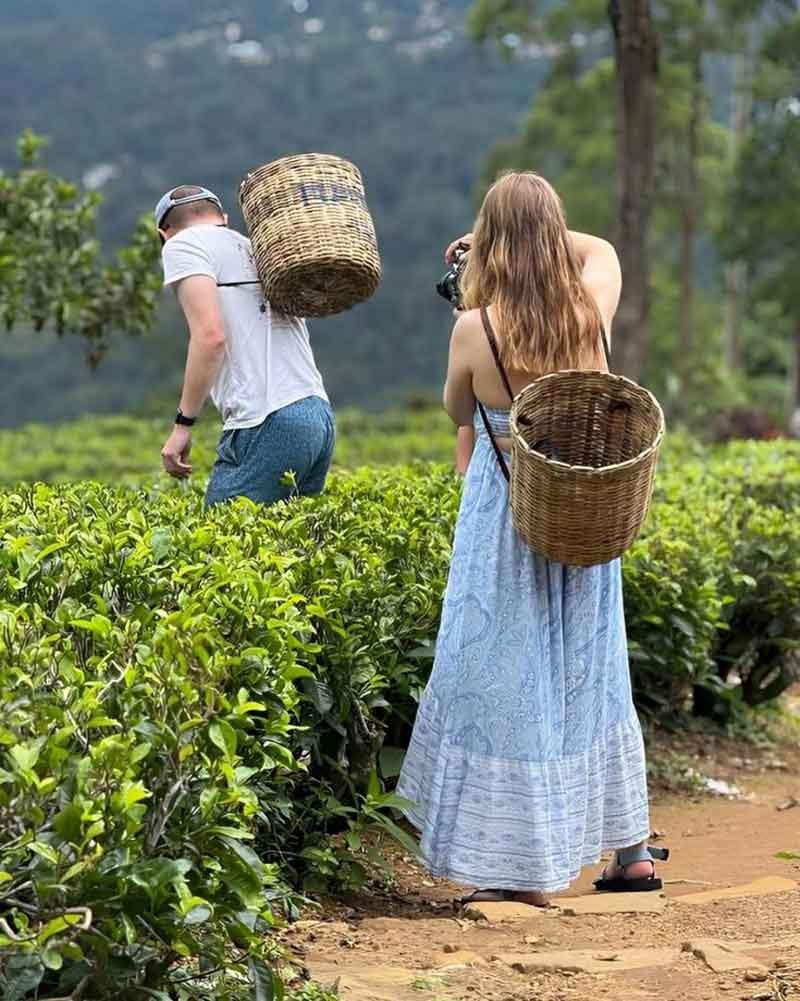
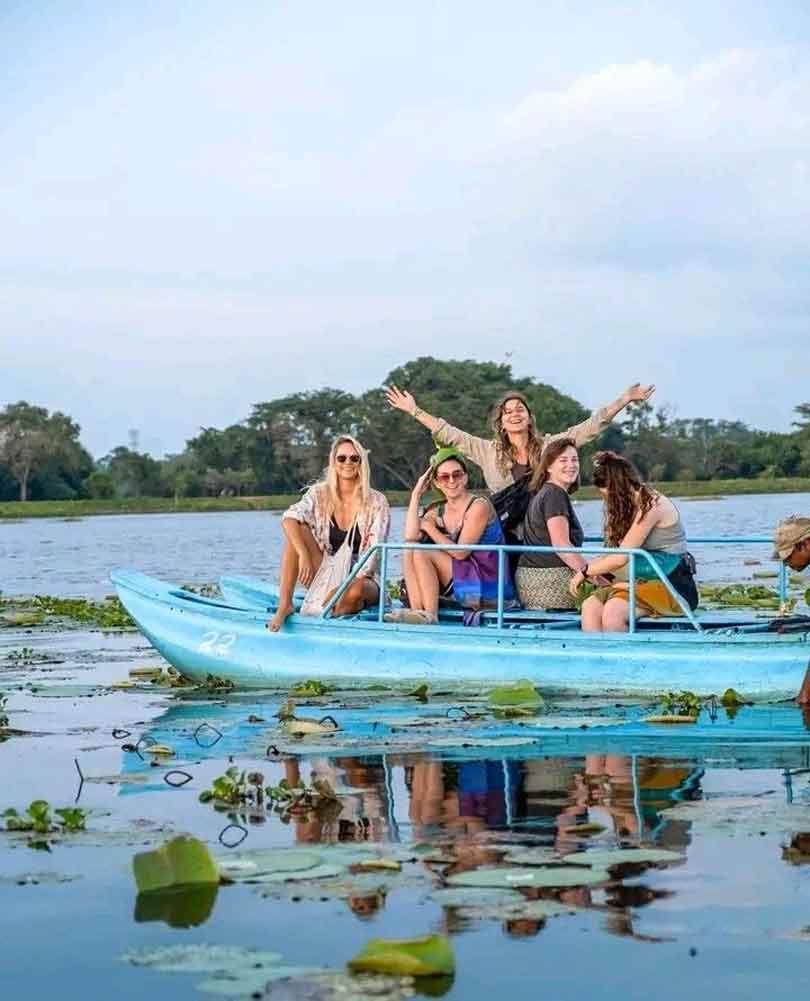
Sri Lanka is a country blessed with natural beauty, a rich culture, a proud history, and warm-hearted people. We welcome tourists from all over the world, and tourism plays an important role in our economy. However, there is an issue that deserves serious discussion: if Sri Lankans do not respect themselves and constantly place foreigners above our own people, how can we expect tourists to respect us?
Respect for others is important, but respect should not mean treating our own people as less important.
In many places, it is common to see shopkeepers, service providers, and even ordinary citizens giving immediate attention to tourists while making Sri Lankan customers wait. Sometimes, a foreign visitor enters a shop, and suddenly everything becomes more important. The local customer who has been waiting is ignored or asked to wait longer. This may happen because the shopkeeper believes that a tourist has more money, will spend more, or deserves special treatment. While providing good service to tourists is important, treating local customers as second-class customers is not a sign of good hospitality.
Tourists do not necessarily respect us more because we give them special privileges. In fact, excessive subservience can create the opposite impression. When we behave as though a foreigner is automatically more valuable than a Sri Lankan, we send a message about how we see ourselves. We appear to be seeking approval rather than welcoming visitors with confidence and dignity.
There is nothing wrong with respecting tourists. They have travelled a long distance to experience our country, and they deserve kindness, honesty, safety, and good service. Sri Lanka should absolutely maintain its reputation for hospitality. But hospitality should come from self-respect, not from an inferiority complex.
A confident Sri Lankan shopkeeper should be able to serve a tourist warmly while also treating a Sri Lankan customer with equal courtesy. If two customers arrive at approximately the same time, the person who arrived first should normally be served first, regardless of nationality. If a tourist has a genuine urgent need, of course, flexibility is possible. But nationality or skin colour should not automatically determine who receives better treatment.
The problem becomes even more serious when Sri Lankans themselves encourage the idea that foreigners are superior. Sometimes we hear people say, “He is a foreigner, so give him the best,” or “Tourists have dollars, so keep them happy.” This attitude may be understandable from a purely economic perspective, but it can gradually damage our sense of dignity.
We must remember that Sri Lankan customers also contribute to businesses. A local person buying food, clothing, transportation, accommodation, or other services deserves to be treated with respect. A country's economy cannot depend only on how much attention it gives to visitors. Local people are part of the community that keeps businesses alive throughout the year.
There is also a difference between good customer service and unnecessary special treatment. A professional business should welcome everyone, communicate clearly, provide fair prices, maintain quality, and solve problems efficiently. Tourists should not be cheated, harassed, or treated badly simply because they are foreigners. At the same time, Sri Lankans should not be overcharged, ignored, or pushed aside simply because they are locals.
True hospitality means saying, “You are welcome in our country,” not, “You are more important than us.”
Sri Lanka has a culture that has survived for thousands of years. Our ancient kingdoms, architecture, literature, traditions, languages, food, religions, arts, and customs are valuable parts of our identity. We should be proud of these things without becoming arrogant. Self-respect does not mean disrespecting foreigners. It means knowing that we are equally deserving of dignity.
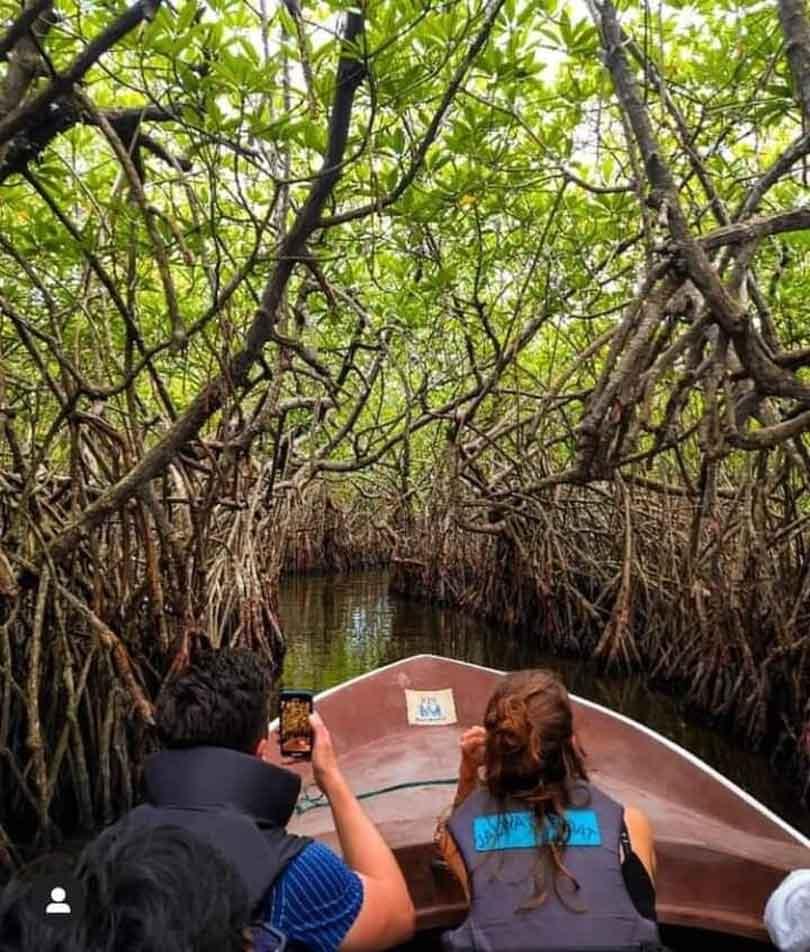
Tourists also appreciate authenticity. Most visitors do not travel to Sri Lanka because they want to see Sri Lankans behaving like servants. They come because they want to experience Sri Lankan culture, nature, history, food, traditions, and people. A confident and respectful local population can make their experience much more meaningful.
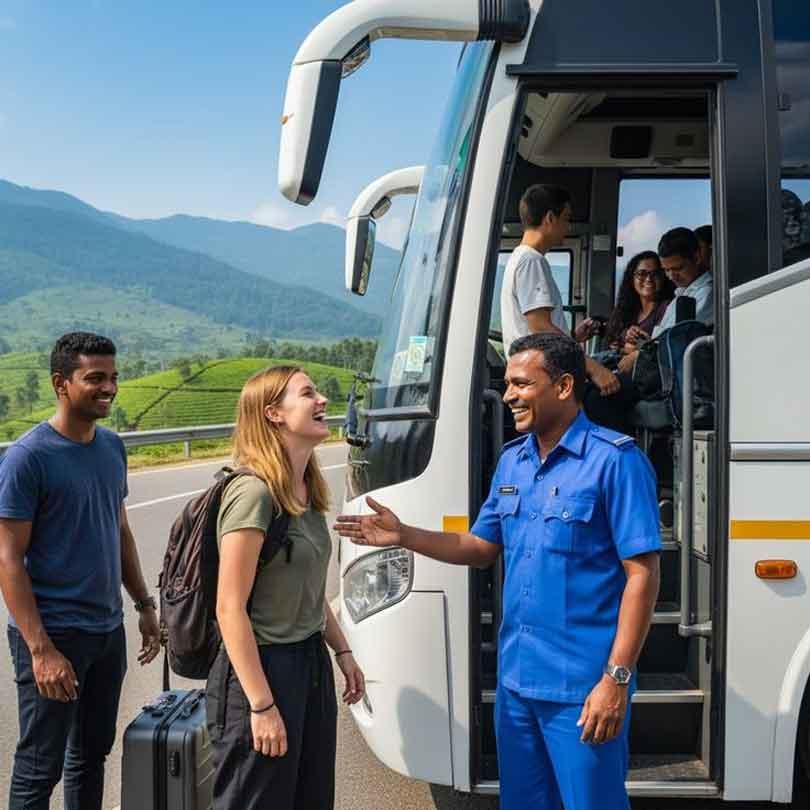
We should therefore teach our children that being Sri Lankan is not something to feel inferior about. Speaking English is useful. Learning about other cultures is valuable. Working with foreigners is beneficial. But none of these things requires us to believe that foreign people are automatically better than us.
Businesses also have a responsibility. Staff should be trained to provide consistent service to all customers. Clear pricing should be displayed wherever possible. Tourists should receive assistance because they may be unfamiliar with the country, not simply because they are foreigners. Local customers should receive the same basic level of courtesy and professionalism.
At the same time, Sri Lankan customers must also demand respectful treatment without creating unnecessary hostility toward tourists. The answer is not to blame foreigners. A tourist who receives preferential treatment may simply be accepting the service offered to them. The deeper problem is our own behaviour and the beliefs behind it.
We need to change the mindset that says foreign equals superior and local equals inferior.
Sri Lanka can be a welcoming nation without becoming a nation that forgets its own people. We can give tourists excellent service without humiliating ourselves. We can appreciate foreign cultures while proudly protecting our own. We can be generous hosts while maintaining our dignity. Ultimately, respect is not something we should beg tourists to give us. It begins with how we treat ourselves and one another. If Sri Lankans learn to respect their own people, value their own culture, demand fairness, and treat every customer with dignity, tourists will see a country that respects itself. And a country that respects itself is far more likely to earn genuine respect from the people who visit it. Welcome tourists. Serve them well. Be kind to them. But never believe that being a foreigner makes someone more valuable than being a Sri Lankan.