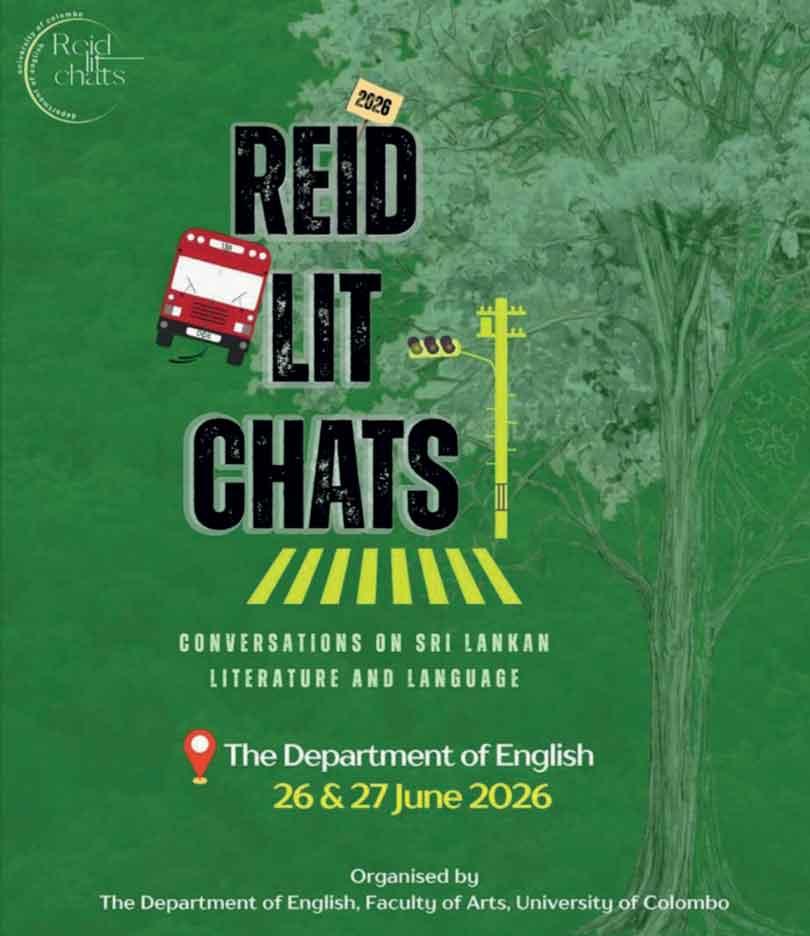
Reid Lit Chats 2026 WHERE REID AVENUE BECOMES A LIVING LITERARY CROSSROADS
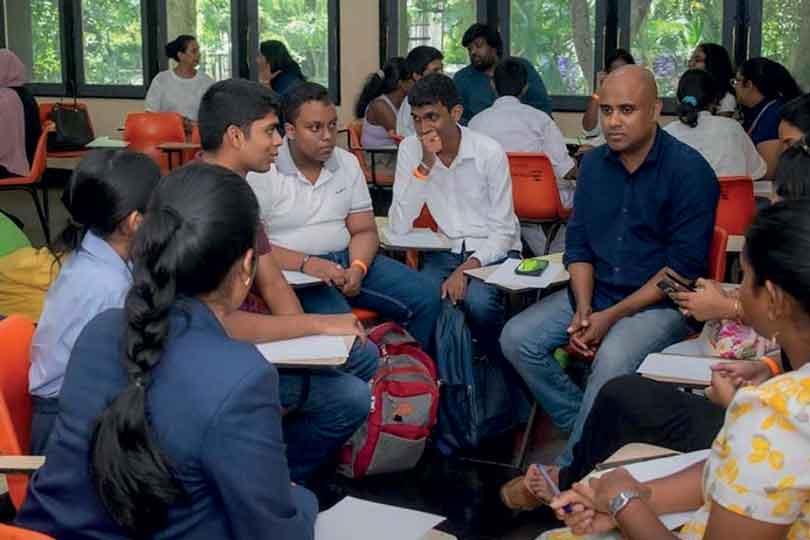
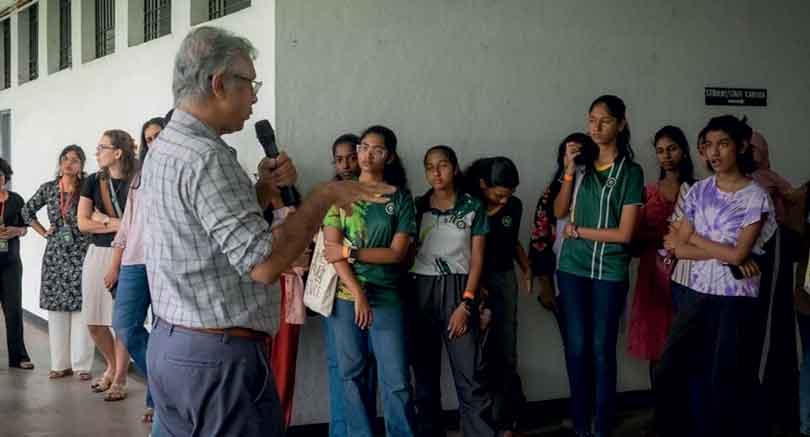
On the evenings of June 26 and 27, Reid Avenue will once again transform into something more than a university corridor. Voices will spill from lecture halls into corridors. Books will change hands.
Conversations will drift between strangers. For two days, one of Colombo’s busiest academic thoroughfares will become a living literary crossroads. It is fitting, perhaps, that the festival takes its name from the avenue itself.
Reid Lit Chats, now returning for its second edition on June 26 and 27, was named by the students who created it. The name captures the festival’s philosophy perfectly. Literature here is not treated as something sealed within classrooms or confined to the pages of books. It is something spoken about, argued over, questioned, shared, and lived.
That ethos has quickly made Reid Lit Chats one of the most exciting additions to Sri Lanka’s literary calendar. Organized by the Department of English at the Faculty of Arts, University of Colombo, the festival emerged from a simple but increasingly urgent belief: literary culture should be accessible to everyone.
In recent years, literary festivals have flourished across the world. Yet many have also become exclusive spaces, often
expensive and inaccessible to students and young readers.
Reid Lit Chats was conceived as a response.
From its inception, accessibility has been central to the festival’s identity. While public passes remain available at concessionary rates, school and university students are granted free entry, ensuring that young people remain at the heart of the experience.
Yet affordability is only one part of the story.
What distinguishes Reid Lit Chats is that it emerges from a university department rather than a commercial platform. The festival offers a rare glimpse into the intellectual
life of the humanities, making visible the scholarship, creativity, and curiosity that often remain hidden behind classroom doors.
“The structure of the festival makes visible, for a public audience, the scholarship and practice of literature and language
in accessible formats,” Prof. Neluka Silva says. The result is a programme that moves fluidly between conversations, workshops, performances, screenings, and interactive sessions.
At a time when speed often takes precedence over reflection, such spaces feel increasingly necessary. Literary festivals have traditionally served as gathering places for ideas. They allow people to pause, listen carefully, encounter unfamiliar perspectives, and engage in conversations that extend
beyond social media soundbites or algorithm-driven debates.
Across two days, audiences will encounter authors, translators, poets, academics, filmmakers, researchers, and students exploring questions of identity, memory, language, politics, history, and storytelling.
For Senior Lecturer Ruhanie Perera, these encounters represent something fundamental to the value of literary education itself.
“If by ethical citizens you mean critical thinkers engaging with the world around them through curiosity and questioning, this is the foundation of an arts and humanities education,” she says.
In an era where educational success is often measured through employability
statistics and performance metrics, literary inquiry can appear increasingly difficult to quantify. Yet Reid Lit Chats challenges that logic.
The festival offers an alternative vision of learning, one where literature is not merely studied but experienced. “I think the festival structure has proved to be one that works in terms of taking the curriculum out of classrooms and encountering literature in the form of living, breathing literary figures, spirited debates by academics and researchers, student moderators for panel discussions, and student-led activities,”
Perera explains. Perhaps nowhere is this philosophy more visible than in the festival’s remarkable student leadership. Unlike many cultural events where students participate primarily as audiences, Reid Lit Chats places them at the centre of the organizational process. Final-year students of the Department of English lead teams responsible for publicity, fundraising, scheduling, registrations, social media, décor, school outreach plans, and the festival’s beloved book exchange initiative, GabTab (Give-a-Book, Take-a-Book).
This year, approximately fifty student volunteers are involved in bringing the festival to life.
“Our students tend to be creators rather than consumers,” Perera says.
That distinction feels important.
Every detail, from the social media campaigns to the visual identity of the event, carries traces of student creativity.
The programme for 2026 reflects the
organisers’ ambition to broaden the scope of those conversations even further.
This year’s keynote address will be delivered by Kanya D’Almeida, winner of the Commonwealth Short Story Prize, whose work has earned international acclaim for its sharp political insight and literary craft.
Another highly anticipated session will feature political scientist and writer Jayadeva Uyangoda discussing his collection of prison poems in conversation with Crystal Baines.
According to Prof. Neluka Silva, the discussion will extend beyond literature itself. “The session will serve as a lens through which we open a conversation about his years as a leftist student leader, his learning English in prison, and other little-known histories about the Sri Lankan university system.”
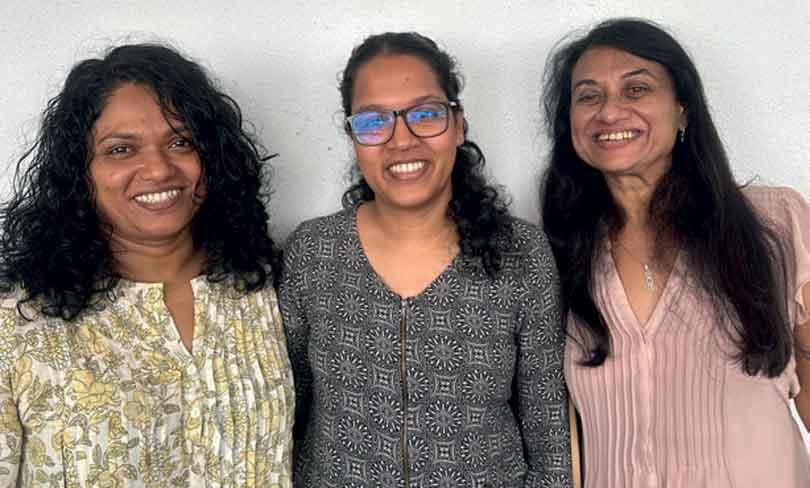
Questions of translation will take centre stage in a conversation with Dileepa Abeysekara, whose work translating Shehan
Karunatilaka invites reflection on how stories travel between languages and cultures.
Meanwhile, novelist Ramya Chamalie Jirasinghe will explore the relationship between food, identity, memory, and history through a discussion of her acclaimed novel Father Cabraal’s Recipe for Love Cake.
The festival will also revisit the work of Richard de Zoysa through a conversation between Neluka Silva and Prabha Manuratne. Moving beyond the confines of examination syllabi, the discussion will examine the continuing literary and political significance of one of Sri Lanka’s most influential voices.
Alongside these sessions are creative writing workshops, poetry workshops, film screenings, interactive research
presentations, and student-centred activities. Among the highlights are screenings of
Usaviya Nihandai (Silence in the Courts) and Paradise by acclaimed filmmaker Prasanna Vithanage.
Students offering English Literature for O Levels and A Levels will also have the opportunity to participate in a stop motion
animation workshop based on Shakespeare’s Othello, led by Irushi Tennekoon and Sachini Seneviratne. Yet beyond the impressive programme, the true significance of Reid Lit Chats may lie elsewhere.
For Assistant Lecturer
Rasudula Dissanayake, one of the festival’s organisers, literary spaces fulfil a vital social function. “Literature, in its very essence, is a medium for thinking, expressing, conversing, and contesting. It has the capacity to
hold disagreement while simultaneously expanding one’s worldview.”
That potential became evident during the inaugural festival.
Some of the school students who attended had never stepped foot inside a state university before. They arrived uncertain and curious. They left having
participated in discussions, workshops, and conversations with academics and writers.
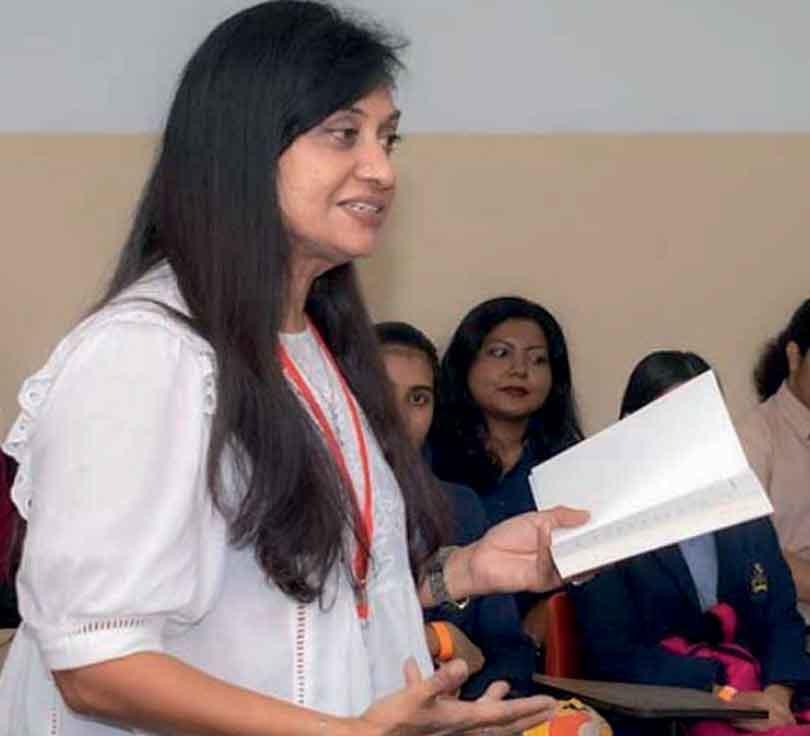
Many later wrote to organisers describing how the experience had inspired them to imagine themselves as future university students. Those stories reveal something profound about what Reid Lit Chats has already achieved.
The festival does not simply celebrate literature. It opens doors.
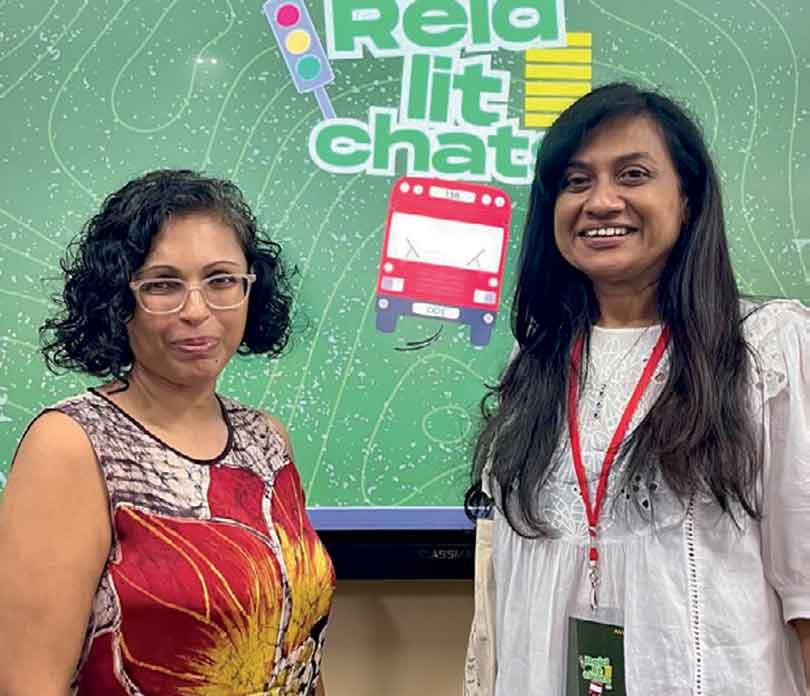
It introduces young people to intellectual life. It demonstrates that universities can function as public spaces rather than isolated institutions. It creates opportunities for conversations that might never otherwise occur. Most importantly, it reminds us that literature remains, at its heart, a communal act. Books may be read alone, but their meanings are often discovered together.
And so, as traffic lights illuminate Reid Avenue once again this June, the festival’s name feels especially appropriate