In Conversation with Dilshan Eranka Wanniarachchi, Founder, Ceylon Physio
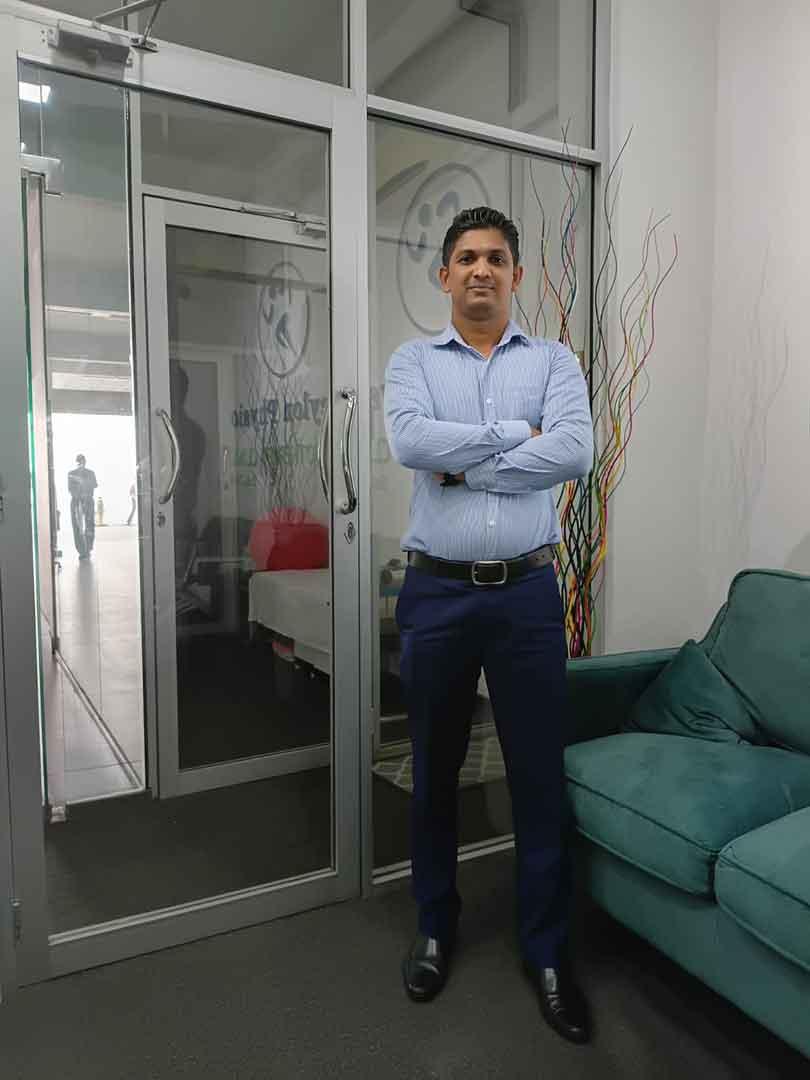
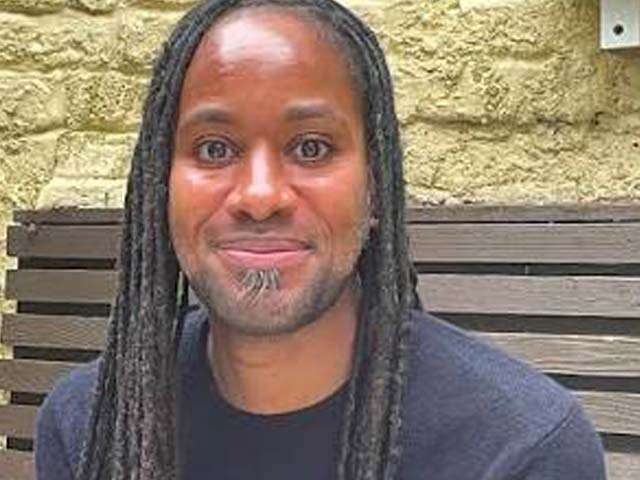
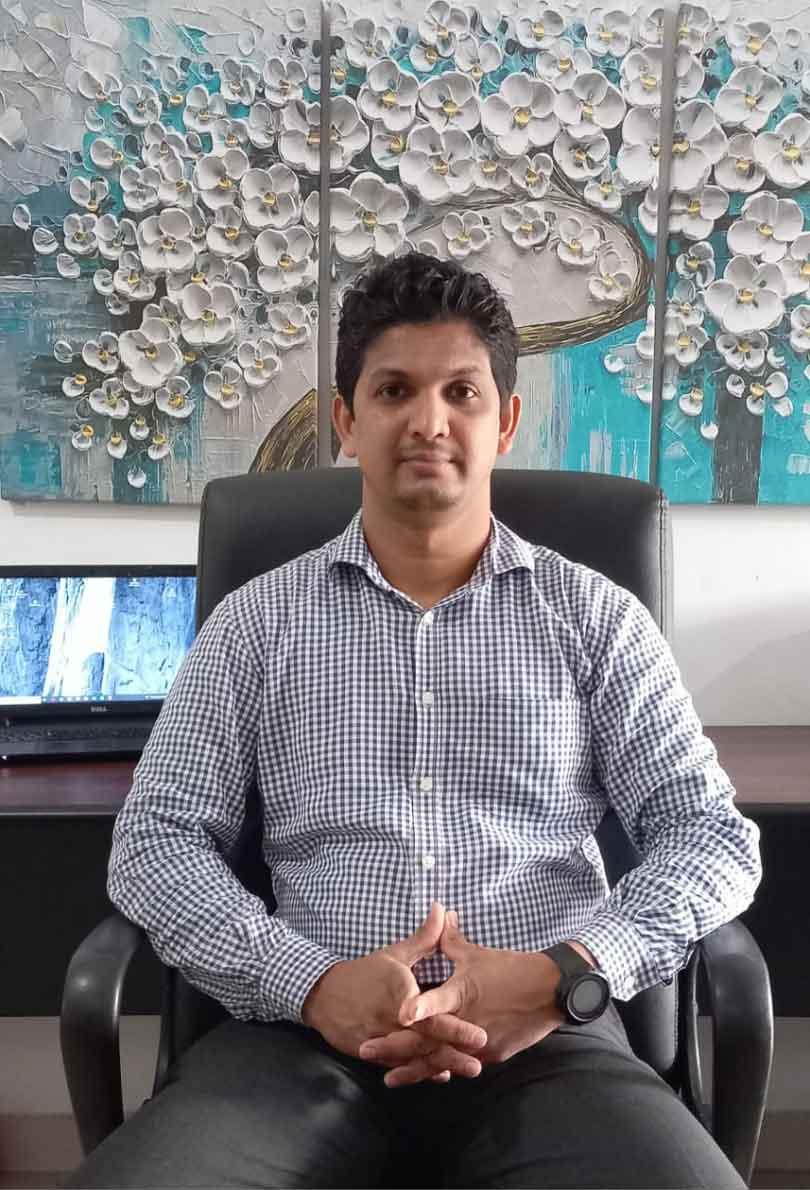
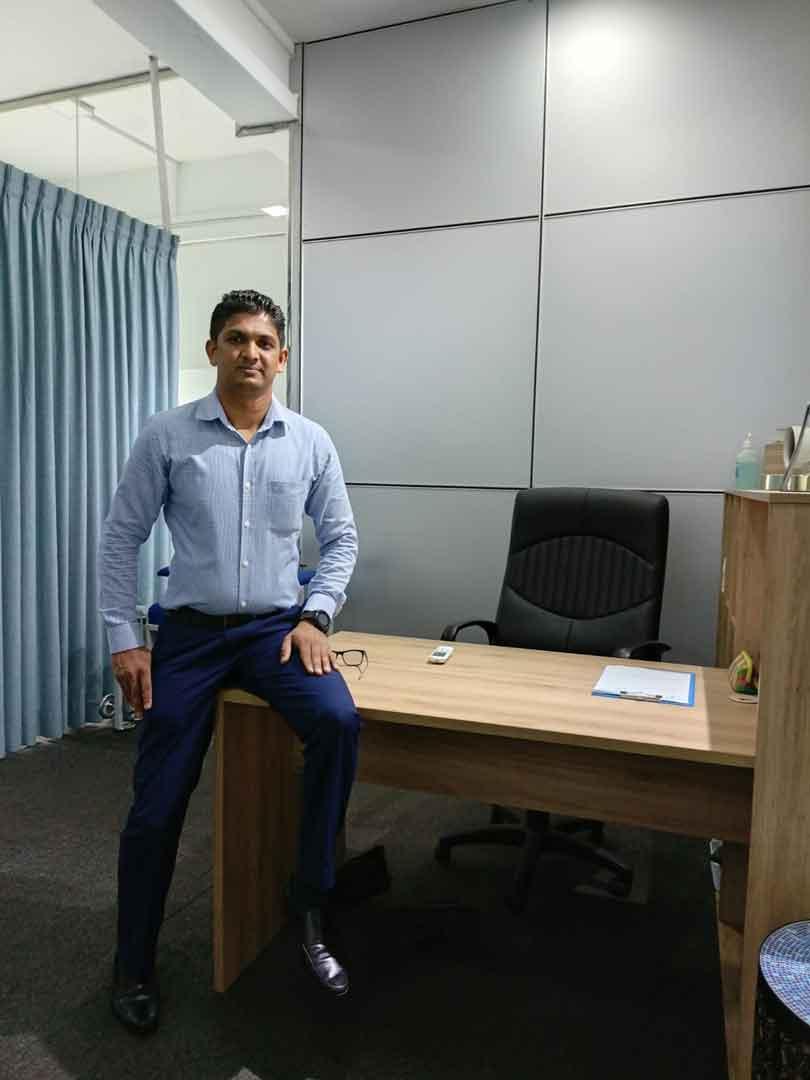
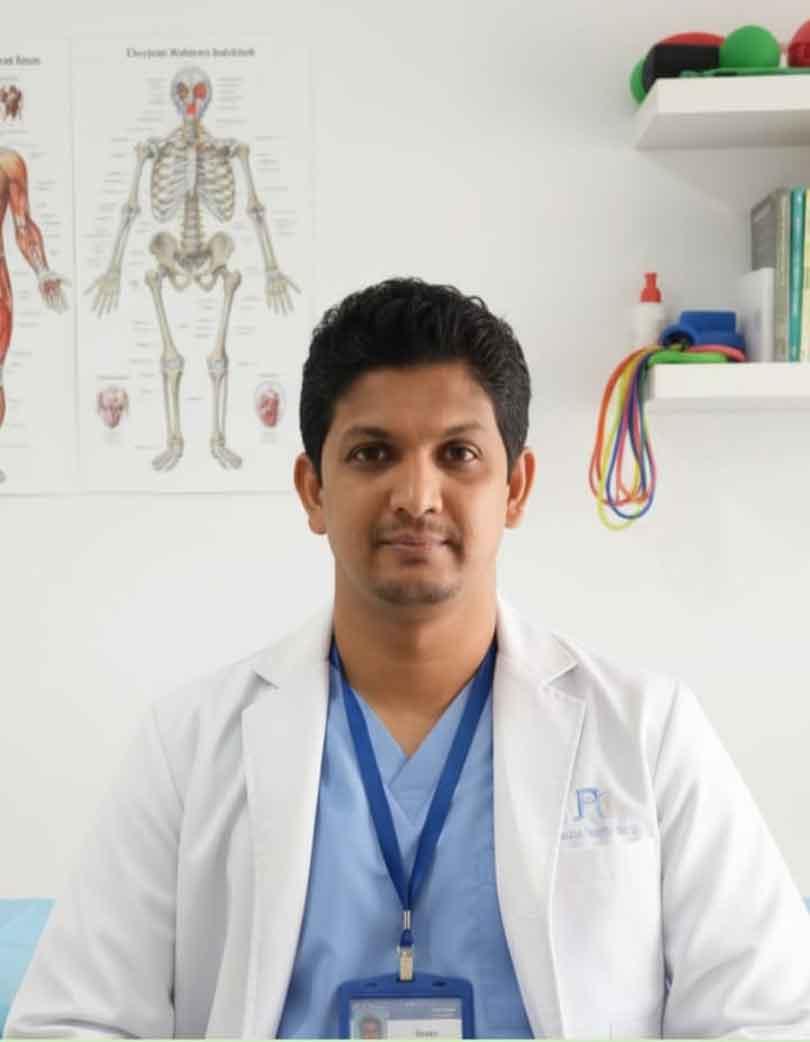
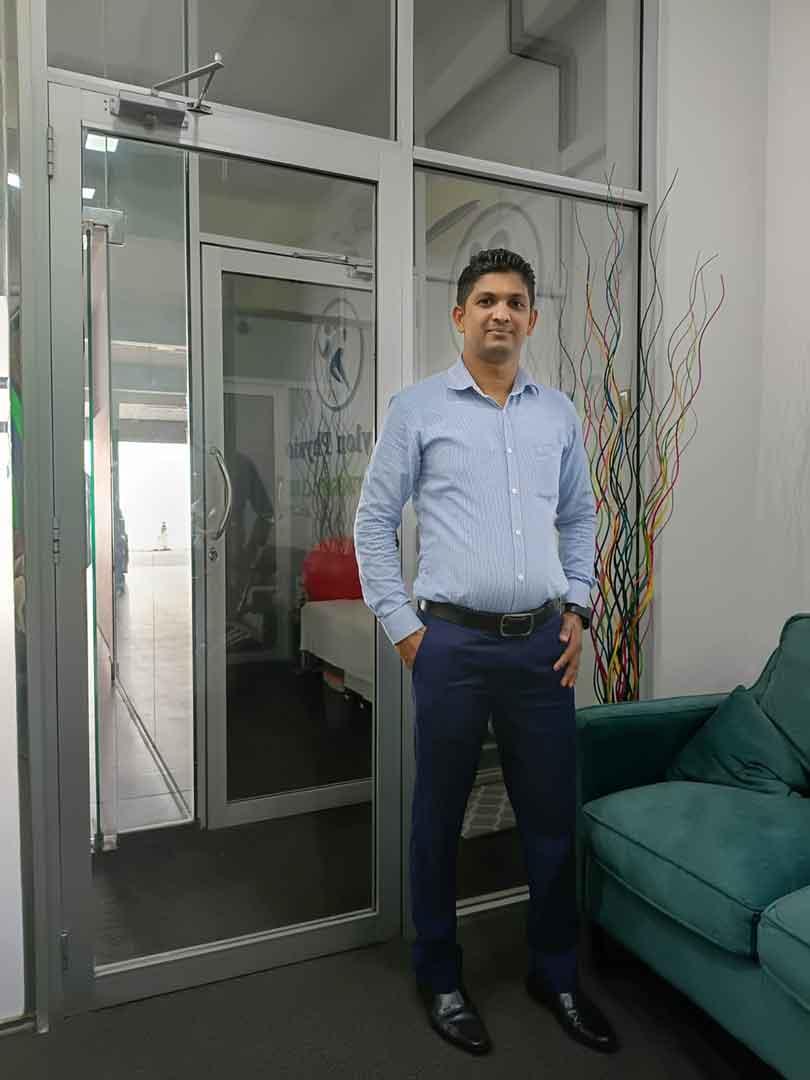
With more than 17 years of experience in physiotherapy spanning Sri Lanka’s public healthcare sector and international service, Dilshan Eranka Wanniarachchi has dedicated his career to helping patients regain mobility, independence, and quality of life. As the Founder of Ceylon Physio, a premier rehabilitation center located at 82 W.A.D. Ramanayake Mawatha, Colombo 2, he combines extensive clinical expertise with a holistic, patient-centered approach that integrates physical rehabilitation and counseling. In this exclusive interview, Wanniarachchi shares his insights on modern physiotherapy, preventive care, sports rehabilitation, healthy ageing, and his vision for the future of physiotherapy in Sri Lanka.
Q: After spending more than 17 years in public healthcare and international service, what inspired you to establish Ceylon Physio at this stage of your career?
A: My 17 years in the public sector were an incredible honor, teaching me resilience and exposing me to complex clinical cases that you rarely see anywhere else. However, the sheer volume of patients in public hospitals means time is a luxury. I often felt constrained by the clock. I established Ceylon Physio because I wanted to create a space where we don't just "manage" symptoms on a conveyor belt. I wanted to bring international standards of dedicated, unhurried, one-on-one care to Sri Lankans, combining my public sector experience with a personalized approach that patients truly deserve.
Q: Having worked extensively at the Police Hospital, what are some of the most common misconceptions Sri Lankans have about physiotherapy and rehabilitation?
A: At the Police Hospital, I treated officers who pushed their bodies to their absolute limits. The biggest misconception I encounter among Sri Lankans is that physiotherapy is just about applying heat packs and doing basic exercises, or that it is something you only do after major surgery or a stroke. People often view it as a passive treatment where you simply lie down and let a machine or a heat pack do the work. In reality, physiotherapy is a highly sophisticated branch of movement science. We don't just treat the immediate pain; we diagnose the underlying biomechanical cause, retrain your muscles, and correct movement patterns so that the injury does not return. Another myth is "no pain, no gain." True rehabilitation should be progressive, strategic, and restorative, not agonizing.
Q: You hold qualifications in both physiotherapy and counseling. How does understanding a patient’s mental and emotional wellbeing influence their physical recovery?
A: You cannot separate the mind from the body. Chronic pain causes anxiety and depression, and conversely, high stress levels delay tissue healing by keeping the body in a constant state of inflammation. When a patient enters my clinic, I don't just look at their MRI; I look at their posture, their exhaustion, and their stress levels. If a patient is terrified of re-injury, their brain can continue to trigger pain signals long after the tissue has healed. By integrating basic counseling elements, I help patients break the fear-pain cycle, which accelerates their physical recovery significantly.
Q: Many people seek treatment only after experiencing severe pain. From your experience, how important is preventive physiotherapy, and who should consider it even before symptoms appear?
A: We service our vehicles every few thousand kilometers, but we wait until our bodies completely break down before seeing a professional. Preventive physiotherapy is the equivalent of a body alignment check. If you are a corporate professional sitting for 8 to 10 hours a day, a recreational runner, or an ageing adult noticing slight balance changes, you should see a physiotherapist before the pain starts. We can detect subtle muscle imbalances and postural deviations early, saving you months of discomfort and potentially significant medical expenses later.
Q: Sports injuries are becoming increasingly common among both professional athletes and recreational fitness enthusiasts. What are the biggest mistakes people make when recovering from these injuries?
A: The absolute biggest mistake is rushing the recovery timeline. In Sri Lanka, there is a cultural tendency to self-medicate with painkillers or apply strong balms and push through the injury. This can turn an acute, easily treatable strain into a chronic, degenerative issue. Another mistake is assuming that because the pain has stopped, the injury has healed. Pain is just the first thing to go; muscle strength, joint proprioception (balance), and tissue elasticity take much longer to return. Returning to sport without full rehabilitation is a guarantee for re-injury.
Q: Sri Lanka has a rapidly ageing population. What are the key challenges faced by older adults, and how can physiotherapy help them maintain independence and quality of life?
A: Sri Lanka is ageing rapidly, and the biggest enemy of our elders is the loss of independence due to sarcopenia (age-related muscle wasting) and poor balance. This often leads to a severe fear of falling. When an older adult stops moving out of fear, their health deteriorates rapidly. Physiotherapy can be transformative in this regard. We don't just prescribe exercises; we train balance, strengthen the lower limbs, and modify living environments where necessary. Our goal is to ensure that a 75-year-old Sri Lankan can play with their grandchildren, climb the stairs in their home, and go to the temple without relying on anyone else.
Q: your career, is there a particular patient recovery story that left a lasting impact on you and reinforced your passion for this profession?
A: Early in my career, I treated a young police officer who had suffered a severe traumatic brain injury. He was told he might never walk unassisted again and was completely despondent. Over eight months of grueling daily rehabilitation, we worked not just on his legs, but also on his mindset. The day he stood up from his wheelchair and took his first four independent steps across the clinic floor, with tears streaming down his face, is a moment etched in my soul. It reminded me that our profession doesn't just add years to life; it adds life to years.
Q: Technology is transforming healthcare globally. What emerging physiotherapy techniques or technologies do you believe will significantly change rehabilitation in the next five years?
A: For me, technology should always complement the human touch, not replace it. We are moving away from relying solely on passive treatments such as heat or cold packs and moving toward tools that provide objective, precise data. Today, we can use digital movement and posture assessment tools to see exactly how a joint is moving or where a muscle is weak, rather than relying solely on visual observation. Additionally, digital exercise prescription platforms allow us to send customized video guides directly to a patient's smartphone. This ensures that patients can perform their rehabilitation exercises safely and accurately at home between clinic visits. At Ceylon Physio, our focus is on using these practical, modern tools to make recovery faster, measurable, and far more convenient for our patients.
Q: Ceylon Physio promotes a holistic approach to treatment. What does holistic rehabilitation mean to you, and how is it different from conventional physiotherapy care?
A: Conventional physiotherapy often looks at the body the way a mechanic looks at a car: if the right knee hurts, you treat the right knee. Holistic rehabilitation, which is the cornerstone of Ceylon Physio, means treating the person who has the knee pain. We evaluate sleep patterns, workplace ergonomics, nutritional habits, and emotional stress levels. A knee injury in a stressed corporate executive requires a completely different approach from the exact same injury in an active teenager. We treat the whole kinetic chain and the lifestyle factors behind it.
Q: Looking ahead, what is your long-term vision for Ceylon Physio, and how would you like to contribute to the future of physiotherapy in Sri Lanka?
A: My vision for Ceylon Physio is to become a benchmark center for evidence-based, premium rehabilitation in Sri Lanka. Beyond the clinic walls, I want to use my platform to bridge the gap between public awareness and preventive health. I hope to collaborate with academic institutions to mentor young Sri Lankan physiotherapists, elevating the standard of private practice across the island. Ultimately, I would like to see our country transition from a culture of "sick care" to one of true healthcare.
Q: Physiotherapy is often viewed as a treatment rather than a lifestyle investment. If you could give one piece of advice to every Sri Lankan about maintaining long-term physical health, what would it be?
A: My one piece of advice is simple: movement is medicine, and your body is the only true home you have to live in. Do not wait for a crisis to start investing in your physical health. Dedicate just 30 minutes a day to conscious movement, whether it is brisk walking, swimming, or mobility exercises. Consistency beats intensity every single time. Treat your physical health not as an expense when you are broken, but as an investment in a vibrant, independent future.