When Rest Starts to Feel Like Guilt
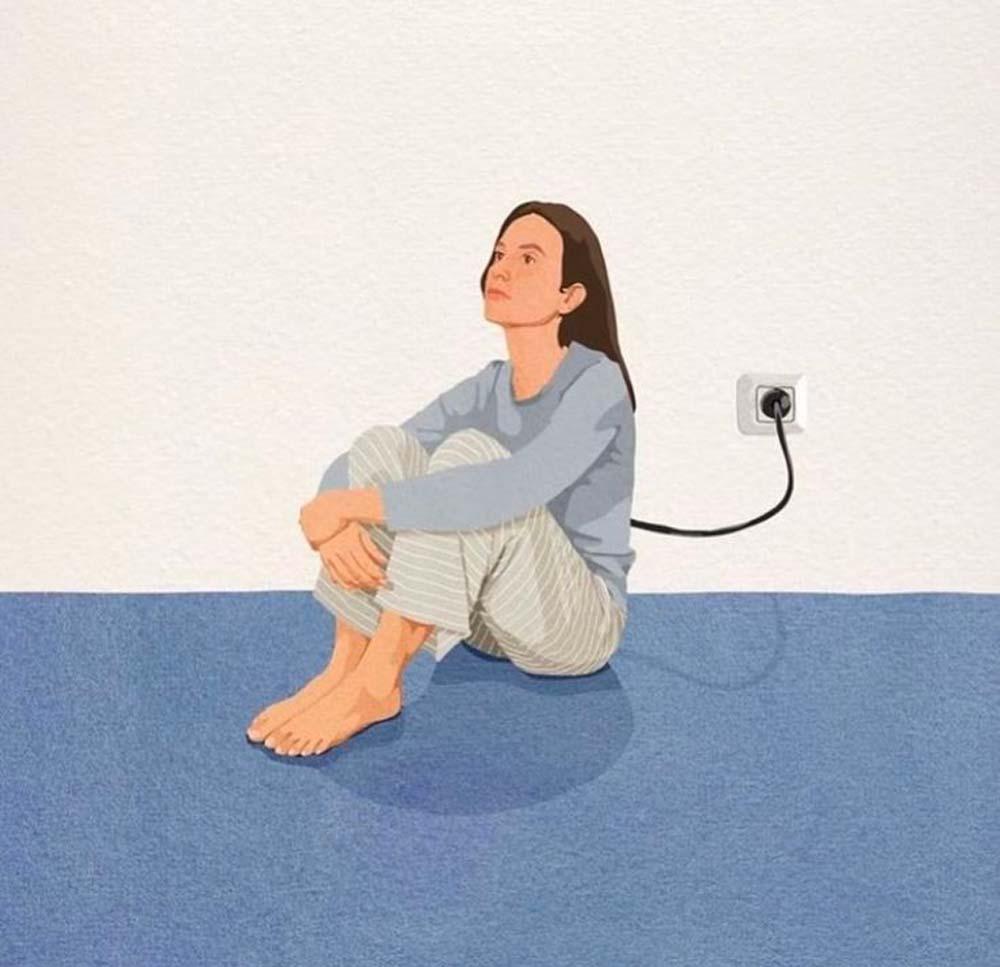
Rest is supposed to feel simple. It is meant to be a pause, a quiet breath, a moment where both the body and the mind step out of the relentless pace of everything around them. In its purest form, rest is not complicated or conditional. It is something natural, something instinctive, something the human body has always known how to do.
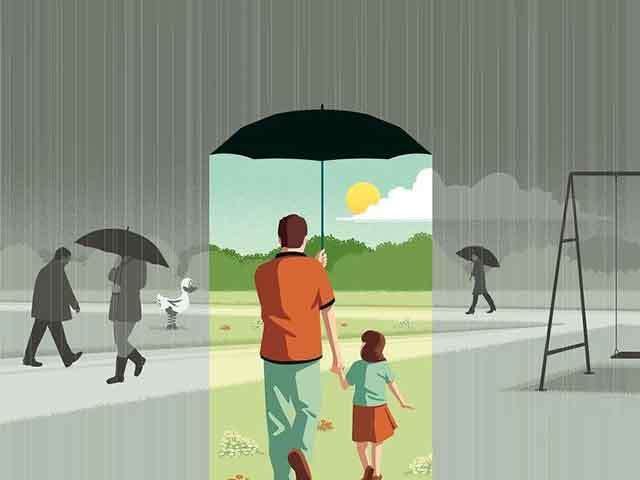
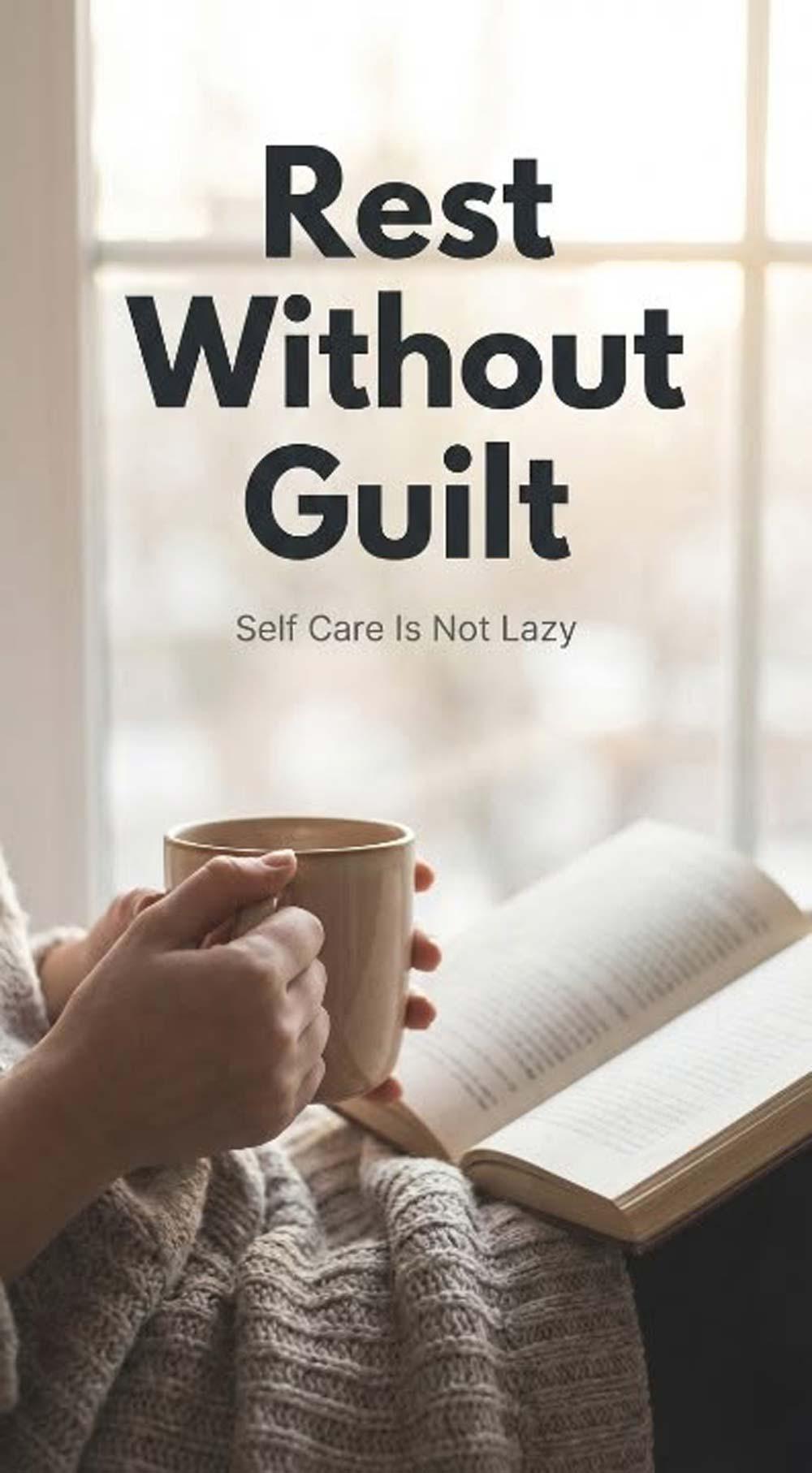 Yet for many people today, rest no longer feels like that. It has become something heavier, something slightly uncomfortable, something that carries an unexpected emotional weight. Instead of calm, it often brings a quiet unease. There is a voice, subtle but persistent, that begins to question whether this moment of stillness is deserved. It asks whether something more useful could be done instead.
You sit down with the intention to relax, but your mind does not follow as easily as your body. Within moments, thoughts begin to surface. There are unfinished tasks waiting somewhere in the background. Messages that have not been answered. Work that could be completed ahead of time. Goals that feel like they are always just slightly out of reach. The stillness is quickly interrupted by a sense of obligation. In that moment, rest stops feeling like recovery. It begins to feel like avoidance. It starts to resemble something unproductive, something that needs to be justified rather than something that should exist on its own. The experience shifts, and what was meant to restore you instead quietly drains you.
Part of this tension comes from the culture that surrounds us. Modern life places a quiet but constant value on busyness. Being occupied is often equated with being important or successful. People speak casually about exhaustion, about not having enough time, about constantly being on the move. These statements are rarely framed as concerns. Instead, they are often shared as subtle markers of productivity. Schedules become full, calendars become crowded, and time itself starts to feel like something that must always be accounted for. In this environment, doing nothing begins to feel unfamiliar. It no longer feels neutral. It starts to feel like a misuse of time.
Even when there is no direct pressure, the expectation remains. Productivity becomes the default state, something that is always running quietly in the background. Rest, in contrast, begins to feel like an interruption to that state. It becomes something that needs permission, something that must be explained, even if only to yourself. Another layer of this experience is shaped by comparison. The way people present their lives today often creates the illusion that everyone else is constantly active. Social media platforms like Instagram and TikTok amplify this perception. They are filled with moments of productivity, achievement, and movement. People are seen working out, studying, building careers, traveling, creating, and improving themselves in visible ways.
Even leisure is often presented with a sense of purpose. Hobbies are optimized. Free time is structured. Relaxation is framed as something that contributes to growth or self-improvement. In contrast, simple rest, the kind that involves doing nothing at all, becomes almost invisible. When someone is simply lying down, sitting quietly, or allowing their mind to wander without direction, it can feel as though they are falling behind. There is a sense of being out of sync with an unspoken standard. It feels like a race is taking place, even though no one officially started it, and yet somehow everyone seems to be participating.
This leads to another shift in how rest is understood. It is no longer seen as something that exists naturally within life. Instead, it becomes something that must be earned. Rest turns into a reward rather than a necessity. Many people find themselves thinking in conditional terms. They tell themselves they will rest after completing a task. They plan to relax once everything on their list is finished. They believe they deserve a break only after they have worked hard enough to justify it. In this way, rest is placed at the end of productivity, positioned as something that comes later rather than something that exists alongside effort.
The difficulty is that the end rarely arrives. There is always something else to do. Another task appears. Another goal takes shape. Another expectation forms. The list continues to grow, and rest continues to be delayed. It becomes something that is constantly postponed, something that remains just out of reach. While the mind may try to negotiate with rest in this way, the body operates differently. From a biological perspective, rest is not optional. The human body is not designed to remain in a constant state of alertness or activity. It requires periods of recovery to function properly.

Sleep supports memory and cognitive function. Downtime helps regulate emotions. Moments of stillness allow the nervous system to reset. Without these elements, both physical and mental health begin to decline. Fatigue sets in. Focus becomes harder to maintain. Irritability increases. Over time, burnout can take hold. Even when these signals are ignored, they do not disappear. The body continues to ask for rest in its own ways. It slows you down when you try to push forward. It reduces your energy when you attempt to override it. It creates discomfort when balance is missing.
Despite this, modern life often encourages people to move past these signals. There is an emphasis on persistence, on pushing through, on continuing even when it feels difficult. Rest, in this context, can begin to feel undeserved. When it finally happens, it is accompanied not by relief, but by hesitation. This creates a cycle that is both common and often unnoticed. It begins with tiredness. That tiredness leads to rest, but the rest is interrupted by guilt. In response to that guilt, there is an attempt to compensate by doing more. This increased effort leads to greater exhaustion, which then requires more rest. The cycle repeats itself, each time making rest feel less effective. Over time, rest loses its restorative quality. It begins to feel like a delay rather than a necessary part of the process. Instead of supporting productivity, it is seen as something that interrupts it. The more this belief takes hold, the harder it becomes to truly benefit from rest.
Perhaps the issue is not rest itself, but the way it is defined. Rest is often imagined as complete inactivity, as doing absolutely nothing. While this can be one form of rest, it is not the only one. Rest can take many shapes, many of which are more accessible and more natural. It can be found in reading without pressure, where the mind is engaged but not strained. It can exist in walking without a destination, where movement happens without urgency. It can appear in quiet moments without stimulation, where there is no need to consume or produce anything. It can simply be the act of allowing thoughts to come and go without trying to control them.
Rest is not about the absence of activity. It is about the presence of recovery. It is about creating space for the body and mind to reset, even if that space looks different from moment to moment. Relearning this distinction is not easy. It requires stepping away from deeply ingrained beliefs about productivity and value. It involves recognizing that constant output is not sustainable, and that without rest, even the ability to be productive eventually declines. One of the most important shifts that can be made is internal. It is the act of giving yourself permission to pause without needing a reason. Not because everything is finished. Not because you have reached a certain level of achievement. Not because you have earned it through effort. But simply because rest is part of being human.
This permission does not immediately remove the guilt. That feeling often lingers, especially at first. It may continue to appear in the background, quietly questioning whether you should be doing something else. It may take time for that voice to soften. However, recognizing its presence is an important step. Understanding that the guilt is not an absolute truth, but rather a learned response shaped by environment and expectation, can begin to change how it is experienced.
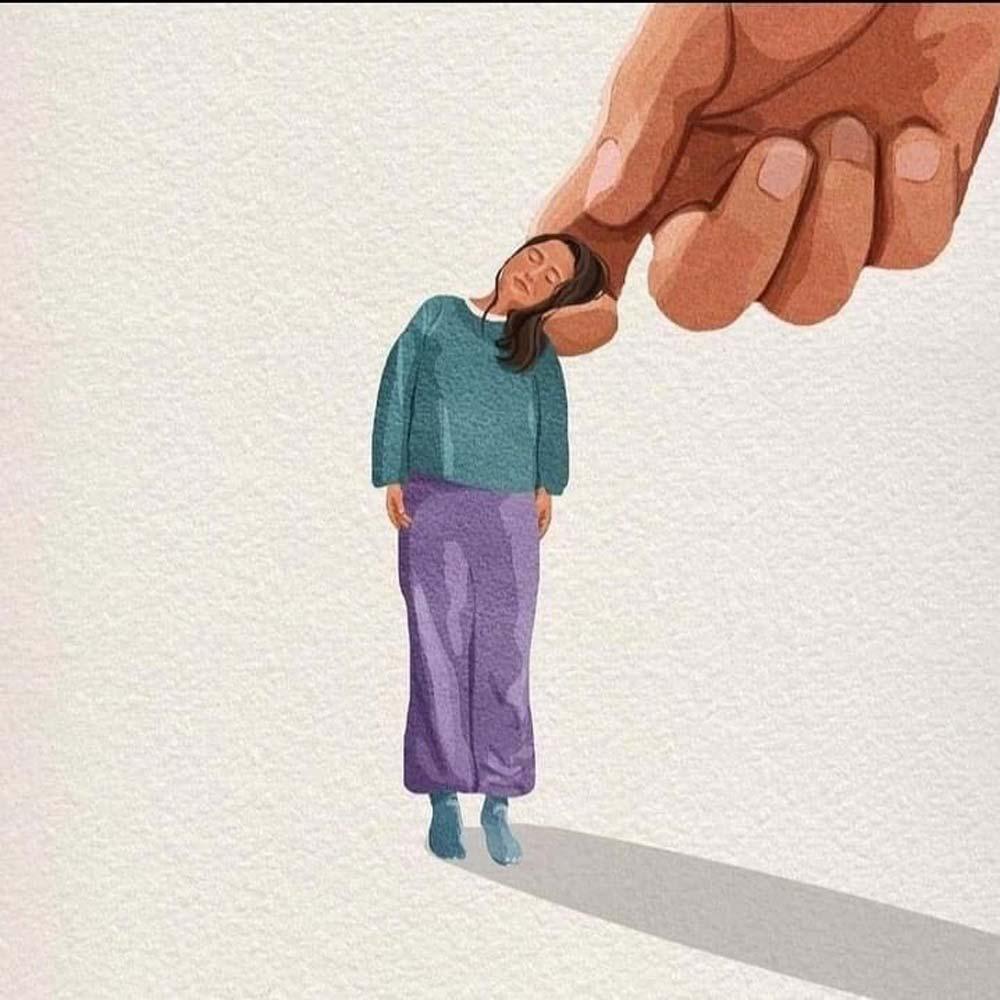
There is also something unfamiliar about resting without explanation. Many people are used to justifying their choices, even internally. They explain why they are taking a break. They calculate what they could be achieving instead. They prepare themselves mentally for what comes next. Letting go of that habit can feel uncomfortable. It can feel unproductive, even unsettling. But it also creates a different kind of space. A space where existence is not tied to output. A space where being is not constantly measured against doing. At first, this kind of rest may feel unnatural. It goes against what many people have been taught for most of their lives. The idea that value comes primarily from action is deeply embedded in many aspects of modern culture. Yet with time, the discomfort can begin to ease. The mind can learn to settle. The body can begin to recognize rest not as an interruption, but as a return to balance.
Rest should not feel like something that needs to be justified, explained, or repaid. It should not carry the weight of obligation. It should not be something that is postponed until all tasks are complete, because that moment may never fully arrive. Instead, rest can be understood as a natural rhythm. Like breathing out after holding your breath for too long. Like stepping back after moving forward for an extended period. It is not separate from life. It is part of it. In a world that constantly asks for more, that encourages faster movement and higher output, choosing to rest can feel like going against the current. It can feel like stepping away from what is expected. But rest is not laziness. It is not a lack of ambition. It is not a sign of falling behind. It is balance. And perhaps the real challenge today is not learning how to do more but learning how to stop without guilt.