Falling, Getting Up, Trying Again: What Sports Teach That Classrooms Cannot
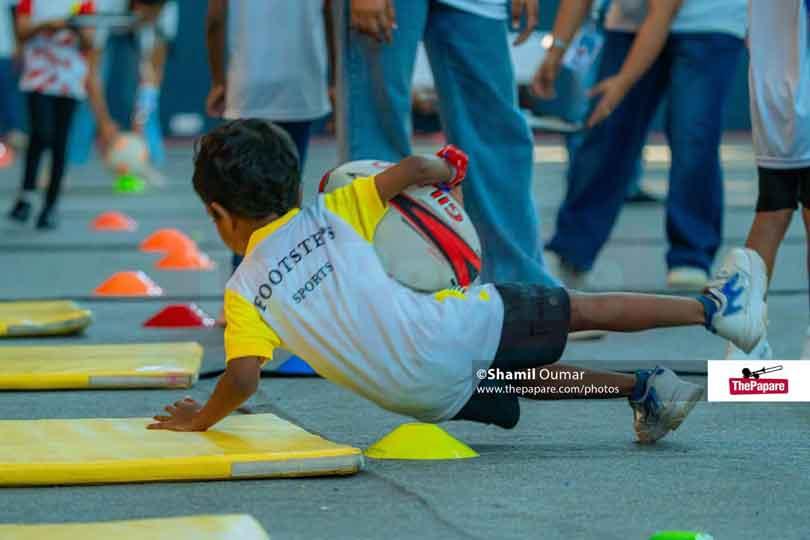
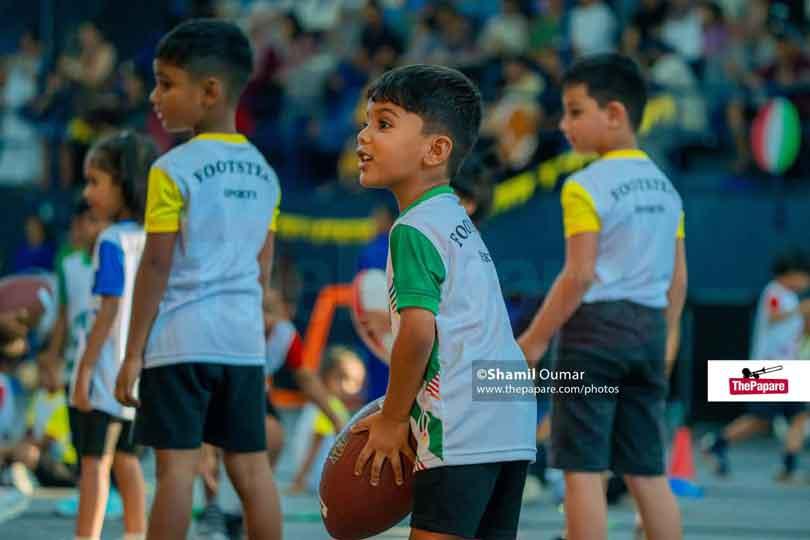
Watch a young child take their first clumsy kick at a ball. They miss. They laugh. They try again. There is no embarrassment. No fear of failure. Just the pure, uncomplicated joy of movement and the simple determination to make contact. This is the magic of sports in early childhood. And it holds lessons that no worksheet can ever teach.
More Than Just Running Around
At preschool level, sports are often seen as a break from learning. A chance to burn energy. A recess between the real work of letters and numbers. But this misunderstands what sports actually offer young children. Sports are not a break from learning. They are a different kind of learning. One that builds the body, yes. But also, the mind. The spirit. The character. While classrooms build young minds, sports build something equally important. They build resilience. Patience. Teamwork. The grace to try again after falling. The humility to celebrate someone else's success. The courage to keep going when things get hard. These are not soft skills. They are life skills. And they are as vital as any letter or number.
The First Lesson: Falling Is Not Failing
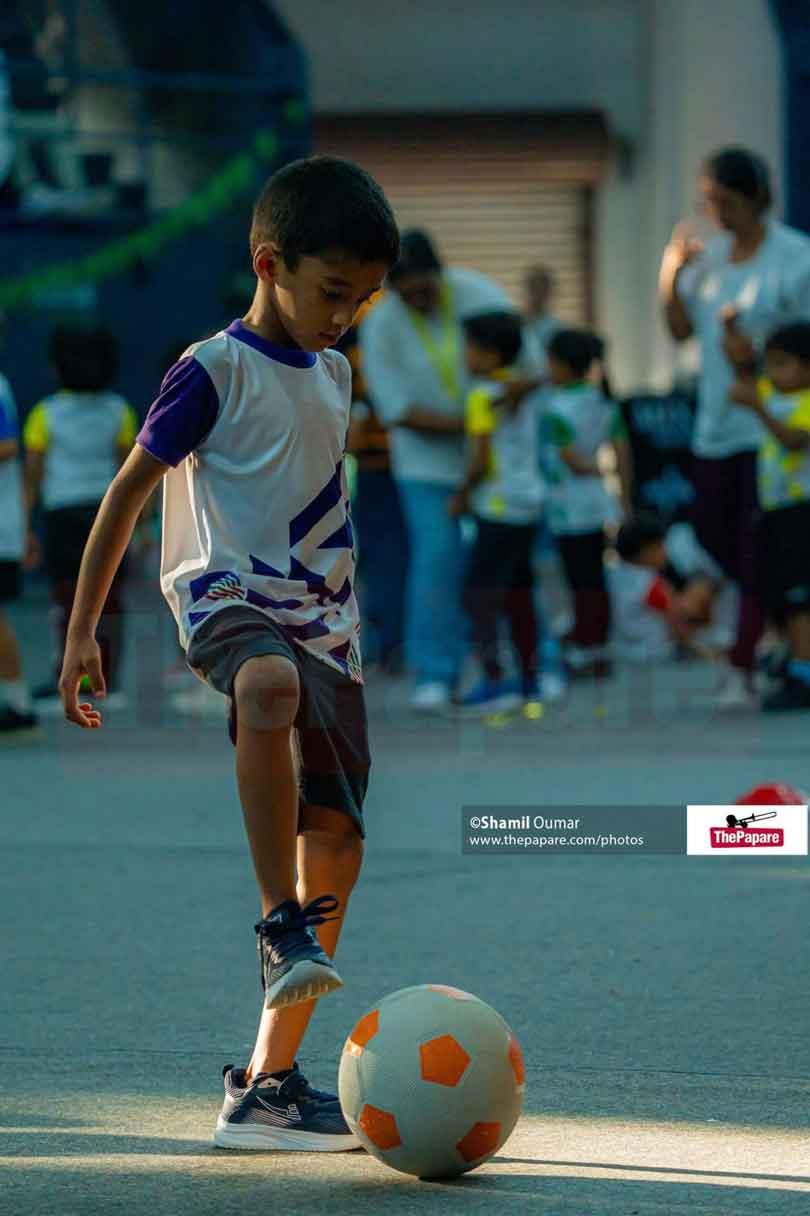
In a classroom, mistakes can feel permanent. A wrong answer is recorded. A low grade is given. For a young child, this can feel like judgment. On a sports field, mistakes look different. Sports teach children that falling is not failing. It is simply part of trying. This is a profound lesson for a young child. It teaches them that effort matters more than perfection. That trying again is always an option. That failure is not something to fear, but something to learn from. A child who learns this on the field carries it into the classroom. They are not afraid to raise their hand with the wrong answer. They are not crushed by a low grade. They understand that mistakes are not the end. They are just steps on the path to getting better.
The Second Lesson: Patience and Persistence
Young children want things now. Instant gratification is their normal. Sports teach them to wait. They learn that skills take time. That you cannot kick like the big kids on your first try. That winning a race requires practice, many practices, over many days. That the child who keeps showing up, keeps trying, keeps falling and getting back up - that child eventually improves. This is patience. This is persistence. And these qualities predict success more reliably than any early academic milestone. The child who learns persistence on the field will not give up when a math problem is hard. The child who learns patience in sports will not melt down when a task takes longer than expected. They have already learned, in their muscles and their bones, that good things come to those who keep trying.
The Third Lesson: Teamwork and Empathy
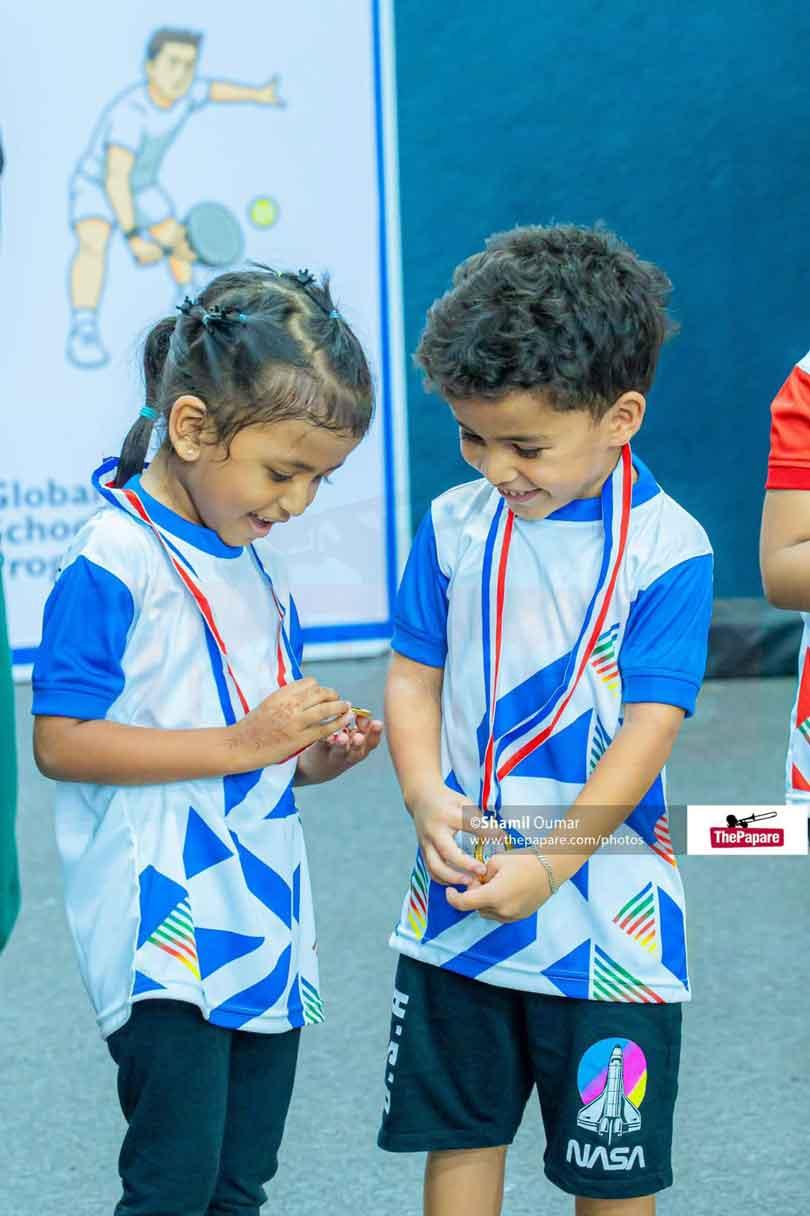
In a classroom, children mostly work alone. Their own paper. Their own grade. Their own success. On a sports field, something different happens. They learn to pass the ball. To wait for their turn. To cheer for a teammate. To lose together and win together. To understand that the group's success matters as much as their own. These are the foundations of empathy. The child who learns to celebrate another child's goal learns to be happy for others. The child who learns to comfort a teammate who missed the shot learns kindness. The child who learns that everyone has different strengths, one runs fast, one throws far, one is a good cheerleader, learns to see and value difference. These lessons shape the kind of person a child becomes. Not just the kind of student.
The Fourth Lesson: Resilience and Grace
Perhaps the most important lesson sports teach is how to lose. No one likes losing. But losing is part of life. And children who learn to lose well - without tantrums, without blame, without giving up - have learned something invaluable. They learn that losing is not the end of the world. That you can try your best and still not win. That someone else's victory does not diminish your effort. That you shake hands, say "good game," and try again next time. This is grace. And it is learned best on a field, not in a classroom. A child who learns grace in defeat becomes an adult who can handle disappointment. Who does not crumble when things do not go their way. Who understands that effort and outcome are not always the same, and that is okay.
The Fifth Lesson: Discipline and Routine
Sports also teach young children something about structure. Showing up on time. Listening to the coach. Following rules. Waiting for instructions. Trying the drill even when it is hard. These are forms of discipline. Not harsh discipline. But the quiet discipline of being part of something bigger than yourself. Young children who participate in sports learn that routines matter. That practice happens even when you do not feel like it. That showing up for your team is a responsibility. These habits transfer directly to the classroom. The child who learns to listen to a coach learns to listen to a teacher. The child who learns to show up for practice learns to show up for school. The child who learns to follow rules on the field learns to follow rules in class.
Why Preschool Is the Right Time
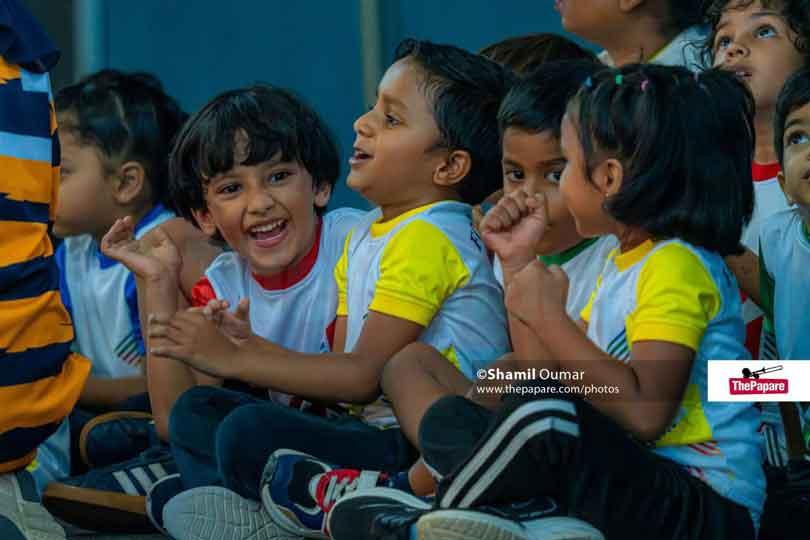
Some parents wonder if preschool is too early for sports. It is not. But it is different from sports for older children. At this age, sports are not about competition or winning. They are about exposure. About trying different movements. About learning that their bodies are capable. About experiencing the joy of running, jumping, kicking, throwing and catching. Preschool sports should be playful. Low pressure. Focused on effort, not outcome. Every child should get a turn. Every child should be cheered. Every child should leave feeling good about what they tried, not bad about what they could not do. This is the foundation. And it matters. A child who learns to love movement at three will be active at eight. A child who learns that sports are joyful at four will try out for the team at ten. A child who learns that effort is celebrated at five will keep trying at fifteen. The habits and attitudes formed in these early years last a lifetime.
The Balance Classrooms Cannot Provide
Classrooms are wonderful places. They build knowledge. They teach academics and how the world works. But classrooms have limits. They are still. They are quiet. They ask children to sit, to listen, to produce. Sports offer the opposite. Movement. Noise. Action. The chance to learn with the whole body, not just the brain. Children need both. Not one or the other. Both. The child who sits in a classroom all day misses something essential. The child who runs and jumps and plays learns something no lesson can teach; that their body is strong, that they can do hard things, that falling is not failing, that trying again is always worth it. Sports teach these lessons. Not through lectures or worksheets. Through experience. Through falling and getting up. Through missing and trying again. Through cheering for a friend and being cheered for in return. So let them run. Let them kick. Let them fall. Let them try again. Because the child who learns to get back up on the field will get back up everywhere else too. And that is a lesson worth more than any grade.