Ink of the heart and soul
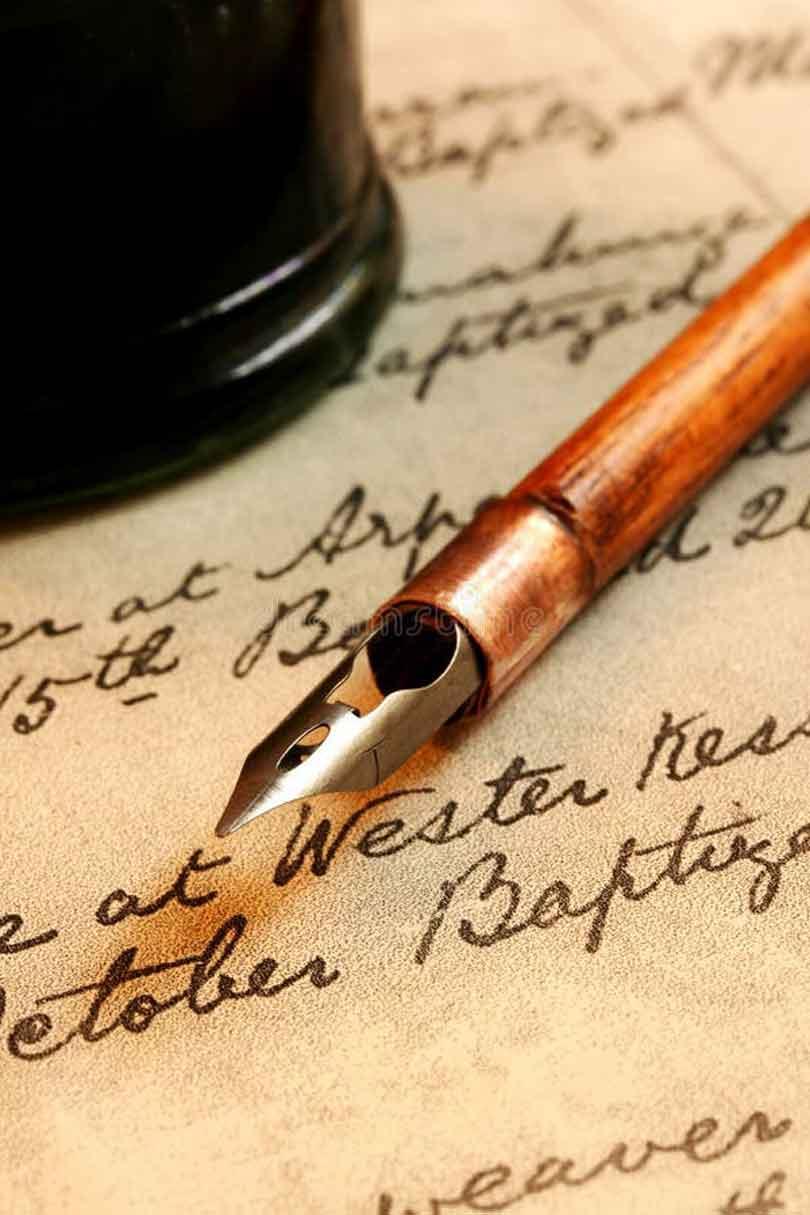
There was a time when writing felt holy to me. Not productive. Not efficient. Not aesthetic enough to post online with a blurry coffee cup beside it. Holy. And lately, I have realised something that scares me a little. I no longer love writing on a computer. I hate the blinking cursor. I hate the sterile perfection of typed letters lined up like obedient little soldiers. I hate how a machine corrects my spelling before I even get the chance to be human. I hate how thoughts disappear with one accidental click. I hate how words on a screen feel temporary, floating somewhere in invisible clouds I cannot touch. Because writing was never supposed to feel like this. Writing is supposed to stain you. Ink should end up on your fingers. Your wrist should ache a little. Your notebook should become swollen with folded pages and coffee stains and tears you pretended were “just water.” There should be evidence that a soul was present when those words were born. A computer cannot bleed emotion. A pen does.
And maybe this sounds dramatic, but I genuinely believe handwriting carries something spiritual inside it. Something ancient. Something painfully human. When you write with a pen, every curve of every letter becomes a fingerprint of your emotions. You can tell when someone was angry by how hard they pressed onto the paper. You can tell when they were heartbroken because the words begin leaning into themselves like exhausted bodies. You can tell when someone paused to cry because there is suddenly a faint smudge where tears met ink.
- A keyboard cannot do that.
- A keyboard only produces text.
- A pen produces evidence.
Maybe that is why old letters feel haunted in the most beautiful way. You hold them and suddenly the dead are alive again. Their handwriting survives them. Their rushed scribbles survive them. The way they crossed out words survives them. Their existence becomes physical. But what survives us now? Passwords? Google Docs? Drafts lost inside forgotten folders? There is something deeply tragic about that. I think about writers from centuries ago constantly. Imagine the candlelight. Imagine the silence. Imagine dipping a pen into ink and knowing every word mattered because paper itself was precious. Writing was intimate back then. Slow. Deliberate. Painfully alive. Now we live in a world where people type entire emotional breakdowns with acrylic nails while watching Netflix in another tab and replying to six people at once. And somehow, we call that connection. No wonder writing feels emptier now. The machine makes everything faster, but speed is not always beauty. Sometimes slowness is where truth lives. Sometimes a sentence needs time to breathe before it is born. When I write on paper, I feel my thoughts forming differently. They become softer. More honest. Less performative. I am not writing for an algorithm or a word count or a notification. I am simply existing with myself.
That is terrifyingly rare now. People do not sit with themselves anymore. We document everything before we even feel it properly.
- We type instead of touch.
- We post instead of process.
- We curate instead of confess.
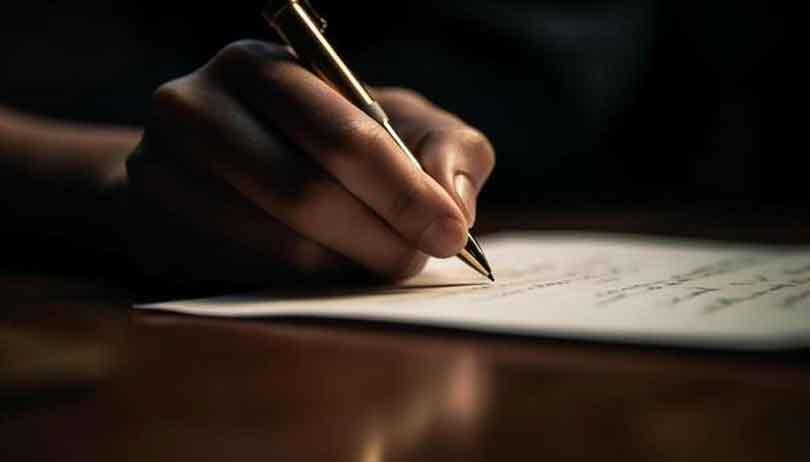
And writing on paper refuses all of that. Paper demands presence. You cannot instantly delete your thoughts when they scare you. You have to stare at them sitting there in your own handwriting like a mirror you cannot escape. That vulnerability matters. Even the mistakes matter. Especially the mistakes. A typed mistake disappears immediately. A handwritten mistake remains visible beneath scratched-out ink. It reminds you that thoughts are imperfect creatures. Human beings are imperfect creatures. I love that. I love ugly notebooks filled with chaotic thoughts. I love margins crowded with random ideas at 2 AM. I love bent pages and fading ink and handwriting those changes depending on the mood of the day. I love when journals begin smelling like old paper and dust and time itself. Computers cannot age beautifully. Paper can. A notebook becomes a corpse of your past selves. You open one from years ago and suddenly meet versions of yourself you forgot existed. The angry girl. The hopeless romantic. The grieving child. The dreamer. The poet. The one who thought she would never survive. And yet there she is. Alive in ink. That is immortality in the purest form. Not cloud storage. Ink. People say technology makes writing easier, and maybe they are right. But easier is not always better. Love is not easy. Art is not easy. Grief is not easy. Why should writing be? The struggle is part of it. The pause between thoughts is part of it. The moment your hand hovers above the page because you are terrified of what you are about to admit to yourself is part of it.
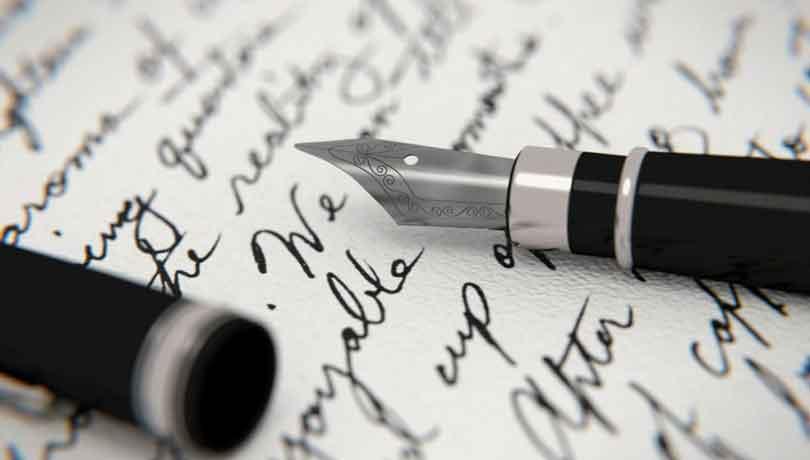
A computer removes too much friction. It turns emotion into efficiency. And emotion should never be efficient. Sometimes I think computers have accidentally flattened language itself. Everyone writes in the same fonts. The same clean lines. The same polished formats. But handwriting has personality. It breathes differently from person to person. Some people write like storms. Some write like music. Some write like they are apologizing. Some write like they are screaming underwater. You lose all of that with machines. And maybe this is why I have fallen back in love with notebooks lately. Not because they are trendy. Not because I want to romanticize being “old school.” But because writing by hand forces me to slow down enough to hear myself again. There is intimacy in physically forming each word. When you write “I miss you” with a pen, you feel it travelling through your body into the page. Typing it feels like pressing elevator buttons. Even poetry changes on paper. Poetry belongs on paper. Poems should look wounded. They should exist in notebooks with ink stains and uneven spacing and desperate little arrows pointing toward rewritten thoughts. Poetry should feel touched by human hands. Not generated. Not sterilized. Touched. And I know this generation worships convenience. Everything must be instant now. Instant food. Instant delivery. Instant relationships. Instant attention. Instant validation. But art cannot survive only on convenience. Neither can humans. There is a reason people still treasure handwritten letters more than text messages. A text says, “I remembered you.” A handwritten letter says, “I spent time on you.” Time is love. Ink is time made visible.
I think that is what machines fail to understand. They can replicate words, but not devotion. They cannot recreate the feeling of someone pausing midway through a sentence because emotion made their handshake. They cannot recreate pages warped by rainwater during heartbreak. They cannot recreate lipstick marks accidentally left on notebook corners. They cannot recreate the way grief makes handwriting collapse into itself. Machines can imitate language. But not humanity. And honestly, I am tired of pretending they can. I am tired of people acting like creativity and content are the same thing. They are not. One comes from the soul. The other comes from production. Paper reminds me of the difference. When I sit down with a notebook, there is no pressure to perform. Nobody is waiting for the final product. Nobody is measuring engagement. Nobody cares if it is beautiful. That freedom changes everything. The words become raw again. Real again. Mine again. And maybe that is what I miss most in modern writing. Ownership. Personal messiness. The ugly beauty of imperfect expression. Typing feels borrowed somehow. Handwriting feels like blood.
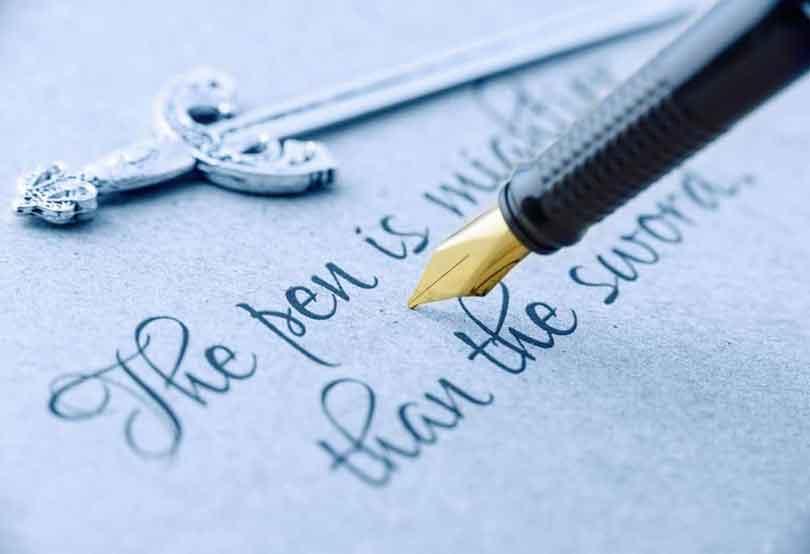
I know some people will call this nostalgia. Maybe it is. But not all nostalgia is useless. Sometimes nostalgia is grief for things humanity abandoned too quickly. And I think we abandoned slowness too quickly. We abandoned touch too quickly. We abandoned intimacy too quickly. Even books themselves are becoming digital ghosts now. Endless files living inside cold devices beside notifications and advertisements and distractions. But a physical book exists like a body. It has weight. Smell. Texture. Presence. So does handwritten work. You can hold it. Machines keep trying to convince us that physicality no longer matters. But human beings are physical creatures. We crave texture. We crave touch. We crave evidence that something existed beyond pixels. That is why I still choose paper. Because paper feels alive. And maybe I sound irrational saying this, but I swear notebooks listen better than computers do. A blank page feels patient. Gentle. Nonjudgmental. It waits for you. Quietly. Like an old friend. A screen just stares back coldly. Maybe one day technology will become so advanced that it perfectly imitates humanity. Maybe machines will write poems indistinguishable from ours. Maybe they will generate entire novels in seconds. But they still will not know what it means to hold a pen after your heart has been shattered open. They will never understand the ache of pressing words into paper because your emotions are too heavy to carry silently anymore. They will never know the intimacy of ink drying beneath trembling hands. Because writing was never only about words.
It was about touch. And paper still remembers that.