Ethical Marketing in the Influencer Era: Where Influence Meets Responsibility
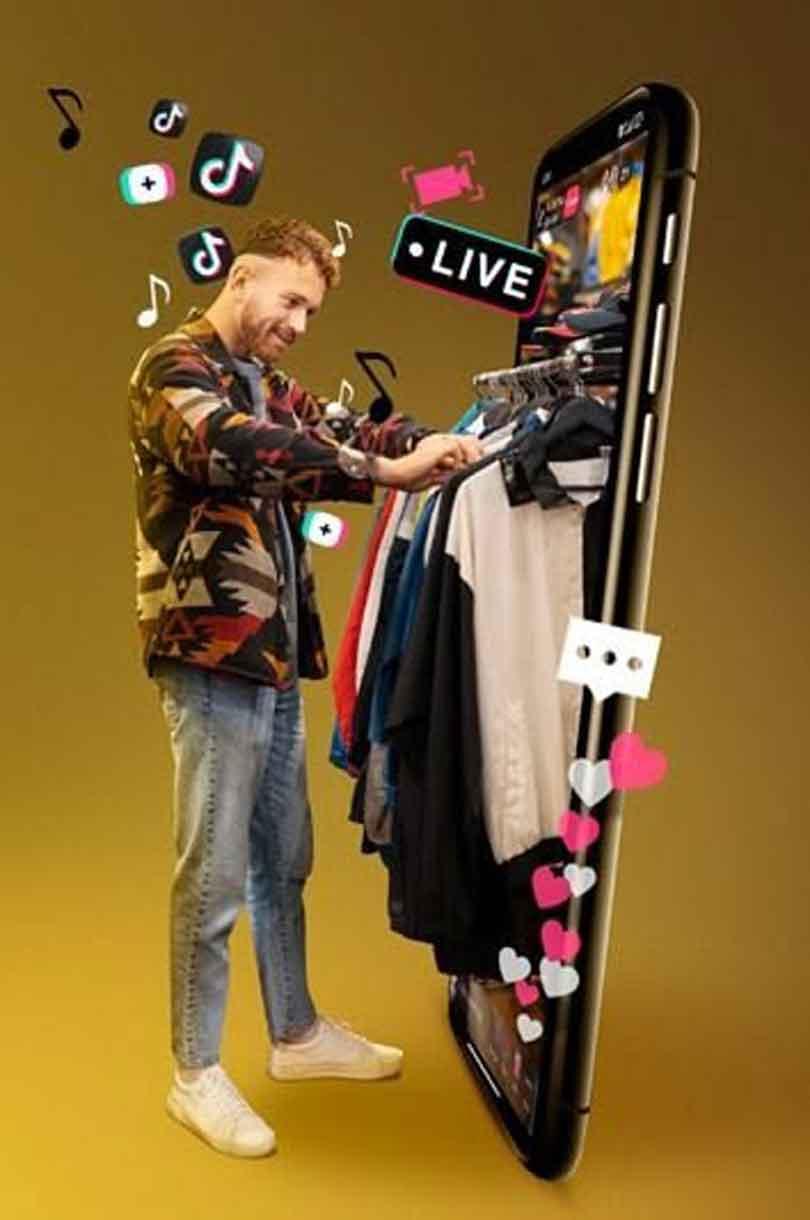
A single social media post today can influence purchasing decisions, shape public conversations, or even damage a brand’s reputation within minutes. In the modern digital economy, influence itself has become a form of power, and influencer marketing has evolved into one of the most dominant tools in contemporary advertising. From fashion, beauty, and technology to finance, health, food, travel, and lifestyle industries, brands increasingly depend on influencers to communicate with audiences in ways traditional advertising no longer can. Consumers are now drawn less to highly polished corporate campaigns and more to relatable personalities who appear authentic, accessible, and trustworthy.
Yet as influencer culture continues to expand globally, so do concerns surrounding ethics, accountability, transparency, and public responsibility. The discussion is no longer about whether influencer marketing works. Its effectiveness is already evident. The more important question is whether this influence is being used responsibly. Influencer marketing succeeds because it creates a sense of personal connection. Unlike traditional celebrities who often appear distant, influencers share daily routines, opinions, experiences, humor, and personal lifestyles with their followers. Audiences therefore tend to view them not simply as advertisers, but as familiar personalities whose recommendations feel genuine. That trust is what gives influencer marketing its commercial strength.
However, trust without responsibility can easily become problematic. One of the biggest ethical concerns within influencer marketing is the increasingly blurred line between recommendation and advertisement. Sponsored content is often presented so casually that audiences, particularly younger users, struggle to distinguish paid promotions from genuine personal opinions. Products are now seamlessly integrated into vlogs, entertainment content, trend-based videos, tutorials, and lifestyle posts. While this approach makes advertising feel more natural and engaging, it also raises important concerns about transparency and informed consumer decision-making.
The issue becomes even more serious when influencers promote products related to health, finance, wellness, beauty, or self-improvement. Around the world, there have been multiple controversies involving influencers endorsing unverified supplements, misleading skincare products, unrealistic investment schemes, or questionable wellness advice without professional expertise. The consequences can be significant. Consumers may spend money on ineffective products, develop unrealistic expectations, or make risky financial and health decisions simply because they trust the individual promoting them.
This is why regulators across several countries are increasingly treating influencers as commercial communicators rather than casual entertainers. Organizations such as the Federal Trade Commission, United States and the Advertising Standards Authority, United Kingdom have strengthened guidelines surrounding sponsorship disclosures, advertising transparency, and misleading endorsements. However, ethical marketing extends far beyond legal compliance.

At its core, ethical marketing is about understanding the social impact of influence itself. Influencers with large audiences possess the ability to shape opinions, purchasing behavior, social trends, and even cultural conversations. Whether intentional or not, their content influences how people think, consume, behave, and compare themselves to others. This is especially visible in industries connected to beauty, fashion, luxury, and lifestyle. Social media platforms frequently reward perfection, aspirational lifestyles, and carefully curated identities because such content attracts rapid engagement. Filtered appearances, edited visuals, staged luxury experiences, and exaggerated success stories often dominate digital spaces.
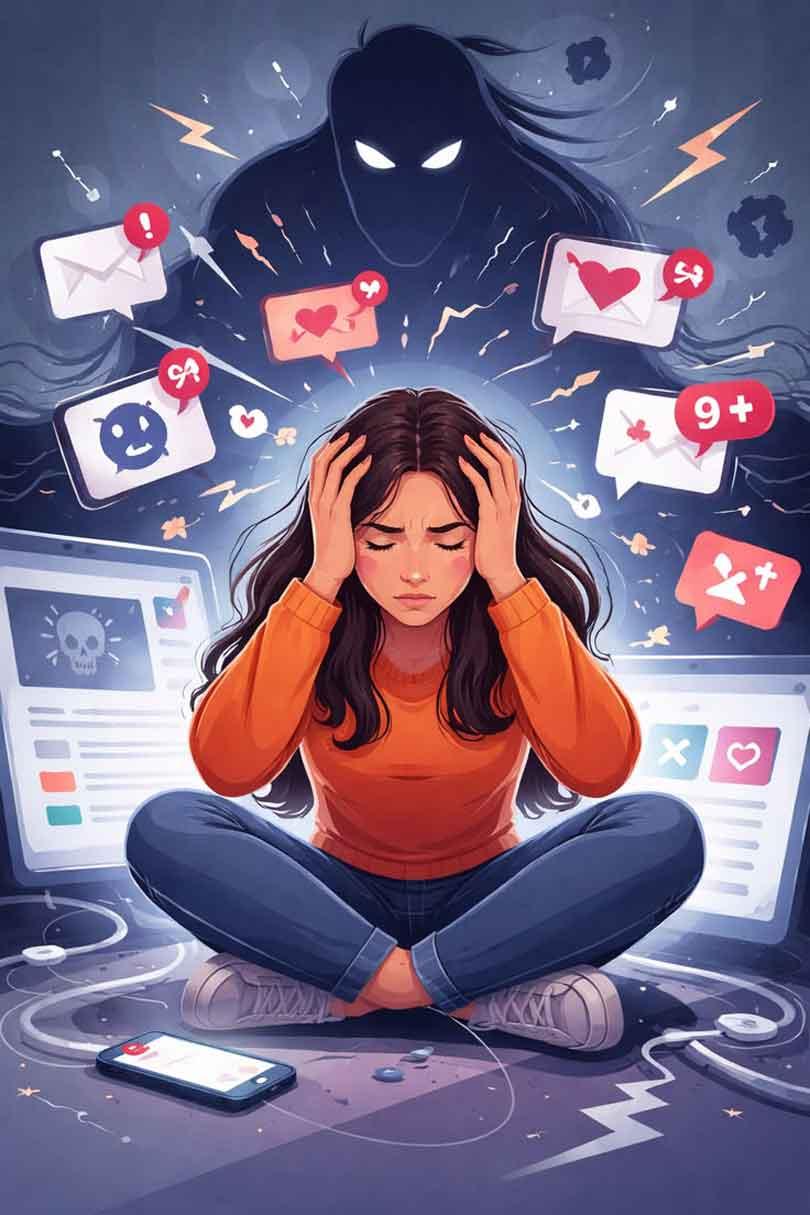
The concern arises when audiences begin to perceive these highly curated realities as normal life. Young audiences in particular are vulnerable to such pressure. Constant exposure to unrealistic beauty standards, expensive lifestyles, and idealized routines can negatively affect self-confidence, body image, financial habits, and mental well-being. When influencers simultaneously promote products while presenting unattainable lifestyles, the line between inspiration and manipulation becomes increasingly thin.
Another growing concern is the use of entertainment-driven marketing strategies. Many influencers intentionally rely on humor, viral trends, sarcasm, and comedic storytelling to make advertisements appear more natural and relatable. There is nothing inherently unethical about creative marketing. Entertainment has always been part of effective communication. The ethical concern begins when humor distracts audiences from important information or minimizes the seriousness of what is being promoted.
Risky financial behavior, unhealthy products, or misleading advice can appear harmless when packaged within entertaining content. Audiences often lower their critical judgment when content feels funny or emotionally relatable, making such promotions particularly influential. At the same time, influencer culture today also exists under constant public scrutiny. Many content creators argue that social media has created an environment where almost every action becomes a target for criticism. Influencers frequently face backlash over partnerships, opinions, or promotional campaigns regardless of whether the product itself is genuinely harmful or unethical.
In some situations, even creators promoting socially responsible or harmless products become targets of unnecessary online outrage. Visibility naturally attracts judgment, and controversy often spreads faster than context. There is some truth to this argument. Social media algorithms tend to reward emotional reactions, public arguments, and controversy because such interactions generate higher engagement. Criticism, reposts, debates, and outrage often increase visibility for both influencers and brands. In certain cases, backlash itself unintentionally becomes part of the campaign’s publicity.
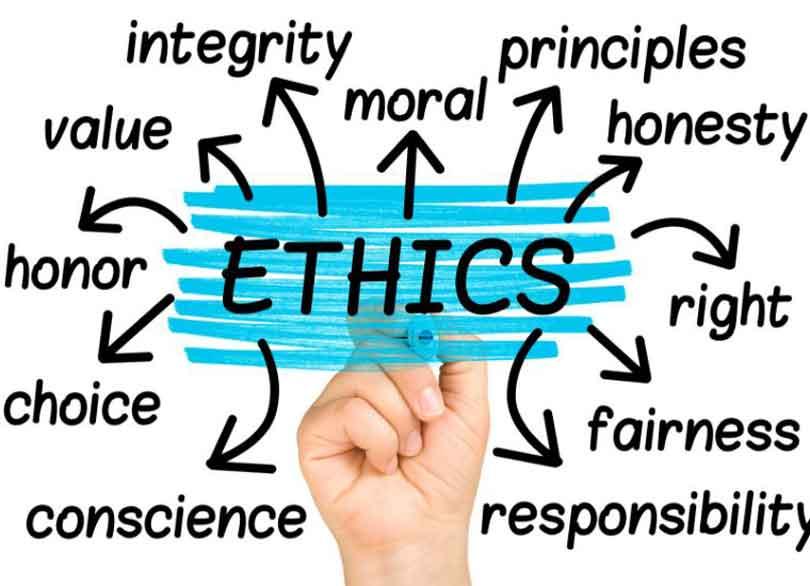
However, dismissing all criticism as meaningless negativity would also be irresponsible. There is a clear difference between reaction-driven outrage and legitimate public accountability. When influencers promote misleading schemes, dishonest advertising, harmful products, or irresponsible messaging, criticism becomes both reasonable and necessary. Modern audiences are increasingly aware of ethical concerns surrounding digital advertising. Consumers today question whether influencers genuinely believe in the products they endorse, whether sponsorships are clearly disclosed, and whether certain campaigns encourage unrealistic or harmful behavior.
This creates an important distinction within influencer culture. Ethical creators may sometimes face unfair criticism because of the highly reactive nature of social media, while other influencers receive legitimate backlash because their actions raise genuine ethical concerns. The challenge, therefore, is not to avoid criticism entirely, but to understand the nature of it. For influencers, this means carefully evaluating the brands and products they promote while recognizing that public perception is now an unavoidable part of digital influence. For audiences, it means learning to distinguish between genuine ethical concerns and unnecessary outrage culture.

Not every controversy deserves cancellation, but not every criticism should be ignored either. A mature digital environment requires balance, fairness, transparency, and accountability from both influencers and the public. Brands themselves also carry significant responsibility within ethical marketing. Many companies continue to focus heavily on follower counts, reach, impressions, and engagement statistics while ignoring the credibility and ethical reputation of the influencers they partner with. This short-term approach can become extremely costly.
An influencer may generate impressive visibility while simultaneously damaging public trust through controversial behavior or irresponsible endorsements. Ethical marketing therefore requires businesses to evaluate partnerships beyond popularity alone. Audience quality, communication style, authenticity, professionalism, and long-term credibility matter just as much as engagement numbers. At the same time, influencers themselves must understand that credibility is their most valuable long-term asset. Short-term profits earned through questionable promotions can permanently damage audience trust. In today’s digital environment, audiences remember dishonesty and irresponsibility far longer than temporary viral trends.
Globally, marketing practices are gradually shifting toward greater transparency and accountability. Consumers increasingly support brands and creators who demonstrate honesty, authenticity, and social responsibility rather than manufactured perfection. Clear sponsorship disclosures, responsible advertising, authentic storytelling, and carefully selected partnerships are becoming increasingly important across the industry. Audiences now expect transparency not only from corporations, but also from the personalities representing them. The rise of artificial intelligence has introduced another layer of ethical concern. AI-generated influencers, digitally manipulated endorsements, and synthetic promotional content are beginning to challenge traditional ideas of authenticity. As technology continues to evolve, regulators and social media platforms will likely introduce stricter standards to ensure audiences are not misled by fabricated identities, manipulated visuals, or artificially generated advertising practices. This shift will become particularly important as digital content grows more sophisticated and difficult to distinguish from reality. The future of ethical marketing may therefore depend not only on transparency from influencers, but also on stronger digital literacy among audiences themselves.
Ultimately, ethical marketing is not about restricting creativity or limiting influencer culture. Influencer marketing remains one of the most effective communication tools of the digital age when used responsibly. The real responsibility lies in ensuring that influence is exercised with honesty, awareness, and accountability. The future of influencer marketing will not depend solely on virality, visibility, or engagement metrics. Long-term success will increasingly depend on credibility, integrity, and the ability to maintain public trust in an increasingly skeptical digital environment. Because in today’s influencer economy, attention may create visibility, but credibility is what creates longevity.