When Religious Authorities Face Scrutiny: Sacred Power, Silent Victims

In Sri Lanka, religious leaders occupy a unique and powerful position in society. They are welcomed into homes, entrusted with the moral education of children, consulted during family crises, and often treated with a level of respect that extends beyond ordinary social boundaries. Whether monk, priest, pastor, or maulavi, these figures are frequently viewed as guardians of virtue. But what happens when individuals entrusted with such authority become the subject of serious allegations involving children?
The recent remand of a 21-year-old person, who is allegedly a moulavi from Eragama over serious accusations involving the abuse of a 14-year-old girl has reignited public debate that many communities would prefer to avoid. The case remains under investigation, and the accused is entitled to the presumption of innocence until proven guilty in a court of law. Yet the public significance of this case extends far beyond the courtroom. The allegations force Sri Lanka to confront difficult questions about power, accountability, and the culture of silence that too often surrounds accusations involving respected figures.
The immediate reaction following allegations against religious authorities often follows a familiar pattern. Communities express shock. Supporters insist that the accused could never commit such acts. Social media becomes divided between those demanding accountability and those calling for restraint. The problem is not the call for due process. Due process is fundamental to justice. The problem emerges when due process becomes a convenient excuse to silence discussion altogether.
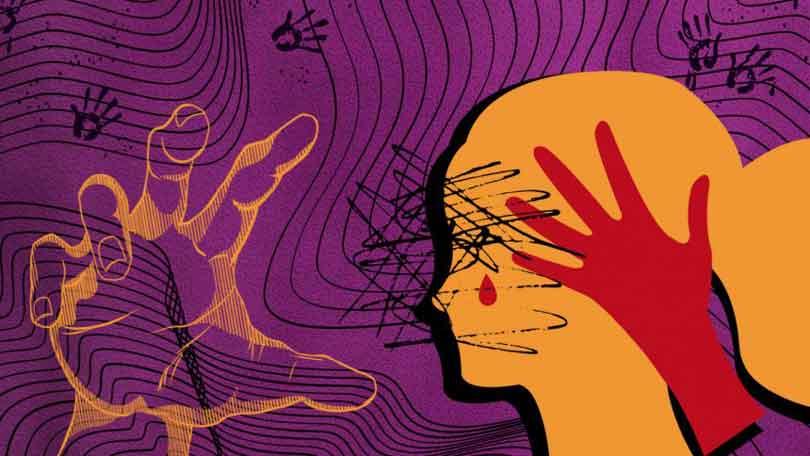
Perhaps one of the most disturbing aspects of abuse allegations is not the allegation itself, but the speed at which some people rush to defend the accused before investigations have even begun to unfold. Before evidence is examined, before victims are heard, and before courts have an opportunity to establish facts, there are often individuals more concerned about protecting reputations than protecting children. Why does a religious title suddenly become more important than a child's safety?
- Why are communities willing to interrogate the credibility of a child more aggressively than the conduct of an adult in a position of authority?
- Why do some people instinctively defend the powerful while demanding impossible standards of proof from the vulnerable?
These questions are uncomfortable because they reveal a reality many prefer not to acknowledge.
Sri Lanka does not have a child protection problem because abuse exists. Every society faces that challenge. Sri Lanka has a child protection problem because far too many people remain willing to look away when allegations emerge against individuals they admire.
Across the world, investigations involving religious institutions have revealed a common pattern. Abuse thrives where authority goes unquestioned. It flourishes where institutions prioritise reputation over transparency. It survives where victims fear they will not be believed. This is not a criticism of religion. It is a criticism of power without accountability.
Equally concerning is the pattern that occasionally emerges when allegations are raised against respected authority figures. Rather than openly confronting accusations and prioritising transparency, institutions sometimes appear more comfortable moving individuals, reshuffling responsibilities, or quietly removing them from public attention. The faces change. The locations change. The titles remain. The question is simple: does changing the setting address the harm, or merely relocate the discomfort?
For victims, such actions can feel less like accountability and more like avoidance. Communities are encouraged to move on, forgive, forget, and trust that the matter has been handled internally. Yet accountability conducted behind closed doors often leaves more questions than answers. What is perhaps most unsettling is how readily society participates in this silence. We call it compassion. We call it forgiveness. We call it understanding. We remind ourselves that religious leaders, teachers, community elders, and public figures are human beings with emotions and weaknesses.

And that is true. They are human. But humanity explains behaviour; it does not excuse it. Feelings are not a defence against misconduct. Authority is not a shield against scrutiny. Respect is not immunity from accountability. When concern for an institution's reputation outweighs concern for those who may have been harmed, society begins protecting power rather than pursuing truth.
Some describe the instinct to shield authority figures as compassion. Others call it forgiveness. Some frame it as an act of love. Yet genuine compassion should never require silence from victims. Forgiveness should never replace accountability. Love should never become a shield that protects the powerful from the consequences of their actions.
There is also a recurring argument heard whenever allegations emerge against religious figures: that they are human too, that they have feelings too. Of course they do. Religious leaders are human beings, not supernatural entities. They experience emotions, desires, loneliness, frustration, and personal struggles like anyone else. But acknowledging humanity does not excuse misconduct. In fact, the very recognition that religious leaders are human is precisely why accountability is necessary. Positions of trust demand higher standards, not lower ones. The existence of human feelings cannot become a defence against allegations of abuse, exploitation, or misconduct. If anything, it underscores the importance of safeguards, oversight, and clear boundaries.
The issue is not whether a priest, monk, nun, pastor, or moulavi has feelings. The issue is what they choose to do with the authority entrusted to them. Faith itself is not the problem. The problem arises when communities become so invested in preserving the image of religious institutions that they lose sight of the very values those institutions claim to uphold.
If morality means anything, it must begin with protecting the vulnerable. Children occupy the most vulnerable position in society. They depend on adults for safety, guidance, and protection. They trust the people around them because they are taught to do so. When that trust is allegedly violated, the consequences can be devastating and long-lasting.
Yet public discourse often focuses on the wrong questions. Instead of asking whether children feel safe reporting misconduct, society asks how allegations might affect the reputation of a temple, mosque, church, or religious community. Instead of examining institutional safeguards, attention shifts toward defending personalities. Instead of discussing prevention, communities become consumed by denial. This response serves no one. Not victims. Not families. Not communities. And certainly not religious institutions themselves.
Strong institutions do not fear scrutiny. They welcome it. Transparency should not be viewed as hostility. Accountability should not be viewed as persecution. Investigation should not be mistaken for prejudice. A community that genuinely values justice should be the first to demand that allegations are investigated thoroughly and impartially.
The instinct to shield authority figures from scrutiny sends a dangerous message. It tells victims that speaking up may result in isolation, ridicule, or disbelief. It tells families that challenging respected individuals comes with social consequences. It tells potential offenders that status can function as a protective shield. No society should tolerate such a message. These cases are not simply about accused individuals. It is about the broader systems surrounding children and authority.
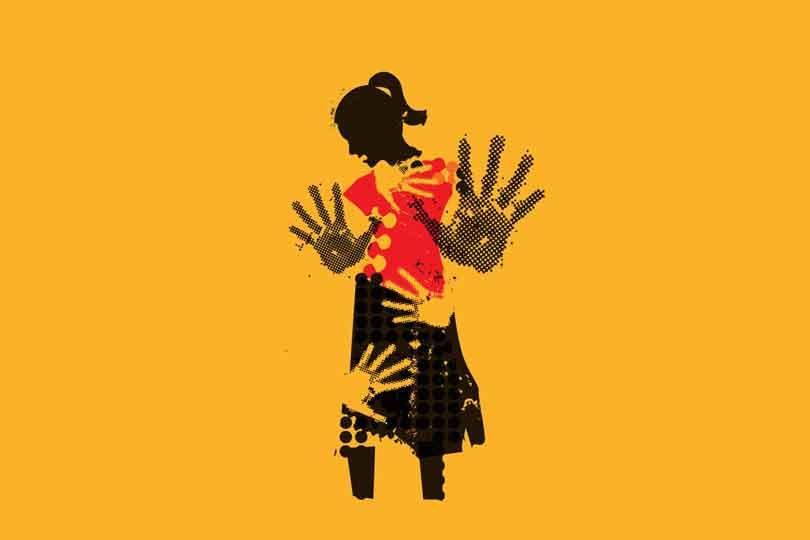
How many religious institutions have formal child safeguarding policies? How many conduct background checks? How many provide clear reporting mechanisms for concerns? How many educate children about personal boundaries and consent? How many actively encourage questioning rather than blind obedience?
These are not anti-religious questions. They are pro-child questions. The unfortunate reality is that abuse is not confined to any particular religion, ethnicity, profession, or social class. Cases have emerged involving teachers, coaches, clergy members, relatives, neighbours, and community leaders across the world. The common denominator is not faith. The common denominator is power.
Wherever significant power exists without sufficient oversight, opportunities for exploitation increase. That reality should concern every parent, every religious institution, and every citizen who believes children deserve better.

The purpose of raising these questions is not to condemn entire communities. Collective blame serves no productive purpose. Most religious leaders dedicate their lives to serving others and contribute enormously to social wellbeing. But respect for institutions must never come at the expense of accountability.
If allegations are false, investigations should establish that. If allegations are true, justice should follow. The principle remains the same. No title should place an individual above scrutiny. No robe should place an individual beyond accountability. No institution should be so powerful that questioning it becomes taboo.
As investigations continue, Sri Lanka faces a choice. It can continue responding to allegations with denial, defensiveness, and outrage whenever respected figures come under scrutiny. Or it can choose a different path. A path where children are believed enough to be heard. A path where institutions embrace transparency rather than fear it. A path where accountability strengthens public trust rather than undermines it.
The true measure of a society is not how fiercely it protects the powerful. It is how relentlessly it protects the vulnerable. There is a final question that sits beneath all of this, and it belongs not to religious institutions alone but to all of us. Why are so many people fiercely opposed to comprehensive sexual education, yet strangely silent when victims come forward? Why does a classroom discussion about consent provoke more outrage than allegations of abuse? Why are conversations about bodily autonomy considered controversial, while conversations about exploitation are so often avoided?
Is it discomfort? Denial? Tradition? Or is it simply easier to argue about prevention than to confront the realities that make prevention necessary? Society cannot claim to care about protecting the vulnerable while simultaneously rejecting the very tools that help people recognize grooming, coercion, manipulation, and abuse. Knowledge is not corruption. Awareness is not immorality. Education is not the enemy. Silence is. Every time we refuse to have difficult conversations; we create space for harmful behaviour to remain hidden. Every time we treat discussions about consent and personal safety as taboo, we leave young people less equipped to recognize danger when it appears. The question is not whether these conversations are uncomfortable. The question is why protecting that comfort remains more important than protecting people. When a child speaks, are we prepared to listen? That is the question facing Sri Lanka today. And perhaps our answer will reveal whether we value justice more than authority, truth more than reputation, and people more than power.
Because while institutions may hope that public outrage fades and uncomfortable questions disappear, many of us are no longer willing to look away. We are wide awake. We are watching. We are asking questions. We are researching. We are documenting. And we are raising our voices for what matters.
- For those who have been silenced.
- For those who have been ignored.
- For those who are too afraid to speak.
- For those who never had the power to be heard.
The vulnerable deserve protection. Victims deserve justice. And no title, robe, institution, or position of authority should ever stand above accountability. The conversation is not ending here.
Not while there are questions left unanswered. Not while there are victims left unheard. And certainly not while power continues to expect silence from those determined to speak.