Wildlife Photography in Sri Lanka MORE THAN JUST A PRETTY Picture
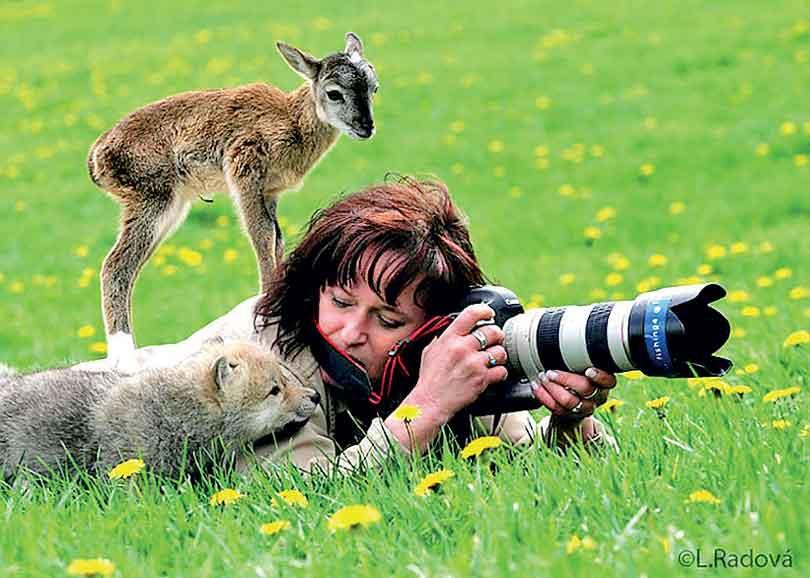
The perfect wildlife photograph lasts a fraction of a second. The journey to capture it can take days, months, or even years. For most of us, wildlife photography is something we admire from the comfort of our phones. A leopard resting on a tree branch. An elephant calf running beside its mother. A serpent eagle taking flight at sunrise. We double tap, scroll, and move on. What we rarely stop to think about is the person behind the lens, who probably woke up at three in the morning, travelled for hours, sat in blistering heat, fought off mosquitoes and leeches, and perhaps returned home with nothing more than a handful of blurred images and sore muscles.
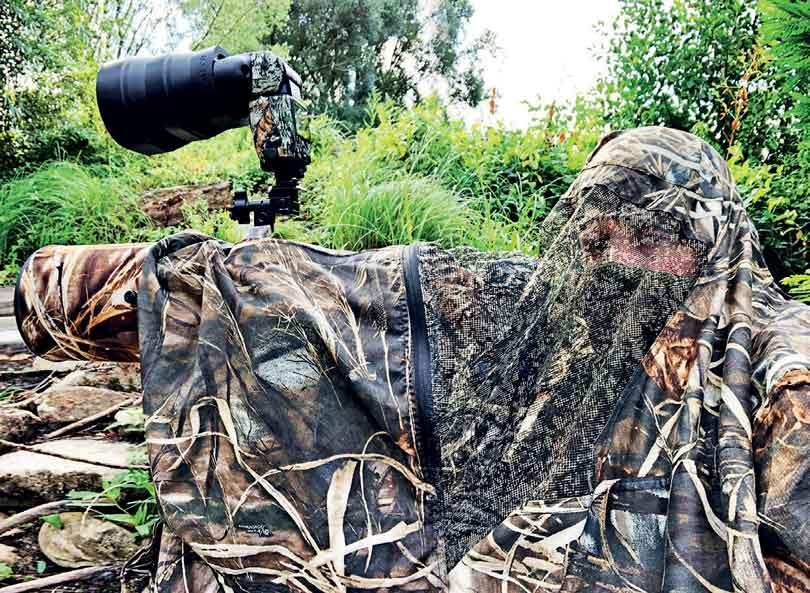
Wildlife photography is often mistaken for an expensive hobby with glamorous results. In reality, it is one of the most demanding forms of photography. It requires technical skill, patience, physical endurance, a deep understanding of animal behaviour, and above all, respect for the natural world. In Sri Lanka, where biodiversity is one of our greatest treasures, wildlife photographers are not merely taking pictures. They are documenting ecosystems, telling stories of survival, and in many cases, preserving moments that may never be seen again. Sri Lanka is often celebrated for having an extraordinary concentration of wildlife packed into a relatively small island. Within a single day, a photographer can move from misty cloud forests to dry zone scrublands, wetlands, mangroves, or the open ocean. Few countries offer the opportunity to photograph leopards, elephants, sloth bears, endemic birds, crocodiles, whales and sea turtles without crossing international borders. It is no surprise that wildlife photographers from around the world continue to flock here. Yala National Park has become synonymous with leopard photography, while Wilpattu offers quieter encounters for those willing to wait. Udawalawe remains a paradise for elephant enthusiasts, and Minneriya's famous elephant gathering continues to draw global attention. Sinharaja Forest Reserve provides endless opportunities to photograph endemic birdlife, while the southern coast offers encounters with blue whales and dolphins. Yet the beauty of wildlife photography in Sri Lanka lies beyond these famous locations. Sometimes the most remarkable subject is not the leopard everyone is chasing. It is the tiny tree frog clinging to a leaf after the rain. It is the dragonfly balancing effortlessly above a marsh. It is the spider whose intricate web sparkles with morning dew. Nature has never been particularly concerned with popularity contests. Despite this incredible natural wealth, wildlife photography is not as simple as pointing a camera at an animal and pressing a button.
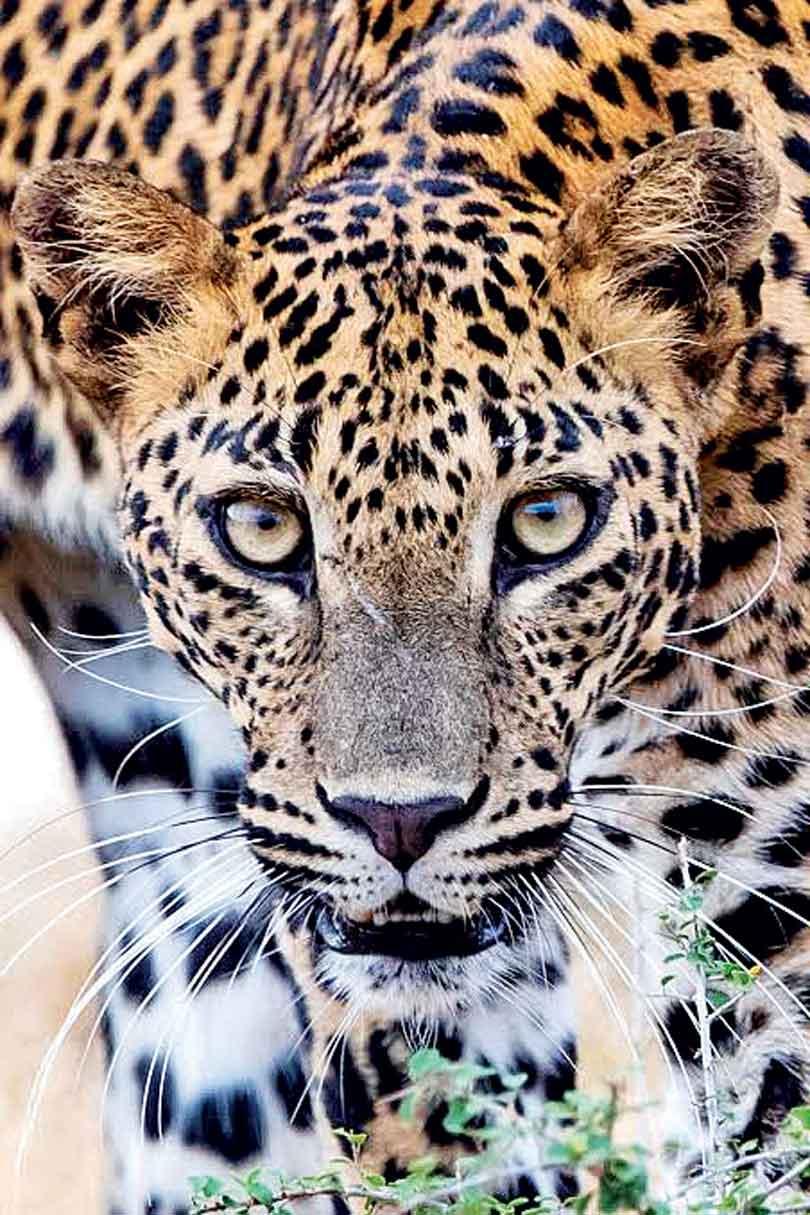
One of the biggest misconceptions is that success depends entirely on expensive equipment. Social media has convinced many aspiring photographers that buying the latest camera body or the longest telephoto lens is all it takes. If only wildlife were that cooperative. Professional equipment certainly helps. Fast autofocus systems, weathersealed cameras, and sharp telephoto lenses allow photographers to work from safe distances while capturing fine details. However, equipment is only a tool. Knowing when a leopard is likely to emerge from thick vegetation, recognising the alarm calls of langurs, predicting the flight path of a beeeater, or understanding how elephants communicate with one another often proves far more valuable than owning the newest gear. “Patience is perhaps the most underrated piece of equipment any wildlife photographer owns.” Hours can pass without a single photograph. Entire days can end without spotting the species one hoped to document. There are
photographers who spend weeks waiting for a particular bird to perch on the right branch under the right light. Others revisit the same location season after season until nature decides to cooperate. Unlike studio photography, wildlife does not work according to anyone's schedule. The animals have not signed a contract agreeing to pose for your portfolio. The financial reality. Wildlife photography is expensive, and there is little point pretending otherwise. A professional camera body can cost hundreds of thousands of rupees. Telephoto lenses, which are essential for photographing animals without disturbing them, often cost even more. Add tripods, memory cards, batteries, protective gear, backpacks, rain covers, cleaning equipment and insurance, and the costs continue to climb. Before stepping into the field. Fuel prices, vehicle maintenance, accommodation near national parks, entrance fees, permits, guides and food all become recurring expenses. Many photographers visit the same park repeatedly throughout the year because wildlife cannot be scheduled around weekends or public holidays. Some travel across the country chasing migratory birds or seasonal wildlife events, knowing full well there is no guarantee of success. Ironically, some of the most celebrated wildlife photographers will admit that they have spent a small fortune capturing photographs that many people view for five seconds on social media before scrolling to a recipe video. The demanding physical challenges. Wildlife photography is not always the peaceful escape people imagine. It often involves standing in unbearable heat for hours, carrying several kilograms of equipment through forests, climbing uneven terrain, enduring sudden downpours, and remaining perfectly still while mosquitoes decide you are today's buffet. Sleep quickly becomes a luxury. Many expeditions begin well before sunrise because wildlife is most active during the cooler hours of the day. Photographers routinely leave their accommodation while the rest of the country is still asleep, hoping to reach the right location before first light. The reward might be a spectacular encounter. It might also be absolutely nothing. And that is simply part of the job. Perhaps the greatest challenge, however, is not physical exhaustion or financial pressure. It is learning to accept disappointment. Nature does not owe us a photograph.
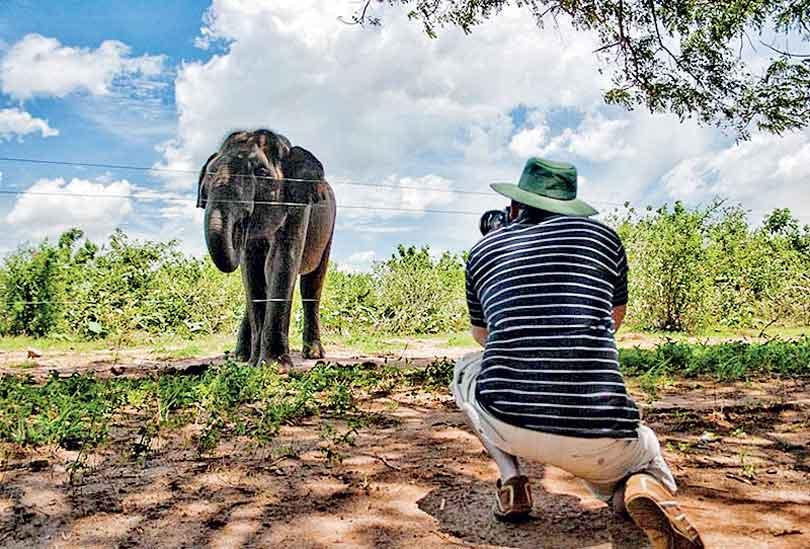
\Sometimes the leopard walks behind a bush. Sometimes the elephant turns away at the exact moment the light becomes perfect. Sometimes the rare bird never appears despite waiting the entire day. Equipment fails. Batteries die. Rain arrives unexpectedly. The image that existed perfectly in your imagination remains exactly there. In an era where social media showcases flawless wildlife photographs every day, it becomes easy to forget how many failures exist behind every successful image. For every breathtaking photograph posted online, there are hundreds of missed opportunities that nobody will ever see. Perhaps that is why wildlife photography teaches one of life's most valuable lessons. Not everything worth experiencing can be measured by what ends up on a memory card. PicturePicture