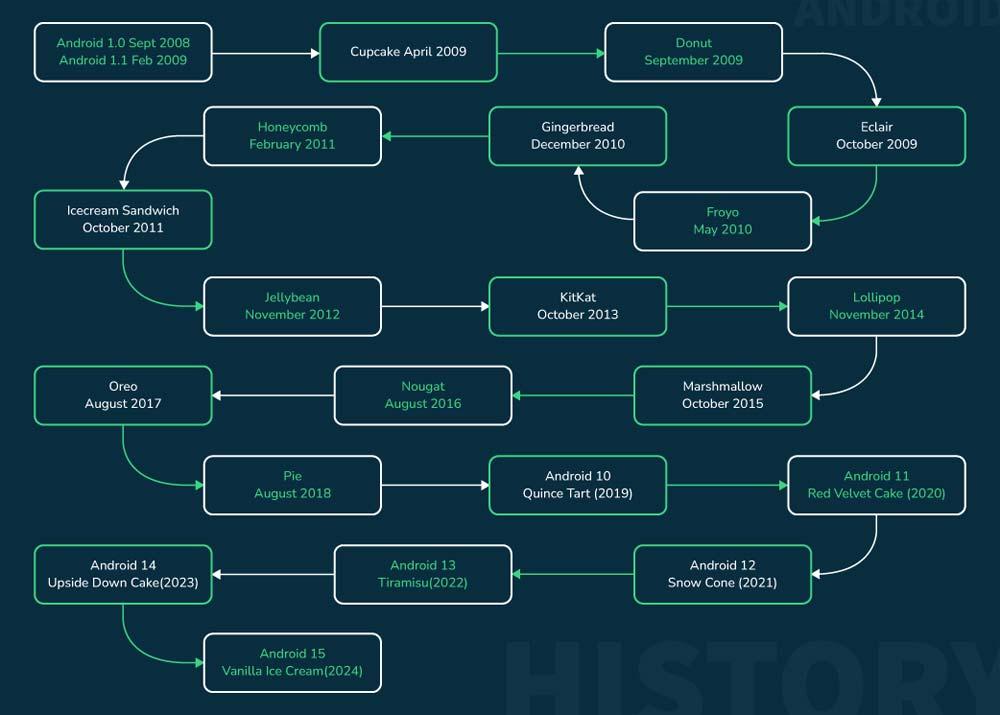
The Sweet History of Android’s Dessert Names From Cupcake to Pie

Before Android versions became known simply by numbers, every major update arrived with a name that made technology feel a little more playful. For more than a decade, Google followed a unique tradition of naming Android releases after desserts and sweet treats, giving each new version of its mobile operating system a memorable identity.
From Cupcake and Donut to KitKat and Oreo, these names became an important part of Android’s history. They helped connect millions of users with the rapid evolution of smartphones and tablets, turning what could have been ordinary software updates into moments of excitement and anticipation.
When Android first launched in 2008, however, the dessert tradition had not yet officially begun. Android 1.0 and Android 1.1 were publicly known simply by their version numbers. These early releases laid the foundations for what would eventually become one of the most widely used mobile operating systems in the world. Android was still relatively new, competing in a rapidly changing smartphone market and establishing its identity among consumers and technology companies.
That identity began to take on a much sweeter personality in 2009 with the release of Android 1.5 Cupcake. Cupcake was the first Android version to receive a public dessert themed name and marked the beginning of an alphabetical naming system that would continue for years.
Cupcake introduced several important improvements to the Android experience. It added support for third party virtual keyboards, allowing users to personalise the way they typed on their phones. It also introduced video recording and playback, expanded the use of widgets and provided more opportunities for users to customise their devices. These features may seem ordinary by modern smartphone standards, but at the time they represented significant steps forward for the young Android platform.
More importantly, Cupcake established a naming tradition that would become one of Android’s most recognisable characteristics. Instead of identifying software releases only through numbers, Google gave each major update its own personality.
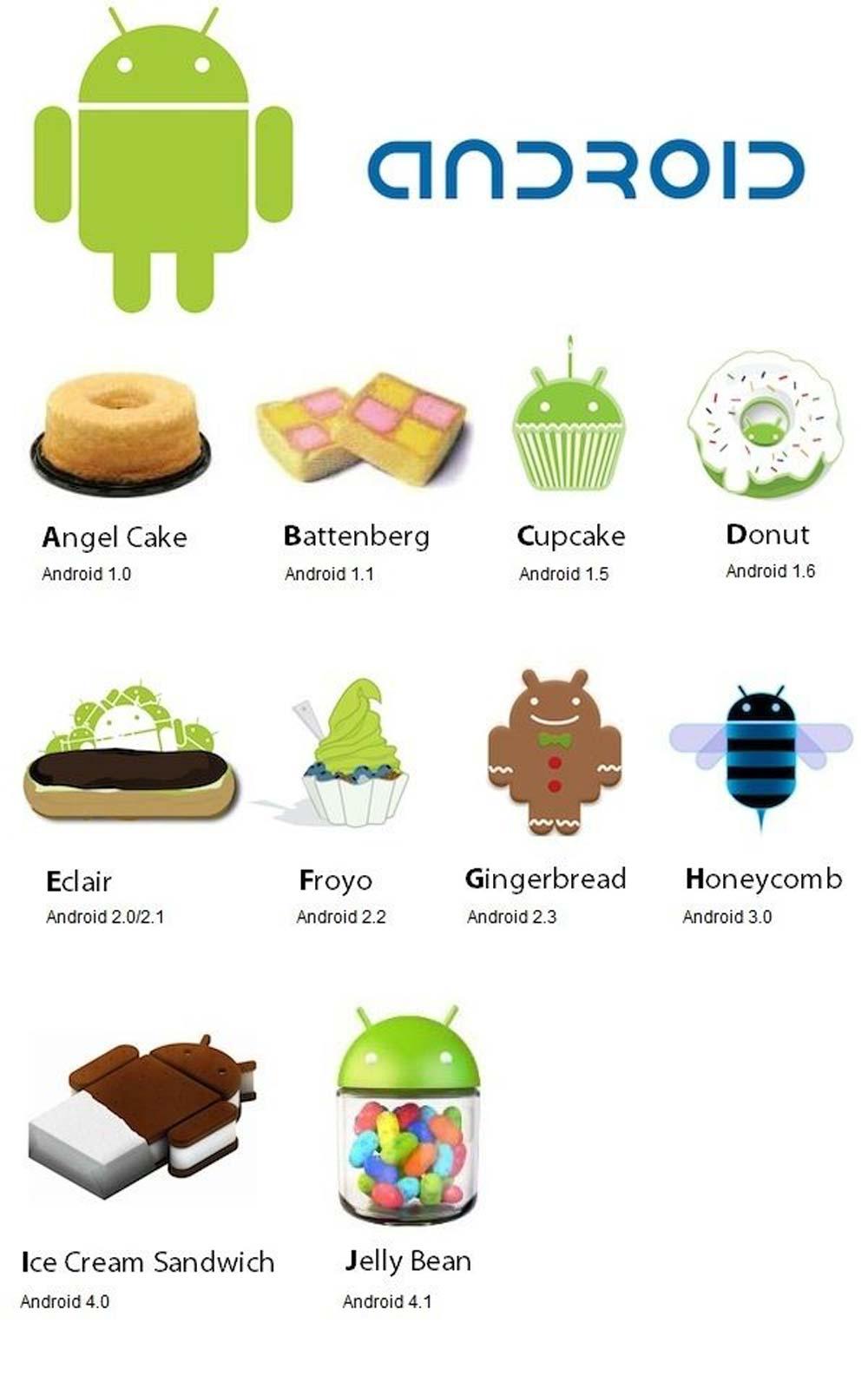
Following Cupcake, Google continued its journey through the dessert menu with Android 1.6 Donut. Released later in 2009, Donut improved Android’s ability to work across different screen sizes and resolutions, an increasingly important development as more manufacturers began producing Android devices. It also introduced improvements to search and made it easier for users to find information across their phones and the internet.
Next came Android 2.0 Eclair. The update brought a range of improvements to the Android experience, including enhancements to navigation, camera functionality and the overall interface. Android was quickly becoming more sophisticated, and Eclair helped demonstrate how rapidly the platform was evolving.
In 2010, Google introduced Android 2.2 Froyo, a shortened version of frozen yogurt. Froyo focused heavily on improving performance and efficiency. Android devices became faster and more responsive, helping the operating system compete with other major smartphone platforms. The update also arrived at a time when smartphones were becoming increasingly important in everyday life, with more people relying on their devices for communication, entertainment and access to the internet.
Later that year, Android 2.3 Gingerbread arrived. Gingerbread introduced a refreshed interface and improvements designed to make Android more efficient and easier to use. It also brought better support for gaming and other increasingly demanding mobile applications. Gingerbread became one of the longest lasting versions of Android and powered millions of smartphones around the world.
As Android expanded beyond smartphones, Google introduced Android 3.0 Honeycomb. Unlike previous releases, Honeycomb was created specifically with tablets in mind. Its interface was redesigned to make better use of larger screens, reflecting the growing popularity of tablet computers at the time.
Honeycomb represented an interesting stage in Android’s development because it demonstrated Google's ambition to make the operating system work across different types of devices. However, maintaining separate experiences for smartphones and tablets was not a permanent solution.
That changed with one of Android’s most memorable releases, Android 4.0 Ice Cream Sandwich.
Released in 2011, Ice Cream Sandwich brought the smartphone and tablet versions of Android together into a more unified platform. It introduced a cleaner and more modern visual experience and helped establish a consistent design direction for Android devices. The release also introduced Google’s Holo design language, giving Android a more distinctive and recognisable appearance.
Ice Cream Sandwich represented an important moment in Android’s evolution. The operating system was no longer simply trying to establish itself in the smartphone market. It was becoming a mature platform capable of supporting an increasingly diverse range of devices.
The following years brought some of the most popular names in Android’s dessert history.
Android 4.1 Jellybean focused heavily on making the operating system smoother, faster and more responsive. It introduced improvements to notifications and refined the overall user experience. Jellybean became one of the most widely used Android versions of its era and helped strengthen Android’s position as a leading mobile operating system.
By this point, the dessert naming tradition had become deeply connected to Android’s identity. Every new release generated speculation about what the next name would be. Because the names followed the alphabet, users knew which letter would come next but not which dessert Google would choose.
In 2013, Google surprised the technology world with Android 4.4 KitKat.
Until then, Android names had generally referred to types of desserts rather than specific commercial brands. KitKat changed that. Google partnered with Nestlé, which produces KitKat globally, and Hershey, which licenses the brand in the United States, to use the famous chocolate bar's name for the new Android release.
The partnership generated enormous attention and turned the Android update into a much bigger cultural moment. Android branded KitKat packaging appeared in shops, while the familiar Android robot became associated with one of the world's most recognisable confectionery brands.
Beyond its memorable name, Android KitKat focused on improving performance, particularly on devices with more limited hardware. This was important because Android was being used across a huge range of smartphones at different price points. By making the operating system more efficient, Google could bring modern Android features to a wider audience.
The next major release was Android 5.0 Lollipop in 2014.
Lollipop represented one of the biggest visual transformations in Android’s history. It introduced Google’s Material Design language, which brought brighter colours, cleaner layouts, smoother animations and a stronger sense of visual consistency across the operating system.
Material Design influenced not only Android itself but also the appearance of countless mobile applications and Google services. Lollipop helped create a more polished and modern identity for Android at a time when smartphone design was becoming increasingly important to consumers.
In 2015, Google continued the dessert tradition with Android 6.0 Marshmallow.
Rather than completely transforming the appearance of Android, Marshmallow focused on refining the experience and giving users greater control over their devices. One of its most important additions was improved app permissions. Users gained more control over the information and features that individual applications could access.
Marshmallow also introduced Doze Mode, which was designed to improve battery life by reducing unnecessary background activity when a device was not being actively used. Battery performance had become an increasingly important concern as smartphones grew more powerful, and features such as Doze demonstrated Google's efforts to balance performance with efficiency.
Next came Android 7.0 Nougat in 2016.
Nougat introduced features designed to make smartphones more practical for multitasking. Split screen functionality allowed users to run two compatible applications at the same time, making it easier to work across different apps without constantly switching between them. The update also improved notifications and introduced further performance enhancements.
By this stage, Android had evolved dramatically from the operating system first introduced in 2008. Smartphones had become essential parts of everyday life, and Android was powering devices used by people across the world.
In 2017, Google introduced Android 8.0 Oreo, returning once again to a famous branded sweet treat.
The Oreo partnership followed the precedent established by KitKat and gave Android another instantly recognisable name. The release itself introduced a variety of improvements designed to make Android faster, more efficient and easier to use.
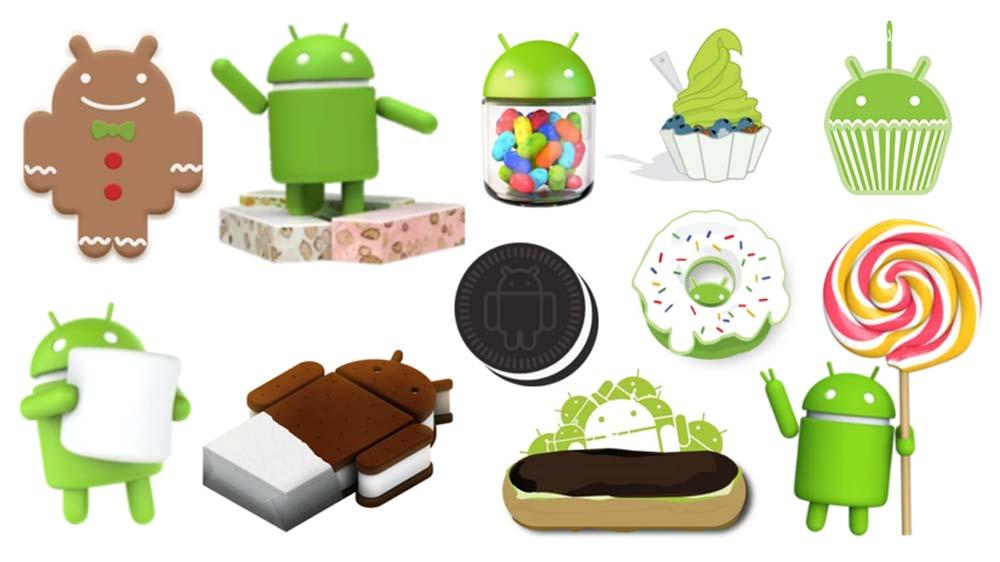
Oreo included faster boot times on supported devices, notification dots that helped users see when apps had new information and restrictions on background activity designed to improve battery performance. These changes reflected Android’s increasing maturity. Rather than focusing only on dramatic new features, Google was also working to make the everyday smartphone experience more reliable and efficient.
The final Android version to receive a public dessert name was Android 9 Pie, released in 2018.
Pie arrived at a time when artificial intelligence and machine learning were becoming increasingly important in consumer technology. The update introduced features designed to make Android more intelligent and responsive to individual users.
Adaptive Battery used machine learning to prioritise battery power for the applications people used most frequently, while other adaptive features attempted to make the smartphone experience more personalised. Pie also introduced changes to navigation, including a greater emphasis on gesture-based controls.
With Android Pie, the public dessert naming tradition reached the end of the alphabet's first major journey from Cupcake to Pie.
The following year, Google changed direction. Instead of publicly naming the next release after a dessert beginning with the letter Q, the company introduced it simply as Android 10. From that point onwards, major Android releases would be publicly identified primarily by numbers.
The decision marked the end of an era.
The dessert names had been much more than a simple branding exercise. They gave Android releases personality and made software updates easier for everyday users to recognise and remember. Instead of saying their phone was running Android 5.0, users could simply say they were using Lollipop. Rather than remembering version 8.0, they could remember Oreo.
Names such as Gingerbread, Jellybean, KitKat and Marshmallow became closely connected with particular moments in smartphone history. For many longtime Android users, hearing these names can bring back memories of specific phones, applications and experiences from different periods in the evolution of mobile technology.
Google also embraced the playful nature of the tradition through its famous Android dessert statues. Large sculptures representing different versions of Android were displayed at Google's headquarters, often featuring the Android robot alongside the dessert associated with each release. The unveiling of a new statue became part of the excitement surrounding major Android announcements.
The alphabetical system added another layer of anticipation. Because users knew which letter was coming next, speculation about future names often began months before an official announcement. Technology websites, Android communities and fans around the world would debate which dessert Google might choose.
That sense of mystery made software releases feel like events rather than routine technical updates.
Although Google moved away from publicly using dessert names after Android Pie, the tradition remains one of the most memorable chapters in Android’s history. Behind the scenes, Google has continued to use dessert themed internal codenames for Android development, even though the versions presented to consumers are now identified by numbers.
The dessert era represents a period when the smartphone industry itself was evolving at extraordinary speed. Each new Android release introduced features that gradually shaped the modern mobile experience. Support for different screen sizes helped Android expand across countless devices. Performance improvements made smartphones faster. Better notifications transformed communication. Improved permissions gave users more control over privacy. Battery management features made devices more practical for everyday use.
At the same time, design changes transformed Android from a relatively basic mobile operating system into the polished platform used by billions of people.
Each dessert name became a marker along that journey.
Cupcake represented the beginning of Android’s playful public identity. Donut and Eclair reflected the platform’s early expansion. Froyo and Gingerbread arrived as Android gained momentum around the world. Honeycomb explored the possibilities of tablets, while Ice Cream Sandwich brought Android’s different experiences together.
Jellybean refined the platform. KitKat expanded its accessibility. Lollipop transformed its visual identity. Marshmallow gave users greater control. Nougat strengthened multitasking. Oreo focused on speed and efficiency. Finally, Pie introduced a more adaptive and intelligent approach to the smartphone experience. Together, these releases tell the story of Android’s transformation from a young mobile operating system into a global technology platform.
Today, Android versions are recognised publicly by straightforward numbers, making the naming system clearer and more consistent for a worldwide audience. Yet for many longtime users, the dessert names remain unforgettable.
Cupcake, Donut, Eclair, Froyo, Gingerbread, Honeycomb, Ice Cream Sandwich, Jellybean, KitKat, Lollipop, Marshmallow, Nougat, Oreo and Pie are more than a list of old software releases. They represent different stages in the development of the modern smartphone and capture a period when every major Android update arrived with its own distinctive personality.
The dessert era may have ended publicly, but its legacy remains firmly embedded in Android culture. It serves as a reminder of a time when a software update could inspire people to guess dessert names, watch for giant statues and look forward to discovering what sweet treat Google would choose next.
For more than a decade, Android proved that even something as technical as an operating system could have a sense of humour and character. The names helped make technology feel more approachable, memorable and human.
Android may now have a simpler numerical identity, but the sweetness of Cupcake, KitKat, Oreo and all the desserts in between will always hold a special place in the history of the world's most influential mobile operating systems.