Fame Game Featuring Beulah Dias Karunaratne
By Thasmina Sookoor
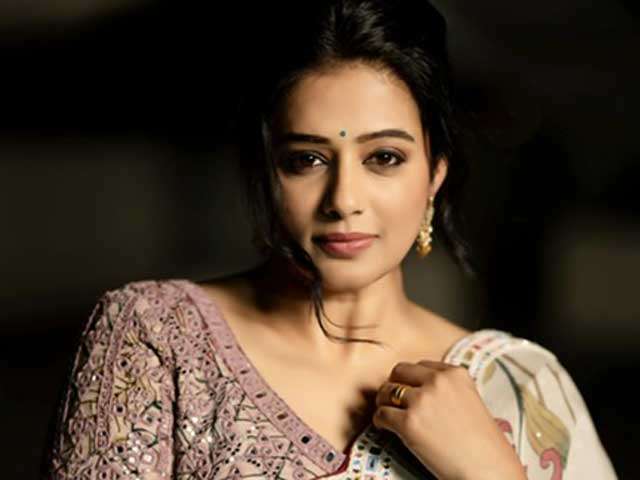
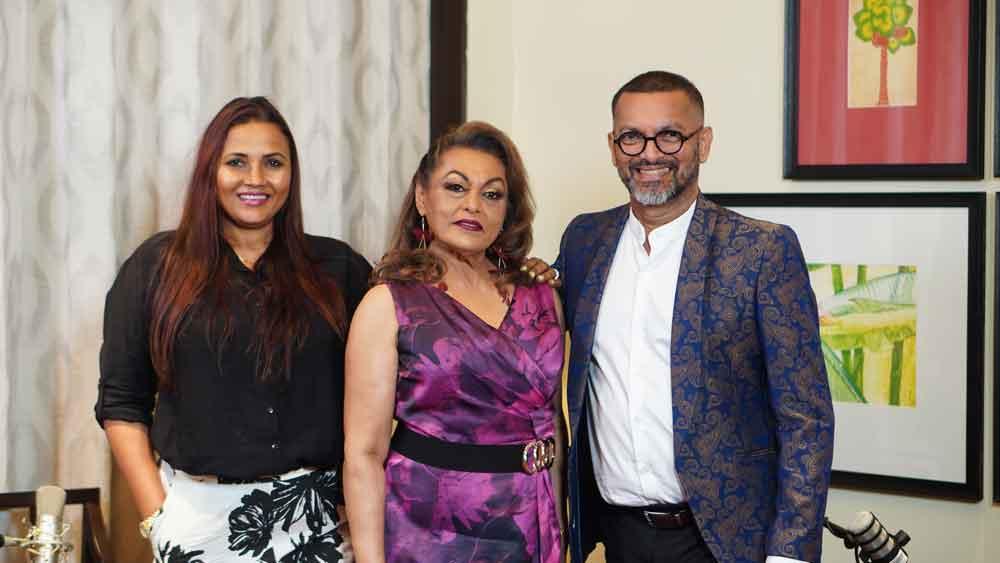
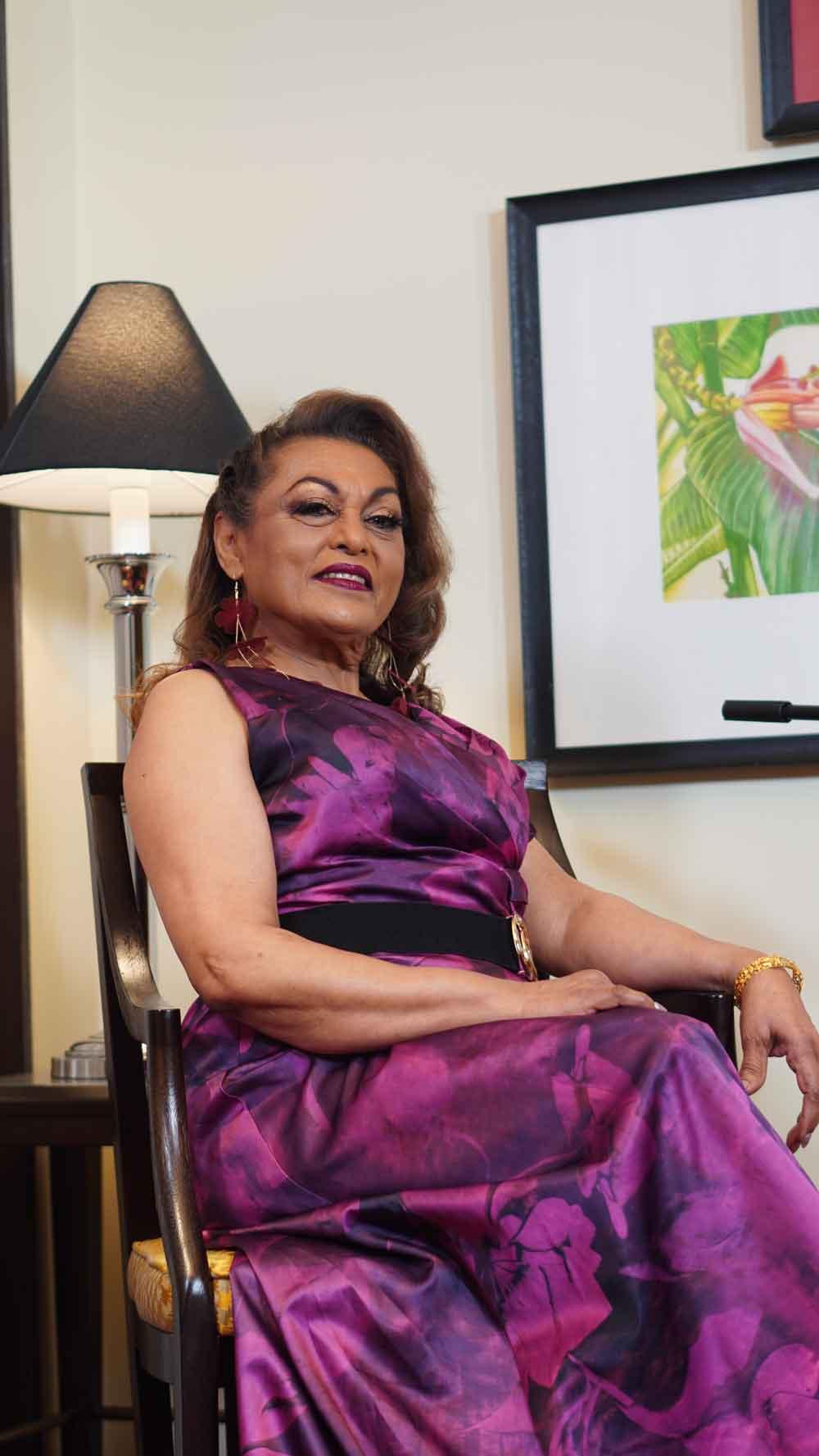
Sri Lankan actress and former model Beulah Dias Karunaratne remains best remembered for her unforgettable role in the 1974 film Dhulika, directed by K.W. Perera. Decades later, the graceful actress continues to be admired not only for her beauty and screen presence, but also for the humble and grounded life she chose away from fame. In a heartfelt conversation on Fame Game, hosted by Kumar de Silva and Rozanne Diasz, Beulah reflected on her acting career, modelling days, dancing tours, family sacrifices and her peaceful life today as a yoga instructor in Australia.
Q: Beulah, what was it like seeing yourself on screen for the first time?
A: I actually missed the premiere because I was away at the time. Later, director K.W. Perera arranged a special screening for me in a small theatre in a remote area. When we entered, the hall was almost empty because the show had already ended. For the first time in my life, I saw myself on the screen. I was completely numb. I did not know what to think. I remember feeling shocked more than anything else. Until then, I had never imagined myself as an actress or celebrity.
Q: Did you immediately realise you had become famous?
A: Not at all. After the film ended, we walked downstairs and suddenly I saw crowds of people waiting outside. They were all looking at me. I could not even come down properly because everyone wanted to see me. K.W. Perera told me to smile and wave. I was nervous because I knew nothing about the film industry or fans. It was all very new and overwhelming for me. Only later did I begin to understand that people recognised and admired me because of the film.
Q: You starred opposite Vijaya Kumaratunga in Dhulika. What was working with him like?
A: At that time, I did not fully understand how famous he already was. To me, he simply felt like another young actor working alongside me. We became friendly during filming. In those days, filmmaking was very different from today. There was only one camera and everything depended on natural sunlight. Sometimes we had to wake up at three in the morning and wait for the perfect light. If clouds appeared, filming had to stop until the sun came out again. It was hard work, but also a beautiful experience.
Q: Many girls were reportedly named Dulika after the film became popular. Did you realise the impact the film had on audiences?
A: Not immediately. I slowly understood how much people loved the character through fan letters and unexpected encounters. I remember groups of schoolboys travelling by train all the way to Ragama just to see me. They came wearing school uniforms and introduced themselves politely. They were very respectful and simply wanted to meet the actress they had seen on screen. Those moments made me realise how deeply the film had connected with people.
Q: What are your memories of school life at Good Shepherd Convent, Kotahena?
A: I first attended St. Sebastian’s School in Kandana. I wanted to study science and eventually enter medical college, but the school did not yet have laboratory facilities. So arrangements were made for me to move to Good Shepherd Convent. I enjoyed school life very much. I was active in dancing and performing arts, and the teachers were supportive. In fact, sometimes the principal herself encouraged me to perform at school concerts and special events.
Q: Before films, you were already involved in dancing. How did that begin?
A: Dancing became a major part of my life when I was quite young. I performed under well-known dance instructors and toured many parts of Sri Lanka, including Kandy and Jaffna. Weekends were often spent travelling for performances. We would return late and go back to school again with hardly any homework completed. Sometimes we even got scolded in class because of it. But I loved dancing and enjoyed every moment of those tours.
Q: You also became a successful model despite having no formal training. How did that happen?
A: Almost every opportunity in my life happened unexpectedly. One day, fashion designer Krishanthi needed a replacement model for a major competition because her original model had withdrawn at the last minute. She had heard that I had recently returned from overseas and asked if I could help. I agreed immediately. I had never formally trained as a model, but I had seen fashion shows in places like Milan and Florence while travelling abroad. I simply observed how professional models walked and carried themselves. I believed that when opportunities appear, you should take them and give your best effort. That attitude shaped much of my life.
Q: What was it like modelling for famous hairstylist and designer Ramzi Rahman?
A: Ramzi was extremely creative and artistic. Every strand of hair had to be perfectly in place. He would create hairstyles that looked almost like sculptures. At that time, fashion shows were not as modern or advanced as today, but Ramzi’s work stood out because he always thought differently. Working with him was exciting because every show felt artistic and unique.
Q: Looking back, do you think you naturally had the grace required for modelling?
A: I never considered myself a professional model, but people often told me I moved gracefully. Perhaps dancing helped me. When you dance for years, your posture, movement and confidence naturally become part of who you are.
Q: Would you act again if given the opportunity today?
A: Yes, I would consider it if the right opportunity came along. I still remember some Sinhala, although I do not speak it often now because my husband is Australian and I mostly use English in daily life. Sometimes the Sinhala words take a little longer to come back to me.
Q: At an age when many people slow down, you practise yoga and even perform headstands. How did yoga become part of your life?
A: Yoga changed my life completely. I actually only started attempting headstands after the age of 70. At first, I lacked confidence and strength, but gradually I trained my muscles and improved my balance. By the age of 74, I finally achieved it. During my 75th birthday, which sadly happened during the COVID lockdowns, I decided to record all my yoga poses as a memory for myself. Today, I am more careful and wiser about my physical limits, but yoga continues to give me peace and strength.
Q: What do you do in Australia now?
A: I teach yoga mainly to senior citizens. I also work with cancer recovery patients and conduct sessions in retirement homes and senior centres. Teaching yoga gives me great satisfaction because it allows me to help people improve their health and wellbeing. It has also helped calm my personality because I have always been naturally energetic and hyperactive.
Q: You were offered more leading film roles after Dhulika. Why did you leave cinema behind?
A: At that time, I had already signed contracts overseas as a dancer. I was scheduled to perform in Palma de Mallorca with a Cuban choreographer. We had invested a great deal of money into costumes and stage productions. Financially, dancing abroad offered better opportunities than cinema in Sri Lanka. I also wanted to support my family, so I chose to continue my work overseas instead of staying back for films.
Q: Do you regret walking away from a potentially major film career?
A: Sometimes I wonder what might have happened if I had stayed in Sri Lanka and continued acting. But I do not regret my decisions. Those choices shaped who I became. They made me stronger and more independent. Most importantly, they allowed me to support my family during an important period in our lives.
Q: Family clearly meant a great deal to you.
A: Family always came first for me. Everything I earned through dancing and performing abroad helped my family. Eventually, we were able to reunite and build a better life together. Seeing my family happy and secure mattered more to me than fame.
Q: Your children also seem to have inherited some of your elegance and confidence. Did they ever consider modelling or acting?
A: My daughter Katrina did some modelling and even represented her modelling school at an international competition in Toronto, where she won a category. But she never wanted to pursue modelling seriously.
I think she could have done very well, but she chose a different path for herself.
Q: If you had the chance to make all those decisions again, would you choose the same path?
A: Yes, absolutely.
Every decision, including the difficult ones, made me the person I am today. I do not believe in regretting the past. Life teaches us through every experience, whether joyful or painful.
-------------------------------
Beulah’s life reflects grace, strength and humility. Though she became widely loved through her role in Dhulika, she chose a path that prioritised family, personal growth and meaningful experiences over fame. From cinema and modelling to dance and yoga, every stage of her journey was embraced with confidence and dedication. Even decades later, she continues to be remembered with admiration and affection, proving that true elegance and kindness leave a lasting impact beyond the screen.