
Broke, and Suddenly Everything Breaks

By Noeli Jesudas
It always starts small. A charger that refuses to cooperate. A zipper that gives up halfway through a Monday morning rush. A phone that slips, just once, at the worst possible time. And somehow, almost magically, this wave of minor disasters arrives precisely when your bank account is already holding its breath.
You notice it more when you are short on money. That is the first truth. When things are stable, a broken pen is just a broken pen. You toss it, replace it, move on. But when money is tight, every object carries weight. Every belonging becomes an investment. And when that investment fails you, it feels personal, almost targeted. It feels like life has timing. Bad timing, to be specific.
There is something strangely theatrical about it. The way your most reliable things choose to betray you in the exact season you need them the most. It makes you pause and wonder if there is some invisible script being followed or some sort of invicible force testing you. Why now? Why this? Why everything at once?
But maybe it is not a script or a mysterious force. Maybe it is attention.
When you are financially comfortable, loss slips past quietly. You do not sit and calculate the cost of replacing a missing earphone. You do not replay the moment your water bottle disappeared. But when money is limited, your awareness sharpens. Suddenly, you are keeping mental tabs on everything. You know the price of each item, the effort it took to buy it, the inconvenience of losing it. So when something breaks or goes missing, it does not just register. It echoes.
And for some reason the expensive ones always seem to go first.
There is a quiet irony in that. The things you saved up for, the things you chose carefully, the things you convinced yourself were worth it, those are the ones that feel most fragile when life decides to test you. It is not just about the object. It is about the story behind it. The effort. The waiting. The small celebration you had when you finally got it. Losing that feels like losing a part of that moment too.
But there is also a less poetic explanation. Expensive things are often the ones you use the most. You rely on them more. Your phone, your laptop, your favorite pair of shoes and your spectacles among many other daily used belongings. They are not sitting quietly on a shelf, packed and tucked awa neatly. They are in constant motion, part of your everyday survival. And the more something is used, the more chances it has to fail.
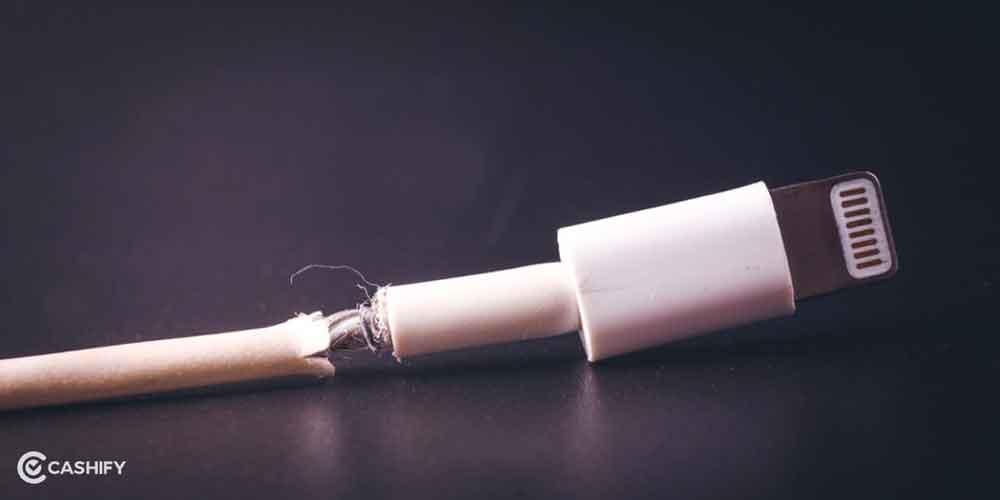
It is simple wear and tear, disguised as betrayal. Still, it never feels simple in the moment.
There is a specific kind of frustration that comes with being financially stretched and suddenly having to deal with repairs, replacements, or losses. It is not just about the inconvenience. It is about the timing. It is about how unfair it feels. You start to think in questions instead of solutions.
Why could this not have waited? Why now, when I am already struggling?
And slowly, without realizing it, you begin to connect these events. One broken thing becomes two. Two becomes a pattern. And the pattern starts to feel intentional. Almost like the universe is piling on. You realy start feeling like the universe hates you. But maybe what is really happening is accumulation.
Life does not schedule problems neatly. They do not arrive one at a time, spaced out with enough breathing room in between. Sometimes, they cluster. A few things break, a few things go missing, and it all happens within a short span of time. And if that time happens to coincide with a financial low, it feels amplified. It feels like everything is happening to you, all at once.
There is also the quiet role of stress in all of this. When you are worried about money, your mind is elsewhere. You are distracted. You are thinking ahead, calculating, planning, sometimes overthinking. And in that mental noise, small slips happen. You misplace things. You forget where you kept something. You are a little less careful than usual. Not because you do not care, but because you are carrying too much in your head. And that is how things get lost.
It is not always dramatic. Sometimes, it is just a pair of sunglasses left behind. A receipt you needed but cannot find. A charger you swore you kept in your bag. These are small losses, but they stack up, especially when you feel like you cannot afford them. So the narrative builds.
Everything is breaking. Everything is disappearing. Everything is expensive. And somehow, everything is happening now.
But here is the part we rarely talk about. These moments, frustrating as they are, reveal something about our relationship with our belongings. We do not just own things. We lean on them. We attach comfort to them. We build routines around them. And when they fail, it disrupts more than just convenience. It disrupts our sense of control.
Because money, in many ways, is tied to control. The ability to fix, replace, or recover quickly. When that ability is limited, every small problem feels bigger. Every broken object feels like a reminder of what you cannot immediately solve. And that is where the emotional weight comes from. It is not just about the object. It is about the moment you are in.
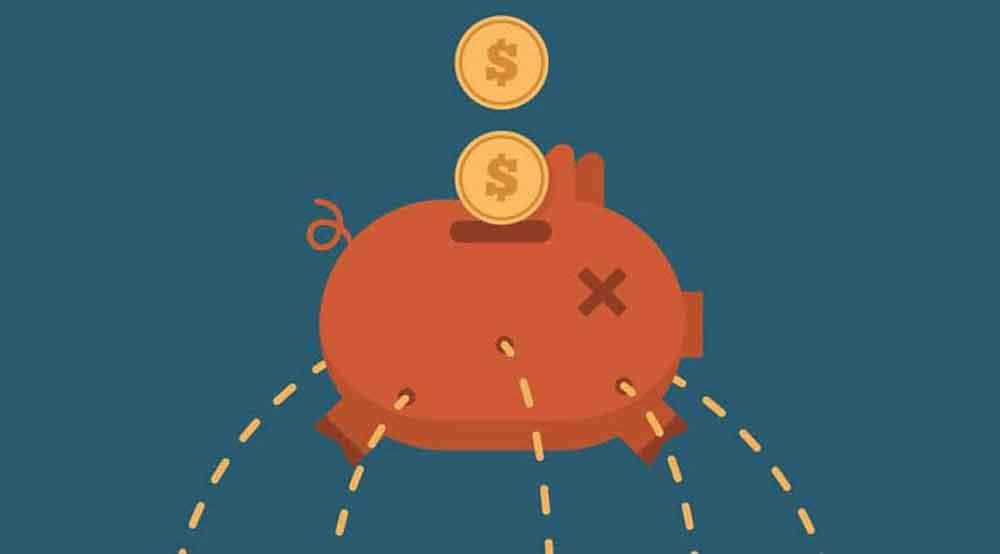
There is also a strange lesson hidden in all of this, though it rarely feels like one at the time. When things break or go missing, especially during financially tight periods, you are forced to adapt. You fix what you can. You delay what you cannot. You become resourceful in ways you did not expect.
You start valuing durability over aesthetics. Necessity over impulse. You think twice before replacing something. You learn to manage with less, even if temporarily. It is uncomfortable, but it is also revealing.
And then, slowly, things settle. The wave passes. You replace what needs to be replaced, or you find ways around it. And when you look back, it feels less like everything was against you, and more like everything just happened to converge at the wrong time.
Bad timing, not bad luck. Still, in the moment, it never feels that simple.
Because there is something deeply human about wanting things to work when you need them to. About expecting stability, especially when you are already dealing with enough. When that expectation is broken, it feels like more than coincidence.
It feels like the world is testing your patience. Maybe it is not. Maybe it is just life, being as unpredictable as it always is, only louder when you are already listening closely.
And maybe the reason it feels like everything breaks when you are broke is not because it actually happens more, but because you feel it more. You notice it more. You carry it more.
The cost is not just financial.It is emotional too.
And that is why a broken charger can feel like the final straw. Why a lost item can feel like a personal loss. Why these moments stay with you longer than they should. Because they arrive when you are already stretched thin.
And in those moments, it is not just about fixing what is broken. It is about holding yourself together while you do.