Johann Pieris on Reaching Mountain Denali
By Noeli Jesudas
For Johann Pieris, mountaineering is more than just reaching the summit; it is a test of endurance, resilience, and self-discovery. His latest feat, summiting Mount Denali, stands as one of his most demanding challenges yet. Known for its extreme weather, isolation, and unforgiving terrain, Denali is not a mountain that is easily conquered. In this conversation with Johann, he reflects on the journey that led him there, the moments that pushed him to his limits, and what it truly means to stand at the top of one of the world’s toughest peaks.
- Before Mount Denali, your climbing journey has taken you across some of the world’s most challenging terrains. How did each of those experiences shape your readiness for this particular summit?
Each mountain has its own challenges. These experiences that you gain collectively prepare you to take each subsequent challenge. The failures and challenges you’ve had along the way, and the various experiences teach lessons that you use going forward.
Mt Everest was the highest but not actually the most difficult of the seven summits. It did prepare me for the altitude. But we had the advantage of having Sherpas to lighten the load. And of course, the temperature of around -40 degrees C. When I climbed Everest, it was the first time I experienced those kinds of temperatures, and it prepared me well for the similar temperatures when I climbed Denali and Aconcagua. Another valuable lesson that I learned from climbing up was the importance of teamwork and trust in your Sherpas and guides. You literally have your life in their hands.
Throughout the years of my climbing the seven summits, I have been a member of various teams with different individuals from different countries. We always climb as a team, and over the course of each expedition you get to know the other members. I have been fortunate to make many very close friends over the years because you naturally bond with people when you spend days on end in close proximity through both good and difficult times.
When I climbed Mount Everest for the first time in 2016, I suffered frostbite on two of my fingers on my right hand. I’m a hairstylist and I’m right-handed. So, it is critical that I have the use of all my fingers. It was a close shave and there were times when I thought I would lose those two fingers but after a year of slow recovery, I was completely fine.
This time when I climbed Mount Denali, I experienced frostbite for the second time and on the same fingers. Although I am back to work, it is difficult for me because of the damage caused by the frostbite. Frost is a serious condition and can sometimes result in amputation of part of a finger. Fortunately, I have not suffered that to date.
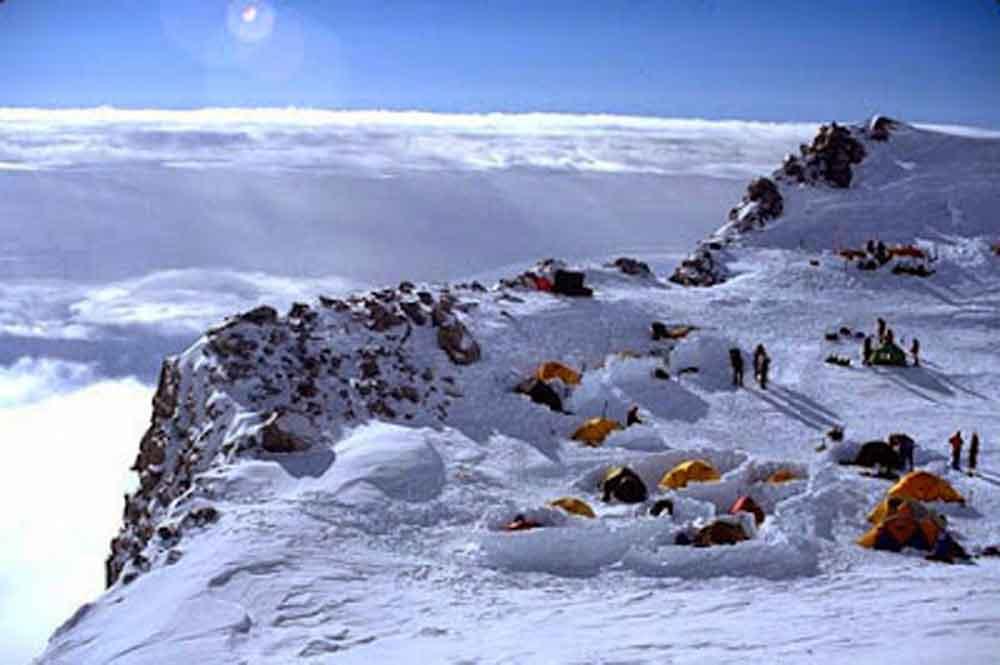
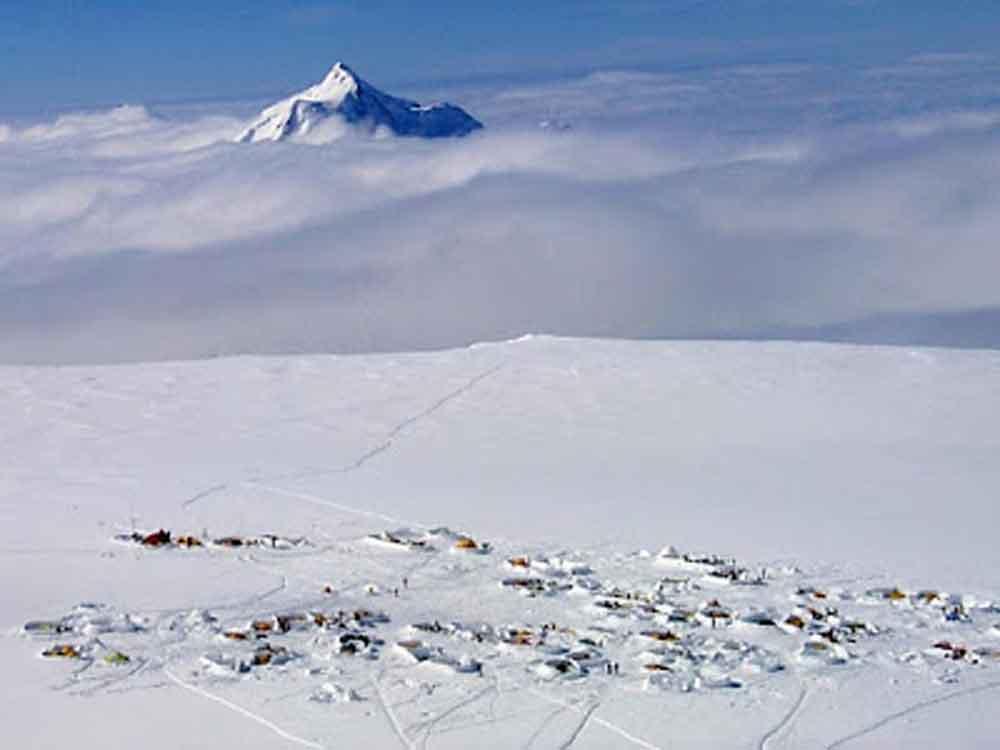
One of the biggest challenges in climbing Mount Denali is the fact that there is absolutely no help. There are no Sherpas and there are no porters. Each climber must carry up to 30 kg on their back and pull another 20 or 30 kg on a sled both up and down the mountain. We are carrying food, provisions, tents, utensils and our own personal belongings for the 21-day duration of the climb. This is extraordinarily difficult. The process involves something called caching - a process whereby equipment and provisions are taken up stage by a stage and cached at a higher level. This was a totally new thing for me the first time I did it in 2021. This prepared me well for my subsequent climbs of Mount Denali.
- Mount Denali is known for its unpredictability. Can you walk us through a moment during the climb where you had to make a difficult decision, and what that revealed about you as a climber?
There was one point when I slipped off the mountain and I fell 20 feet down with a big load on my back. As I tried to climb up, I kept on falling down further and further and it was terrifying. At this point, I realised that I had to have complete trust in all the members of my team to rescue me and acknowledge that this was a team exercise and without the rest of my team I would not be here now. This was a difficult thing to do because I was the oldest member of the team and three of the boys in the team were 18 years old, so much younger and inexperienced compared to myself. Yet I had to acknowledge that they were the ones who were going to help me and they did and I’m here now because of them.
- How do you mentally prepare for harsh conditions and unpredictability in such environments, especially on a mountain like Denali?
Fortunately for me, I had already done this particular mountain twice, so I knew what to expect. Ordinarily, however, somebody attempting this climb for the first time would have to gather as much information as possible from other climbers who had completed it before, and research all the available information on the internet to prepare themselves physically, mentally, and psychologically for the climb.
In Sri Lanka, we do not have the opportunity to train at higher altitude on alpine slopes. So, I must simulate high altitude in my training. I do this by wearing a mask which reduces the amount of air coming in and therefore the oxygen that I’m breathing. I can set any altitude with this mask. I also trained by running up and down hills in the hill country in Sri Lanka with a heavy load of up to 20 to 30 kg on my back. It sounds like a physical challenge, but actually it’s very much a mental challenge. Mind over matter.
- In what ways has summiting Denali reshaped how you view your future climbs or goals?
Denali is perhaps the ultimate mountain to climb, and it has taken me through various challenges. It was actually harder than Everest.This has prepared me for literally anything in the future.
My next challenge before I set out for the last of the seven summits, Aconcagua, is to trek the last degree on the South Pole. It is a 110 km trek, cross-country skiing from the 89th parallel to the 90th parallel in Antarctica. If I succeed, I will be the only Sri Lankan to have done so. This is scheduled for the end of this year and once again we will have to carry everything on our own. There will be no help and that will be a challenge.
- What does this climb mean to you in the context of representing Sri Lanka on a global stage of mountaineering?
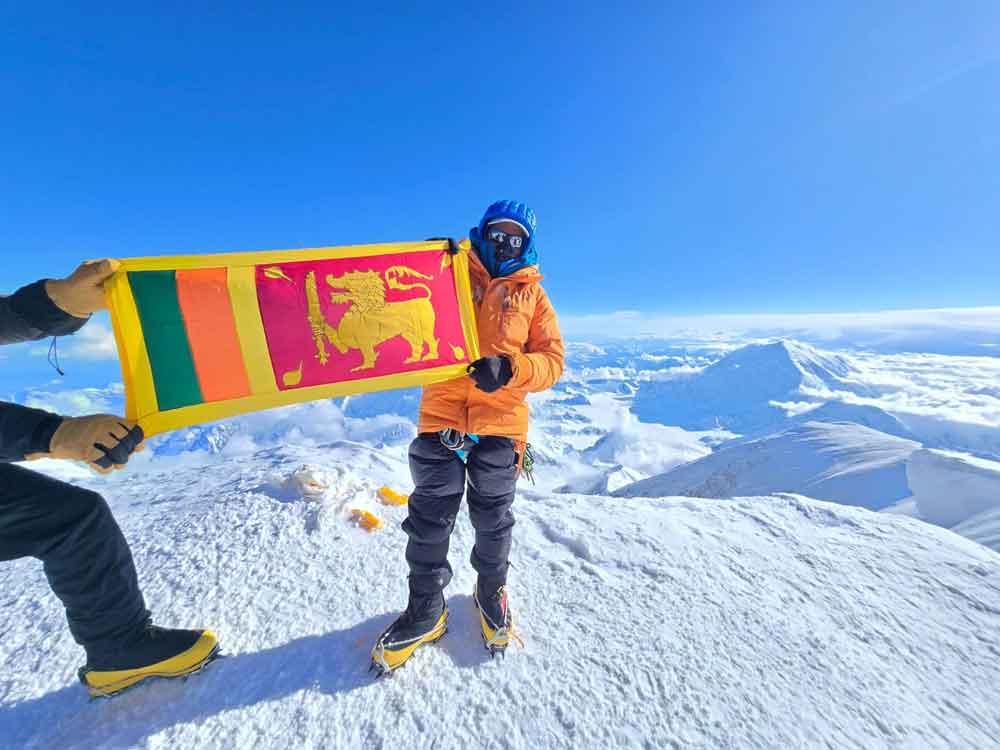
I have always maintained that every climb that I have done has been in an attempt to prove the resilience of Sri Lanka as a nation and Sri Lankans as people. Denali was no exception, in fact exemplified the level of resilience that was required to succeed. Being the first Sri Lankan to summit this mountain has been a significant milestone in my mountaineering journey. Incidentally, I have the same flag which I have carried to all seven corners of the world, and it is a very dear and precious flag to me. It has been an honour and a feeling of enormous pride to be able to do this for my Nation.
- For young Sri Lankans looking at your journey, what part of your path do you think is most important for them to understand, the highs, the struggles, or the consistency in between?
It’s all about the struggles and picking oneself up whenever you fail and keeping on going. And of course, consistency is critical, consistency in physical training and consistency in mind. Whatever one says ultimately even in the best physical form of your life climbing a mountain like this is 60% mental and only 40% physical.
Preparation for an international climb such as one of the seven summits requires an enormous amount of preparation both physical and financial. I started preparing for Mount Everest more than two years before we set out on the mountain. In 2016 when Jayanthi, my climbing partner, and I set out to climb Mount Everest, we did not have the benefit of any other Sri Lankan having attempted this feat, largely because of the financial constraints. There was an enormous amount of research that we had to do, and to be honest most people were very sceptical about our abilities to succeed.
One of the biggest struggles for me was raising the funds to complete each of these expeditions. Fortunately for me, I have had the support of a number of Sri Lankan Corporate entities as well as a Dutch entrepreneur who has been my benefactor for the last couple of expeditions.